Planning trips across the United States now blends risk awareness with inspiration and timing. Shifts in weather, stressed infrastructure, and recurring seasonal hiccups quietly alter traveler expectations. Insurance provides safeguards against cancellations, delays, and unforeseen costs. Some regions encounter disruptions that happen more often than not. Recognizing these zones helps travelers plan pragmatically without panic. The sections below show why coverage is increasingly vital. Each area confronts particular climate-related or seasonal pressures, making protection a sensible element of travel, not an afterthought.
Florida Gulf Coast Region
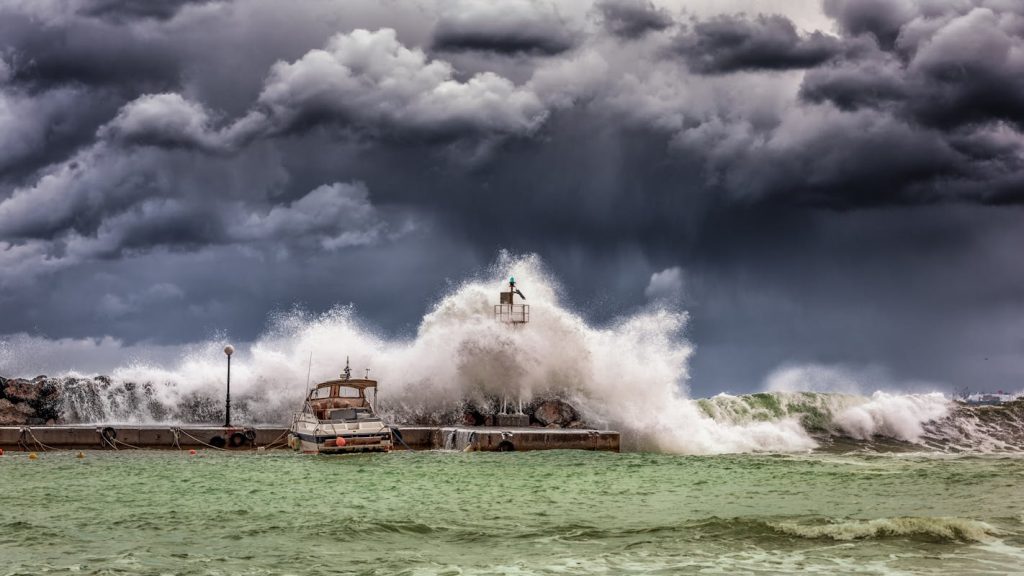
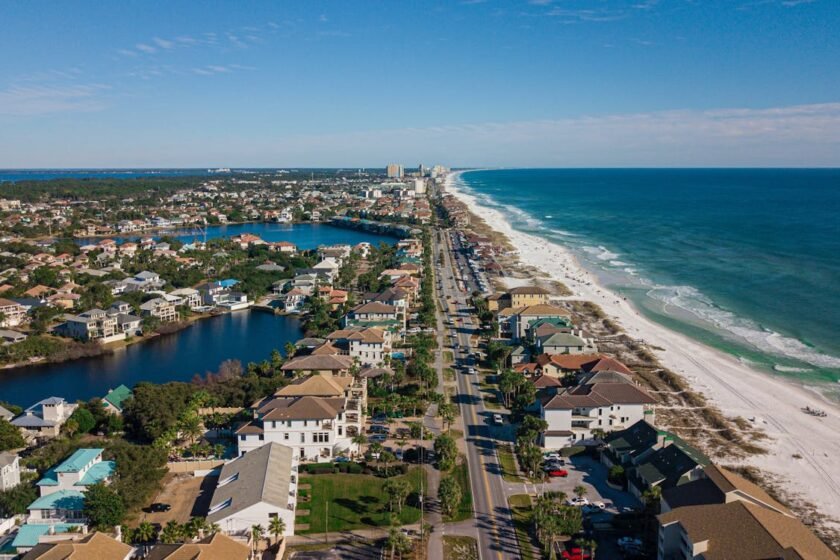
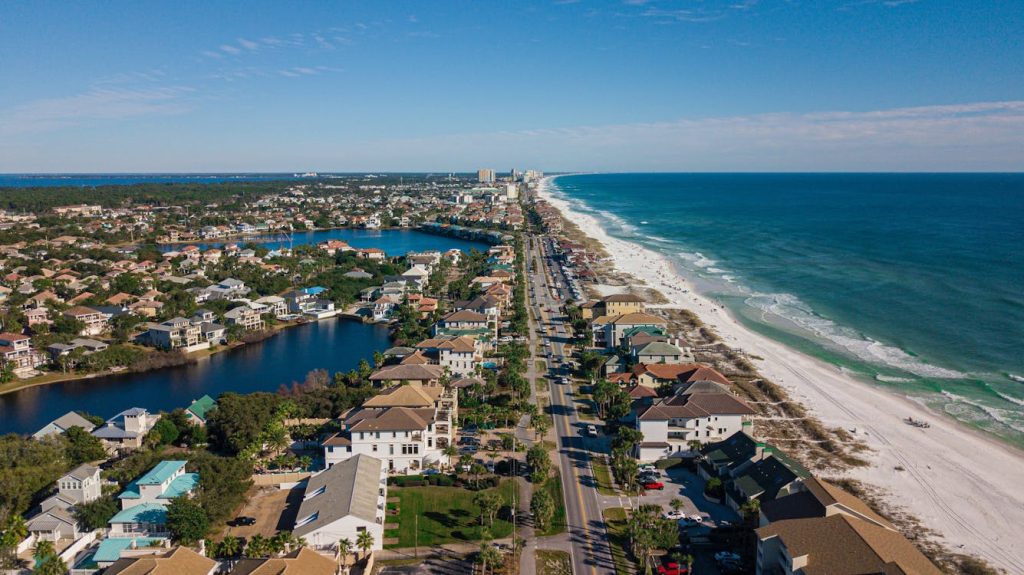
The Florida Gulf Coast is dealing with more volatile storm patterns and periodic flood risk. Hurricanes disrupt flights, lodging, and road travel. Even outside the height of hurricane season, weather-related delays are common. Coastal erosion and strained infrastructure complicate recovery timelines. Travelers may encounter sudden evacuations or changes to bookings. Insurance helps cover cancellations and longer stays. Popular spots like Naples, Clearwater, and Destin see strong demand during recovery phases. These conditions make coverage essential for protecting travel investments in this vulnerable coastal region year after year when storms and closures affect local services and businesses.

California Wildfire Regions
California’s wildfire-prone zones are increasingly causing travel disruptions during prolonged fire seasons. Smoke degrades air quality, roads, and flights. Evacuations and power outages disrupt lodging unexpectedly. National parks and wine regions can close temporarily. Travelers may face last-minute itinerary changes and health concerns. Insurance coverage supports cancellations and alternative arrangements. Areas including Napa Valley, Lake Tahoe, and parts of Southern California remain vulnerable annually. These recurring conditions make insurance a practical safeguard for managing travel impacts tied to wildfire activity during peak summer and autumn months nationwide.

Rocky Mountains Winter Regions
Rocky Mountain winter zones regularly suffer weather-related travel interruptions. Heavy snow, avalanches, and road closures hinder access. Airports delay flights during storms and peak ski weekends. Remote locations complicate rebooking and lodging changes. Insurance helps with trip interruptions and medical needs. Destinations like Vail, Jackson Hole, and Breckenridge depend on seasonal access. These factors make coverage crucial for safeguarding plans amid unpredictable winter weather, especially during holiday travel and extreme cold that disrupts regional transport.

Southwest Desert Heat Regions
Southwest desert heat zones bring rising travel risks during hotter months. Extreme temperatures affect road safety, vehicle reliability, and outdoor activities. Flights may be delayed when heat impacts aircraft performance. Medical emergencies rise during heat waves. Travelers face sudden plan changes and safety concerns. Insurance covers emergency care and trip alterations. Areas including Phoenix, Palm Springs, and Las Vegas endure prolonged heat seasons. This makes coverage essential for managing health and logistical risks tied to extreme desert climates in summer across urban centers and surrounding highways.

Pacific Northwest Coastal Regions
The Pacific Northwest coast endures frequent weather-driven disruptions. Heavy rainfall, wind storms, and floods disrupt transport regularly. Landslides and washed-out roads complicate plans. Ferry services frequently cancel, affecting island communities. Insurance can help with delays and alternate routes. Oregon and Washington coasts face ongoing challenges. These factors make coverage increasingly vital to safeguard trips during the year, particularly through winter storms and seasonal atmospheric river events that strain infrastructure and coastal access.

Hawaii Volcanic And Weather Regions
Hawaii presents distinct travel risks tied to its geography and climate. Volcanic activity occasionally disrupts air travel and road access. Tropical storms bring heavy rain and flooding. Island infrastructure limits rerouting options. Visitors may face sudden cancellations and itinerary changes. Insurance helps manage disruptions and medical needs. Areas including the Big Island and Maui experience varying risks. These factors make insurance increasingly essential for protecting travel plans within isolated island environments year-round, especially during hurricane season and periods of volcanic unrest when emergency services, flights, and accommodations face widespread disruption across interconnected island communities statewide.

Northeast Winter Storm Regions
Northeast storm zones encounter frequent travel disruptions. Snow and ice block highways, rail, and air travel. Airports face cascading delays during major storms. Power outages interrupt lodging and services. Travelers encounter sudden schedule changes. Insurance covers rebooking and extended stays. Areas including New England and the Mid-Atlantic see repeated impacts. These patterns push insurance coverage as a necessary safeguard for winter travel in densely populated corridors where aging infrastructure and high travel volumes intensify disruption during holidays and regular seasonal weather cycles.

Midwest Tornado Alley Regions
Tornado Alley zones face seasonal travel disruptions due to severe weather. Thunderstorms, tornadoes, and floods disrupt highways and airports. Sudden warnings interrupt road travel. Flights cancel more often during outbreaks. Travelers encounter shelter needs and itinerary changes. Insurance covers cancellations and delays. Areas across Oklahoma, Kansas, and Missouri experience repeated impacts. These conditions make insurance coverage essential for managing spring and summer travel risks across central U.S. corridors annually, where forecasting uncertainty and fast-moving storms complicate planning for families, road trips, and business travel during peak seasons.