PLUSH VELVET SOFAS THAT LOOK AMAZING ONLINE BUT FALL SHORT IN REAL HOMES
Gliding through impeccably styled interiors, certain sofa designs feel utterly irresistible. Clean lines, striking silhouettes, and trend-driven textures photograph beautifully and promise instant upgrades. The hiccup appears once they arrive in daily life. Real homes are dynamic, with movement, wear, comfort, and clutter that staged shots don’t account for. Pieces that gleam online often stumble when faced with everyday use, bodies of different sizes, and shifting needs. As trends surge forward, homeowners are recognizing that livability outranks pure aesthetics. These styles illustrate the widening gap between-looking-good and functioning well in ordinary spaces.
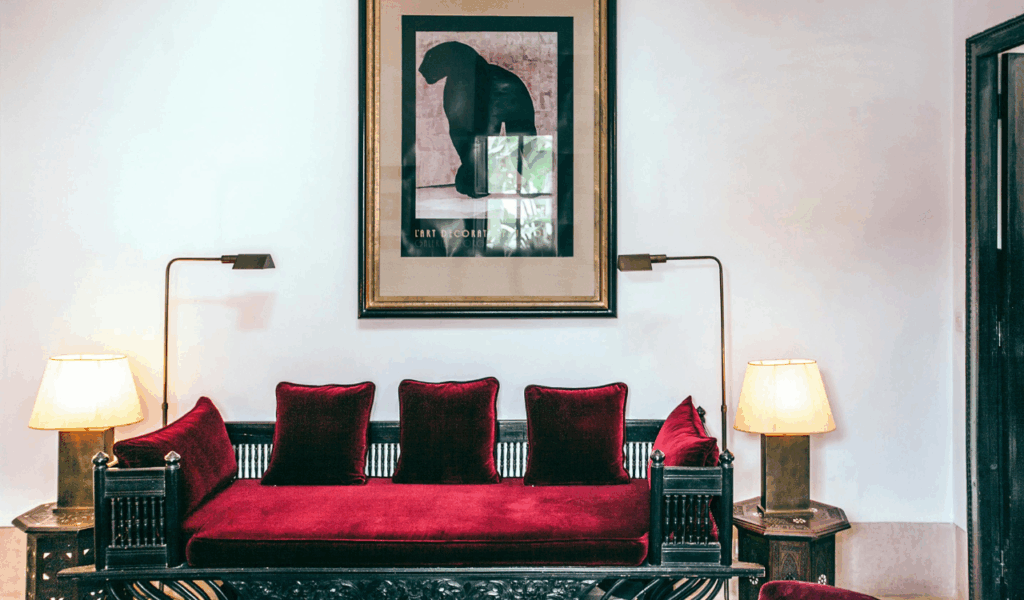
At first glance, a generously padded velvet sofa exudes comfort. Online visuals emphasize plush cushions, rich hues, and a commanding presence. In reality, wear can be unforgiving. Velvet tends to show wear quickly in busy homes with pets or children. The deep pile traps dust and hair, making upkeep more demanding than buyers anticipate. Overpadding can also lead to structural strain over time. Cushions lose shape, seats sag unevenly, and the sofa may feel swallowed up rather than supported. Many of these pieces prioritize softness over adequate seat depth and back support, resulting in discomfort during extended sits.
LOW-PROFILE SECTIONALS
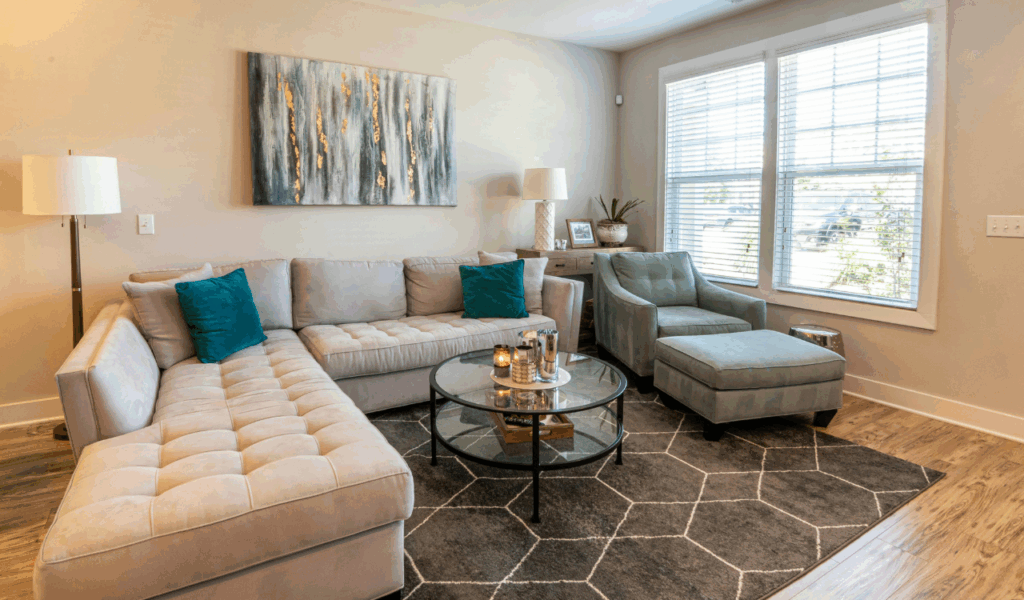
Low-slung sectionals photograph nicely by delivering clean lines and a relaxed, contemporary vibe. In practice, their reduced seat height and shallow backs create real usability problems. Standing up becomes more laborious, which can be frustrating for seniors or anyone with joint issues. The shallow back support encourages slouching, making long lounging sessions uncomfortable. These sectionals also struggle in multi-use areas because they lack a clear visual break from the floor, which can make rooms feel unfinished or oddly scaled. While they suit minimalist apartments staged for photography, they don’t adapt well to real households where comfort, posture, and accessibility matter.
EXPOSED-LEG COFFEE TABLES
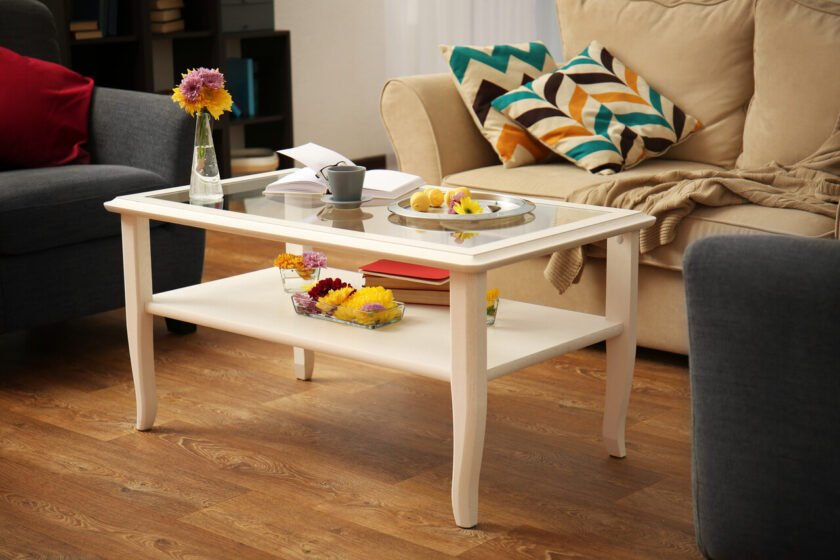
Exposed-leg coffee tables lean into a sense of visual airiness. Online, they appear light and graceful, helping compact rooms feel less crowded. In actual living spaces, their drawbacks become quickly evident. The open design yields little usable surface beyond the top, leaving no place for remotes, books, or everyday clutter. The legs themselves can become obstacles, especially in tight seating areas, leading to bumped shins and awkward movement. Because these tables lack weight or enclosed structure, they shift easily and feel unstable with regular use. Many homeowners also find that without storage, clutter simply relocates rather than disappears.

SCULPTURAL ACCENT CHAIRS
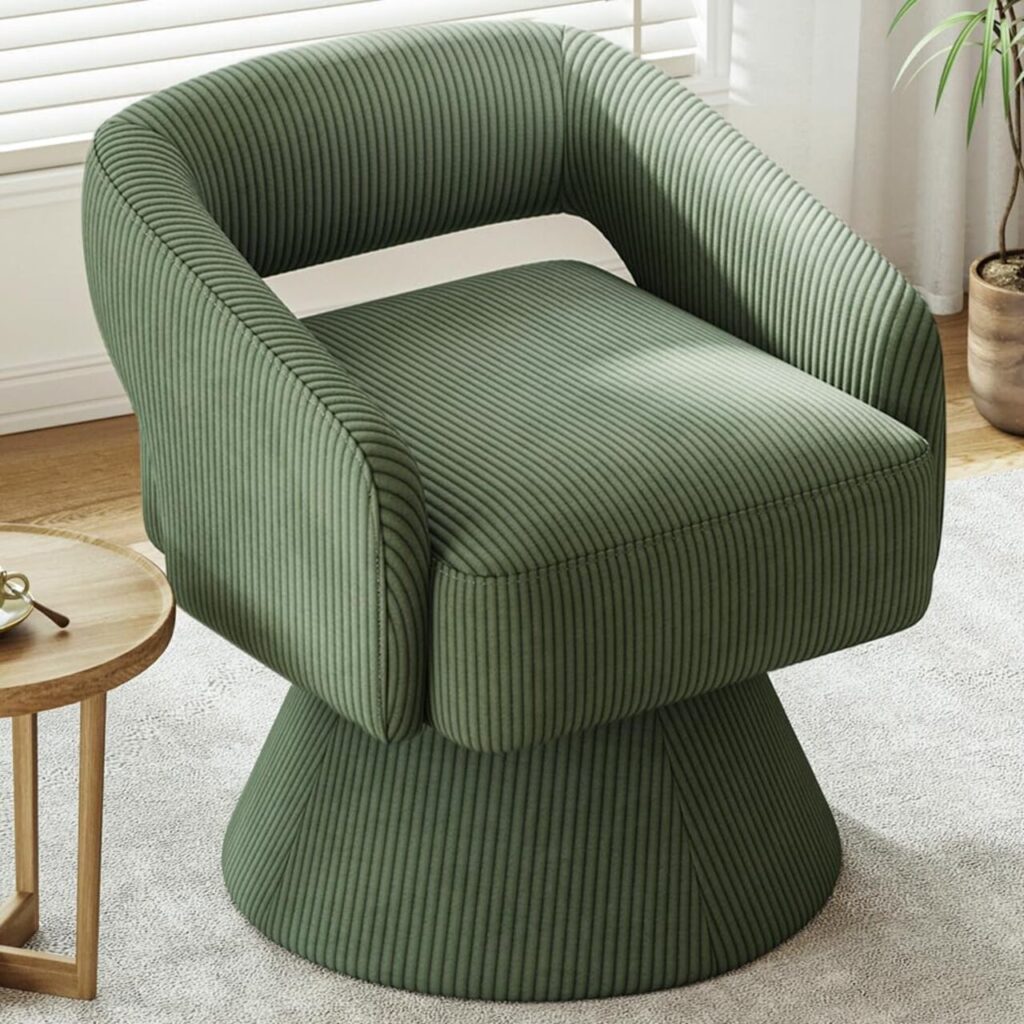
Sculptural accent chairs exist primarily to be admired. Their dramatic curves, unusual angles, or unexpected materials photograph strikingly and stand out in curated interiors. Comfort is rarely a priority. Many lack adequate seat depth, lumbar support, or proper arm placement, making them uncomfortable for extended use. Their rigid forms discourage casual use, turning them into decorative accents rather than functional seating. In everyday homes, these chairs often become places to drape garments rather than places to unwind. The clash between visual impact and practical utility becomes clear quickly.
FLOATING NIGHTSTANDS
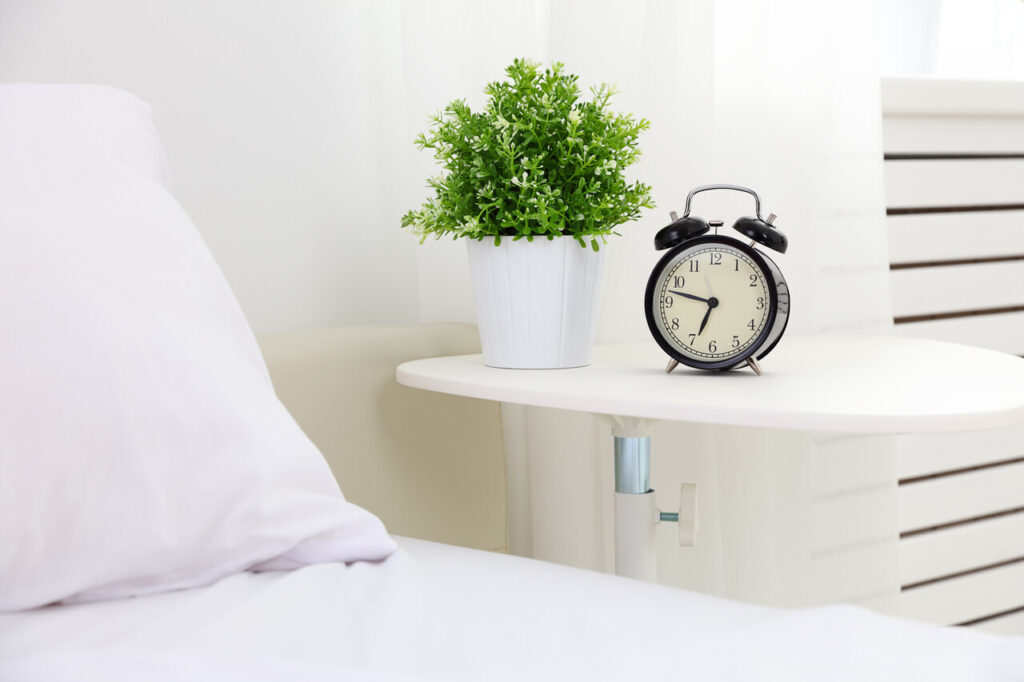
Floating nightstands promise a sleek, clutter-free bedroom aesthetic. Online imagery suggests simplicity and streamlined efficiency. In reality, their limited surface area and shallow storage reduce practicality. Many can barely hold essentials like a lamp, a book, or a phone without feeling crowded. Installation challenges can also lead to instability over time. Because they lack flexibility, rearranging or expanding storage becomes difficult. In smaller bedrooms, the absence of drawers or cabinets means items migrate elsewhere, undermining organizational goals.
GLASS DINING SETS
Glass dining sets gleam online because they reflect light and visually disappear in tight spaces. In real homes, they demand constant upkeep. Fingerprints, smudges, and scratches show up immediately, making them among the highest-maintenance options. Glass surfaces amplify noise, turning each plate setting into a sharp sound. Safety considerations also arise, particularly in households with kids. Chairs paired with glass tables often lack cushioning or ergonomic support, prioritizing style over comfort. Over time, the initial elegance can fade into a cold, fragile, and impractical reality. The photos’ elegance often translates into daily stress.

THIN METAL-FRAME SOFAS
Thin metal-frame sofas appeal to minimalist aesthetics and photograph well against neutral backgrounds. Their slender profiles imply efficiency and modernity. Comfort, however, tends to be an afterthought. The cushions compress easily, offering minimal long-term support. Metal frames transfer pressure points directly to the body, making long periods of sitting uncomfortable. They also seem insubstantial in larger rooms, where they can look unfinished or temporary. Durability becomes a concern as joints loosen and frames creak with regular use. While they suit staged interiors, they rarely meet the demands of real households seeking endurance and comfort.
OVERSIZED TUFTED HEADBOARDS
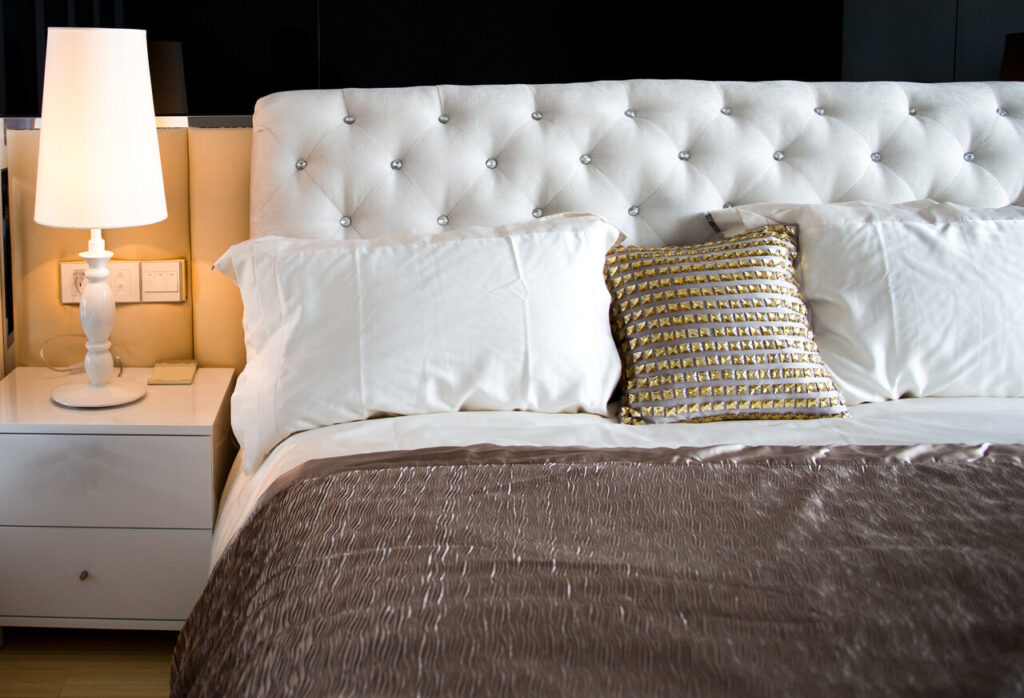
Oversized tufted headboards make bold visual statements online, anchoring bedrooms with drama and texture. In real spaces, they can overwhelm the room. Their height and depth consume precious wall and floor space, limiting how other furniture can be arranged. Tufting collects dust and requires regular cleaning, which many owners underestimate. Fabric headboards stain easily and wear quickly in high-contact areas. Functionally, they offer little beyond aesthetics. Leaning on them for reading or relaxation can feel awkward due to firm padding or button placements. Over time, the headboard can dominate the room rather than support it, turning a design feature into a constraint.
MINIMALIST OPEN SHELVING UNITS
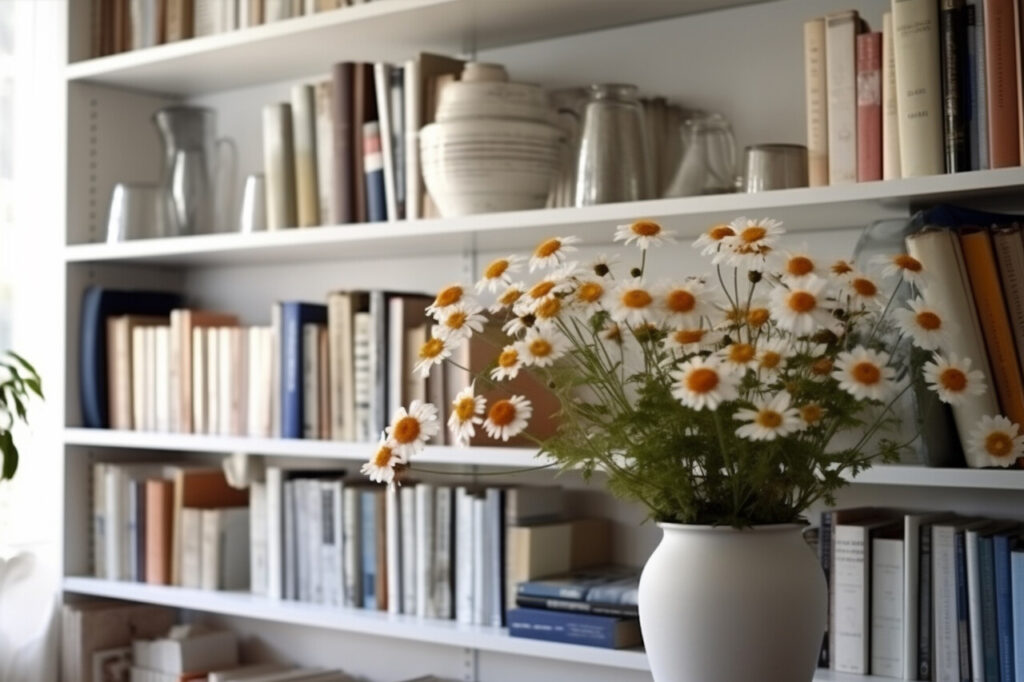
Minimalist open shelving looks curated and purposeful in glossy spreads, filled with evenly spaced objects. In real homes, spotless order rarely lasts. Open shelves reveal every item, magnifying visual clutter rather than taming it. Dust accumulates quickly, demanding frequent cleaning. Without concealed storage, daily necessities have nowhere to hide, forcing constant tidying and constant edits. These units require a discipline that many households struggle to sustain. Instead of feeling organized, spaces may appear chaotic and incomplete. Editorial styling often collapses under lived-in daily life.
ACRYLIC AND LUCITE FURNITURE
Acrylic and Lucite pieces gained popularity for their lightweight, contemporary look online. In person, they reveal several flaws. Scratches show prominently and are hard to repair, quickly diminishing the piece’s appeal. Fingerprints and smudges are constant, demanding frequent cleaning. The material can yellow over time, especially with sun exposure. Acrylic items also lack warmth, making rooms feel antiseptic rather than inviting. While they create a sense of space in photos, they often feel fragile and impractical in daily use. The promise of invisibility becomes a maintenance burden that outweighs the visual benefit.