
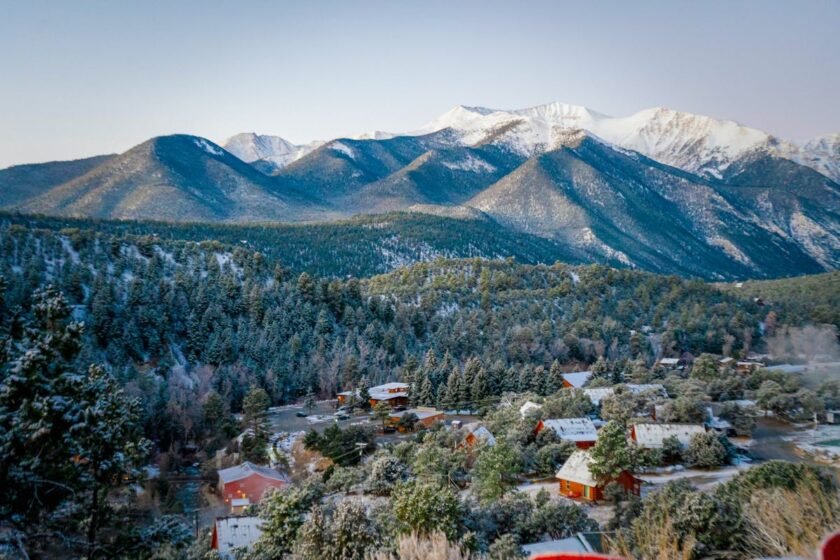
SEDONA, ARIZONA

Sedona’s iconic red rock vistas draw millions annually, placing pressure on a compact town. Narrow streets trap in daily traffic; parking shortages hinder locals and emergency responders. Short-term rental growth pushes up housing costs. Trails experience erosion from heavy foot traffic. Local businesses tilt toward visitors rather than residents. Water demand climbs in arid conditions. Growth options are constrained by geography, slowing infrastructure expansion. Residents raise concerns about crowding and its consequences. Though tourism fuels the economy, everyday life becomes more challenging. Sedona’s case shows how natural beauty can outpace a town’s ability to sustainably handle ongoing popularity for its long-term residents.
JACKSON HOLE, WYOMING
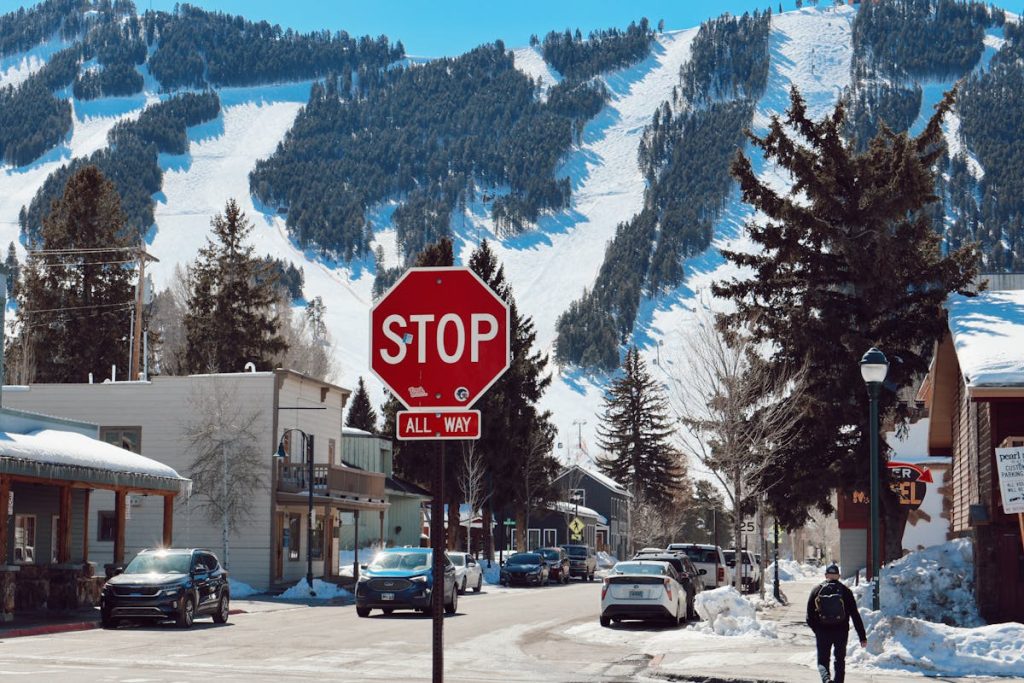
Jackson Hole draws travelers year-round for wildlife, skiing, and scenery. The spike in visitors squeezes housing for workers. Bottlenecks clog the limited road network. Seasonal demand strains public services and infrastructure. Wages fail to keep pace with climbing living costs. Crowded trails undermine conservation efforts. Residents shift routines to accommodate peak visitor periods. Emergency response times encounter delays during busy seasons. While tourism brings economic advantages, overtourism markedly transforms everyday life. The town demonstrates how remote locales bear amplified pressures when visitor counts persistently outstrip infrastructure capacity year after year.
BAR HARBOR, MAINE
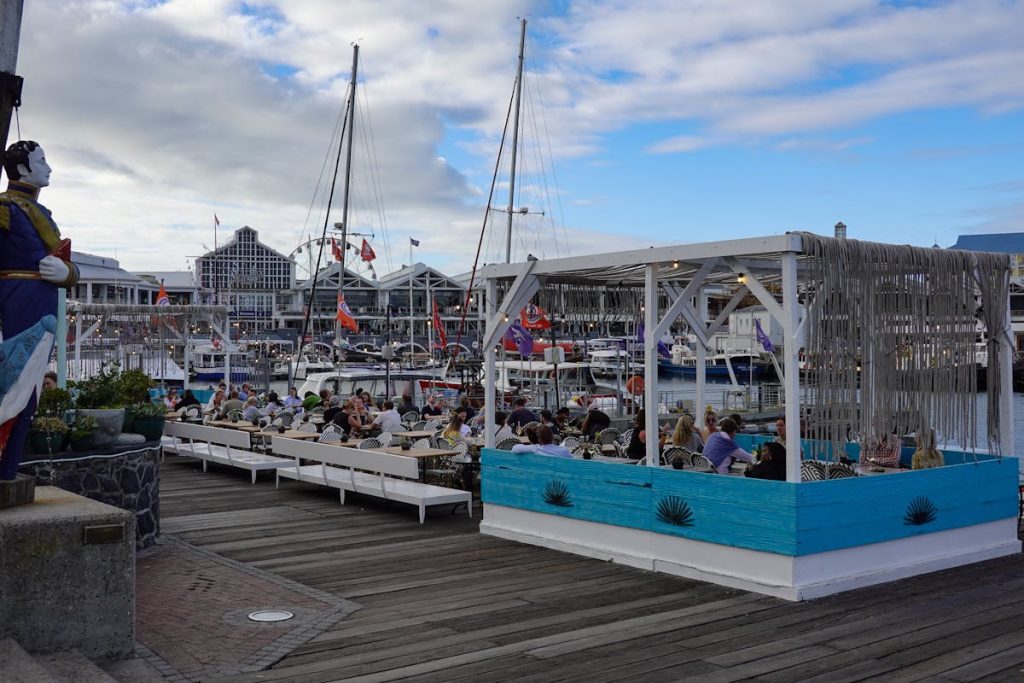
Bar Harbor functions as a portal to Acadia National Park. Seasonal influx from cruise ships and summer visitors overwhelms the town. Tight streets battle with foot and auto traffic. Parking is scarce for locals and workers. Rents surge as dwellings shift to short-term rentals. Local businesses tilt toward the tourist season heavily. Utilities and infrastructure feel strain during peak months. Environmental effects ripple through nearby coastal ecosystems. Residents grow weary from crowds in summer. Bar Harbor retains its allure, yet overtourism disturbs community equilibrium. The town shows how proximity to a national park intensifies tourism pressures beyond what small coastal towns can sustainably handle over the long term.
KEY WEST, FLORIDA
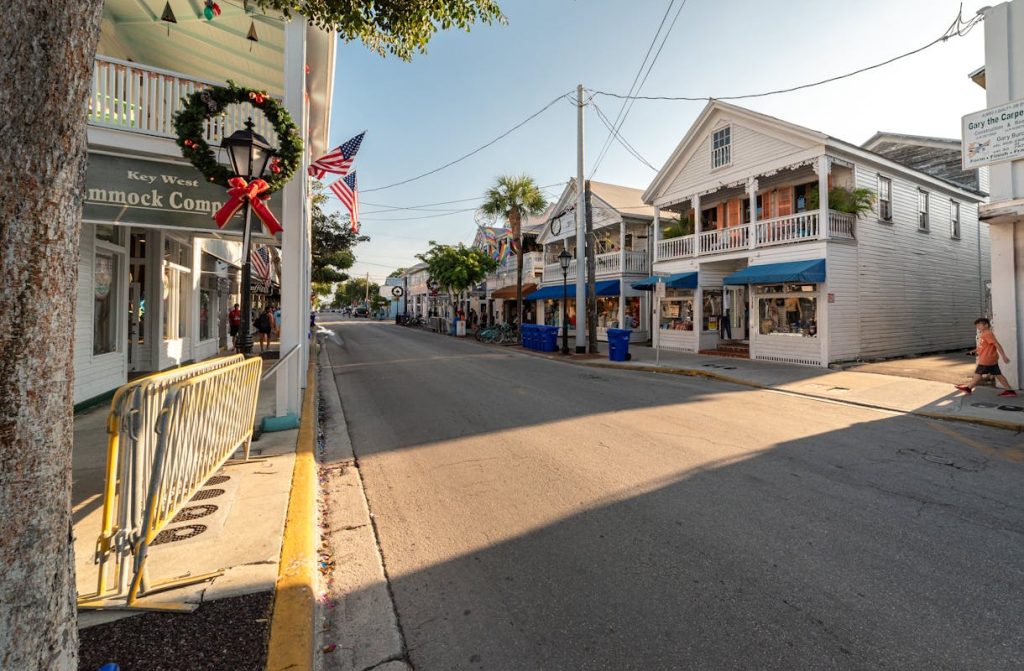
Key West’s island setting restricts expansion and infrastructure development. Tourism underpins the local economy year-round. Daily cruise ship arrivals intensify crowds in the core streets. Narrow historic avenues suffer from traffic jams. Housing becomes less affordable as short-term rentals rise. Workers travel greater distances because housing is scarce. Public services constantly contend with visitor demand. Reefs and marine ecosystems face environmental pressures. Residents adjust routines to dodge peak periods. Although tourism preserves livelihoods, overtourism erodes quality of life. Key West shows how island communities endure greater strain when visitor numbers outpace residential capacity and resources across all seasons.
LEAVENWORTH, WASHINGTON
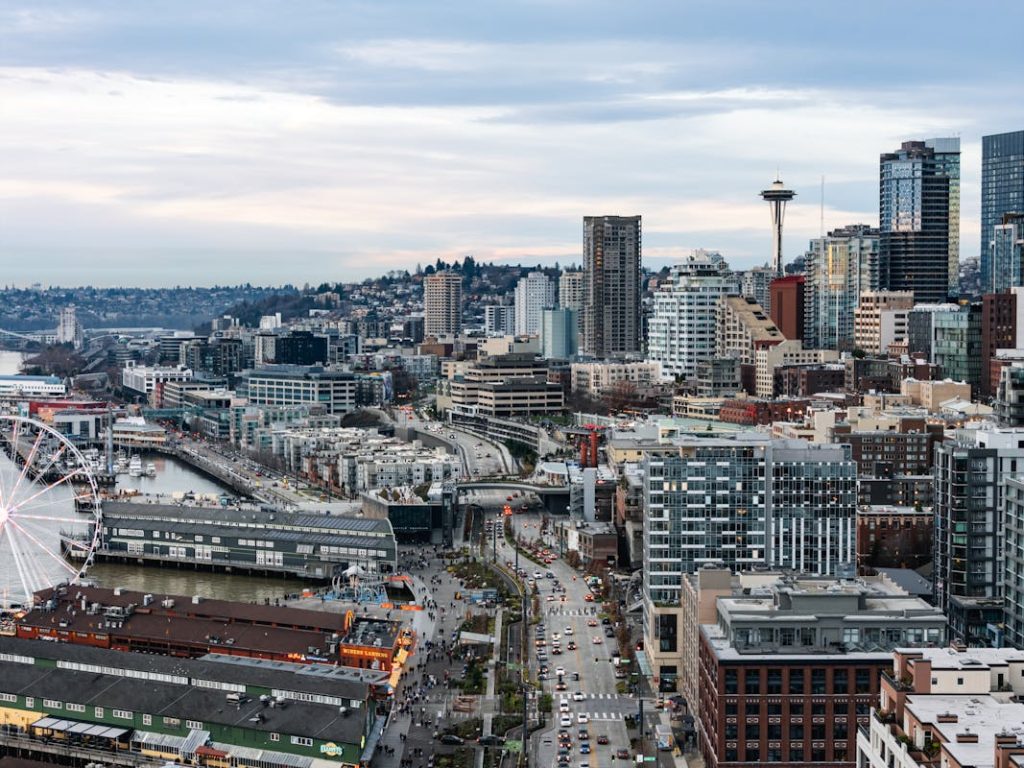
Leavenworth evolved into a Bavarian-inspired hotspot drawing substantial tourism. Weekend crowds overwhelm the modest local population. Parking is severely limited for residents. Traffic builds up on the limited entry roads. Services focus on visitor seasons. Growth of infrastructure remains limited by geography. Environmental effects reach nearby forests and rivers. Residents endure frequent noise and crowding. Though tourism boosts the economy, everyday life becomes more complicated. Leavenworth shows how themed towns can outpace infrastructure unintentionally, posing lasting difficulties for small towns trying to preserve identity, livability, and sustained appeal.
GATLINBURG, TENNESSEE
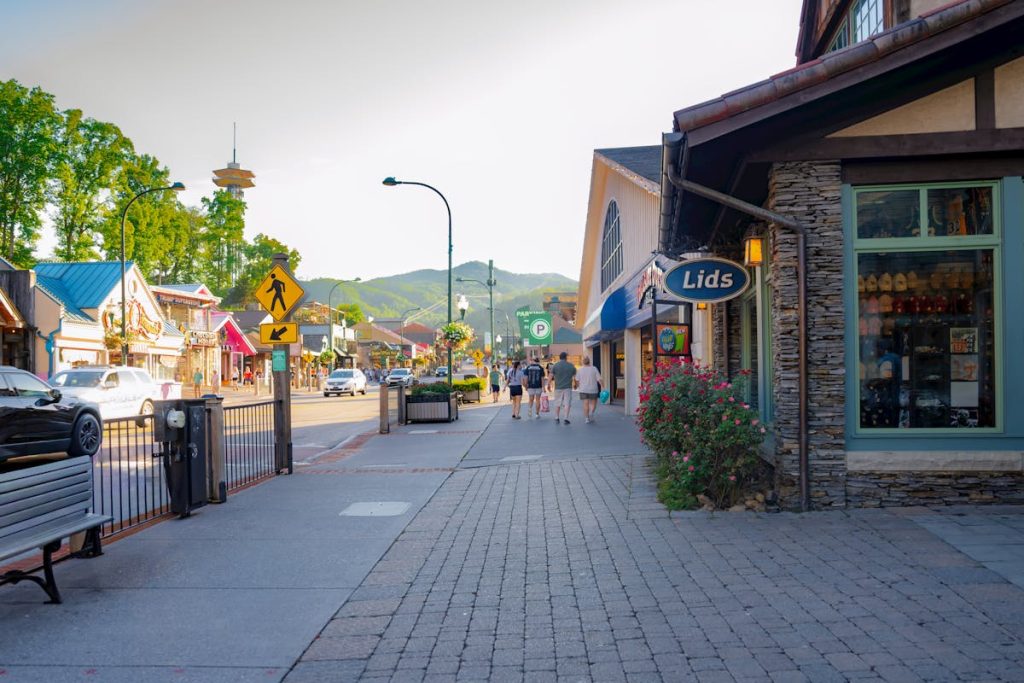
Gatlinburg sits at the edge of Great Smoky Mountains National Park, attracting huge crowds. Daily traffic dominates main corridors. Seasonal tourism strains utilities and emergency services. Housing options shrink as rentals multiply. Infrastructure buckles during peak travel times. Environmental strain touches nearby natural areas. Residents cope with crowds during routine errands. The town’s character leans toward visitor-centered entertainment. Although tourism fuels the economy, overtourism reshapes daily life. Gatlinburg demonstrates how gateway towns to national parks endure persistent stress when visitor numbers surpass planning expectations and resource limits year after year across seasons.
TELLURIDE, COLORADO

Telluride’s mountain setting lures visitors for skiing and festivals. Finite space curtails housing and infrastructure growth. Tourism demand pushes living costs upward quickly. Workers face difficulty locating affordable housing nearby. Public services cope with population spikes. Short-term rentals shrink the pool of homes. Environmental conservation endures growing pressure. Residents adapt routines to the ebb and flow of visitors. Telluride stays picturesque and sought-after, but overtourism adds complexity to daily life. The town illustrates how upscale resort popularity magnifies challenges for small alpine communities striving to balance economic gain with sustainability and resident well-being.
MARFA, TEXAS

Marfa’s art scene turned a sleepy desert town into a cultural hotspot. Visitor numbers surpass the town’s infrastructure capacity. Lodging is scarce as demand grows. Housing costs climb with higher demand. Services increasingly prioritize visitors. Water resources strain under dry conditions. Traffic swells during events. Residents contend with crowding on peak weekends. The small-town dynamics shift quickly. Although tourism spurs revitalization, overtourism changes the character of the community. Marfa demonstrates how sudden popularity can overwhelm rural towns without scalable infrastructure, calling for thoughtful planning to safeguard identity and quality of life amid persistent cultural tourism.
BRECKENRIDGE, COLORADO

Breckenridge draws skiers and summer travelers year-round. Growth in tourism pushes housing affordability out of reach for locals. Traffic jams frequently hinder routes. Parking becomes a daily hurdle. Short-term rentals dominate neighborhoods. Public services adapt to seasonal population swings. Environmental impacts touch nearby trails and waterways. Workers commute from farther towns. Residents grow weary of crowds during peak seasons. While tourism fuels prosperity, overtourism makes livability harder. Breckenridge showcases how resort towns wrestle with balancing dependence on visitors with infrastructure limits and the needs of permanent residents facing ongoing seasonal pressure.
WHITEFISH, MONTANA
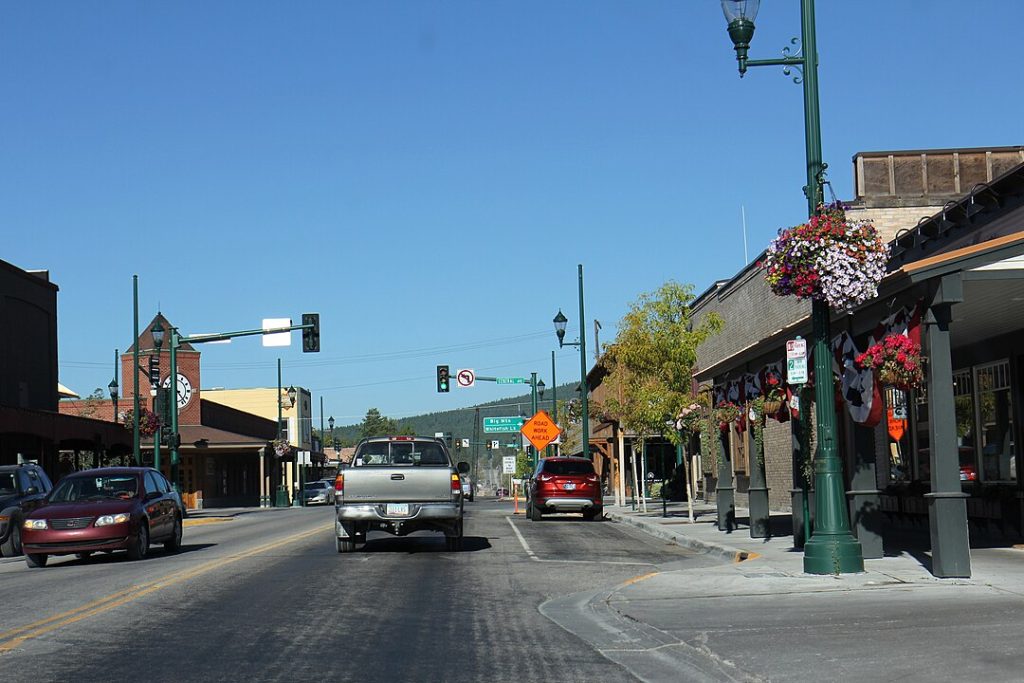
Whitefish benefits from its closeness to Glacier National Park. Seasonal tourism swells the town’s population significantly. Rents rise as housing becomes pricier. Infrastructure strains during peak periods. Traffic congestion affects the limited roads. Local workers confront affordability challenges. Environmental effects touch nearby natural resources. Public services respond to varying demand. Residents adapt schedules to dodge crowds. Although tourism drives growth, overtourism tests long-term sustainability. Whitefish shows how gateway towns adjacent to protected areas endure persistent pressure balancing economic opportunity with community stability and environmental stewardship as visitors rise each year.