

This article includes affiliate links. For more information, review the disclosure.
Dining out should be straightforward, yet numerous eateries now add extra charges that leave patrons puzzled, irritated, or even misled. These fees often appear only at the end of the meal, hidden in fine print or described with vague wording that provides little clarity. While higher labor, ingredient, and operating costs are real hurdles for restaurants, diners increasingly feel that certain charges cross the line from honest disclosure into covert manipulation. When pricing is unpredictable, trust suffers. The widening gap between listed menu prices and final bills is reshaping how people evaluate restaurant value and fairness.
Automatic charges that feel like forced tipping

Here’s the deal with automatic service charges: customers aren’t opposed to fair compensation for staff; they object to not knowing where the funds go. These charges commonly show up as a fixed percentage on the bill, sometimes replacing tips, sometimes stacking on top. The annoyance stems from inconsistency and poor communication. Diners are rarely told upfront whether the charge goes wholly to servers, is shared with management, or covers operating costs. In some cases, staff still expect tips, leaving diners unsure whether they’ve already paid for service. When transparency is missing, the charge feels less like fairness and more like obligation.
Large party fees that don’t reflect the experience

Large-group surcharges are often justified as compensation for extra coordination, longer table occupancy, or heightened service demands. In principle, that makes sense. In practice, many diners report no noticeable difference in service quality after paying the fee. Dishes still arrive late, drinks still need chasing, and the bill still requires careful checking. When a group pays a mandatory surcharge but receives standard or even hurried service, the fee feels detached from reality. Another point of contention is how loosely “large party” is defined. Some restaurants apply the charge to groups as small as six, which many people consider a typical dinner outing.
Recovery and surcharge fees that sound vague on purpose
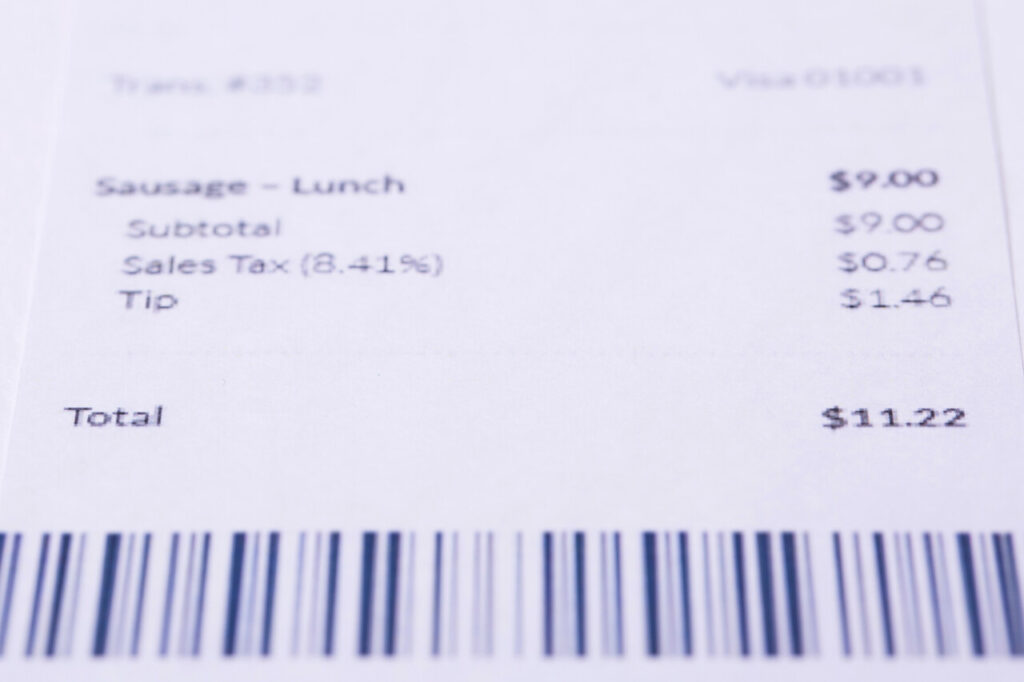
Fees labeled as recovery charges, wellness fees, or operational surcharges often trigger suspicion because they’re deliberately vague. Diners are told these fees help restaurants cope with rising costs, inflation, or staffing challenges, but specifics rarely follow. Customers reasonably question why menu prices weren’t adjusted instead. When costs are hidden behind generic language, it feels like a tactic to soften sticker shock while still increasing the bill. The lack of clarity also creates discomfort for servers, who are frequently left explaining policies they didn’t create. A charge that exists without a clear definition or endpoint quickly starts to feel permanent, even if it began as temporary.
Credit card processing fees passed directly to diners

Credit card fees frustrate customers because they shift the standard cost of doing business onto the guest. Most diners assume card processing is baked into menu pricing, just like rent or utilities. When a separate line item appears for using a card, it feels punitive for a common payment method. The irritation grows when cash isn’t realistically encouraged or rewarded. If a restaurant primarily operates as cashless, passing along card fees feels especially unfair. Diners also note that these charges often appear only at checkout, removing the chance to make an informed choice earlier.
Corkage fees that punish loyalty rather than encourage it

Corkage fees exist to compensate establishments when guests bring their own wine, but many diners feel the amounts have drifted far beyond reasonable. High corkage charges can rival or exceed the price of a bottle ordered in-house, undermining the policy’s original purpose. Guests who bring special bottles for celebrations often feel punished rather than accommodated. The fee can also seem disproportionate to the service provided, which typically involves opening and pouring. When corkage becomes excessive, it discourages repeat visits and signals that flexibility isn’t valued. Inconsistency is what diners resent most.
Mandatory bread or small-plate charges that arrive uninvited

Charges for bread baskets, table snacks, or small plates catch diners off guard because they often arrive without explicit consent. A basket on the table can feel complimentary, especially since it’s common in many dining cultures. Discovering later that it carried a charge creates immediate distrust. Diners aren’t opposed to paying for food, but they expect a choice. When items are presented automatically and billed silently, it feels deceptive. Rather than enhancing the dining experience, the fee becomes a reminder to scrutinize every line on the check, which undermines the hospitality restaurants aim to foster.