


Russian literature entered American reading culture in the late nineteenth and early twentieth centuries through translation, universities, and literary circles. These books were not read briefly and forgotten. They became staples of education, discussion, and personal libraries. American readers returned to them across generations because the themes felt enduring rather than foreign. Questions of morality, identity, power, and human suffering resonated deeply. These ten Russian books have remained part of American reading life for over a century, not as curiosities, but as foundational works that continue to shape literary understanding.
Crime and Punishment by Fyodor Dostoevsky
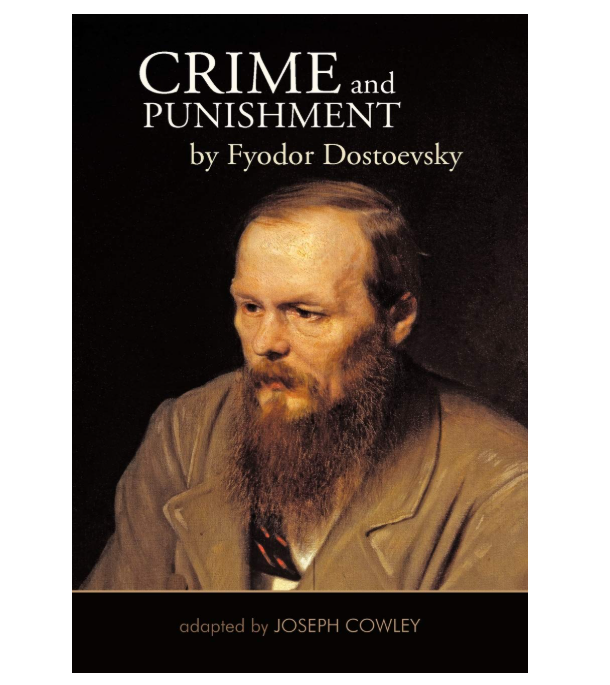
American readers have been drawn to Crime and Punishment since its early English translations. The novel’s psychological focus made it influential in U.S. literature and philosophy classrooms. Readers connected with its exploration of guilt, rationalization, and moral consequence. The intense interior perspective felt groundbreaking and deeply human. Over generations, Americans returned to the book to understand the relationship between thought and action. Its influence persists because it examines moral conflict in a way that transcends culture and era.
The Brothers Karamazov by Fyodor Dostoevsky
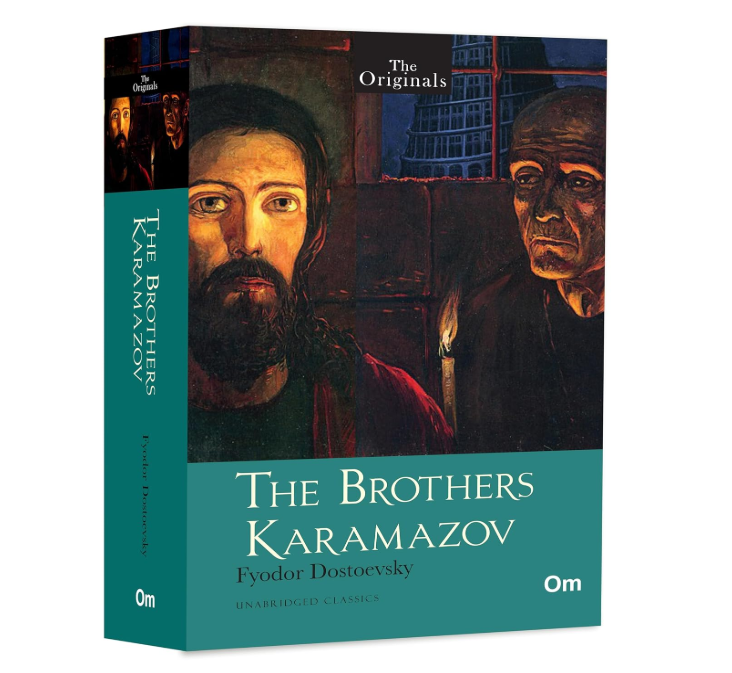
The Brothers Karamazov entered American reading culture as both a novel and a philosophical text. Its debates about faith, doubt, freedom, and responsibility appealed strongly to American intellectual traditions. Universities embraced it as a work that bridged literature and moral inquiry. Families and individuals read it for its emotional depth as much as its ideas. Over time, the novel became a reference point for discussions about belief and ethics, securing its long standing place in American literary life.
Anna Karenina by Leo Tolstoy
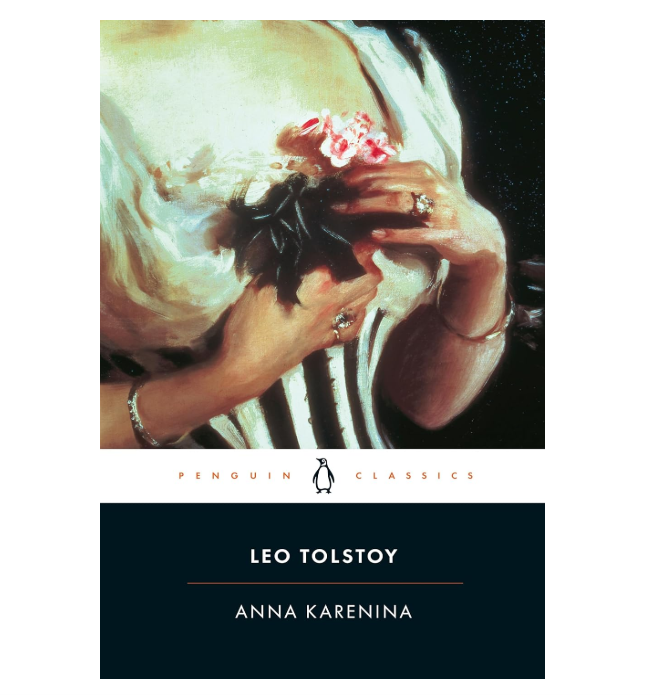
Anna Karenina has been read by Americans for generations as both a love story and a social study. Early readers were drawn to its emotional realism and moral complexity. The novel’s examination of marriage, desire, and social judgment resonated strongly in American culture. Its characters felt psychologically real rather than symbolic. As attitudes toward relationships evolved, the book remained relevant. American readers continued returning to it for insight into personal choice and societal pressure.
War and Peace by Leo Tolstoy

War and Peace gained American readership through its ambition and depth. Though large in scale, readers connected with its focus on individual lives within historical upheaval. The novel influenced how Americans thought about history, leadership, and agency. It challenged simplified narratives of power and control. Over time, it became a marker of serious reading. Americans continued engaging with it as both a literary achievement and a reflection on human complexity.
Fathers and Sons by Ivan Turgenev

Fathers and Sons found early American readers through its portrayal of generational conflict. The novel resonated during periods of social change in the United States. Its focus on ideological tension between parents and children felt familiar. American readers saw reflections of their own cultural debates within the story. The book became a quiet classic, often taught for its insight into change and misunderstanding. Its relevance sustained long term interest.
Notes from Underground by Fyodor Dostoevsky

Notes from Underground gained American readership for its raw voice and psychological intensity. Early readers recognized its challenge to rational optimism and progress narratives. The confessional style felt radical and intimate. The text influenced American writers exploring alienation and self awareness. Over time, it became a key reference for modern psychological literature. Americans continued reading it as a study of inner conflict rather than historical artifact.
The Cherry Orchard by Anton Chekhov
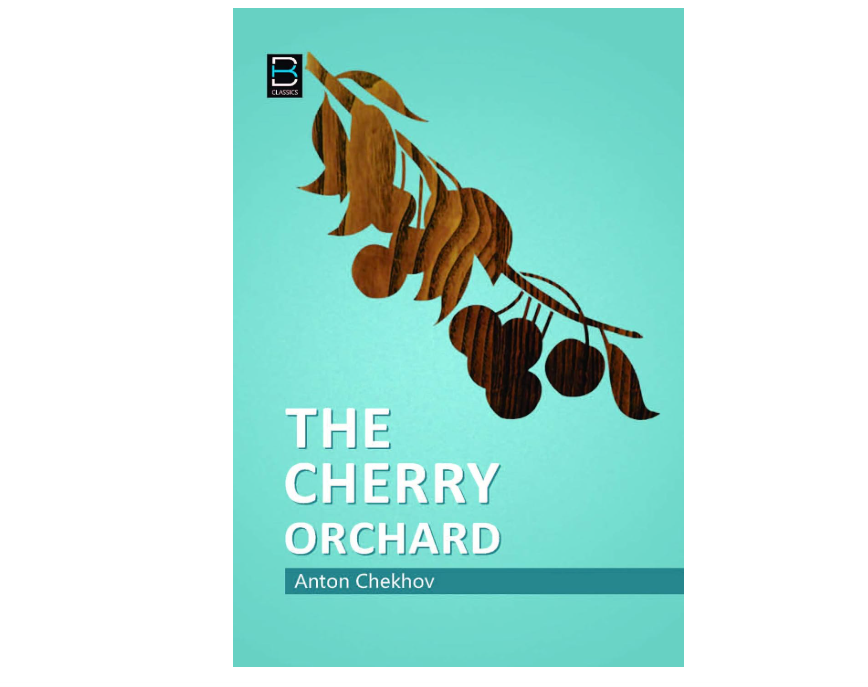
The Cherry Orchard entered American culture largely through theater. Productions introduced audiences to Chekhov’s subtle storytelling and emotional restraint. American readers and viewers connected with its themes of change, loss, and denial. The play’s quiet tension felt realistic and modern. Over decades, it remained part of American dramatic education. Its enduring presence reflects how Chekhov’s realism aligned with evolving American storytelling sensibilities.
Dead Souls by Nikolai Gogol
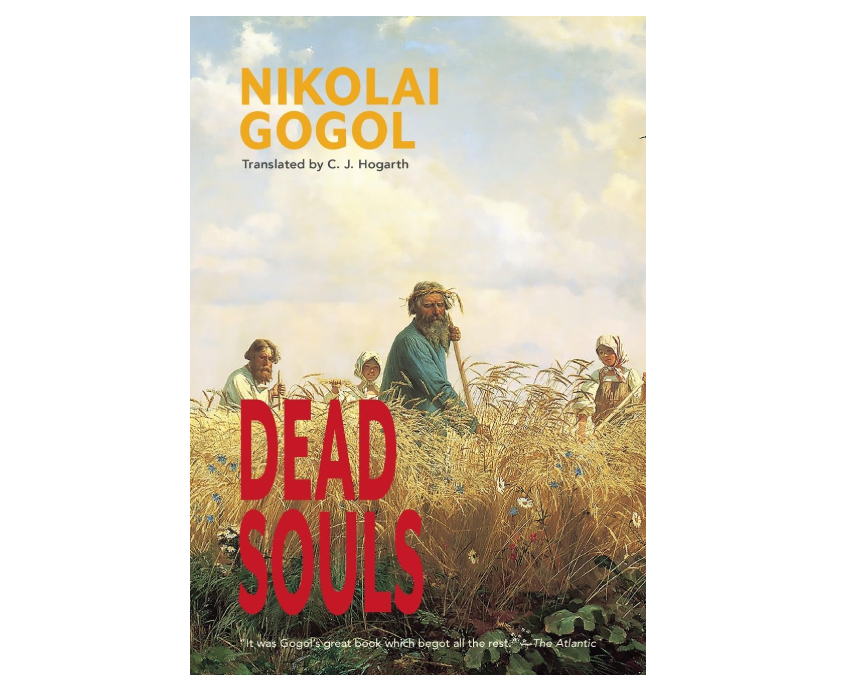
Dead Souls attracted American readers through satire and social observation. Early translations highlighted its critique of bureaucracy and moral emptiness. American audiences recognized parallels to their own institutions. The novel’s humor softened its critique while sharpening its insight. Over time, it remained a teaching text for understanding satire and social systems. Americans continued reading it for its wit and relevance.
A Hero of Our Time by Mikhail Lermontov
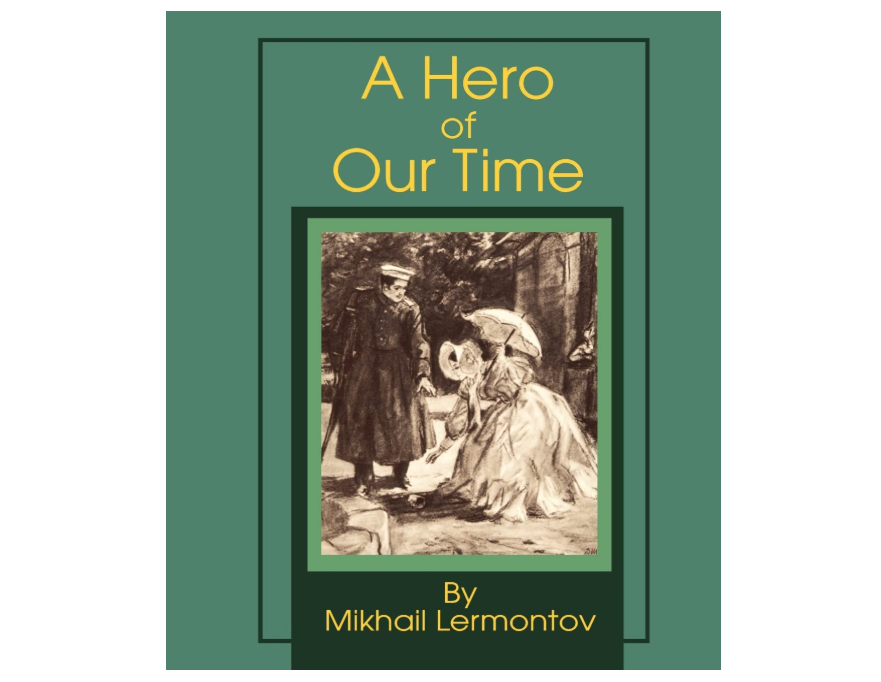
This novel reached American readers through its unconventional structure and complex protagonist. The emotionally detached main character fascinated readers interested in psychology and modern identity. Its fragmented narrative felt ahead of its time. American readers embraced it as an early exploration of existential themes. Over the years, it remained influential for its portrayal of restlessness and self examination.
Doctor Zhivago by Boris Pasternak
Doctor Zhivago entered American reading culture through both literature and film adaptation. Readers connected with its portrayal of personal life disrupted by historical forces. The novel’s emphasis on inner freedom resonated strongly. Americans viewed it as a story about preserving humanity amid upheaval. Its continued readership reflects interest in personal experience over political abstraction.
Russian books that endured in American reading culture did so because they addressed universal human concerns. These works survived changing tastes because they offered psychological depth rather than ideology. American readers returned to them for understanding, not novelty. Their continued presence reflects the power of literature to cross borders and time. These books remain relevant because the questions they ask remain unanswered.