
Russian literature is often associated with a distant past, yet many of its most famous works feel strikingly relevant to modern readers. These novels and stories explore anxiety, identity, power, morality, and social pressure in ways that mirror contemporary life. Despite being written decades or even centuries ago, their characters wrestle with issues that still define modern experience. For American readers, these works feel familiar not because of setting, but because of emotional truth. Their lasting power comes from psychological depth rather than historical context.
Crime and Punishment by Fyodor Dostoevsky
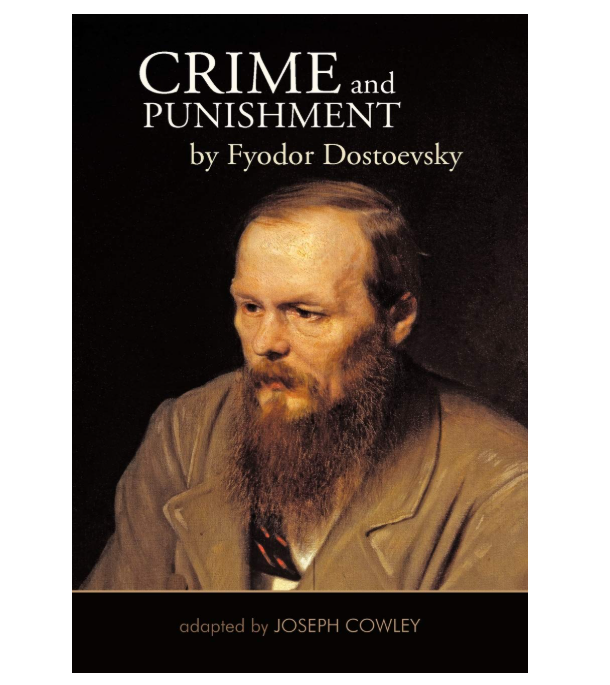
Crime and Punishment feels modern because it focuses intensely on guilt, justification, and internal collapse. The novel follows a man who believes intelligence gives him moral exemption, a mindset that still appears in modern debates about power and entitlement. The story unfolds almost entirely inside the character’s mind, mirroring contemporary interest in mental health and moral reasoning. Anxiety, paranoia, and self deception drive the plot. For modern readers, the psychological realism feels immediate and unsettling rather than historical.
The Brothers Karamazov by Fyodor Dostoevsky
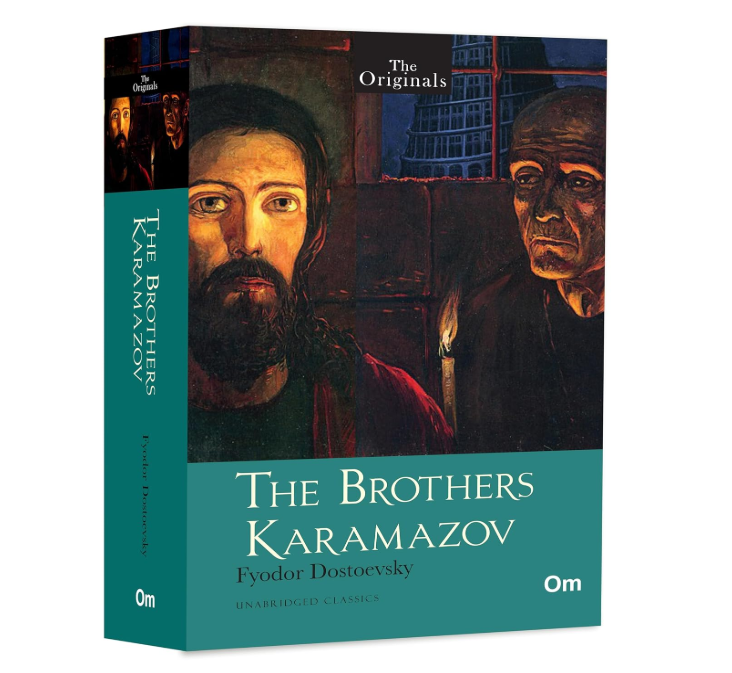
This novel feels modern through its exploration of belief, doubt, and moral responsibility. The characters argue about faith, reason, freedom, and justice in ways that resemble contemporary philosophical debates. Family conflict drives much of the tension, reflecting timeless struggles over loyalty and identity. The book refuses simple answers, instead presenting competing perspectives. Modern readers recognize the uncertainty and moral complexity that still defines public and private life today.
Anna Karenina by Leo Tolstoy
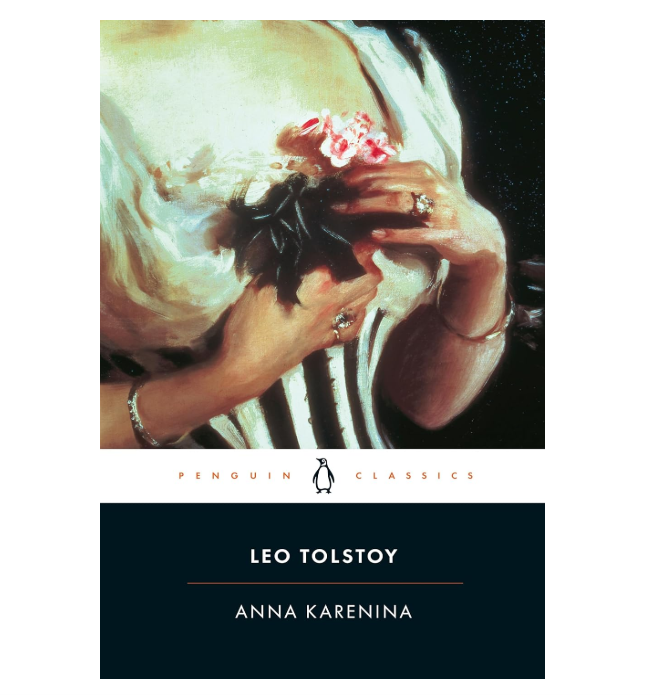
Anna Karenina feels modern because it examines social pressure, personal fulfillment, and public judgment. The novel explores how private choices are scrutinized by society, a theme familiar in the age of constant visibility. Characters struggle between duty and desire, stability and authenticity. Emotional isolation plays a central role. For modern readers, the social dynamics feel recognizable even as the setting remains historical. The psychological nuance makes the story feel contemporary.
War and Peace by Leo Tolstoy
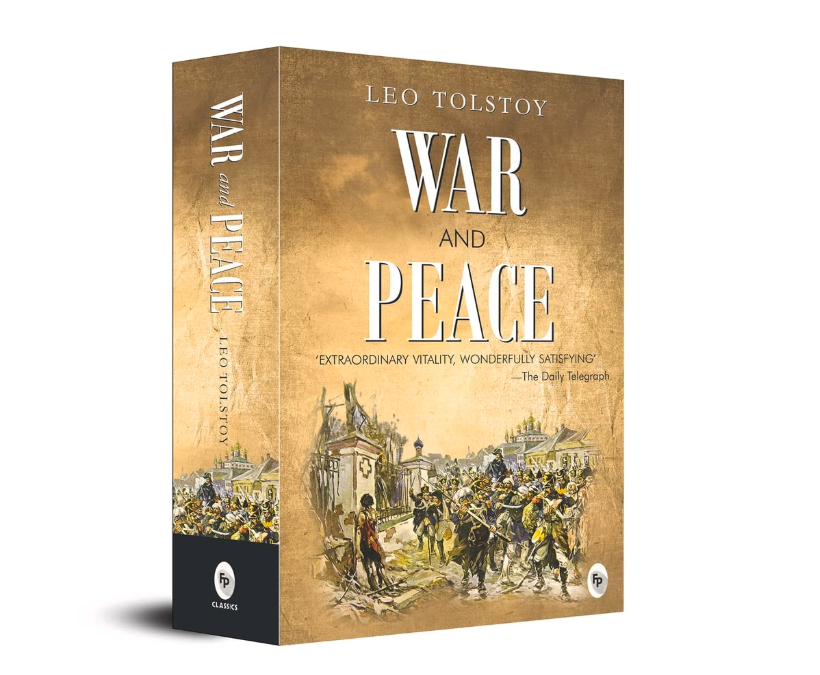
Despite its scale, War and Peace feels modern because it focuses on individual uncertainty within overwhelming systems. Characters navigate war, politics, and social expectation while searching for meaning. The novel questions the idea of control, suggesting that history is shaped by countless small actions rather than grand plans. This perspective resonates in a world shaped by complex systems. Readers recognize the tension between personal agency and larger forces.
Fathers and Sons by Ivan Turgenev
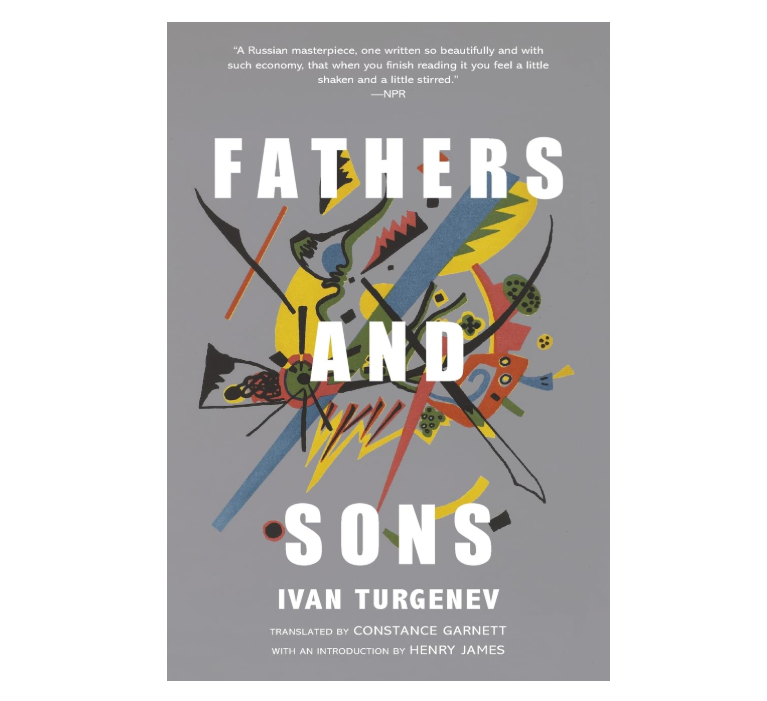
Fathers and Sons feels modern because it centers on generational conflict and ideological change. The novel portrays tension between tradition and emerging ideas, a dynamic familiar to contemporary readers. Characters struggle to understand one another across values and expectations. The story avoids clear winners, instead highlighting misunderstanding and emotional distance. Modern audiences recognize the cultural friction that arises when social change accelerates faster than personal relationships can adapt.
The Cherry Orchard by Anton Chekhov
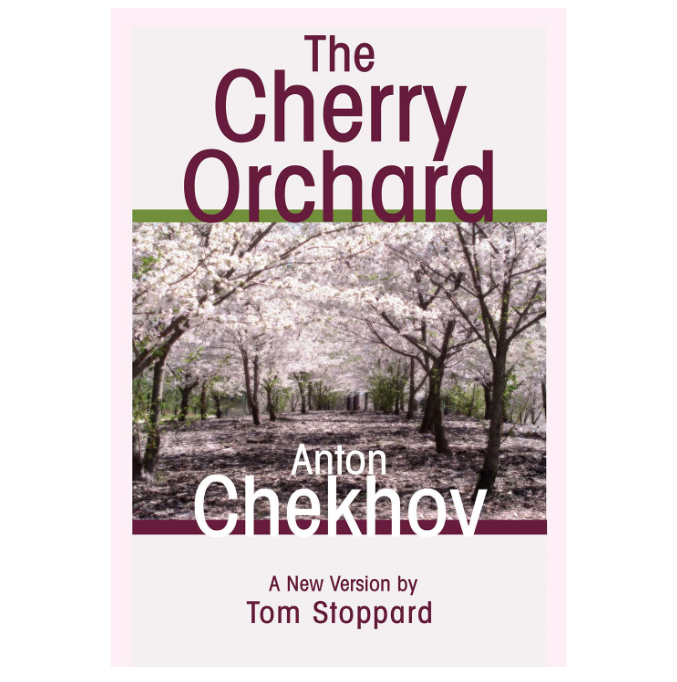
The Cherry Orchard feels modern in its portrayal of people unable to adapt to change. Characters sense that their world is shifting but remain emotionally stuck. Economic pressure, nostalgia, and denial shape their decisions. Chekhov focuses on subtle moments rather than dramatic events, mirroring modern storytelling styles. The play’s quiet tension reflects how people often respond to transformation not with action, but with avoidance and longing.
Notes from Underground by Fyodor Dostoevsky
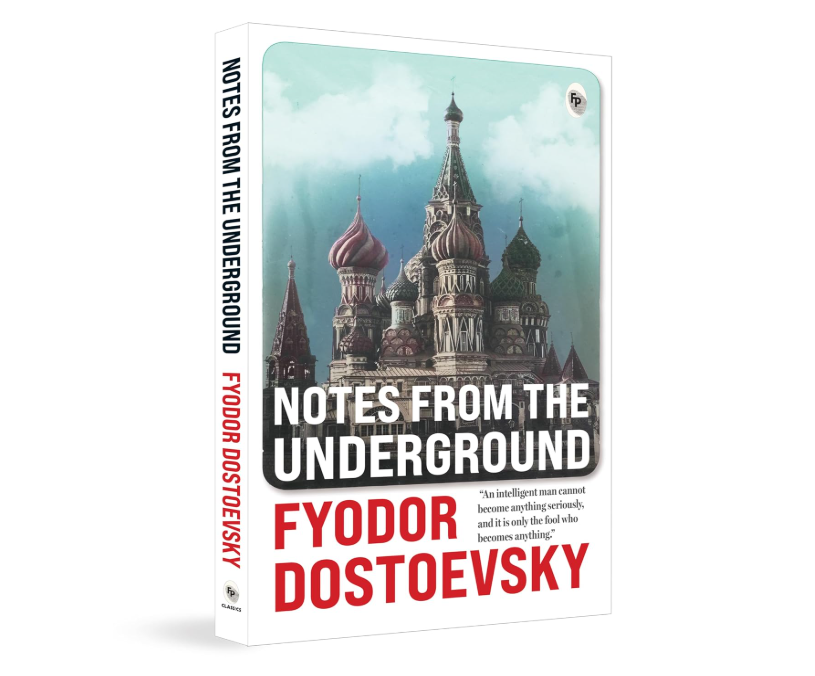
This short novel feels strikingly modern in its depiction of alienation and self sabotage. The narrator is hyper aware, resentful, and contradictory, traits that resonate with modern discussions of identity and isolation. The text explores how overthinking can paralyze action. Its fragmented, confessional style feels similar to modern inner monologue narratives. Readers recognize the voice of someone trapped in their own awareness.
Dead Souls by Nikolai Gogol
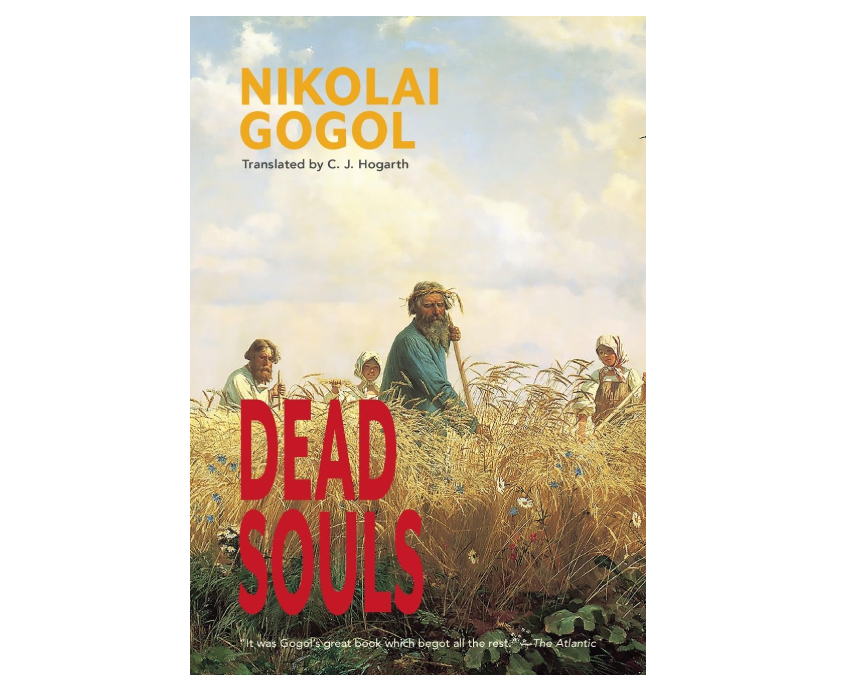
Dead Souls feels modern through its satire of bureaucracy and social performance. The novel exposes systems that reward appearances over substance. Characters manipulate rules for personal gain, a theme still relevant in contemporary institutions. Gogol’s exaggerated humor highlights absurdity without losing insight. Modern readers recognize the hollow rituals and transactional relationships that continue to shape organized society.
A Hero of Our Time by Mikhail Lermontov
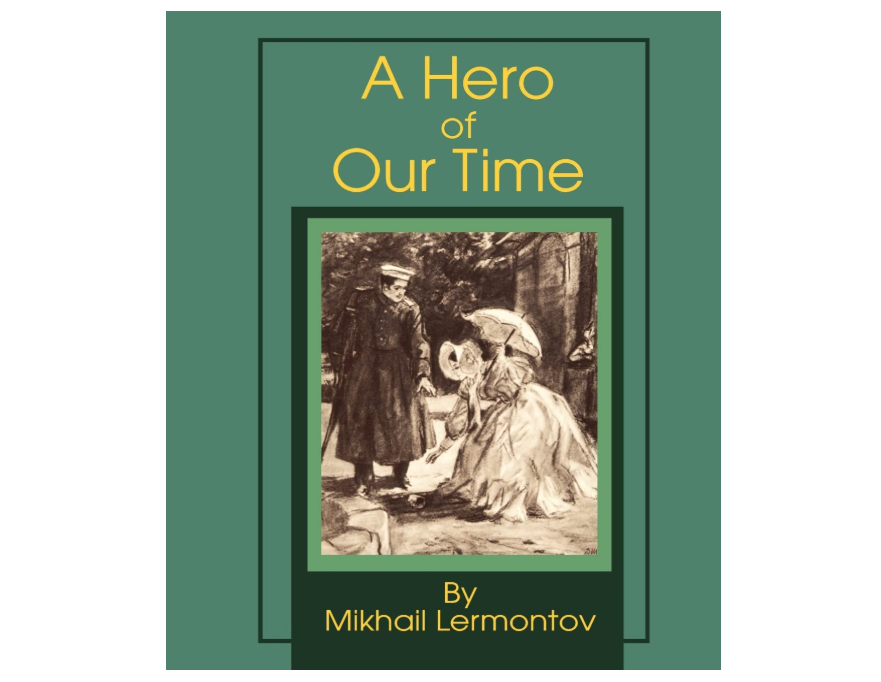
This novel feels modern because it presents an emotionally detached protagonist who struggles with meaning. The character’s restlessness, boredom, and self awareness resemble modern existential themes. The fragmented narrative structure also feels contemporary. Readers encounter a character who is neither heroic nor villainous, but emotionally adrift. The story captures the discomfort of having freedom without direction.
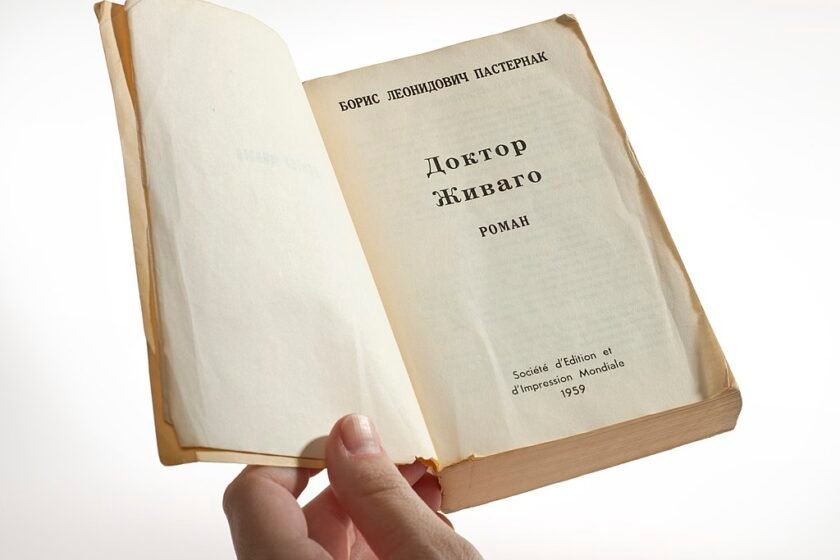
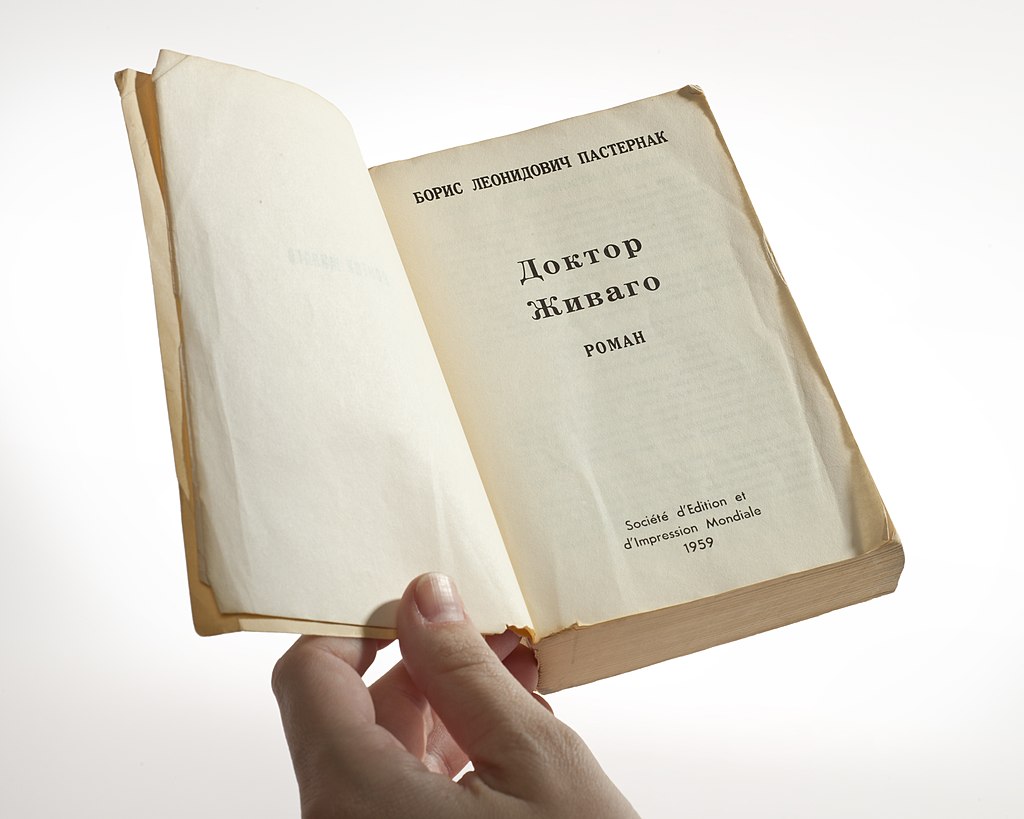
Doctor Zhivago by Boris Pasternak
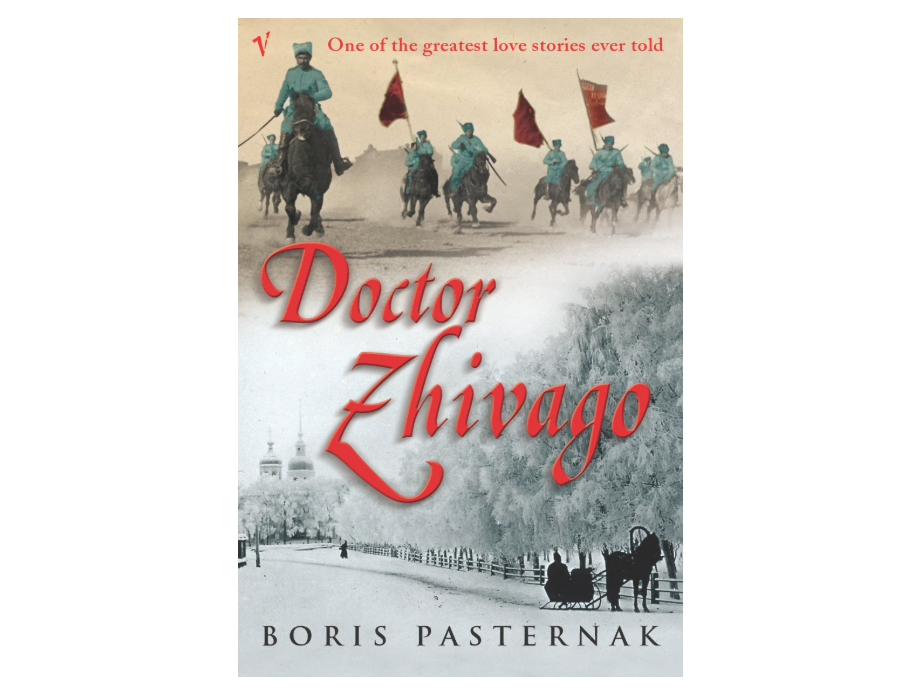
Doctor Zhivago feels modern in its focus on personal life disrupted by political forces. The novel explores how historical upheaval affects intimacy, creativity, and moral choice. Characters attempt to preserve inner life amid external pressure. This tension between personal meaning and public reality resonates strongly today. The emotional center of the novel feels timeless rather than ideological.
Russian literary classics continue to feel modern because they focus on inner life rather than period detail. Their characters face uncertainty, moral tension, and emotional conflict that remain deeply familiar. For American readers, these works offer insight into human behavior rather than distant history. Their relevance lies in psychology, not geography. These stories endure because the questions they ask have not been resolved by time.