


Everyday life in 1950s America was shaped by informal rules that emphasized responsibility, restraint, and social awareness. While the era had clear limitations and exclusions, many daily habits were practical responses to shared spaces and limited resources. These rules were not about control, but about predictability and mutual respect. In a modern world filled with speed and constant stimulation, some of these simple expectations feel unexpectedly relevant. Stripped of nostalgia, these habits offer insight into how small behavioral norms once helped everyday life run more smoothly.
Making Plans Without Too Much Rigidity

In the 1950s, leaving home usually meant knowing where you were going and when you would return. There were no instant updates or constant contact. This rule encouraged awareness, responsibility, and consideration for others. People organized errands and visits efficiently. Today, constant flexibility often creates chaos rather than freedom. Planning ahead reduces stress and unnecessary backtracking. This habit supports clarity and accountability, making daily life calmer. A basic plan creates structure without rigidity, something modern schedules often lack.
Speaking Directly Instead of Indirectly

Social norms in the 1950s favored direct communication, especially for everyday matters. People stated needs and expectations clearly to avoid confusion. Indirect hints were less common in routine interactions. Today, avoidance and ambiguity often create misunderstanding. Clear communication saves time and emotional energy. Being direct does not require harshness. It reduces friction and builds trust. This rule supports smoother relationships at work and home, proving its value has not faded.
Keeping Public Behavior Considerate
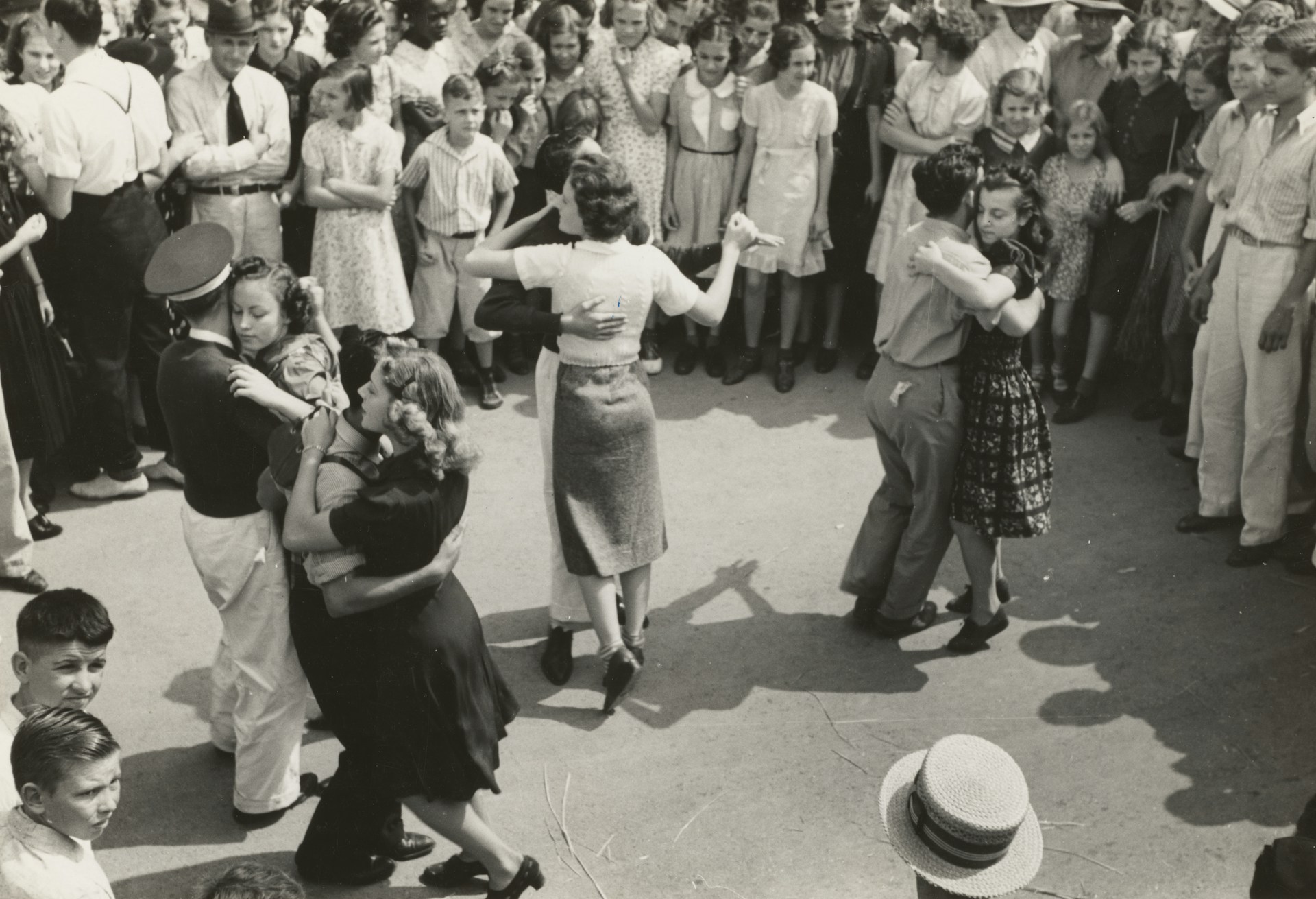
Public spaces in the 1950s carried shared expectations. Loud behavior, personal disputes, or excessive disruption were discouraged. This norm helped spaces feel orderly and welcoming. Today, constant noise and distraction often overwhelm shared environments. Practicing basic consideration improves collective comfort. Small actions like lowering volume or giving space make public life easier. This rule respects the idea that shared spaces belong to everyone, not just individuals.
Handling Small Problems Independently

People in the 1950s were expected to manage minor inconveniences without external intervention. Small conflicts, delays, or mistakes were handled calmly. This built resilience and patience. Today, many small issues escalate quickly due to stress or reliance on systems. Handling minor problems independently builds confidence and reduces emotional reactivity. This habit supports emotional regulation and practical problem solving in daily life.
Respecting Other People’s Time

Punctuality and follow through were taken seriously. Being late or canceling casually was considered disrespectful. This rule helped schedules align and relationships function smoothly. Today, constant availability often leads to blurred boundaries. Respecting time restores reliability and trust. Showing up when expected reduces frustration. This habit reinforces mutual respect and accountability in both personal and professional settings.
Keeping Personal Matters Private
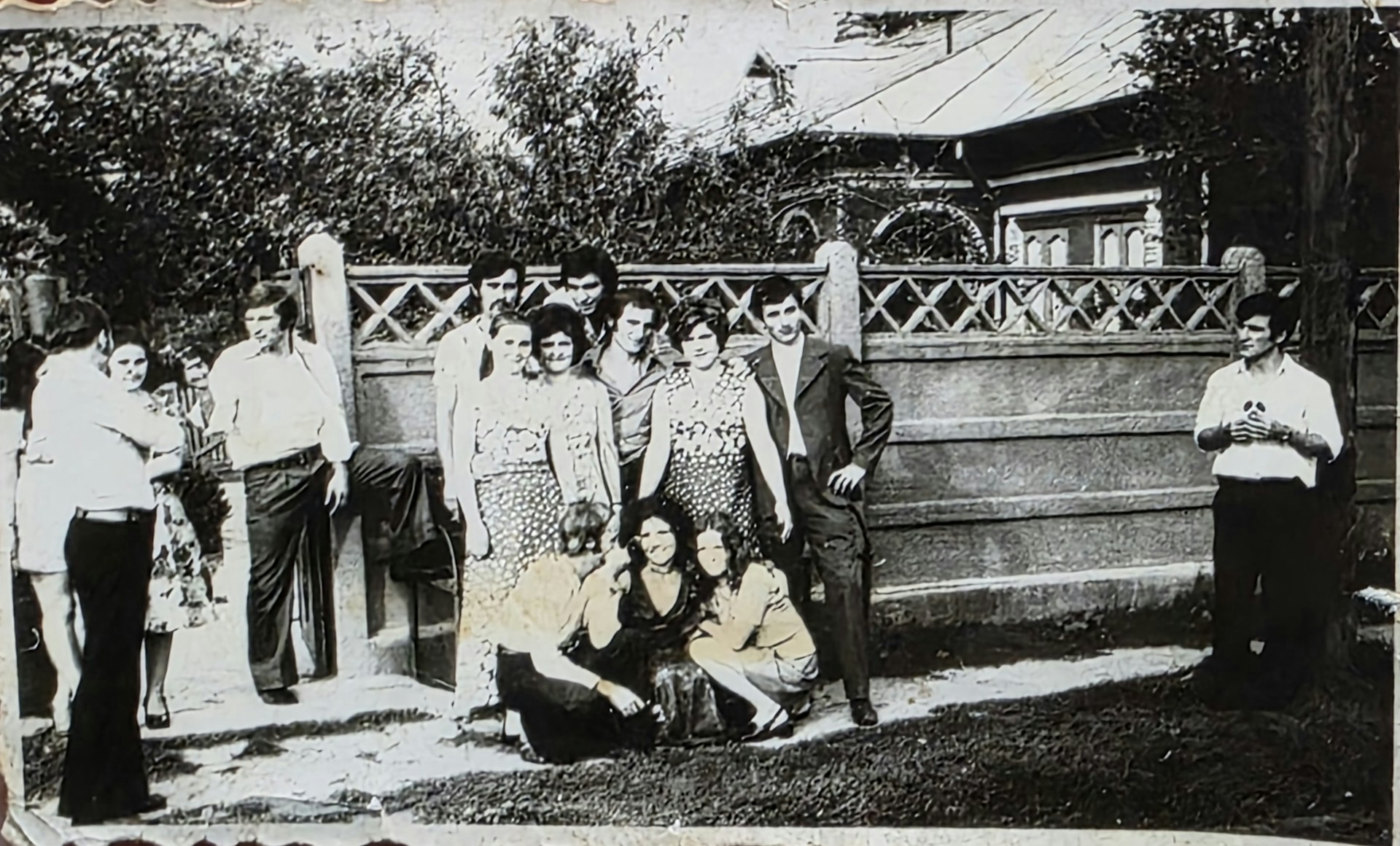
In the 1950s, personal struggles were generally kept within close circles. Privacy was valued as a form of dignity. Today, oversharing is common and often encouraged. Maintaining privacy protects emotional boundaries. It allows reflection before reaction. This rule supports emotional health by reducing unnecessary exposure. Not every experience needs public processing. Privacy can be stabilizing rather than isolating.
Simple, Predictable Daily Routines
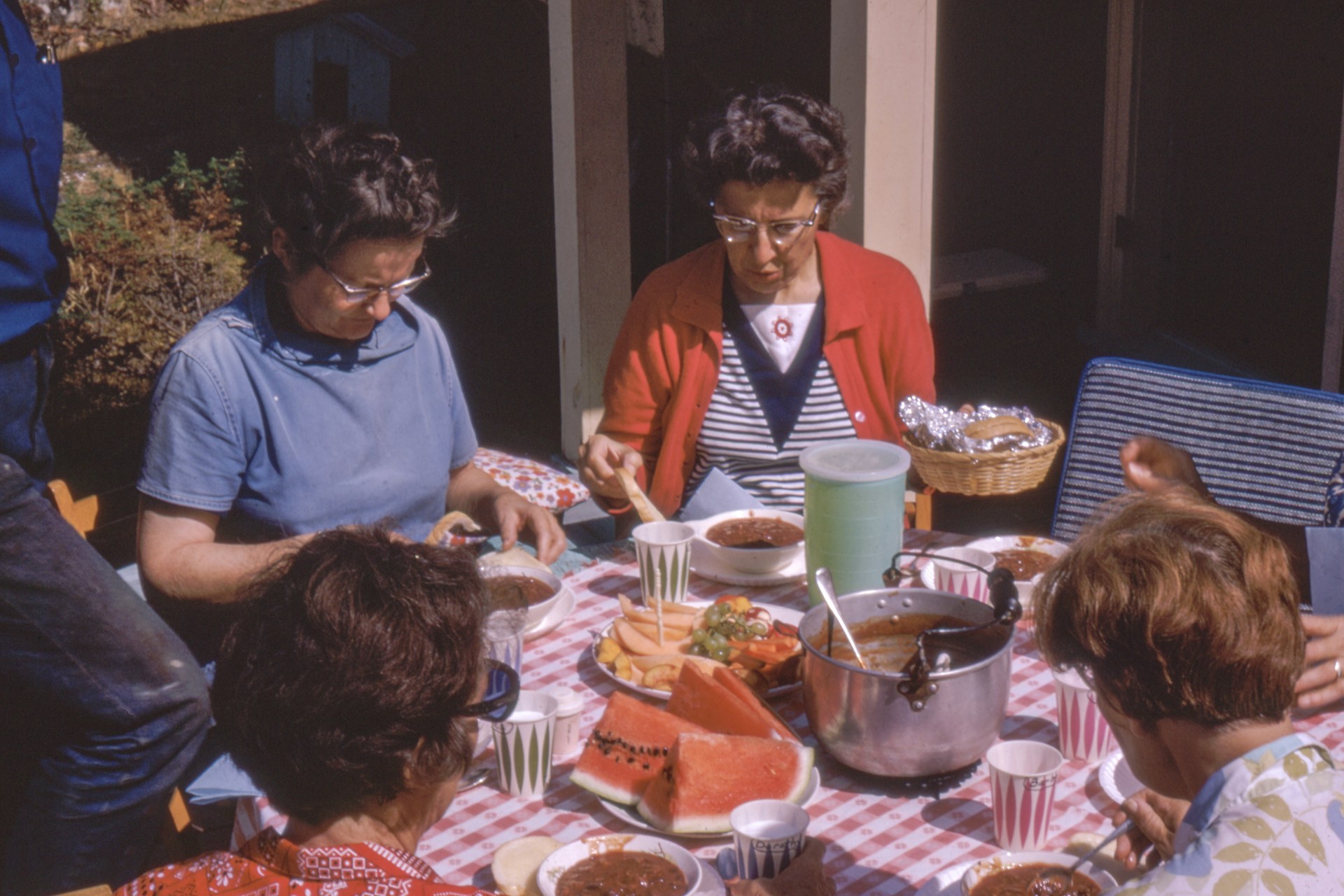
Daily life followed predictable rhythms. Meals, work, and rest occurred at regular times. This created stability and reduced decision fatigue. Modern life often lacks rhythm, leading to burnout. Simple routines support mental clarity and physical well being. They provide grounding without restricting flexibility. This habit remains effective because humans still benefit from predictable structure.
Taking Responsibility for Shared Spaces
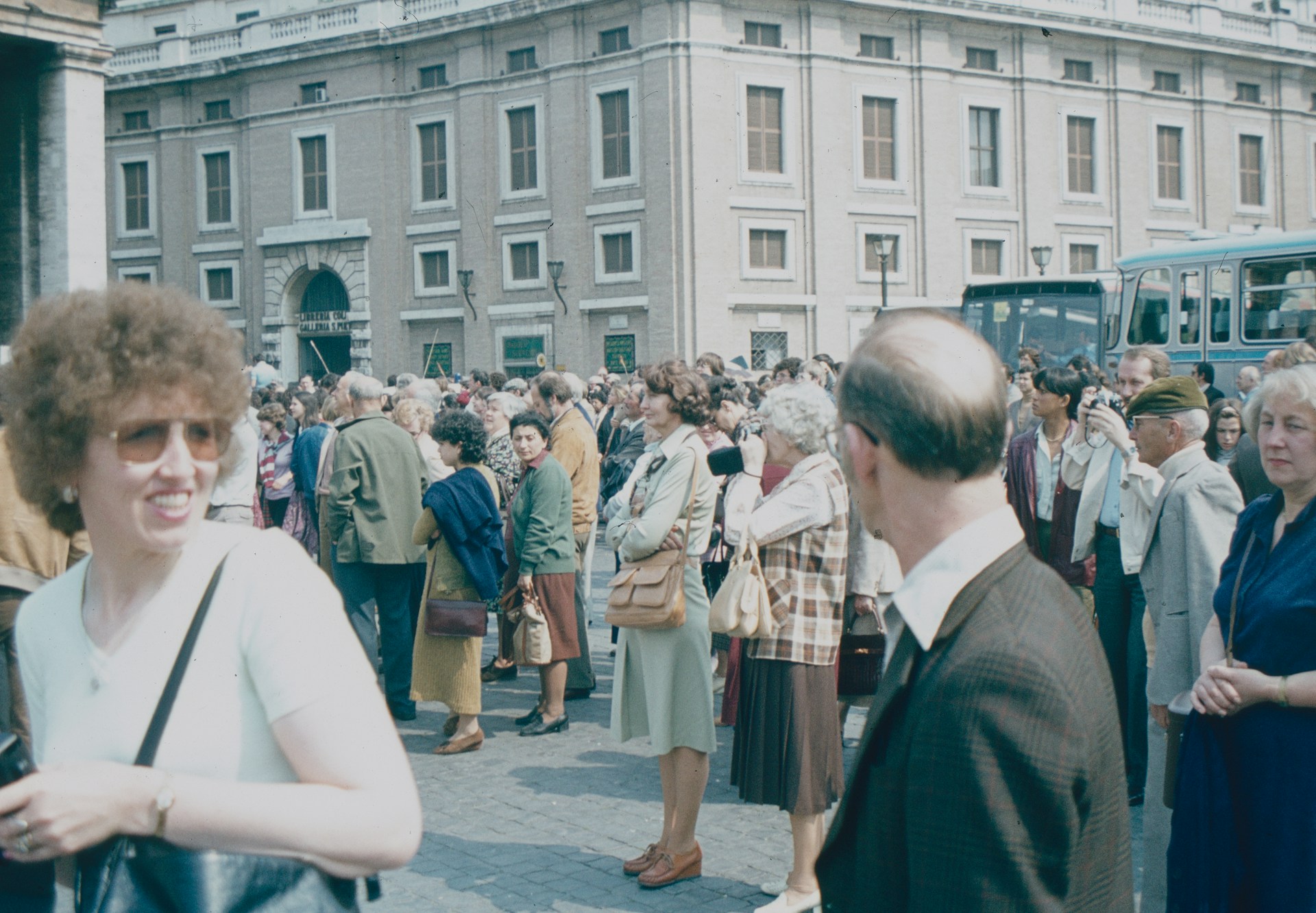
Homes, neighborhoods, and workplaces were treated as collective environments. Individuals were expected to clean up after themselves and contribute to order. This reduced conflict and promoted pride. Today, shared responsibility often erodes under individualism. Reintroducing this rule improves cooperation and reduces resentment. Caring for shared spaces strengthens community and accountability.
These everyday rules worked not because the past was ideal, but because they addressed basic human needs. Predictability, respect, and responsibility still matter. Modern life has changed tools, but not human psychology. Revisiting these habits offers practical insight rather than nostalgia. Small behavioral expectations can still create calmer, more functional daily life. The value lies in simplicity, not era.