
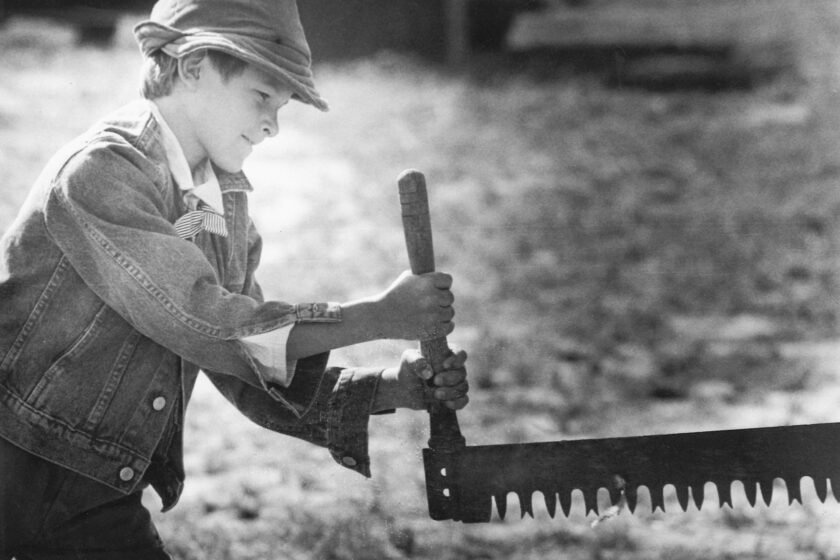
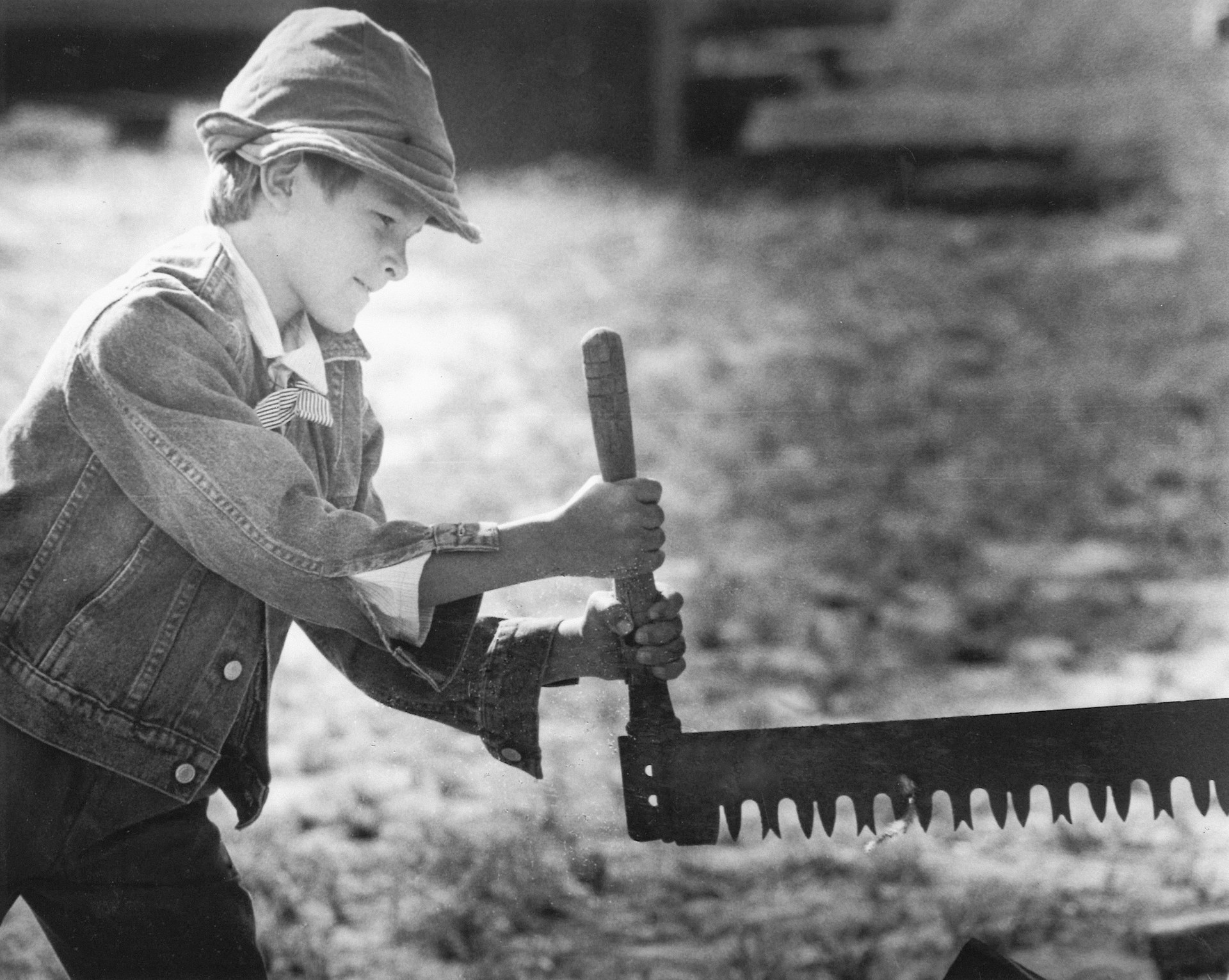
Childhood in mid twentieth century America operated with a level of freedom that feels unfamiliar today. Many Baby Boomers grew up with minimal supervision, loose schedules, and strong expectations of self reliance. These activities were ordinary and socially accepted, not considered dangerous by the standards of the time. Since then, safety guidelines, liability concerns, and cultural norms have reshaped how childhood is structured. What once built confidence and independence is now often viewed as unnecessary risk. These activities reveal how ideas about protection, responsibility, and childhood itself have shifted over time.
Roaming the Neighborhood All Day (Without Check Ins)
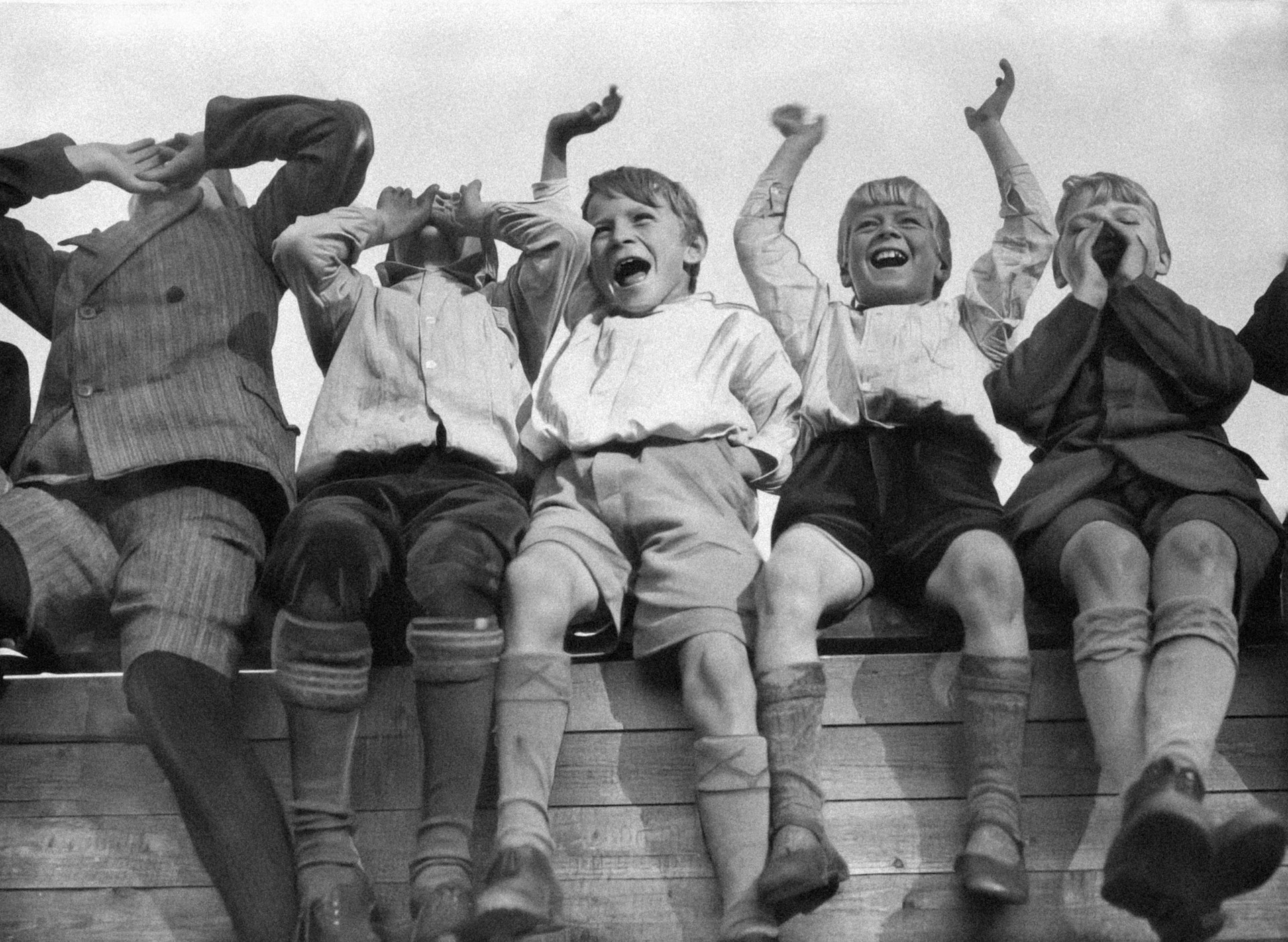
Boomer childhood often meant leaving home in the morning and returning hours later without contacting parents. Children were expected to manage hunger, boredom, and small problems on their own. Today, constant communication and location awareness are considered essential. Unsupervised roaming now raises safety and accountability concerns. While this freedom once built confidence and decision making skills, modern parenting prioritizes visibility and responsiveness. The same behavior that once symbolized independence would now likely be restricted or questioned in many American neighborhoods.
Walking to School Alone

Many Boomers walked to school alone or with friends starting in early elementary years. This daily routine built navigation skills, awareness, and responsibility. Today, changing traffic patterns, safety concerns, and social expectations have altered that norm. Schools and communities often discourage unsupervised walking for younger children. What was once a standard part of growing up is now carefully regulated. The activity itself remains simple, but tolerance for risk has narrowed significantly over time.
Playing in Empty Lots or Construction Areas
Empty lots, wooded areas, and construction sites were common play spaces for Boomers. Children explored freely, invented games, and tested physical limits. These environments were unsupervised and unpredictable. Today, such spaces are restricted due to safety laws and liability concerns. Access would be blocked or closely monitored. While this play once encouraged creativity and resilience, modern standards favor controlled environments. What was once exploration would now be considered exposure to unacceptable hazards.
Riding Bikes Without Helmets or Protective Gear

Boomers commonly rode bicycles without helmets, pads, or adult supervision. Falls and scrapes were accepted as part of learning balance and coordination. Today, helmet use is strongly encouraged or legally required in many areas. Injury prevention standards have reshaped expectations around acceptable risk. Riding without protection would now draw concern or intervention. The activity remains common, but the rules around it reflect a modern emphasis on reducing preventable injury.
Staying Home Alone for Long Periods
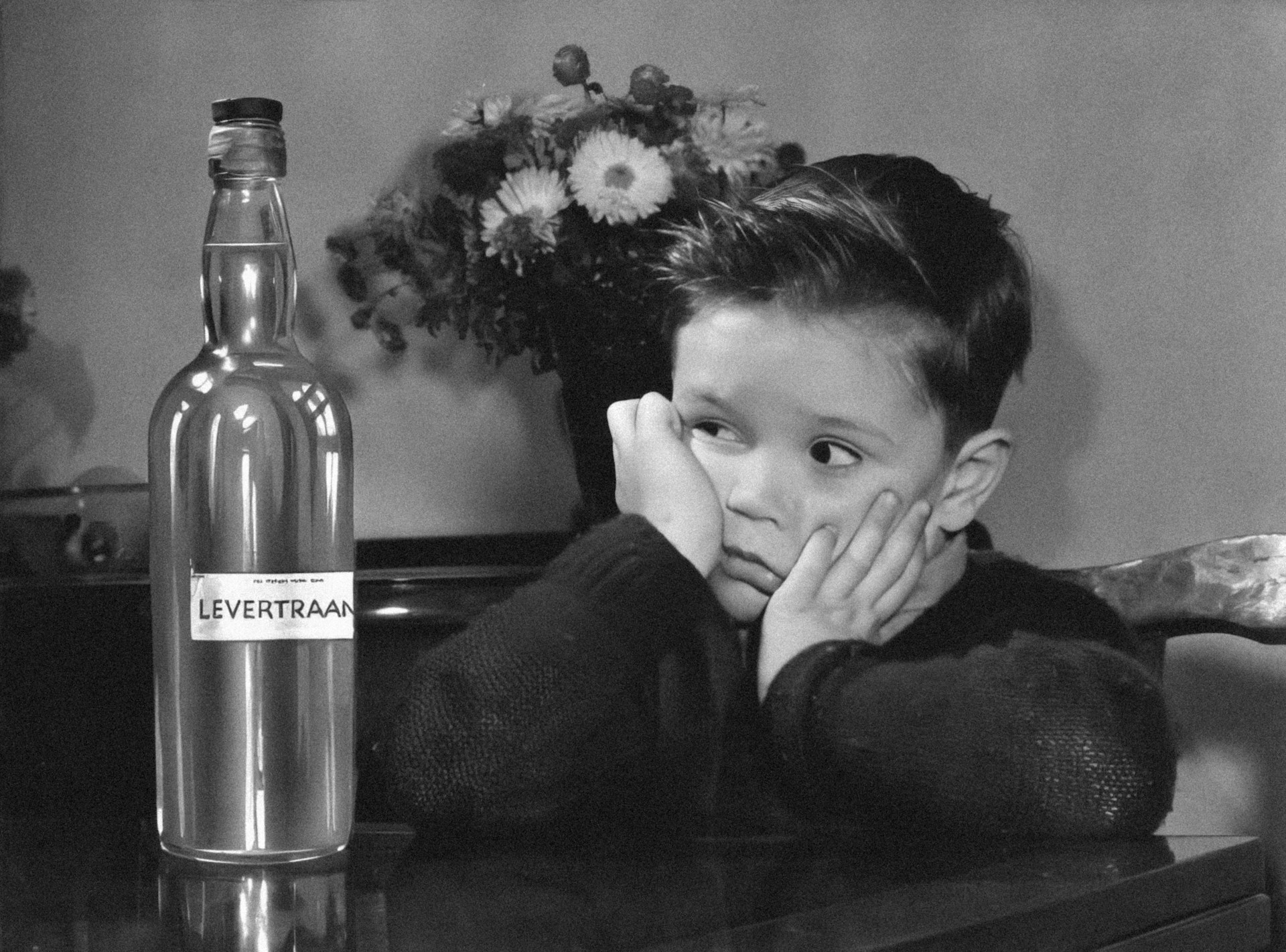
Many Boomers stayed home alone after school or during school breaks for several hours. Parents trusted children to follow rules and manage themselves responsibly. Today, laws and social norms vary, but extended unsupervised time often raises concern. Increased awareness of potential risks has narrowed acceptable age ranges. What was once routine independence is now carefully regulated. The shift reflects evolving ideas about supervision and protection rather than a lack of trust in children.
Playing Outside Until Dark Without Supervision
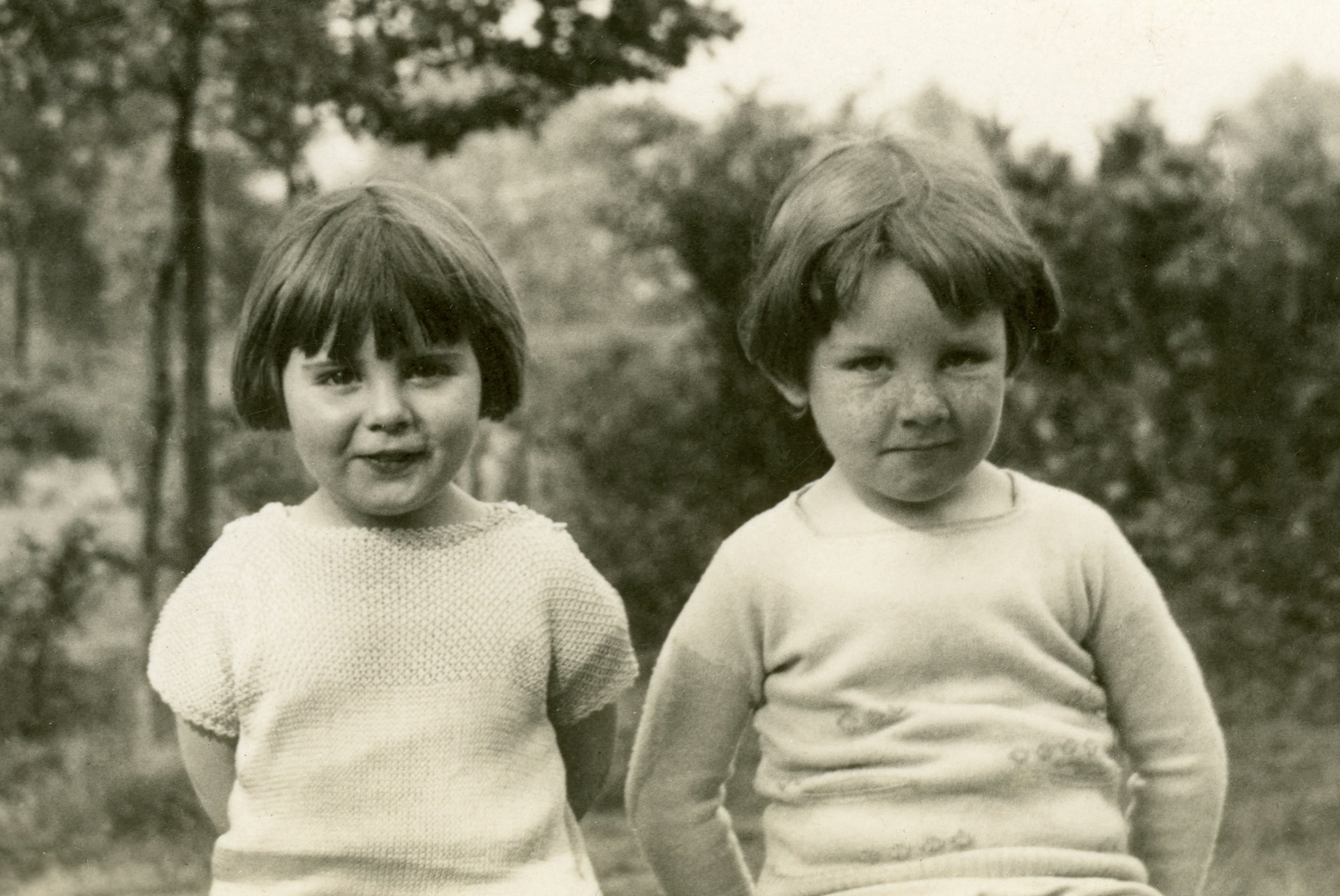
Boomer childhood often involved playing outdoors until streetlights came on. Time was loosely managed, and children were trusted to return home on their own. Today, structured schedules, curfews, and communication devices limit that freedom. Extended unsupervised outdoor play can raise safety concerns. While outdoor play is still encouraged, expectations around oversight have changed. Independence has been replaced by predictability and monitoring, altering how children experience freedom and responsibility.
Handling Minor Injuries Without Immediate Medical Care
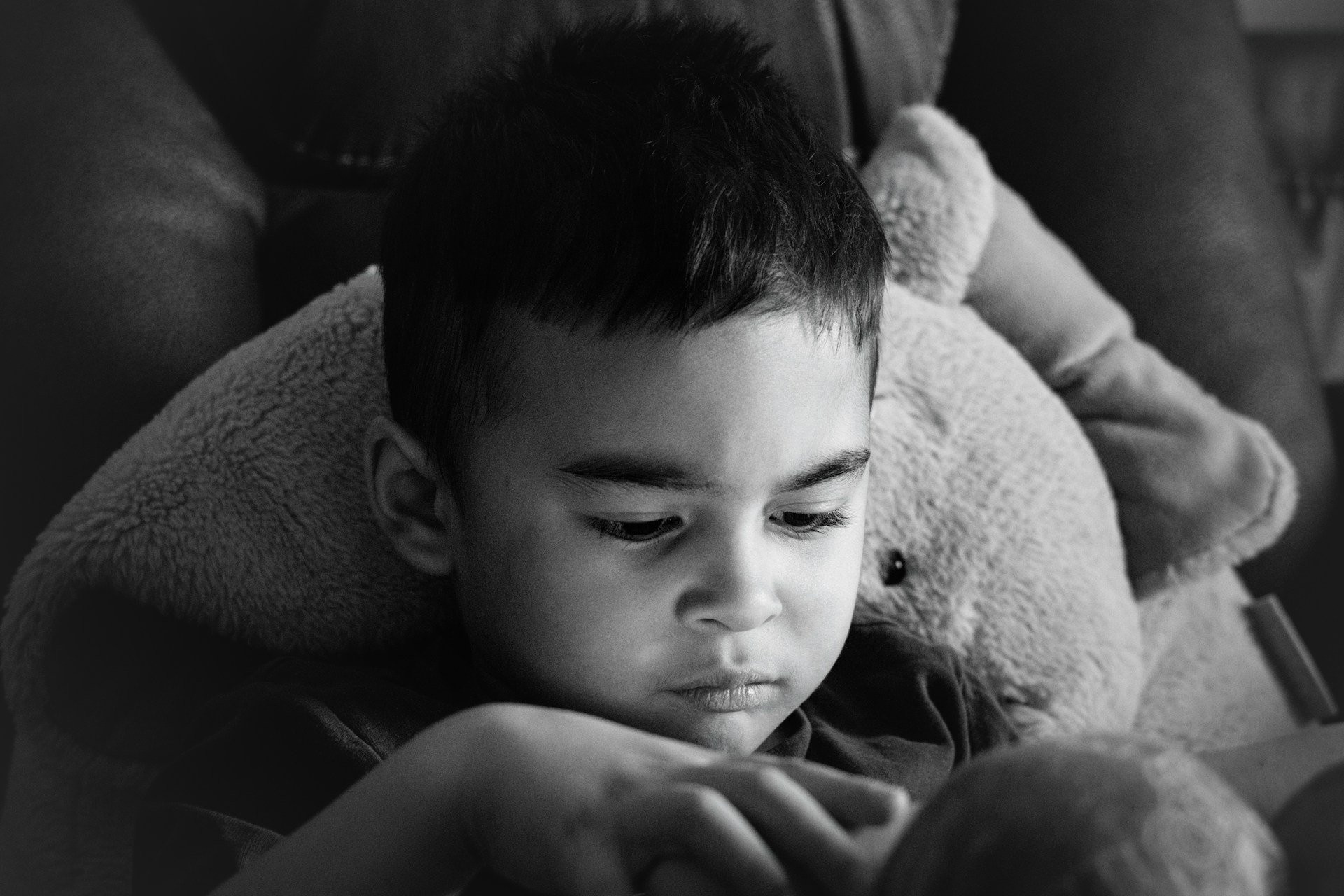
Scrapes, cuts, and bruises were commonly treated at home with little concern. Boomers learned to assess pain and recover independently. Today, parents respond more quickly with medical attention due to increased awareness of complications. While safety outcomes have improved, tolerance for discomfort has decreased. What once built resilience would now be monitored more closely. This change reflects evolving standards of care rather than increased fragility.
Using Public Transportation Alone as Children
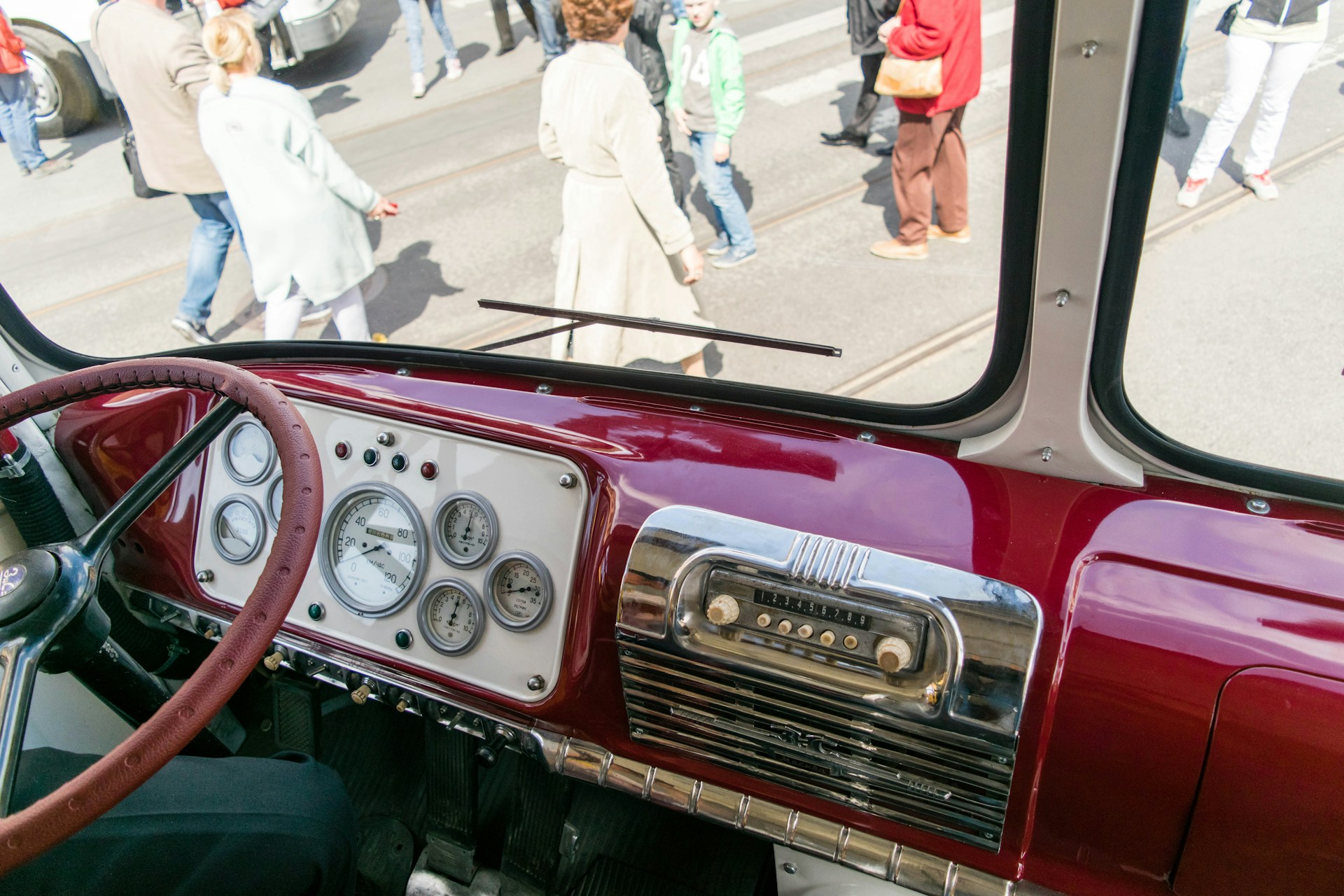
Boomers frequently used buses or trains independently for school, errands, or visits. This built confidence, time awareness, and navigation skills. Today, children traveling alone on public transportation is less common and often discouraged. Safety concerns and parental oversight expectations have increased. While the skill remains valuable, opportunities to practice it early have diminished. The environment changed more than the ability itself.
Making Toys From Household or Scrap Materials
Many Boomers created toys from household items, wood scraps, or discarded materials. This encouraged imagination and problem solving but involved risk. Today, safety standards restrict exposure to sharp or unstable objects. Improvised play would likely be supervised or discouraged. The balance between creativity and safety has shifted toward regulation, reducing opportunities for unstructured experimentation that once defined everyday play.
Settling Peer Conflicts Without Adult Intervention
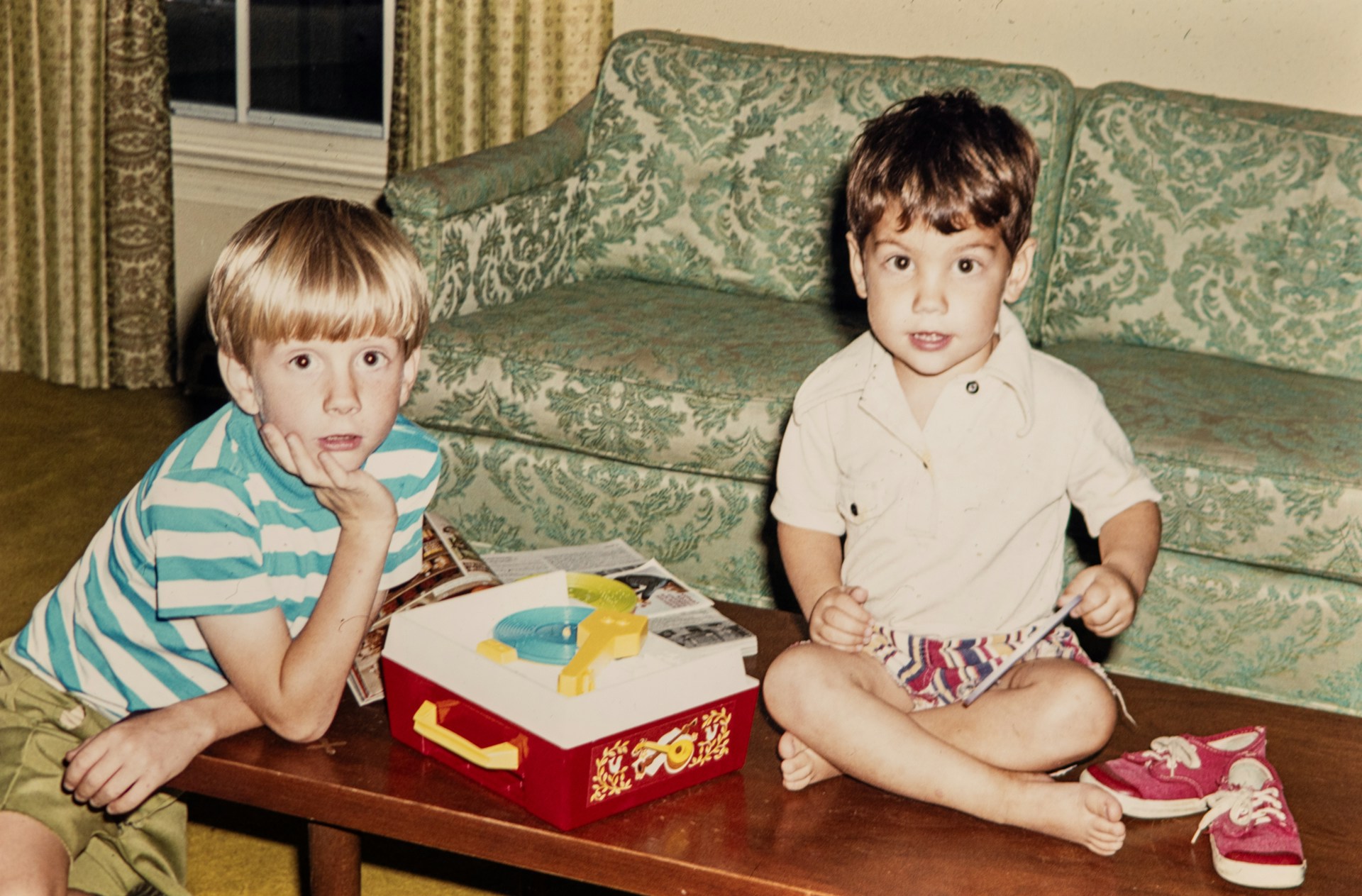
Boomers were often expected to resolve minor disputes among themselves. This taught negotiation, emotional regulation, and accountability. Today, adults intervene more quickly to prevent escalation. While guidance can be helpful, constant intervention limits independent problem solving. The expectation of self management has been reduced in favor of structured oversight. Conflict resolution is still valued, but the process is now more closely managed.
These childhood activities reflect a different balance between freedom and protection. They were not inherently better, but they shaped independence through experience. Modern restrictions reflect new priorities, systems, and expectations. Understanding this shift helps explain why Boomer childhood memories often feel foreign today. The change is less about loss and more about evolving definitions of safety, responsibility, and trust.