
The idea that a major American airport could vanish overnight sounds exaggerated until you realize it actually happened in Chicago. You are not talking about a forgotten airstrip or a rural landing field, but a fully operational airport sitting just minutes from downtown skyscrapers. For decades, Merrill C. Meigs Field served business travelers, private pilots, medical flights, and visitors who wanted unmatched access to the city center. You could land, taxi, and be downtown faster than from any major airport. That convenience made Meigs valuable, visible, and politically complicated. In March 2003, while most of the city slept, heavy equipment rolled onto the runway and carved massive trenches across it. By sunrise, the airport was unusable. No public vote. No advance notice. Pilots arrived expecting to fly and found their planes stranded. You still hear people talk about Meigs because it challenged the assumption that public infrastructure disappears slowly. In this case, it disappeared in hours.
1. Meigs Field Was Built for Access, Not Scale
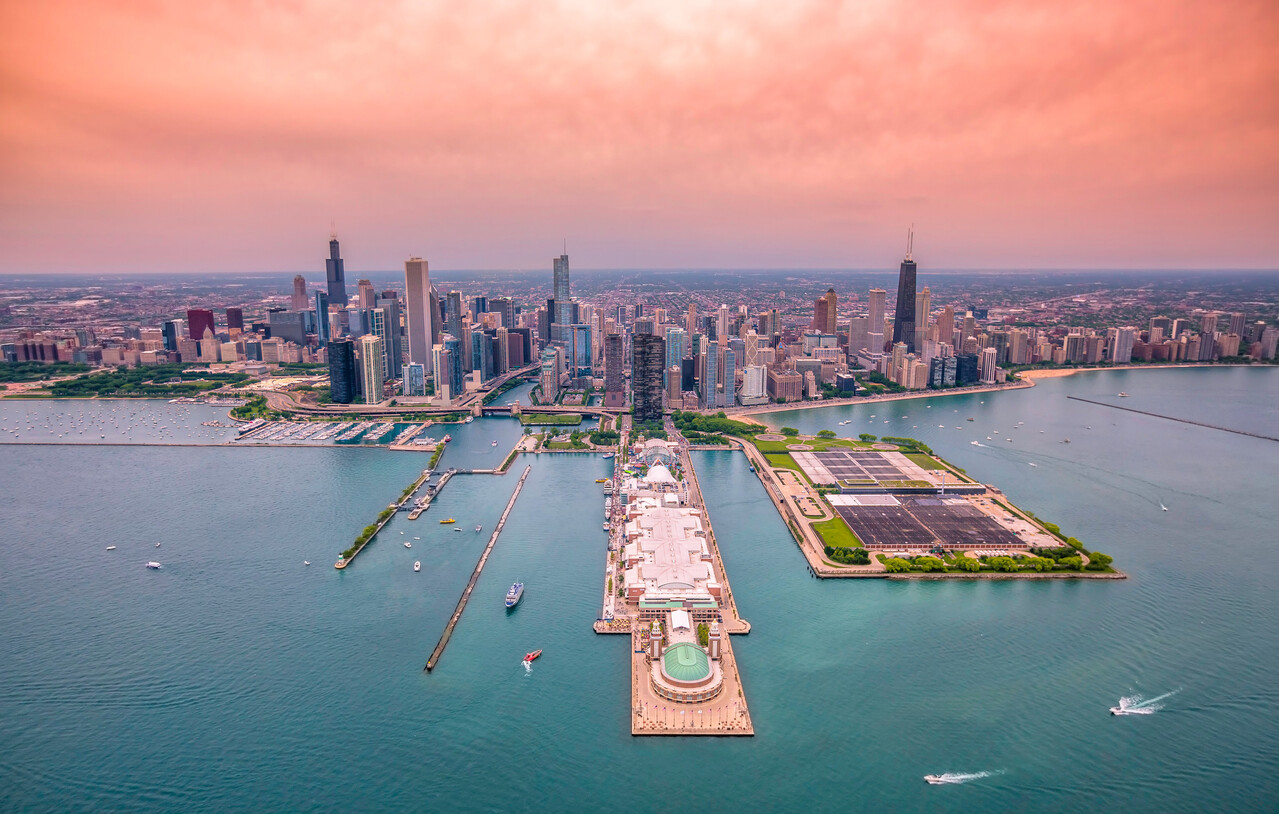
You have to understand what Meigs Field was meant to be. It was never designed to compete with O’Hare or Midway. It existed for access. Opened in 1948 on Northerly Island, the airport offered a single runway extending into Lake Michigan, placing you closer to downtown Chicago than any other airport in the region. Business travelers used it to avoid long commutes. Medical flights relied on it for speed. General aviation pilots valued it because you could land near cultural landmarks and financial centers without navigating crowded commercial hubs. Over time, Meigs became one of the busiest single runway general aviation airports in the country. Its small size worked in its favor. You could arrive, depart, and move efficiently. That same proximity to downtown, however, made it a constant target in city planning debates about lakefront use.
2. The Political Tension That Never Went Away
If you followed Chicago politics even casually, you would have noticed Meigs Field was controversial long before it closed. City leaders repeatedly argued that the lakefront should prioritize parks, public access, and open space. Aviation advocates pushed back, pointing out that Meigs served public safety, emergency services, and regional business needs. You had lawsuits, temporary closures, and reopening agreements over the years. Each side believed it was protecting the public interest. By the early 2000s, the tension had hardened. Mayor Richard M. Daley made no secret of his desire to remove the airport permanently. What surprised people was not that Meigs closed, but how it closed. The speed and secrecy turned a policy disagreement into a national aviation controversy.
3. The Night the Runway Was Destroyed

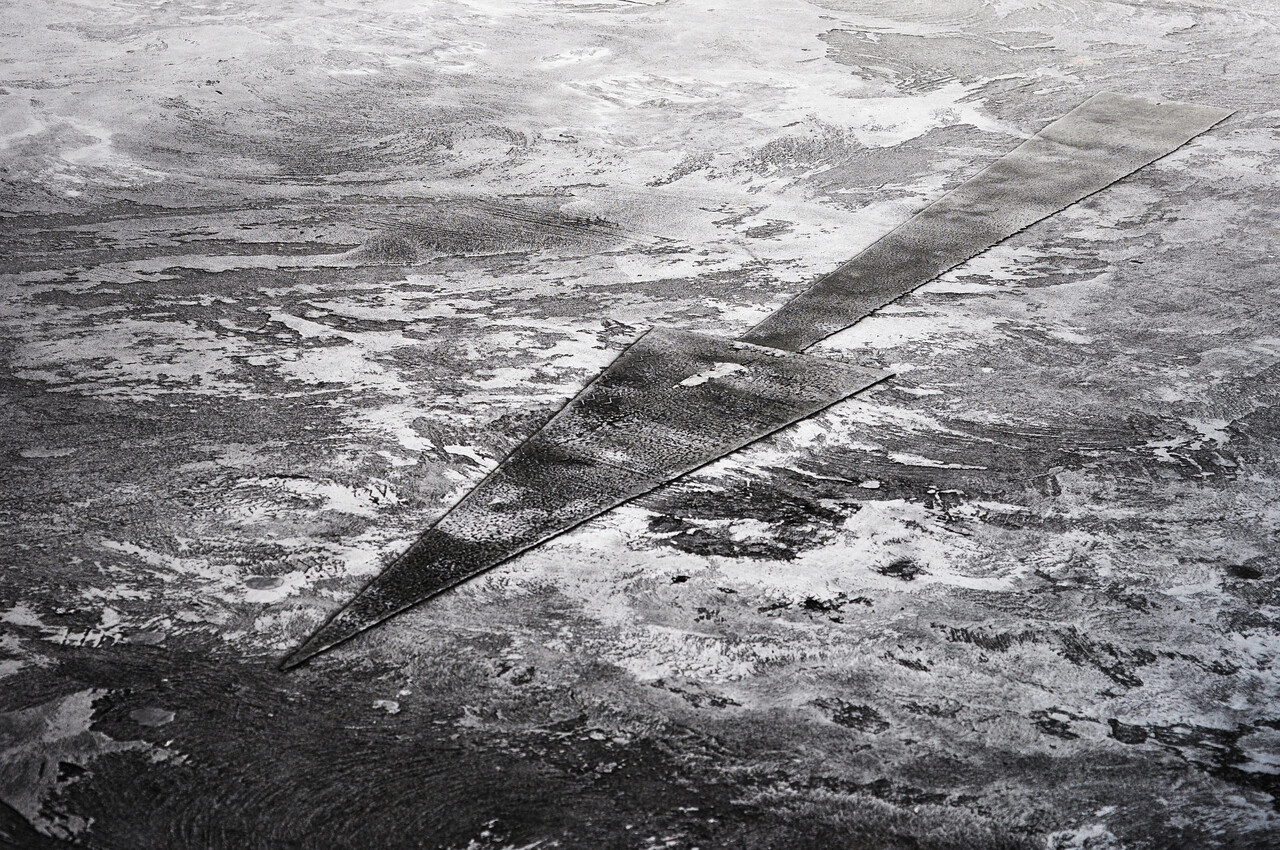
On the night of March 30, 2003, you would not have seen a press conference or warning notices. Instead, city crews arrived quietly with bulldozers and construction equipment. They carved large X-shaped trenches into the runway, a recognized method to instantly disable an airfield. By the time pilots and airport staff learned what happened, the runway was unusable. Several aircraft were trapped on the field and later allowed to leave only by taxiing off. You should understand how unusual this was. Federal aviation rules normally require advance notice and coordination before closing a public airport. In this case, the Federal Aviation Administration learned after the fact. The city justified the move as an emergency security action in a post-9/11 environment. Critics called it a deliberate end run around federal oversight.
4. Why Security Claims Raised Questions
You may wonder why security became the justification. City officials argued that a small airport so close to downtown posed a risk, especially with heightened concerns after the September 11 attacks. That explanation resonated with some residents but raised questions among aviation experts. General aviation aircraft operating from Meigs were small, regulated, and limited in range and payload. Pilots were vetted, flight plans were monitored, and the airport had a long safety record. Critics argued that the security rationale appeared suddenly after years of political disagreement over land use. When you look back, the security argument became less about immediate threat and more about providing legal cover for a long-desired closure.
5. The FAA Response and Legal Fallout
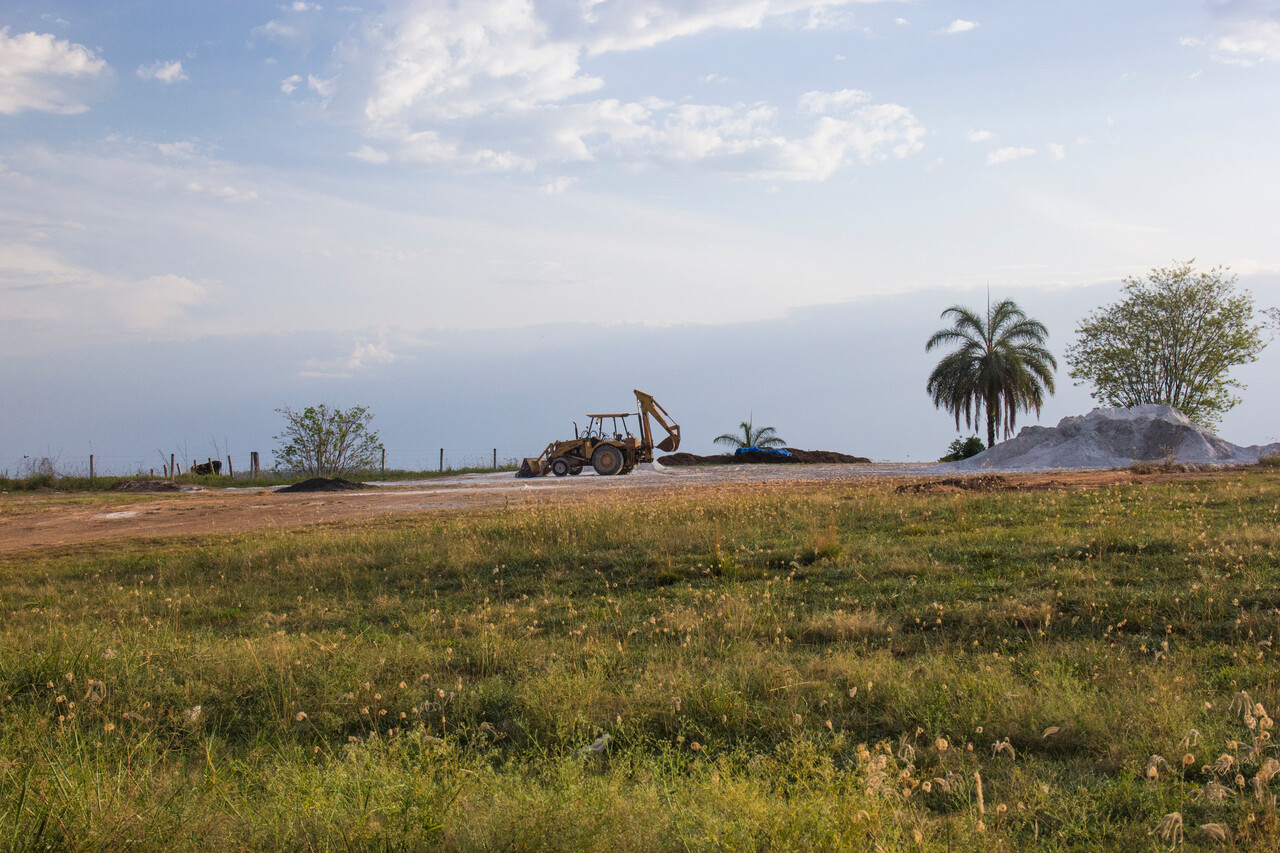
You should know that the closure did not go unnoticed by federal authorities. The FAA later determined that the city violated federal grant obligations and notice requirements. Chicago was fined, although the amount was small relative to the significance of the action. The fine did little to reverse the outcome. Once the runway was destroyed, reopening Meigs became politically and practically impossible. Aviation groups protested, pilots staged symbolic flyovers, and editorials criticized the process. None of it restored the airport. What remained was a lingering sense that proper procedures had been ignored. That feeling is why Meigs still comes up in discussions about federal versus local control of transportation infrastructure.
6. How Travelers Remember Meigs Field

Even if you never flew into Meigs, you likely encountered it in other ways. Early versions of Microsoft Flight Simulator used Meigs as the default starting airport. Millions of users around the world learned to take off and land there on their home computers. That made the airport famous far beyond Chicago. When it disappeared, virtual pilots noticed too. Real-world travelers remember the convenience and the view. You could land with Lake Michigan on one side and the skyline on the other. Few airports offered that experience. The emotional reaction came from more than nostalgia. It came from realizing that something familiar and functional could vanish without warning.
7. What Replaced the Airport and Why It Still Matters
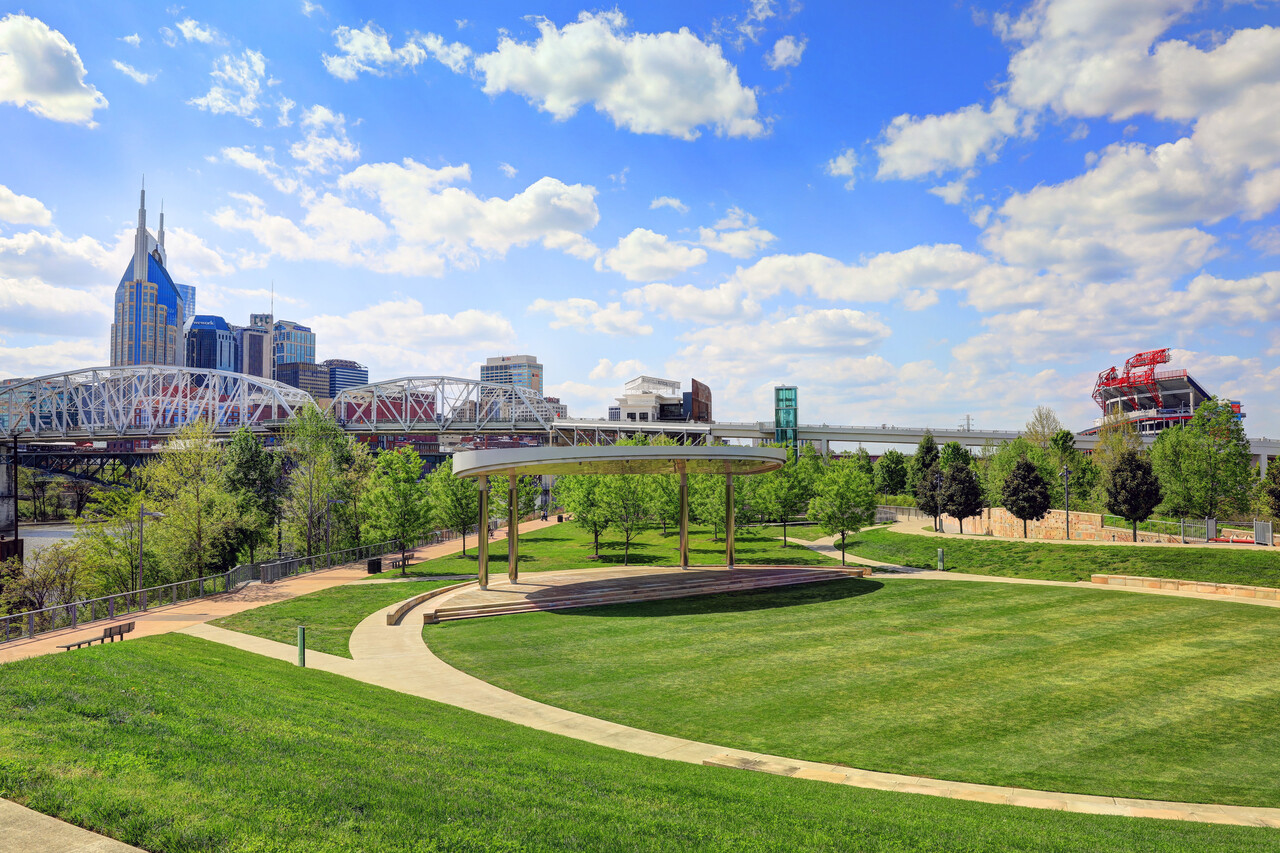
Today, if you visit the site of Meigs Field, you will find parkland, event spaces, and walking paths. Northerly Island is now positioned as a public recreational area. Some residents see that as a success. Others still see it as a loss of critical infrastructure. What this really means for you is that Meigs Field became a lesson. It showed how quickly transportation assets can be reshaped by political power. It also changed how pilots think about airport security and local authority. That is why travelers still talk about Meigs. Not because it was big, but because it disappeared in a way that challenged assumptions about permanence.