
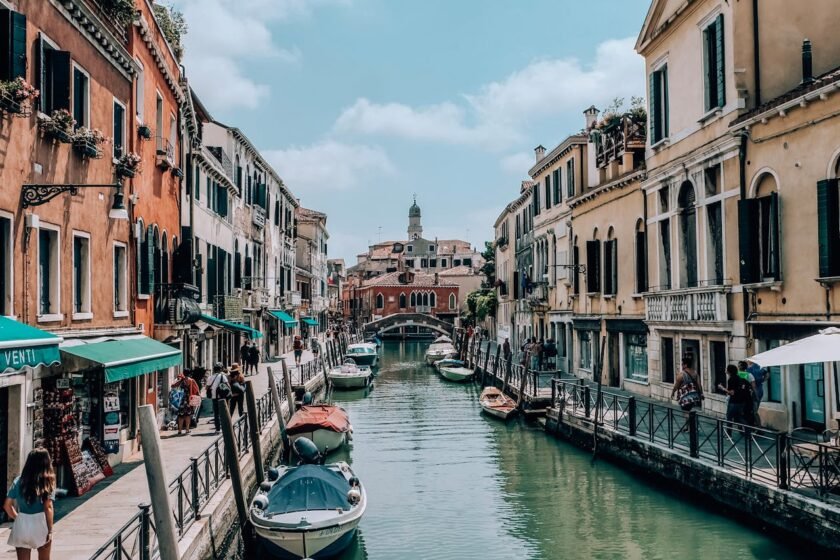
Venice’s Gondola And Day-Trip Circuit
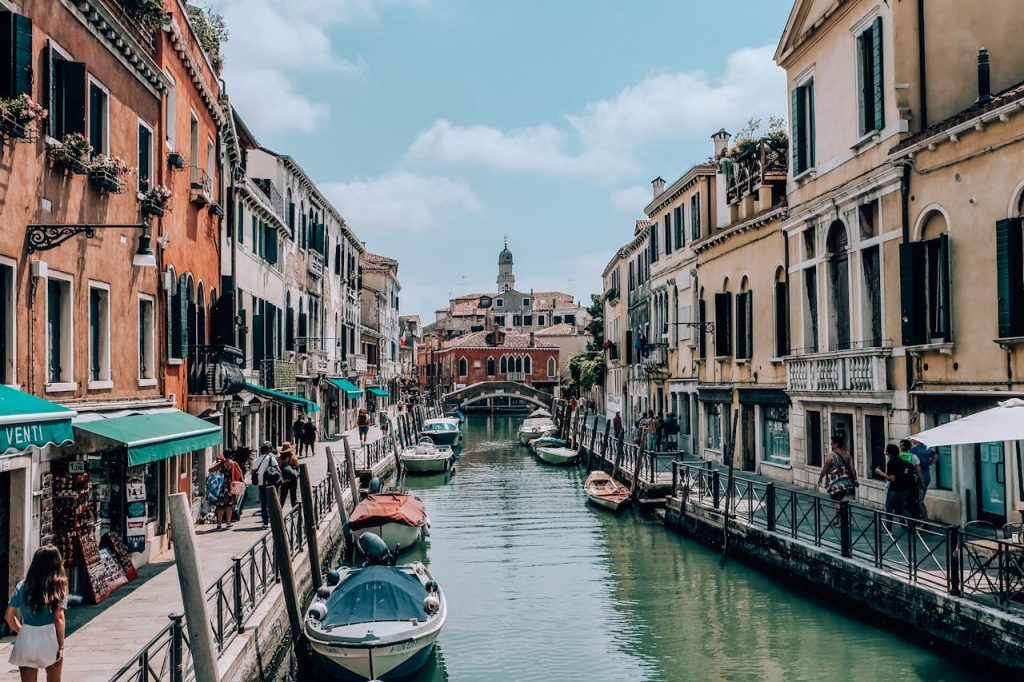
<pTourist traps endure, fading as crowds swell, prices rise, and the initial spark is replaced by lines and copy-paste experiences. Some cities respond with caps, fees, or redesigned zones, aiming to shield daily life while keeping hospitality alive. Meanwhile, traveler tastes shift toward narrower lanes, earlier hours, and places that still feel personal. These well-known stops can still impress, but their easiest versions are starting to feel less worth the effort. Even icons need room to breathe to stay iconic.
<pVenice still looks like a dream, but the classic day-trip circuit now operates under rules, timed arrivals, and price cues that shape every move from vaporetto stops to St. Mark’s Square—especially when several tour groups land at once. With entry fees aimed at short visits and crowd control around the Rialto, the city can feel scheduled, and gondola stands can resemble checkout lanes: mapped routes, fixed pitches, quick rides, and little room for quiet drifting. Travelers who stay longer often slip into Cannaregio and Dorsoduro for cicchetti, slower canals, and late light on empty bridges, where Venice feels less like a stage and more like home.
Santorini’s Oia Sunset Stampede
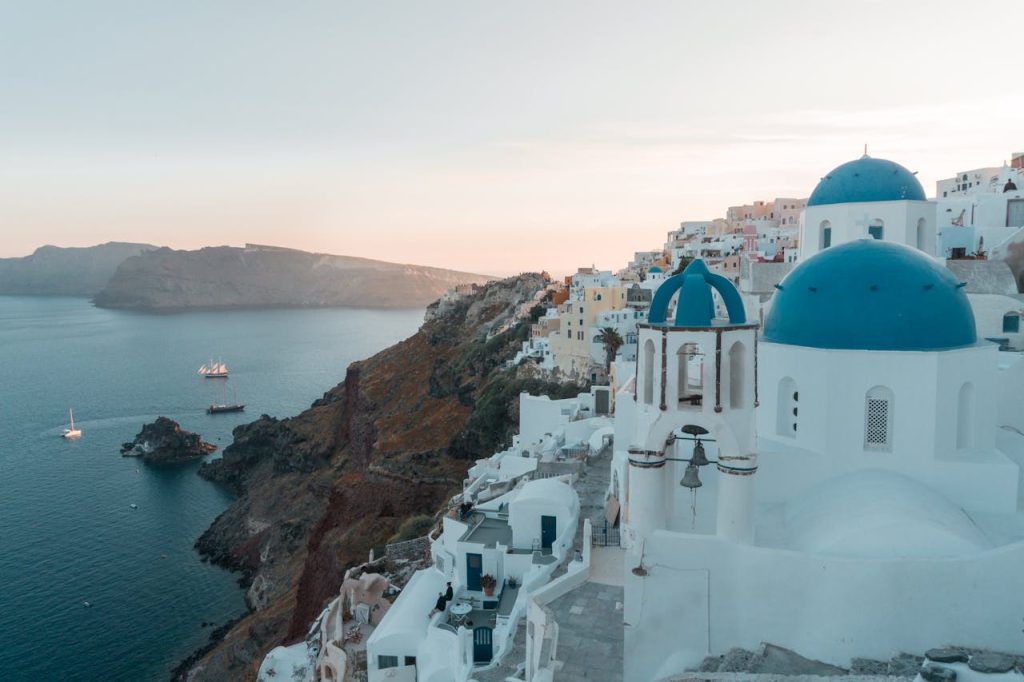
<pOia’s sunset is still extraordinary, yet the ritual now arrives with packed lanes, tripods planted like fence posts, and buses dropping crowds into the same narrow hour, all funneled toward the same terraces. Cruise tenders amplify the squeeze, turning the overlooks into a slow shuffle of elbows and constant repositioning, where the mind tracks openings in the crowd more than the light changing on the caldera cliffs. More visitors are choosing Imerovigli, Pyrgos, and inland walks for dusk, where the view stretches wider, cafés feel calmer, and the island’s quiet returns after the cameras leave.
Mykonos’ Cruise-Day Hotspots
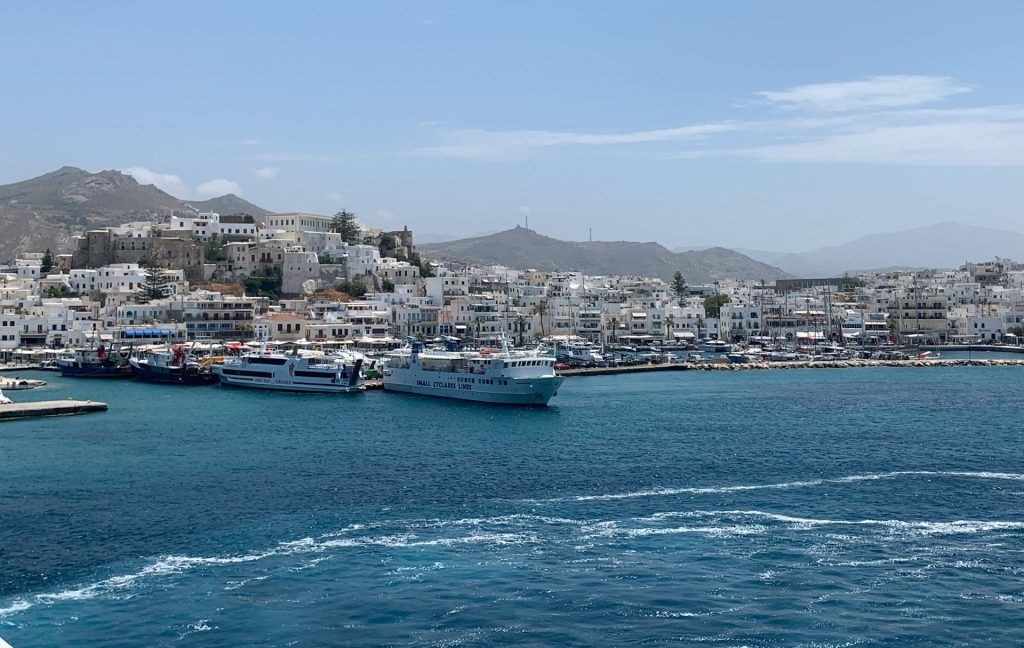
<pMykonos can still sparkle, but cruise-day peaks compress it into queues for photos, beach beds, and quick lunches that cost more than they taste, all under the same bright midday sun and loud music loops. The prettiest lanes of Chora fill fast, turning that playful maze into a slow-moving line with repeated storefront pitches, selfie traffic jams, and a constant push to keep spending and moving toward the next branded corner. Mykonos lands best on calmer mornings and longer stays, when quieter coves, late dinners, and unhurried wandering let the island show its texture, humor, and ease after the rush.
Barcelona’s La Boqueria Snack Safari
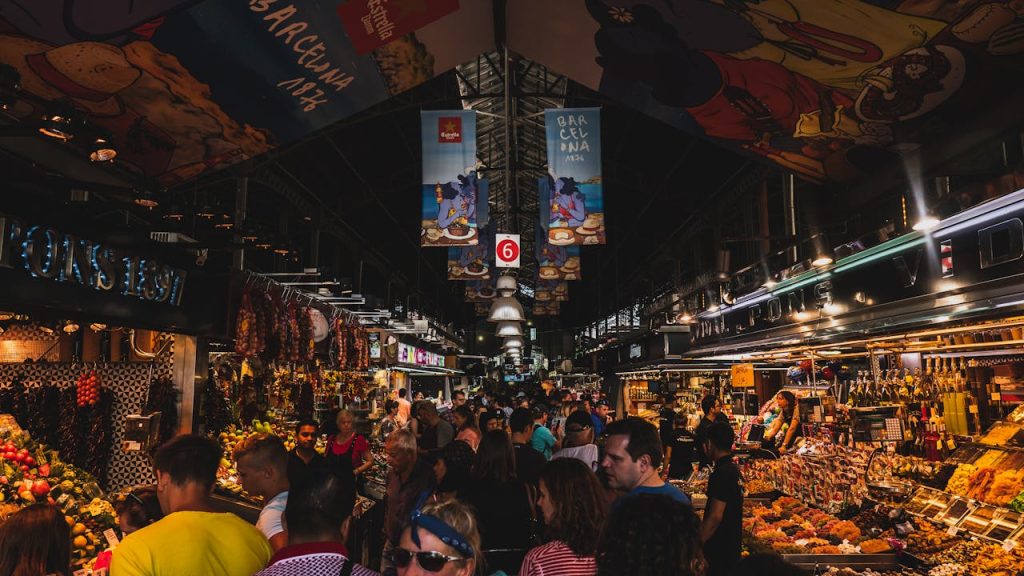
<pLa Boqueria remains a stunner, but the center aisle often feels like a moving snack lane, with camera stops and takeaway cups replacing the rhythm of neighbors shopping for dinner or chefs picking seafood. As visitor traffic surged, stalls tilted toward skewers, juices, and quick bites meant for walking, while the everyday grocery experience shifted to the edges and earlier hours, when regulars can still browse without a squeeze. Reforms tied to renovation have tried to restore balance, and on a good day the market feels like Barcelona’s kitchen again: produce, seafood, and voices buying ingredients, not souvenirs.
Las Ramblas’ Souvenir Conveyor Belt

<pLas Ramblas still has theater in its footsteps, yet it now reads like a corridor designed to process crowds past shops and menus that could sit in any tourist zone, from midmorning to well after dark. Performers and flower stalls appear, but the strongest impression can be repetition: similar magnets, similar sangria offers, similar photo pauses, and little sense of neighborhood life between them, beyond the rush of feet. Visitors who want Barcelona’s real warmth tend to settle into side streets, local markets, and small plazas, where café talk, kids playing, and evening strolls set a slower rhythm.
Hollywood’s Walk Of Fame Reality Check
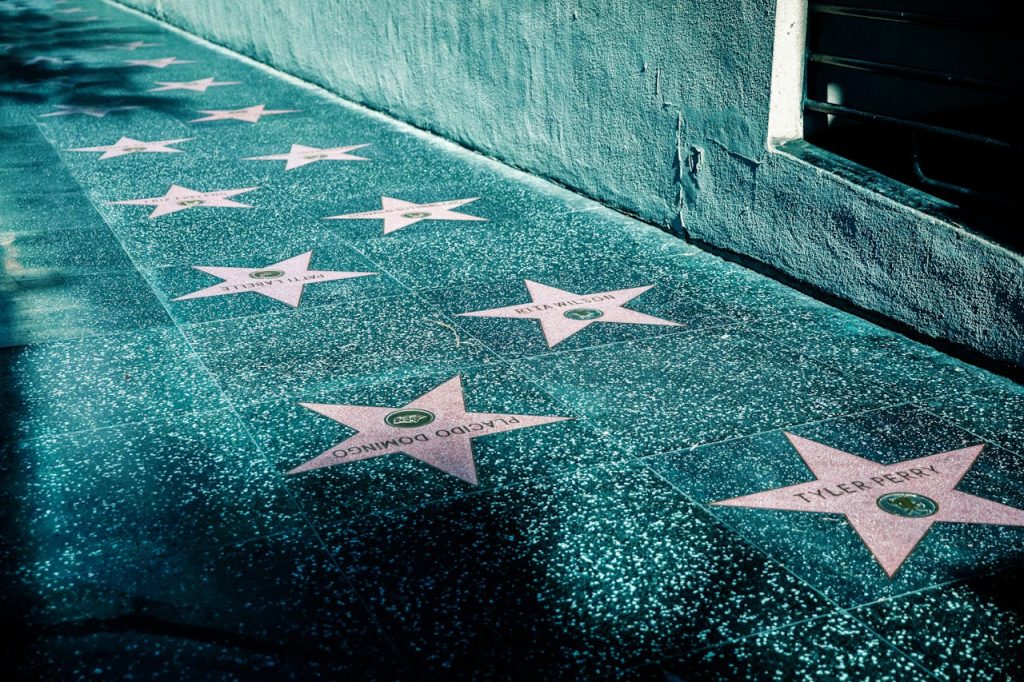
<pThe Walk Of Fame sells the promise of glamour, but many visitors encounter a loud boulevard where traffic, selling, and photo requests compete for attention at every step, making it hard to savor the moment at all, especially midday. Instead of lingering over a favorite name, the experience often becomes logistics: squeeze through crowds, decline pitches, find parking, and keep moving, which undercuts the simple delight the stars are meant to offer. People often move on to viewpoints, classic theaters, and studio tours, where Hollywood feels like sets, craft, and storytelling, not a hurried stop between storefronts.
Times Square’s Costumed Chaos
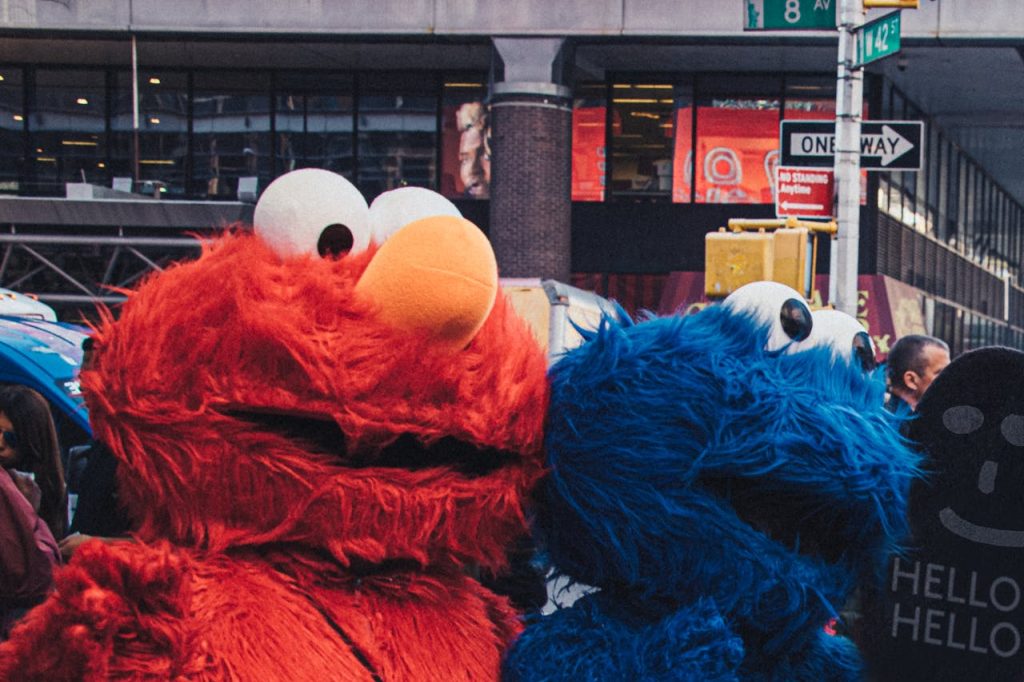
<pTimes Square delivers instant spectacle, yet its appeal fades quickly because the experience is remarkably predictable: giant ads, chain dining, bright gift shops, and nonstop motion that never quite slows, even in winter. Costumed photos can slide into awkward tip talks, and the constant noise leaves little space for New York’s subtler moods to register, so the visit becomes a quick check-in rather than a layered memory. Many travelers step away to parks, museums, and neighborhoods where the city’s personality shows up in street corners, late-night diners, bookshops, and real conversation.
Phuket’s Patong Party Strip
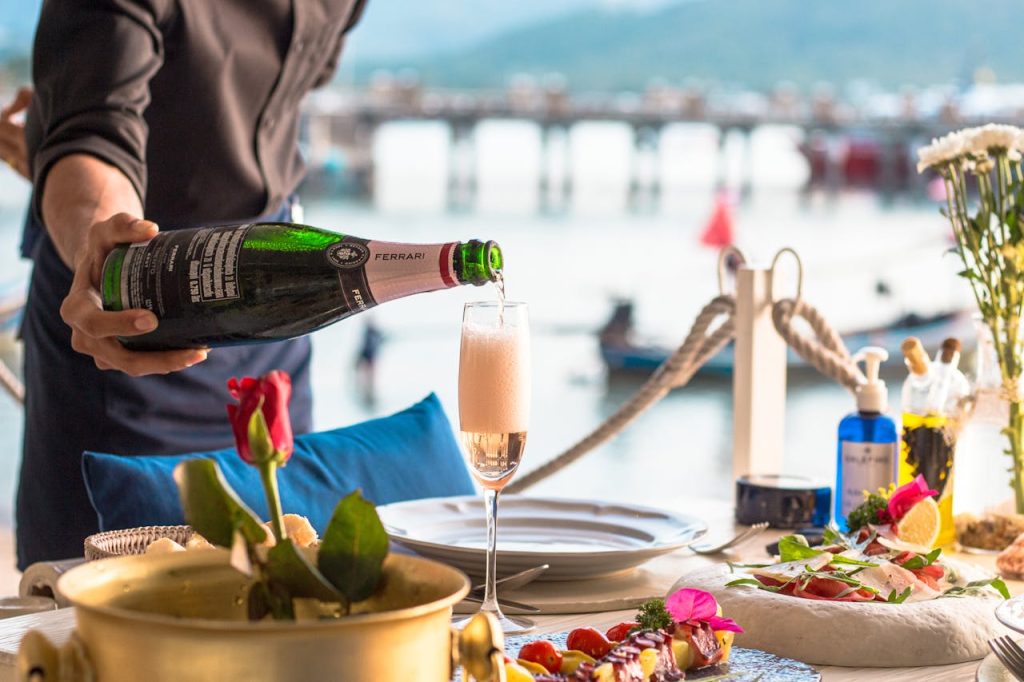
<pPatong’s party strip still draws crowds, but the core blocks can feel like the same nightlife template repeated door after door, with neon, loud offers, and constant upselling aimed at quick decisions all night long, too. When everything competes for attention, the night blurs into sameness, and Phuket’s natural beauty can feel far away, even though the sea is only minutes from the lights and the air still smells like salt. More visitors now split time between old-town cafés, morning markets, and calmer beaches, where local food, slower mornings, and soft sunsets bring the island back into focus.
Cairo’s Giza Camel-Ride Zone
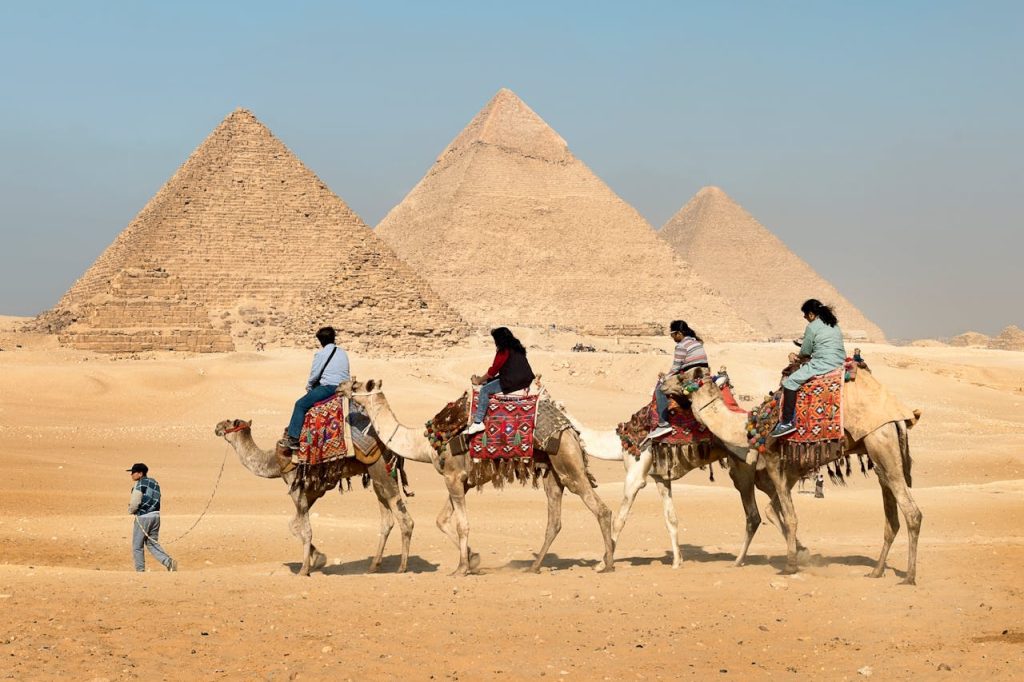
<pGiza’s monuments are breathtaking, yet the approach can be draining when rides and photos come with persistent offers, shifting prices, and a sense of being hurried along before the stones have time to register. The repeated bargaining pulls focus away from the scale and quiet that make the plateau feel timeless, especially during midday heat and peak arrivals, when the walkway feels more like a corridor than a pause. Many travelers now choose fixed-price providers, clear guides, and early start times, then linger at viewpoints and museums, creating space for awe to land, settle, and feel personal.