
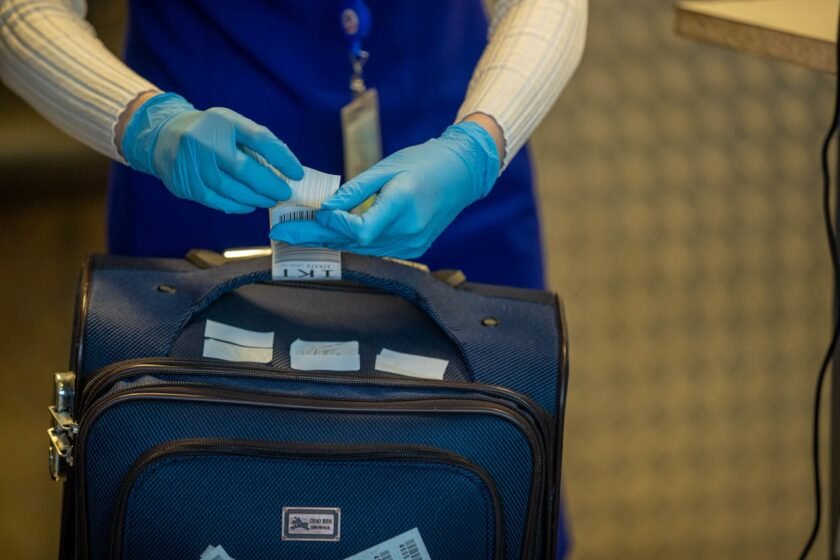
You may think checked bags face fewer rules than carry-ons, but TSA continues to refine what you can and cannot pack below the plane. These updates are not about making travel harder. They focus on fire risk, pressurization issues, and items that become dangerous when inaccessible mid-flight. Many travelers still assume that if something is banned from the cabin, it automatically belongs in a checked bag. That assumption causes delays, bag searches, and sometimes confiscation. Understanding how checked-bag rules actually work helps you pack smarter, avoid damage to your belongings, and reduce inspection time. Here is what you need to know before your next trip.
1. Lithium Batteries Are Still a Serious Problem in Checked Bags
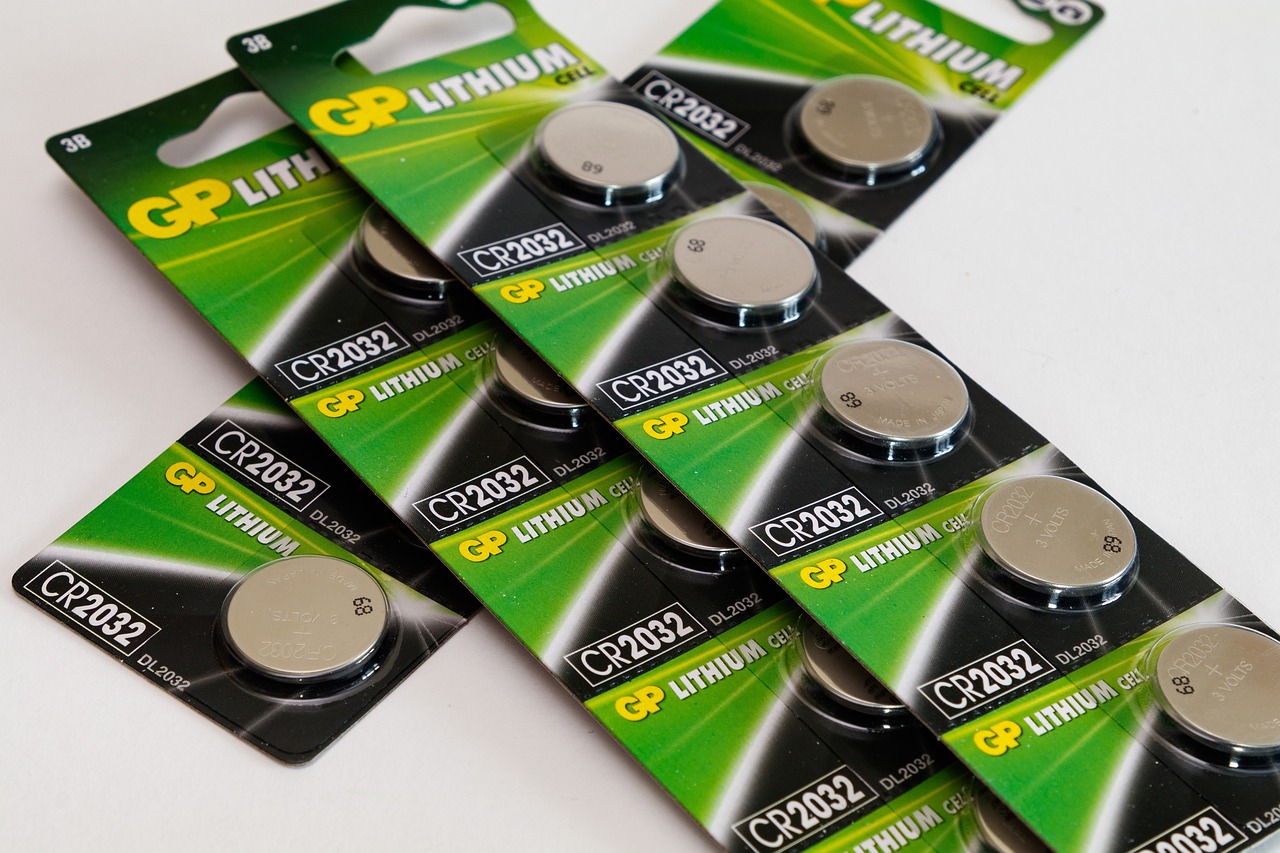
You might assume checked luggage is the safest place for spare batteries, but TSA and the FAA continue to restrict lithium batteries because of fire risk. Lithium-ion and lithium-metal batteries can overheat, short-circuit, or ignite, especially when damaged or improperly packed. When these events happen in the cargo hold, crew members cannot respond quickly. TSA guidance makes it clear that spare lithium batteries and power banks should stay in carry-on bags whenever possible. Some installed batteries may be allowed in checked bags if properly protected, but loose batteries almost always cause concern. If screeners detect batteries during inspection, they may open your bag, remove items, or delay your luggage. Packing batteries correctly protects both your belongings and the flight.
2. Flammable Items Face Increased Scrutiny
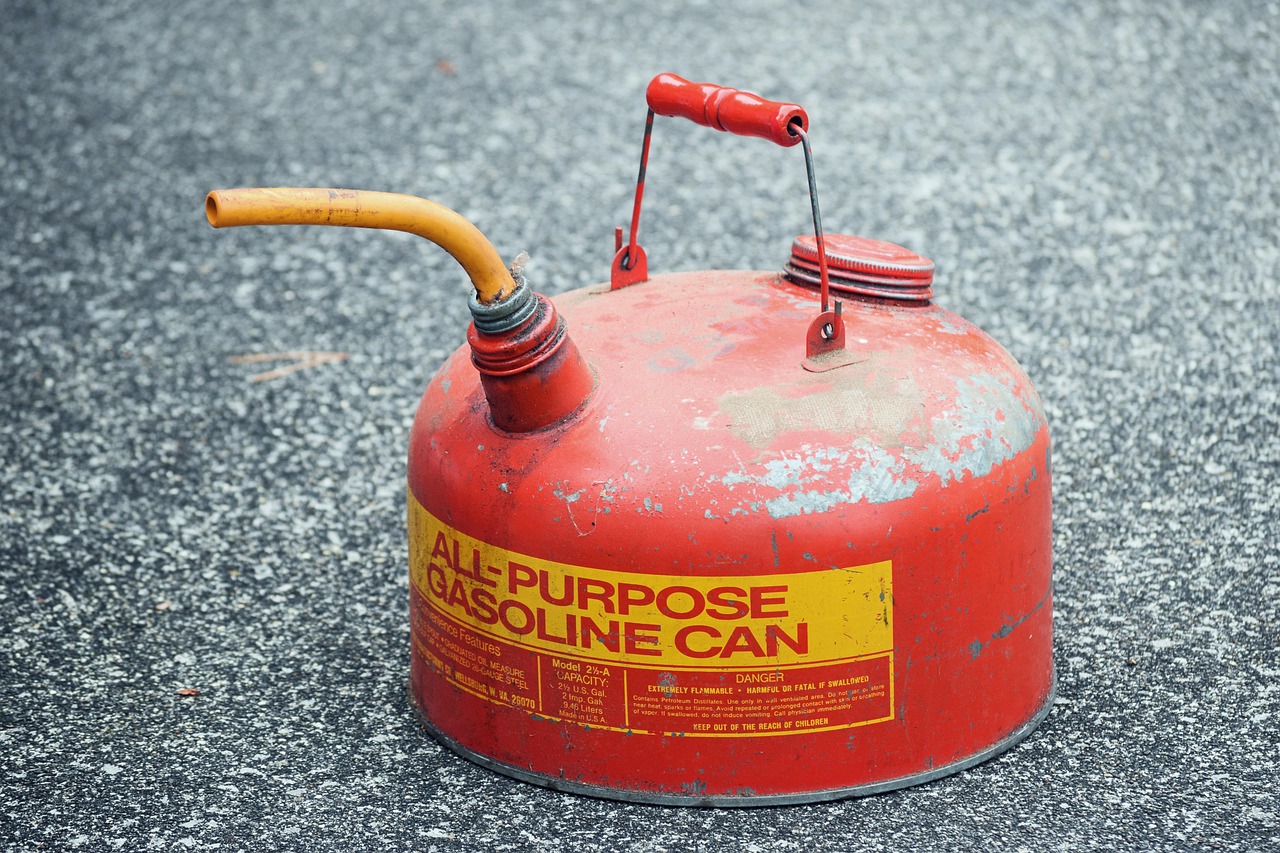
Flammable materials remain one of the most tightly controlled categories in checked baggage. Items like gasoline-powered tools, lighter fluid, camping fuel, and certain cleaning chemicals are restricted because vapor buildup creates fire hazards. TSA screening focuses on detecting these substances through both X-ray and manual inspection. Even small residue amounts can trigger alarms. Some travelers assume empty containers are safe, but TSA rules often prohibit them unless they are thoroughly cleaned and vapor-free. Aerosols are also limited, especially those with flammable propellants. If officers find questionable materials, they may remove them or involve airline staff. Checking current TSA guidance before packing prevents confiscation and protects your bag from delays.
3. Alcohol Rules Depend on Proof and Packaging

You may pack alcohol in checked bags thinking it is unrestricted, but TSA and FAA rules depend on alcohol content and packaging. Alcohol under 24 percent by volume generally poses little issue, but higher-proof spirits fall under stricter limits. Between 24 and 70 percent alcohol by volume, containers must stay under size limits and total quantity caps. Anything above 70 percent is prohibited entirely. Packaging matters as well. Leaking bottles, homemade containers, or poorly sealed caps increase inspection risk. TSA officers often stop bags to confirm alcohol strength and container size. Using factory-sealed bottles and protective packing reduces scrutiny and protects your luggage from spills.
4. Firearms and Ammunition Rules Are Actively Enforced
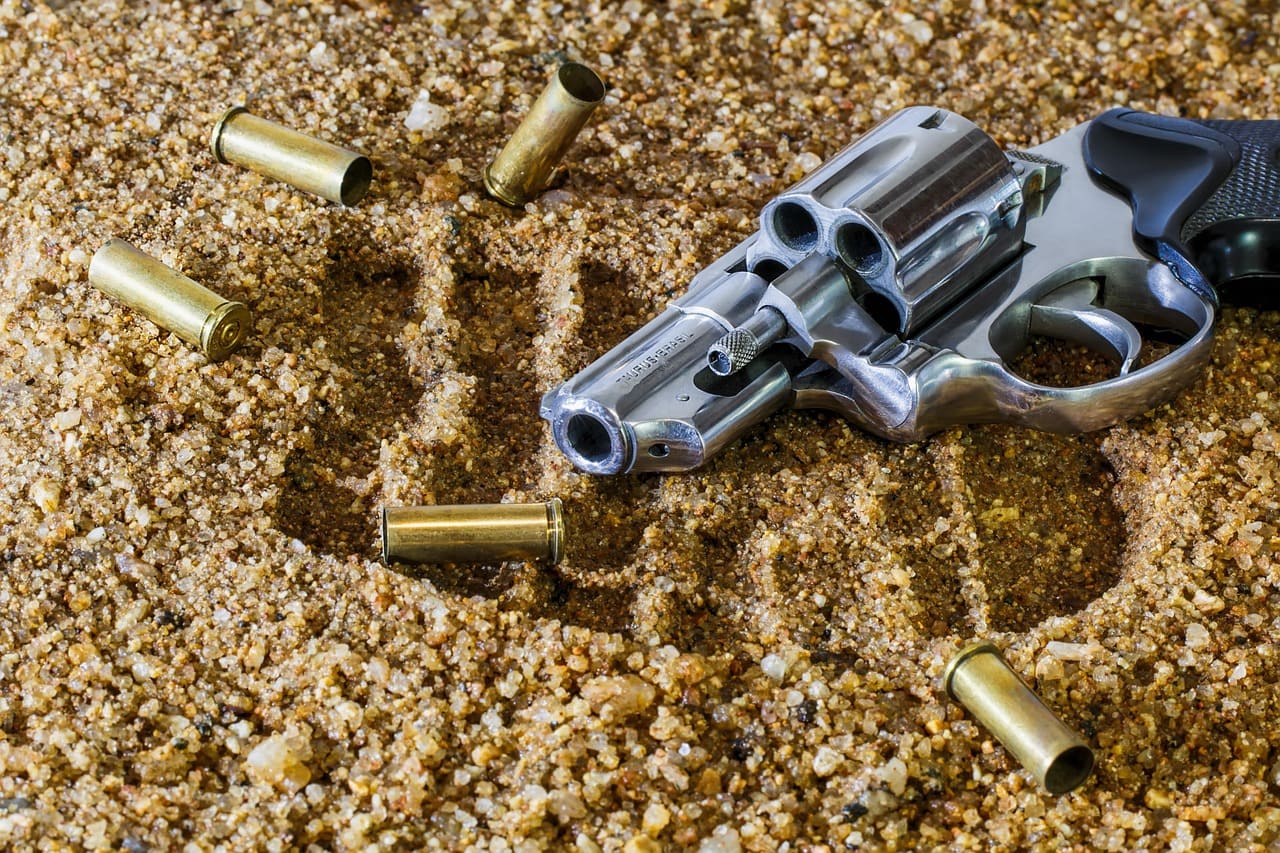
Firearms remain allowed in checked bags only when strict procedures are followed. TSA requires firearms to be unloaded, secured in a hard-sided locked case, and declared to the airline at check-in. Ammunition must also meet packaging requirements, typically stored in original boxes or secure holders. Screeners regularly inspect declared firearm cases to verify compliance. Any deviation, including improper locks or loose ammunition, can delay you or prevent travel altogether. TSA works closely with airlines and local law enforcement on firearm screening. If you travel with weapons or ammunition, following the declaration process exactly is essential to avoid serious complications.
5. Smart Bags and Tracking Devices Are Not Automatically Approved
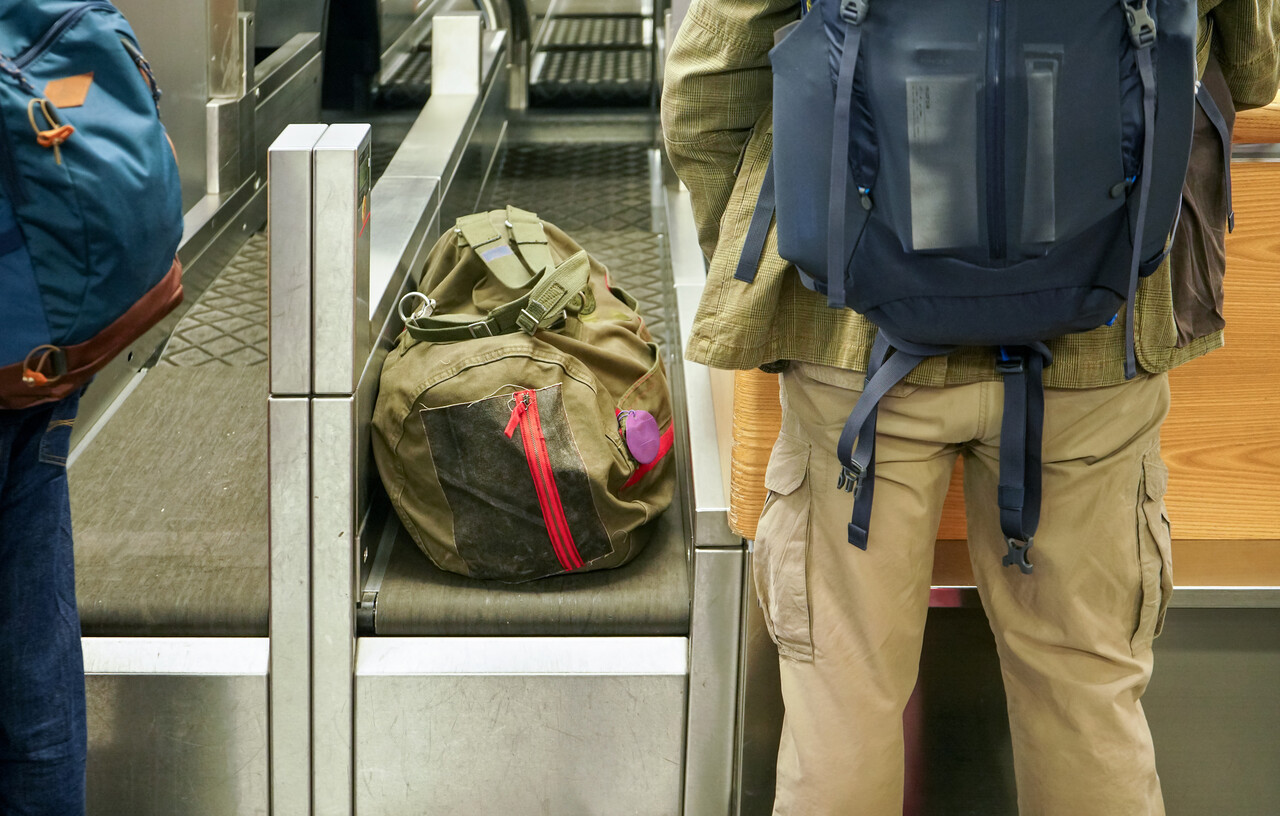
Smart luggage with built-in batteries continues to receive close attention. TSA allows tracking devices like AirTags, but bags with non-removable lithium batteries may be restricted. Airlines often enforce their own policies based on FAA safety guidance. If a smart bag’s battery cannot be removed, airlines may refuse it entirely or require it to be carried on. TSA screeners also check for hidden power sources during inspection. Travelers who assume all smart luggage is acceptable often face last-minute repacking. Confirming battery removability and airline policies before arrival prevents stressful gate-side issues.
6. Pressurized and Compressed Items Raise Red Flags
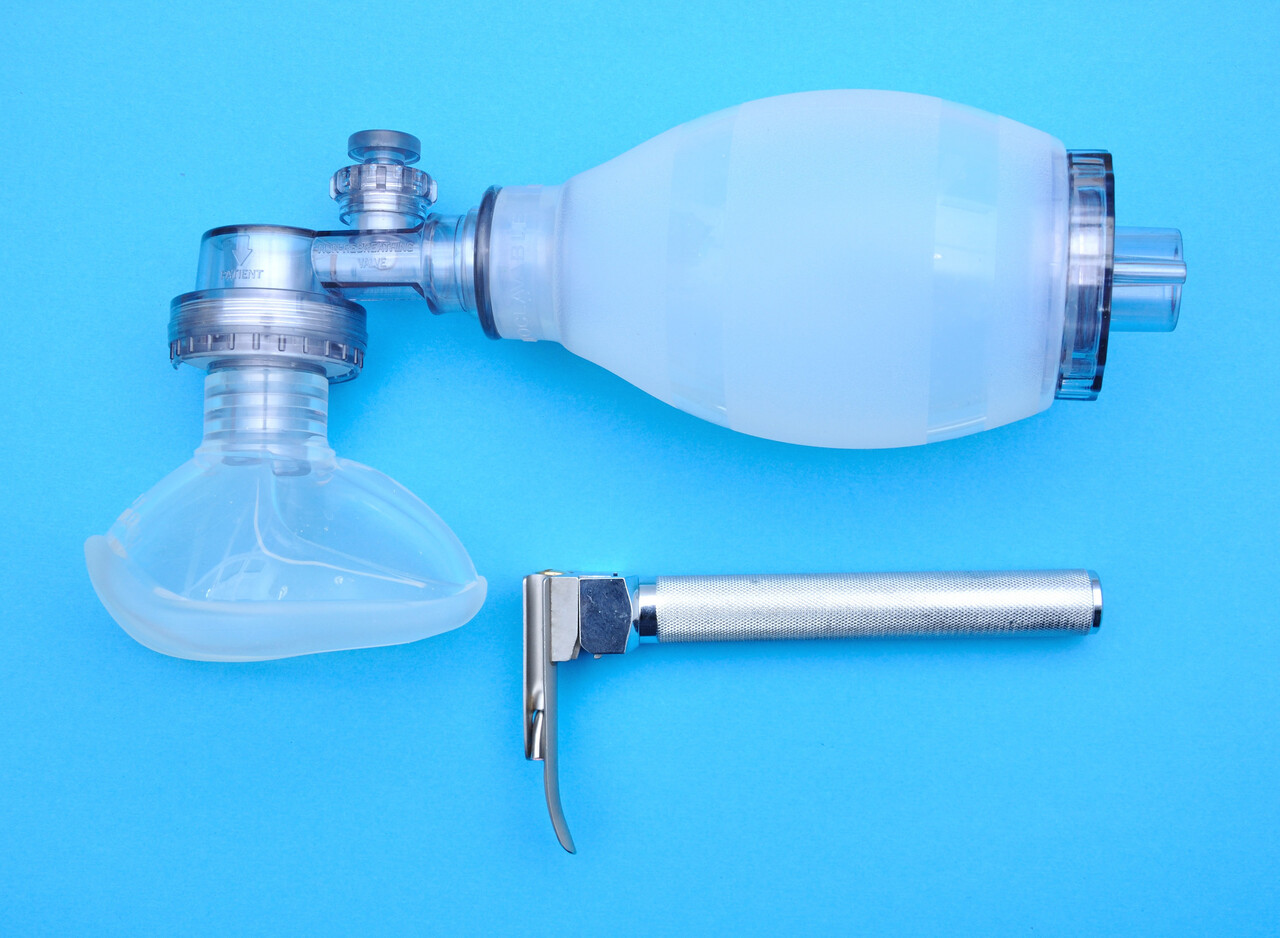
Compressed air cylinders, pressurized containers, and certain sporting or medical equipment frequently trigger inspections. Changes in cabin pressure can cause sealed containers to rupture, creating safety risks. TSA guidelines restrict many pressurized items unless they meet specific conditions. Even allowed items may require protective caps or pressure release mechanisms. Screeners often open bags to verify compliance, which adds time and increases handling. Packing documentation or manufacturer labeling helps officers resolve questions faster. When in doubt, leaving pressurized gear at home or shipping it separately may be the safer option.