
Travel calendars used to follow a reliable rhythm. Mountain snow towns counted on winter, lake regions depended on summer, and shoulder months offered serene trails and better rates. Across the United States, that cadence is tightening. Warmer winters shorten snow windows, hotter summers push outdoor plans into the early hours, and smoky or stormy stretches can rob comfort from an otherwise ideal week. The regions remain rewarding, but timing matters more now, and local calendars are adapting with practical shifts.
ROCKY MOUNTAINS SKI COUNTRY
Rocky Mountains Ski Country
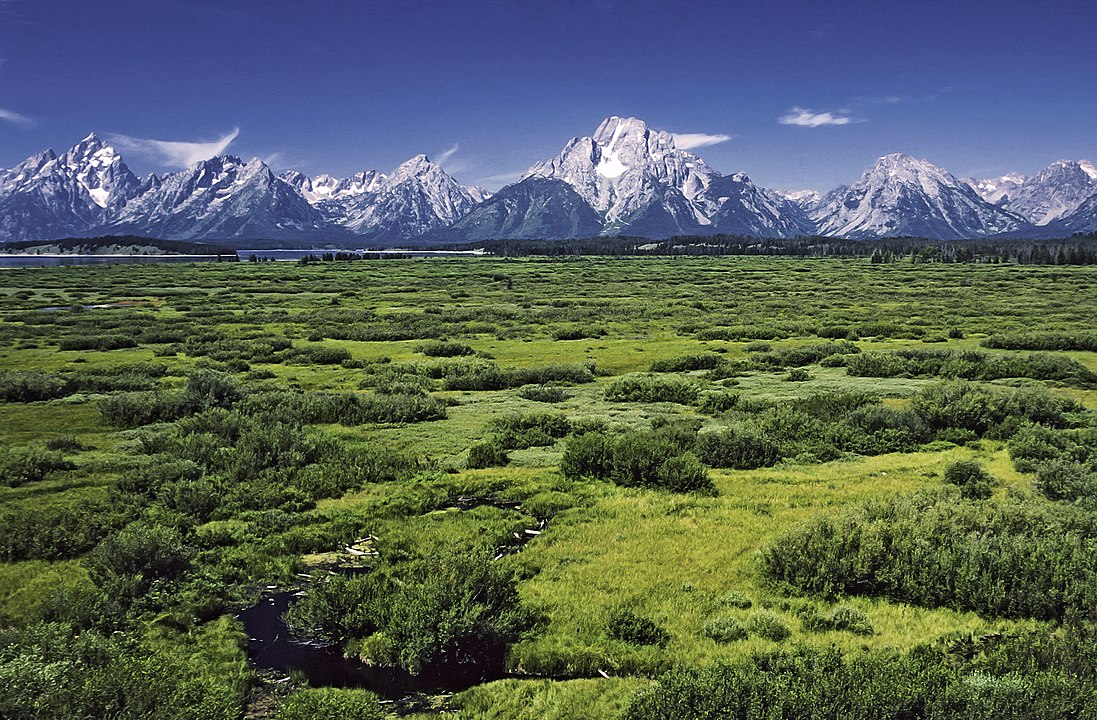
Colorado’s high-country destinations still draw skiers, but the dependable window is narrowing as winters grow warmer, storms widen their reach, and the prime snow arrives later or departs sooner. Resorts lean more on snowmaking and grooming, yet that only helps if nights stay cold enough, so opening plans may shift from week to week and spring weekends can disappear quickly. Mountain towns extend the calendar with festivals, then pivot to trails, dining, and indoor culture so a trip still feels worthwhile. Lodges promote midweek deals and higher-elevation terrain, and visitors monitor snow reports like flight prices, chasing brief prime windows when they appear.
SIERRA NEVADA AND LAKE TAHOE
Sierra Nevada And Lake Tahoe
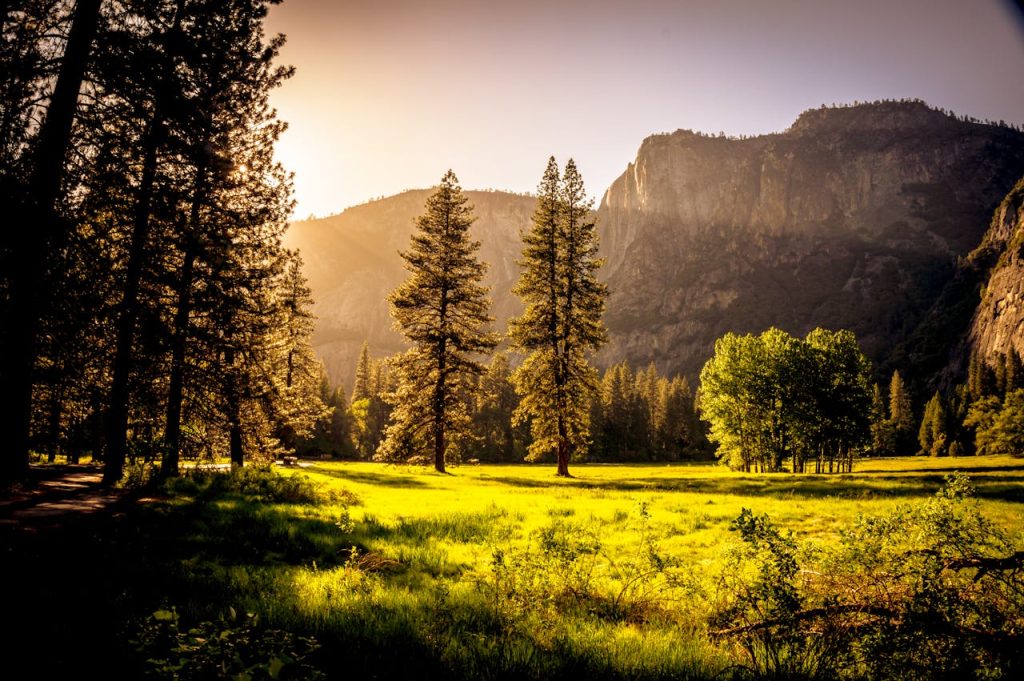
In the Sierra Nevada, snowfall can still accumulate deeply, but timing has become the decisive variable, quietly narrowing the season people plan around. Early winter can be thin while warm spring spells soften coverage sooner, turning a steady arc into good windows that open and close. Tahoe towns respond with flexible bookings, weather-aware itineraries, and off-slope days like hot springs, galleries, and lakeside strolls so visitors can adjust plans without losing the trip’s mood. Even summer shoulder weeks shift as trailheads open earlier or later depending on melt and storms. The payoff comes for those who match dates to conditions, not tradition each year.
NORTHERN NEW ENGLAND SNOW TOWNS
Northern New England Snow Towns
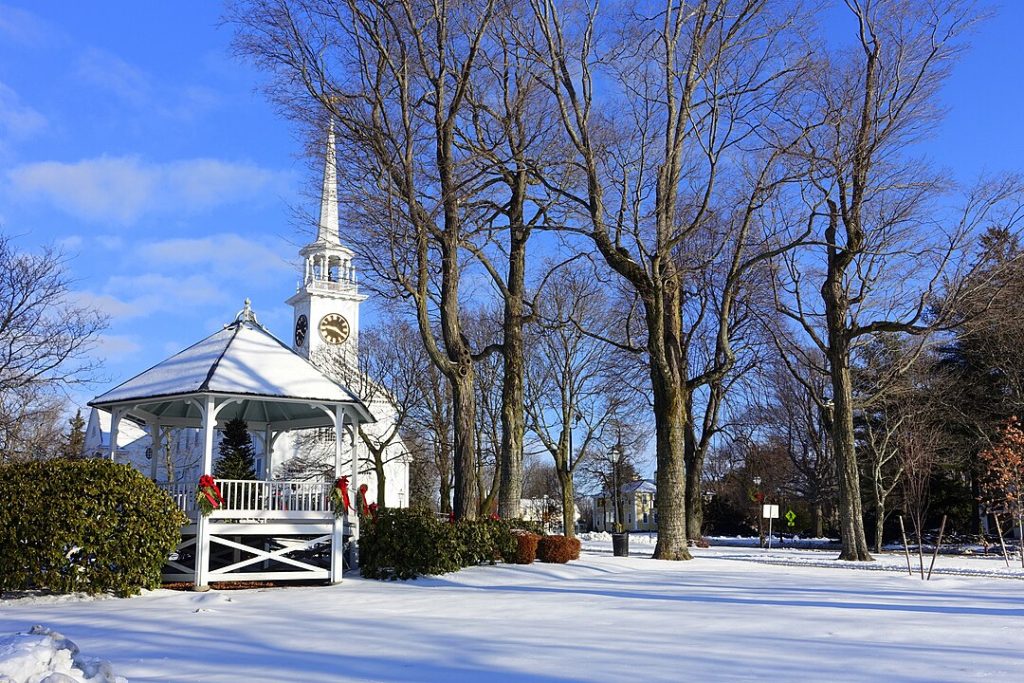
Maine, New Hampshire, and Vermont still offer winter charm, yet the rhythm is less consistent, with thaws and rain events interrupting stretches that once felt dependable. When snow arrives in bursts, trail systems and frozen-lake traditions require constant adjustment, and small towns feel it in cancellations, shortened festival weekends, and sudden rebookings. Many operators now aim for higher terrain and midwinter sweet spots, while keeping cozy backups ready so a getaway still feels like winter. The quieter cheaper shoulder weeks are the first to shrink, because a single warm spell can erase them. Mid‑January to early March offers the best odds.
PACIFIC NORTHWEST VOLCANO AND FOREST CORRIDORS
Pacific Northwest Volcano And Forest Corridors
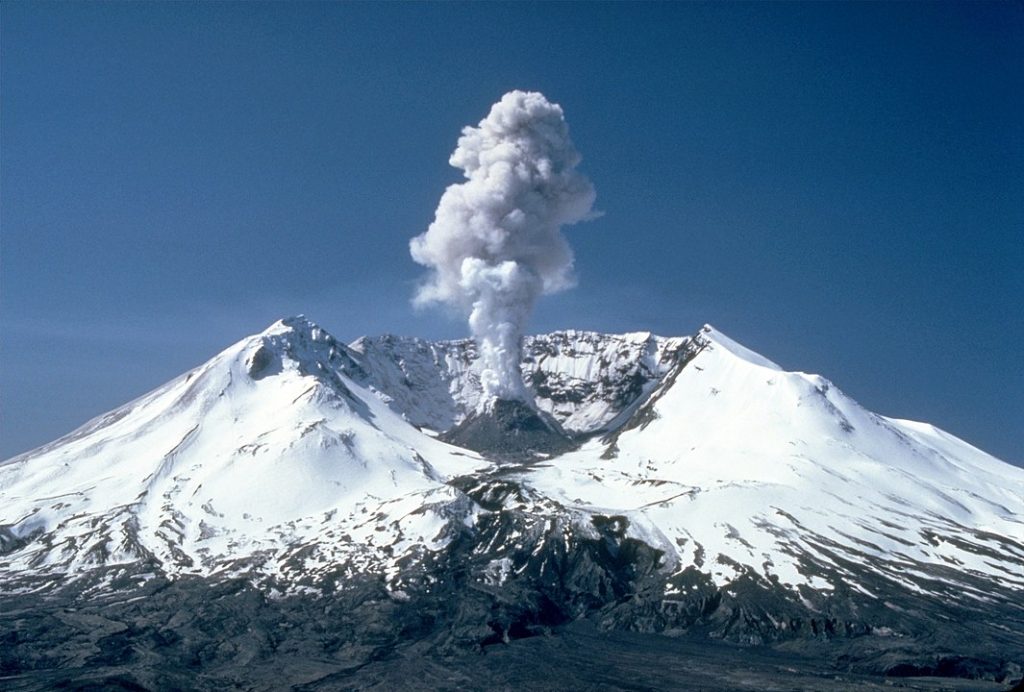
The Pacific Northwest delivers long summer days in the Cascades and along volcanic ridgelines, but smoky periods can compress the weeks that feel clear and comfortable. A few hazy spells can cancel viewpoints, mute lake color, and make long hikes less appealing, pushing demand into earlier summer or brief post‑rain windows. Gateways near Mount Hood and the Columbia River Gorge keep backup plans ready, steering visitors toward waterfalls, coastal detours, museums, and food halls so the trip still works when horizons soften. Mornings often stay clearer, so guides front-load viewpoints and leave afternoons for town time. And yes, coffee helps too.
NORTHERN ROCKIES GLACIER AND YELLOWSTONE GATEWAYS
Northern Rockies Glacier And Yellowstone Gateways
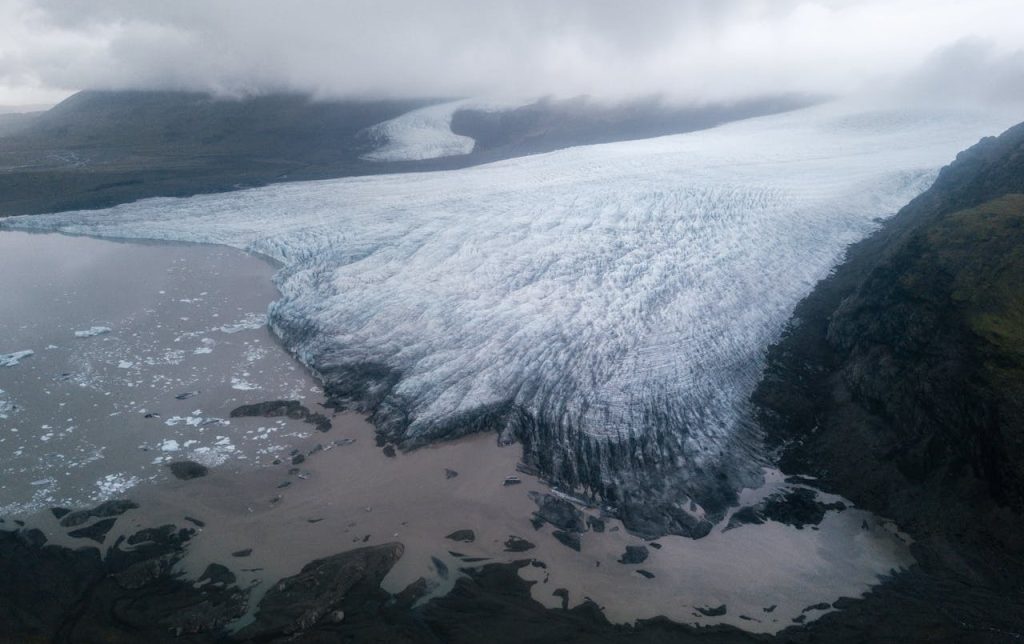
Gateway towns near Glacier and Yellowstone thrive on long summer days, yet late season can feel less predictable as heat and dryness build. When skies turn hazy, overlooks lose detail, wildlife patterns shift, and demand bunches into earlier weeks that still feel crisp. Communities respond by opening services sooner, leaning into river mornings, ranger talks, and local museums, and building flexible days that can pivot from scenic drives to indoor culture while keeping the same sense of place. Lodging offers more refundable options, and guides keep alternative routes ready, because a clean blue day can be precious and short in late Aug. too.
CALIFORNIA WINE COUNTRY IN LATE SUMMER
California Wine Country In Late Summer
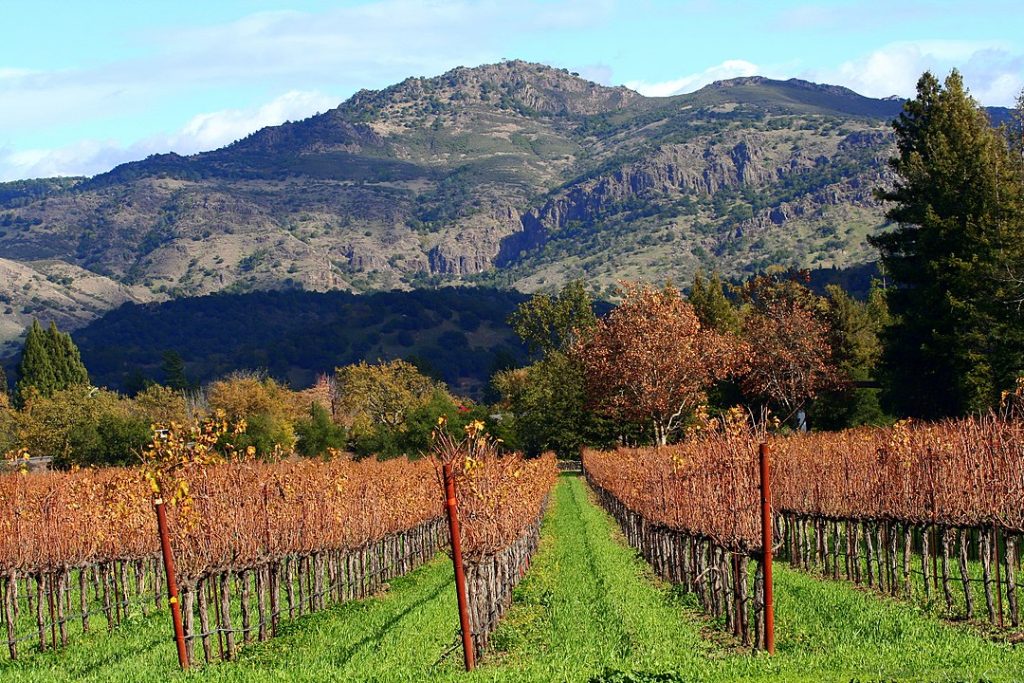
Napa and Sonoma still shine, but late summer and early fall can be uneven as heat and hazy days affect patio dining, vineyard walks, and outdoor tastings. Harvest energy remains, yet the most comfortable hours often shift to mornings, and visits become shorter and more scheduled around forecasts. Wineries respond with indoor flights, earlier reservations, shaded pairings, and vineyard drives, while many travelers choose early summer or late fall for steadier afternoons and the same food-and-wine magic. Hotels quietly adjust peak pricing and some events move dates because one unsettled week can ripple through tastings, tours and staffing now.
SOUTHWEST DESERT PARK BELT
Southwest Desert Park Belt
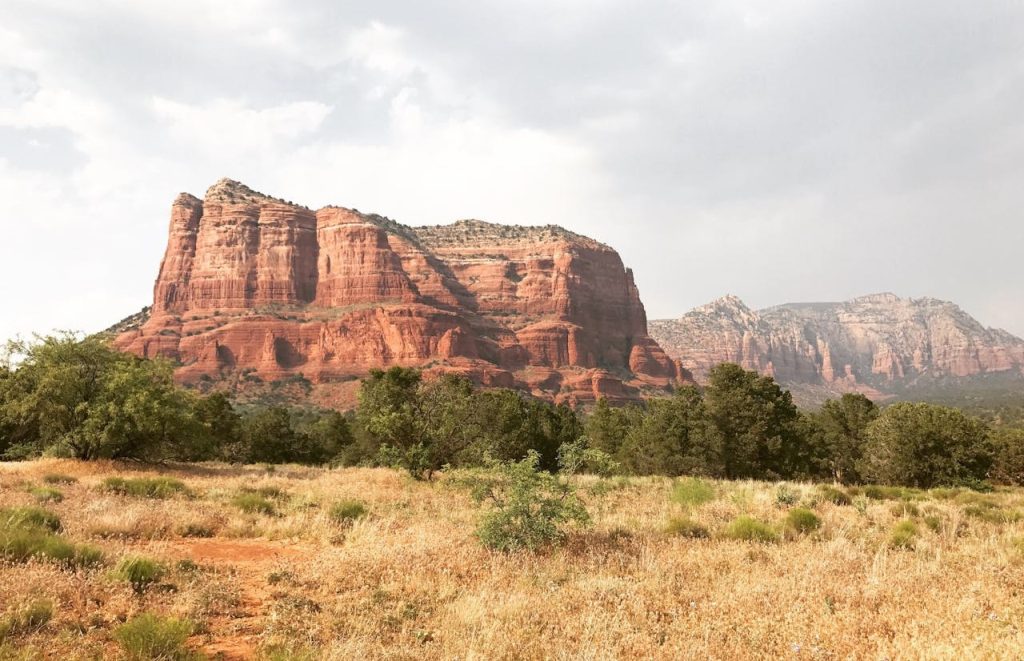
Across the Southwest’s desert park belt, comfort is increasingly a narrow band, with summer afternoons pushing outdoor time toward sunrise and sunset. When heat peaks, long hikes become less practical, and the classic all-day loop turns into short viewpoints, shaded stops, water breaks, and night-sky programs where the desert feels gentler. Towns near Joshua Tree, Zion, and Grand Canyon corridors adjust with earlier tours, cooling spaces, and clear hydration guidance, because the season still exists, but the hours that feel good are fewer and easier to miss. Many shift to Oct. to Apr. for cool hikes now.
FLORIDA KEYS AND SOUTH FLORIDA SUMMERS
Florida Keys And South Florida Summers
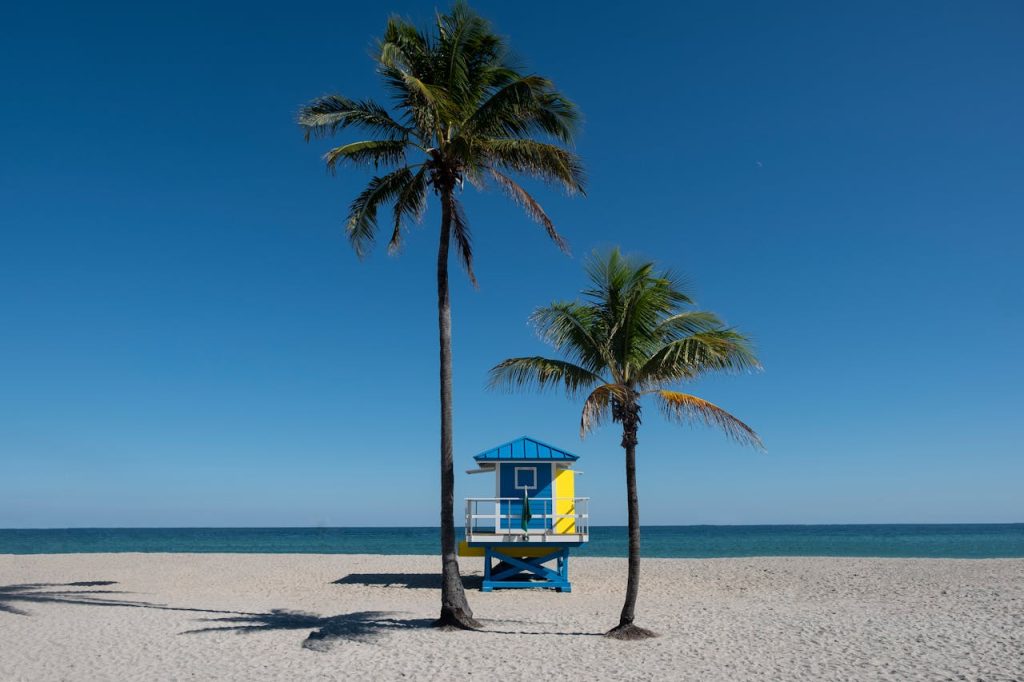
The Florida Keys and much of South Florida have always been steamy in summer, but the easiest travel stretch keeps clustering into late winter and spring when breezes, water clarity, and long outdoor hours line up. Summer brings heavier humidity, frequent downpours, and routine storm tracking that can reshape boat days and snorkeling plans on short notice. Hotels and operators lean on flexible policies, early departures, and indoor fallbacks, while visitors often aim for calmer months when the islands feel effortless from breakfast to sunset and sea plans stay simpler. Even June rewards early starts.
GULF COAST BARRIER ISLANDS
Gulf Coast Barrier Islands
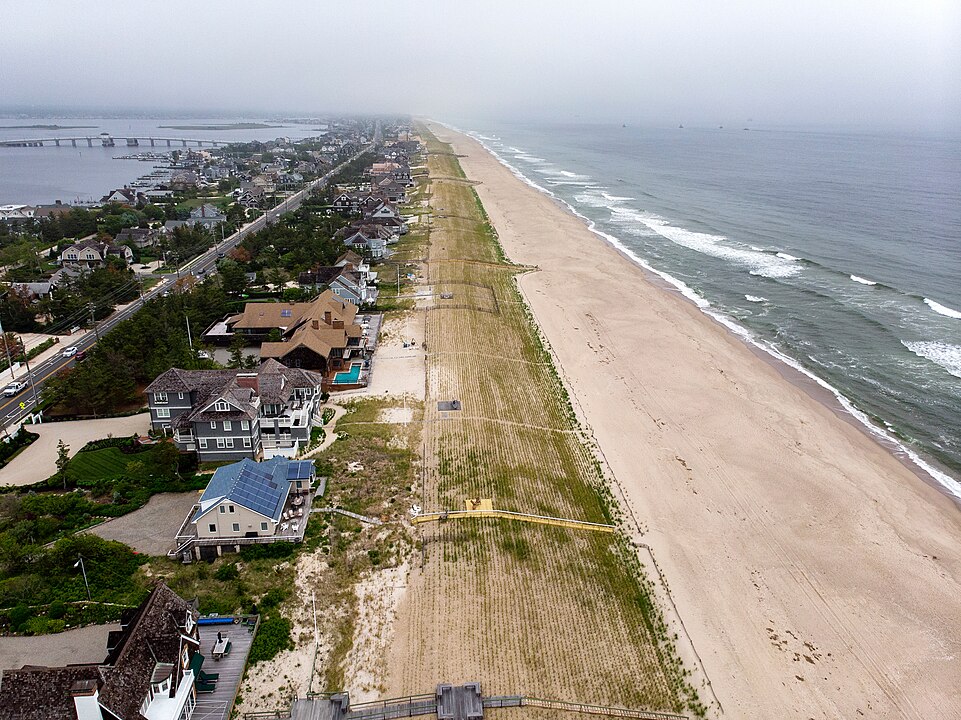
Gulf Coast barrier islands still deliver warm-water escapes, yet late summer overlaps with the most watchful part of storm season, which can shrink the stretch that feels carefree. Even routine forecasts can shift ferry schedules, beach plans, and coastal drives, nudging many trips into early summer or shorter late-season stays with flexibility built in. Communities adapt with refundable bookings, quick-turn itineraries, and inland alternatives like seafood halls, aquariums, and small museums, so vacations stay relaxing while everyone keeps an eye on the sky and plans a second option.
GREAT LAKES AND NORTHWOODS WINTERS
Great Lakes And Northwoods Winters
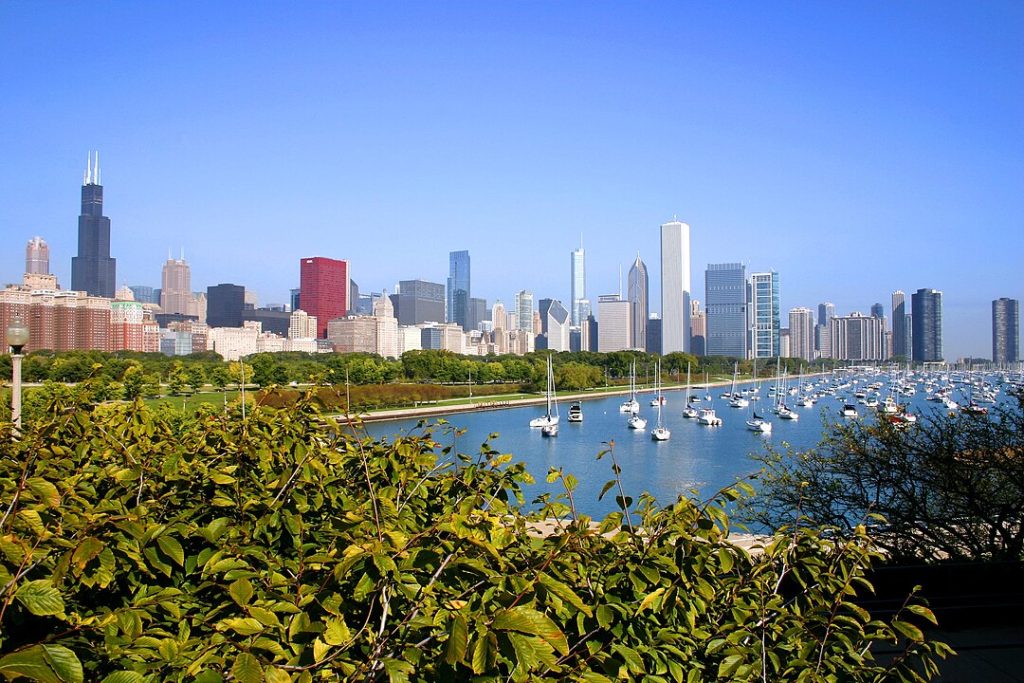
Around the Great Lakes and the Northwoods, winter traditions depend on steady cold, and that window is tightening as ice forms later and breaks up earlier. Ice fishing, snowmobile routes, and shoreline festivals now face more variable conditions, which can compress peak weekends into a shorter midwinter core. Many towns respond by moving signature events earlier, expanding shoulder-season trails, and promoting cabins, saunas, and food scenes as anchors when weather swings, because visitors still come for the mood as much as the thermometer, and local hosts help adjust plans with care and warmth here.