

Before credit cards became a routine part of household finances, most families depended on structured, deliberate budgeting systems that were shaped by limited access to borrowing. Credit cards began appearing in the late 1950s, but they were not widely adopted by middle-income families until the late 1970s and early 1980s. For decades before that shift, spending was tied closely to cash flow, weekly wages, and physical money management. Households had to anticipate expenses carefully, balance necessities against wants, and accept natural limits on consumption. These budgeting habits were not driven by financial theory but by lived necessity. They reflected a world where purchases required planning, saving took time, and financial mistakes were harder to undo. Understanding these older methods offers insight into how families maintained stability without revolving credit, digital banking, or instant loans.
1. Cash-Only Household Budgeting

For much of the early to mid-20th century, most families operated on a strictly cash-only basis. Wages were often paid weekly in envelopes, making income tangible and finite. Once the cash was gone, spending stopped. This system created a natural awareness of limits, forcing households to prioritize essentials such as rent, food, fuel, and utilities before considering discretionary items. Families commonly divide cash immediately after payday, allocating fixed amounts for each expense category. This physical separation reduced impulse spending because money assigned to groceries or school fees could not be casually redirected. The absence of credit cards meant there was no safety net for overspending, reinforcing discipline through necessity. Cash budgeting also made financial consequences immediate and visible, helping families develop realistic expectations about what their income could support.
2. Envelope Systems for Expense Control

One of the most widely used budgeting tools before credit cards was the envelope system, which gained popularity in the 1920s and remained common through the 1960s. Households labeled envelopes for categories like food, clothing, transport, medical needs, and savings. Each envelope held a predetermined amount of cash for a set period, often a week or a month. Once an envelope was empty, spending in that category paused until the next pay cycle. This approach reduced guesswork and encouraged mindful spending decisions. It also helped families adjust habits over time, as shortages in one envelope revealed areas needing higher allocation. The system required honesty and consistency, but it offered clarity and control without requiring formal accounting knowledge or access to borrowing.
3. Planning Purchases Around Pay Cycles

Before credit cards allowed people to buy immediately and pay later, most families timed their spending precisely around pay cycles. Large or nonessential purchases were planned weeks or even months in advance, based on when income would be received. If a paycheck arrived weekly, families structured expenses so essentials were covered first, leaving any remaining funds for optional items. Seasonal costs like school supplies or winter clothing were anticipated well ahead of time. This approach encouraged patience and discouraged impulse buying, since purchases had to wait until sufficient cash was available. It also reduced financial stress by aligning expenses with predictable income patterns. Planning around pay cycles required awareness, restraint, and communication within the household, making budgeting a shared responsibility rather than an individual decision.
4. Layaway Programs for Major Items

Layaway programs were a common budgeting solution for families who needed larger items but lacked immediate cash. Popular from the 1930s through the 1970s, layaway allowed shoppers to reserve goods such as furniture, appliances, or school clothing by making small payments over time. Unlike credit purchases, the item was not taken home until fully paid for, eliminating the risk of debt accumulation. Stores benefited from guaranteed sales, while families benefited from predictable payment schedules. This method taught delayed gratification and encouraged realistic purchasing decisions. Layaway also reduced pressure to overspend, since missing payments could result in cancellation. For many households, it was a disciplined way to afford necessities without borrowing.
5. Saving Before Buying Instead of Financing

Before credit cards normalized paying over time, families were conditioned to save first and buy later. This practice was especially common for durable goods like televisions, washing machines, or bicycles. Households often set aside small amounts from each paycheck into jars, tins, or savings accounts until the full cost is reached. While this delayed ownership, it eliminated interest payments and financial anxiety. Saving before buying also gave families time to reconsider whether a purchase was truly necessary. By the time enough money was accumulated, priorities were clearer, and impulsive desires often faded. This habit reinforced long-term thinking and created a sense of accomplishment when goals were met. The absence of easy credit made patience a built-in part of the budgeting process.
6. Using Community-Based Buying Cooperatives

In many towns and neighborhoods, families relied on cooperative buying arrangements to stretch limited budgets. These cooperatives, especially common in the 1930s through the 1950s, allowed households to pool money to purchase food staples or household goods in bulk at lower prices. Members shared responsibilities like ordering, distribution, and record keeping. By participating, families reduced per-unit costs and avoided retail markups. This approach required coordination and trust but delivered consistent savings. Cooperatives also helped families manage cash flow by planning purchases in advance rather than reacting to store promotions. Without credit cards to soften expenses, cooperative buying offered a practical way to balance quality, quantity, and affordability within tight budgets.
7. Keeping Detailed Household Ledger Books

Long before budgeting apps or digital banking, many families maintained handwritten household ledger books to track income and expenses. These ledgers, popular from the late 1800s through the 1960s, recorded every purchase, bill payment, and savings contribution. Entries were often made daily, helping households see patterns in spending and identify areas where money slipped away. The act of writing expenses created accountability, as every choice had to be acknowledged. Ledgers also helped families plan future budgets by comparing month-to-month costs for essentials like food, coal, or electricity. Without credit cards masking spending through delayed billing, ledgers provided immediate financial clarity. They encouraged careful decision-making and helped families stay aligned with their income reality.
8. Prioritizing Repairs Over Replacements

Before easy credit made replacements convenient, families focused on maintaining and repairing household items for as long as possible. Appliances, furniture, clothing, and tools were seen as long-term investments rather than disposable goods. Budgeting included funds for routine maintenance, such as sewing supplies, shoe repairs, or appliance servicing. This mindset reduced large, unexpected expenses and extended the life of household items. Families often learned basic repair skills themselves to avoid service costs. Choosing repair over replacement also required planning, since funds had to be available when something broke. Without credit cards to absorb surprise costs, this approach helped families control spending while reinforcing resourcefulness and financial patience.
9. Setting Aside Separate Funds for Irregular Expenses
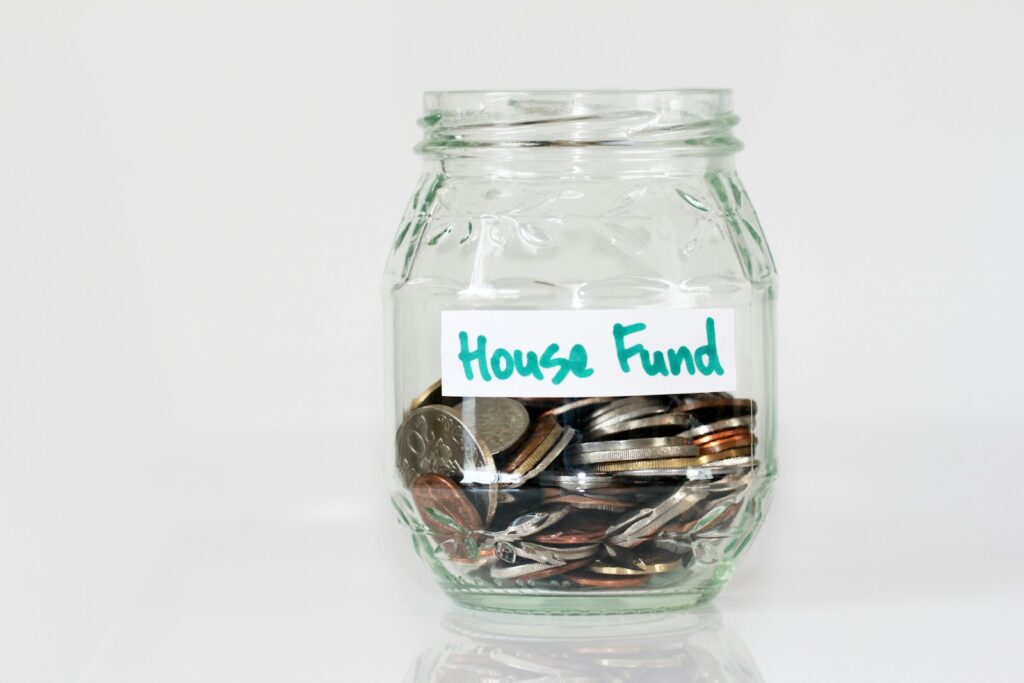
Before credit cards allowed families to smooth out irregular costs, households planned carefully for expenses that did not occur every month. Items like school fees, medical visits, home repairs, and holiday spending were anticipated well in advance. Families often created separate savings jars, envelopes, or bank accounts specifically for these purposes. Small, regular contributions helped reduce financial strain when the expense eventually arrived. This practice required foresight and discipline, as skipping contributions could create future hardship. By planning for irregular expenses, families avoided sudden budget disruptions. Without access to instant credit, this method ensured stability and reduced reliance on emergency borrowing. It also encouraged long-term thinking and realistic financial planning.
10. Living Within Clearly Defined Social Expectations

Social norms before widespread credit card use played a significant role in household budgeting. Families were generally expected to live within visible means, and excessive spending often attracted scrutiny rather than admiration. Budgeting decisions were influenced by community standards that valued modesty, reliability, and financial responsibility. Celebrations, clothing, and home furnishings reflected practicality rather than status competition. This reduced pressure to overspend for appearances. Without credit cards to enable lifestyle inflation, families aligned spending with income and accepted trade-offs openly. These expectations supported sustainable budgeting habits and reduced financial anxiety. Living within clear social boundaries made budgeting a shared cultural practice rather than an isolated personal struggle.
11. Relying on Single-Income Budget Structures

Before credit cards became common, many households were structured around a single primary income, which strongly shaped budgeting habits. Families built their expenses around what one steady wage could reliably support, rather than assuming shortfalls could be covered later through borrowing. This meant housing, food, transportation, and education costs were carefully matched to income from the beginning. Budgeting emphasized predictability and caution, with limited tolerance for financial risk. Even when secondary income existed, it was often treated as supplemental rather than essential. This approach reduced vulnerability during job disruptions or illness. Without credit cards to bridge gaps, single-income budgeting encouraged conservative planning and reinforced the importance of financial buffers created through savings and restraint.
12. Treating Debt as a Last Resort

In the era before credit cards were widespread, debt carried a strong social and emotional weight. Families generally viewed borrowing as something to avoid unless absolutely necessary, such as for medical emergencies or essential home repairs. Budgeting was designed to prevent debt rather than manage it. This mindset influenced everyday decisions, from choosing modest housing to delaying purchases until funds were available. Interest-bearing debt was especially discouraged, as it was seen as money lost rather than money used. Without revolving credit, families were forced to confront trade-offs directly. Treating debt as a last resort reinforced careful planning, personal accountability, and long-term financial stability within household budgets.
13. Making Budget Decisions as a Family Unit

Before credit cards made individual spending more private, budgeting was often a shared family activity. Income limits affected everyone, so decisions about spending, saving, and postponing purchases were discussed openly. Parents involved children in conversations about household needs, explaining why certain items had to wait or why cheaper alternatives were chosen. This transparency helped align expectations and reduce conflict over money. Budget meetings were informal but frequent, often happening around kitchen tables. Without credit cards to separate spending from consequences, families learned to compromise together. This collective approach reinforced responsibility, patience, and shared accountability, making budgeting a cooperative effort rather than a solitary task managed by one person.
14. Accepting Delays as a Normal Part of Buying

One defining feature of budgeting before credit cards was the acceptance that not everything could be bought immediately. Delays were expected, normal, and socially accepted. Families often waited weeks or months for nonessential items, using the time to save, compare options, or reassess priorities. This waiting period reduced regret and minimized unnecessary spending. Budgeting naturally included timelines, not just amounts. Without instant purchasing power, patience became a financial skill. Delayed buying also helped families appreciate items more once acquired, reinforcing thoughtful consumption. This acceptance of waiting shaped realistic financial habits and reduced pressure to overspend, creating a calmer, more sustainable approach to household budgeting.
Keep reading on The WiC Project Lifestyle Blog & Miriam’s Boutique: Home Goods, Beauty, & Fashion Store