
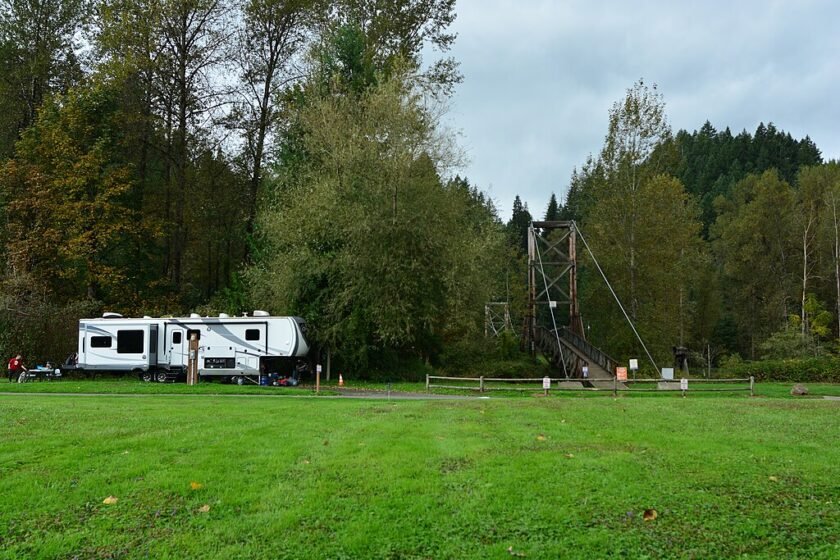
Spring thaw transforms camping conditions across the Pacific Northwest as snowmelt, rain, and rising temperatures reshape landscapes. Trails soften, rivers swell, and forests awaken with renewed growth. Campers encounter shifting ground conditions, increased wildlife activity, and unpredictable weather patterns. Familiar campsites may feel entirely different after winter retreats. Understanding these seasonal changes helps campers prepare responsibly and avoid unnecessary risks. From coastal rainforests to Cascade foothills, thaw cycles influence access, safety, and comfort. This guide explains ten ways spring thaw alters camping conditions in the Pacific Northwest, reflecting regional climate patterns and land management realities shaped by water, terrain, and ecology.
Muddy And Unstable Ground
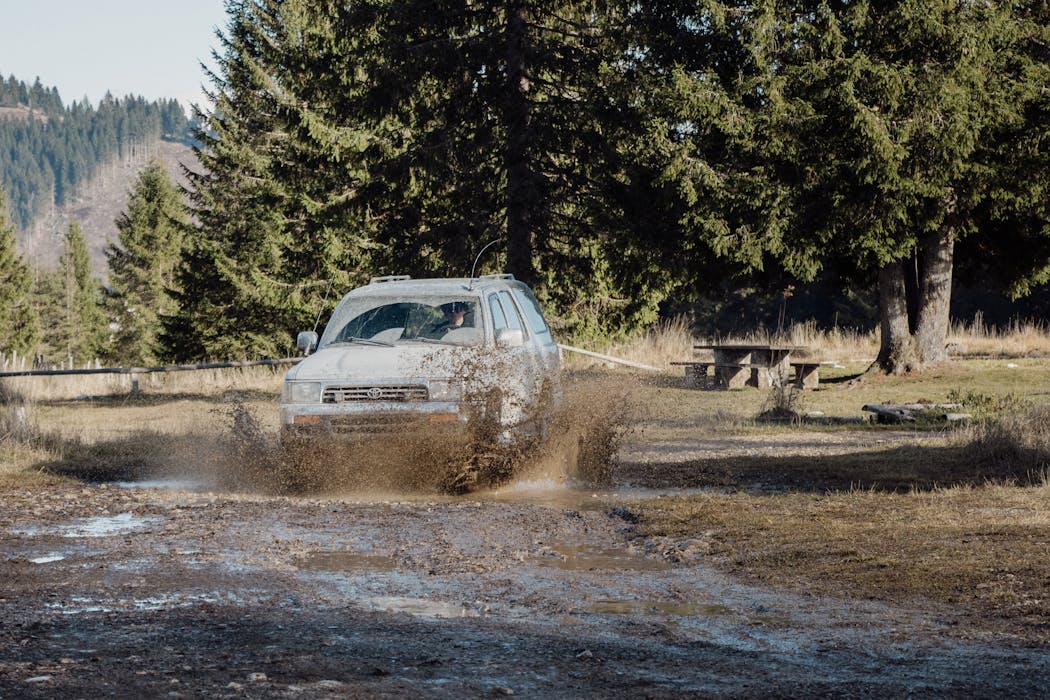
Spring thaw saturates soil across the Pacific Northwest, creating muddy and unstable ground at many campsites. Snowmelt and persistent rain overwhelm drainage, especially in forested valleys. Tent stakes loosen easily, and foot traffic churns trails into soft ruts. Campers may struggle to find level, firm ground. Standing water collects in depressions. Choosing elevated sites becomes essential. Mud increases slip risks, particularly on slopes. This condition slows movement and complicates setup. Understanding soil saturation helps campers adjust footwear, site selection, and expectations while minimizing damage to fragile spring landscapes recovering from winter compaction and erosion pressures.
Higher River And Creek Levels
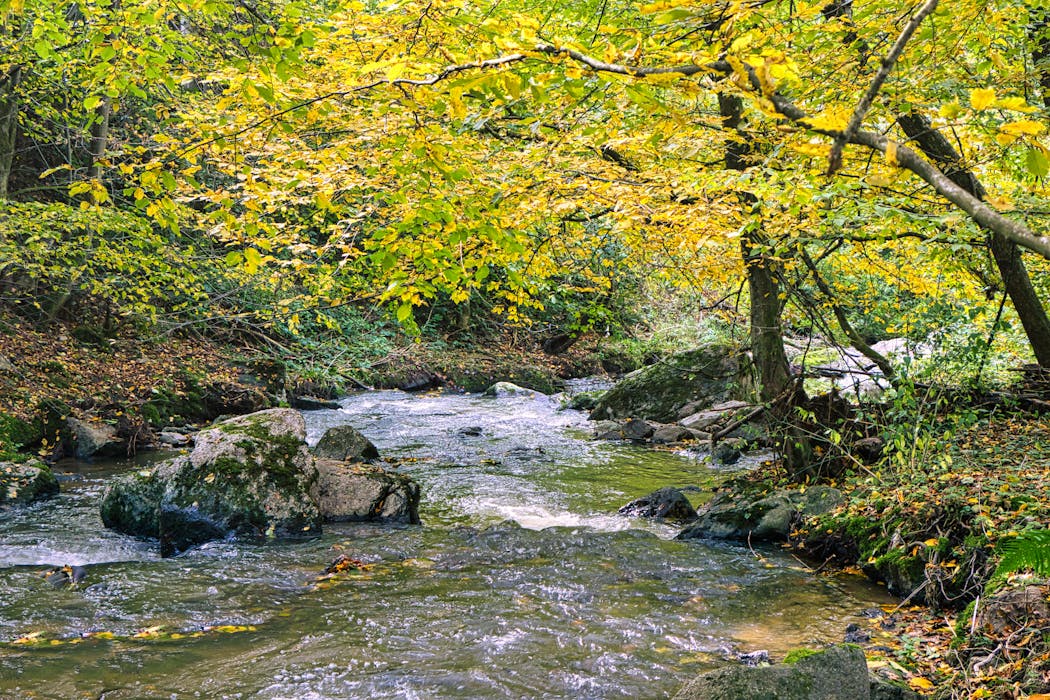
Spring thaw dramatically raises river and creek levels throughout the region. Melting snowpack feeds waterways continuously, increasing flow speed and volume. Crossings that appear manageable in summer become dangerous. Campsites near water risk flooding overnight. Cold runoff intensifies hypothermia risk during accidental immersion. Campers must reassess distances from banks. Rangers advise avoiding fords during peak melt. Elevated flows also reshape channels, eroding banks. Awareness of hydrology changes improves safety. Monitoring forecasts and selecting higher ground reduces exposure to sudden water surges common during Pacific Northwest spring conditions.
Lingering Snow At Higher Elevations
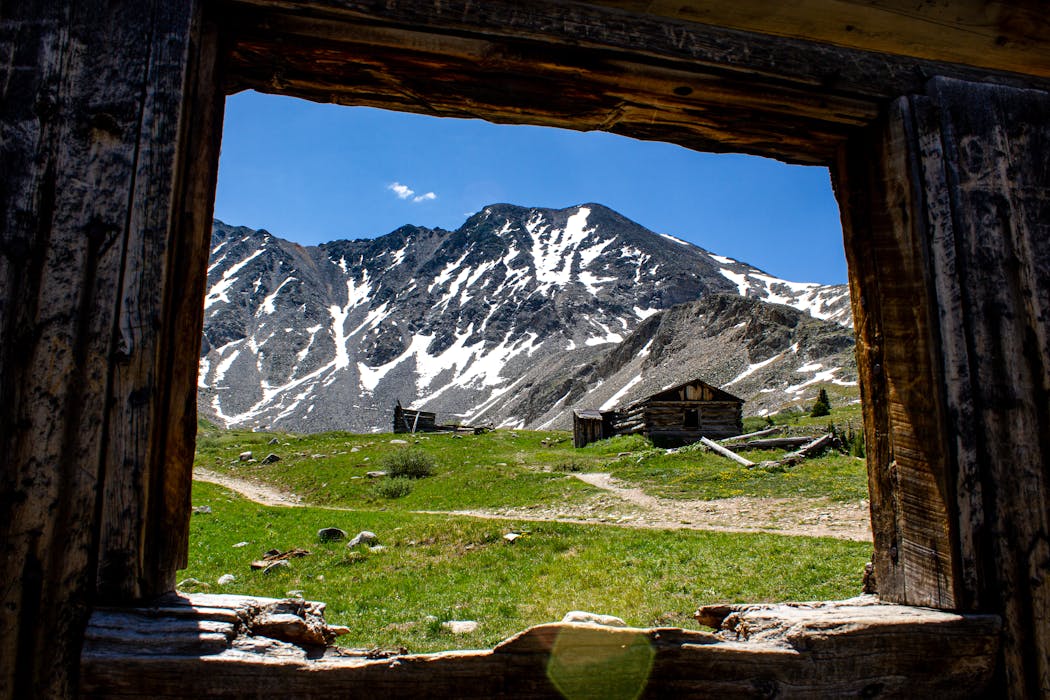
Despite warmer valleys, higher elevations retain snow well into spring. Mountain campsites may remain inaccessible. Trails disappear beneath snowfields, complicating navigation. Campers encounter icy patches and unstable melt layers. Snow bridges over streams weaken, creating hidden hazards. Nighttime temperatures drop below freezing. Equipment suited for winter conditions remains necessary. Rangers caution against underestimating snow persistence. Maps may not reflect current conditions. Lingering snow affects route planning and campsite availability. Recognizing elevation differences prevents exposure and ensures preparedness when transitioning between lowland thaw and alpine winter environments still firmly in place.
Increased Insect Activity
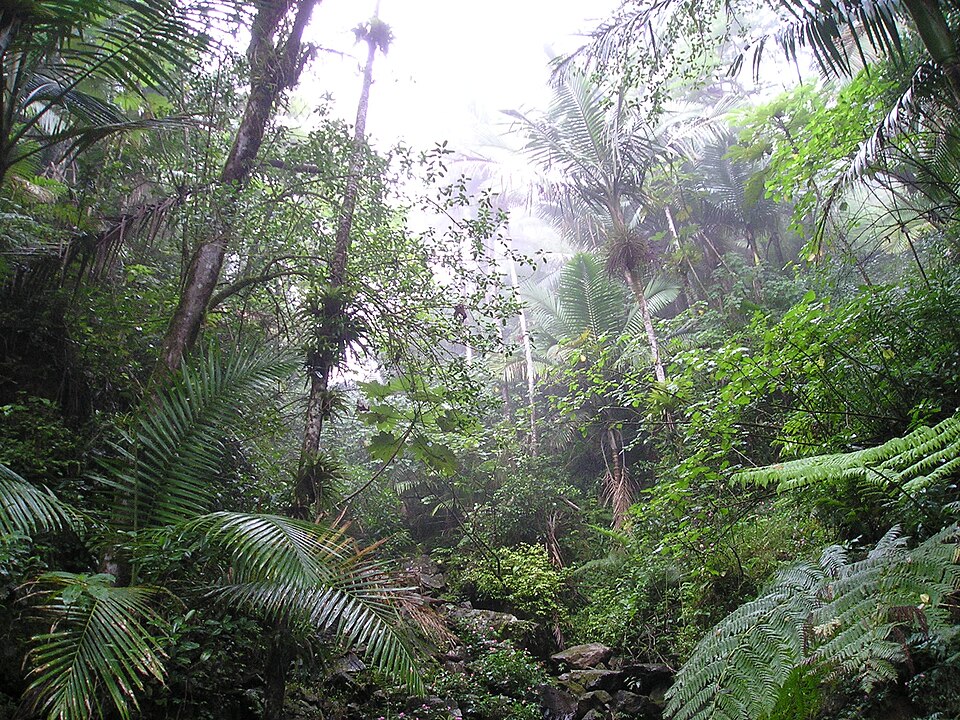
As the thaw accelerates, insects emerge rapidly across wetlands and forests. Mosquitoes thrive near standing water formed by the melt. Flies and gnats become active during warmer afternoons. Camps near marshy areas experience heavy insect pressure. Campers may find evenings less comfortable. Protective clothing and timing adjustments help. Insects play vital ecological roles but challenge comfort. Awareness encourages campsite selection away from stagnant water. Early spring sees unpredictable surges. Understanding insect cycles allows campers to anticipate conditions and prepare appropriately, maintaining enjoyment while respecting seasonal ecological rhythms unfolding throughout the Pacific Northwest landscape.
Trail Damage And Closures
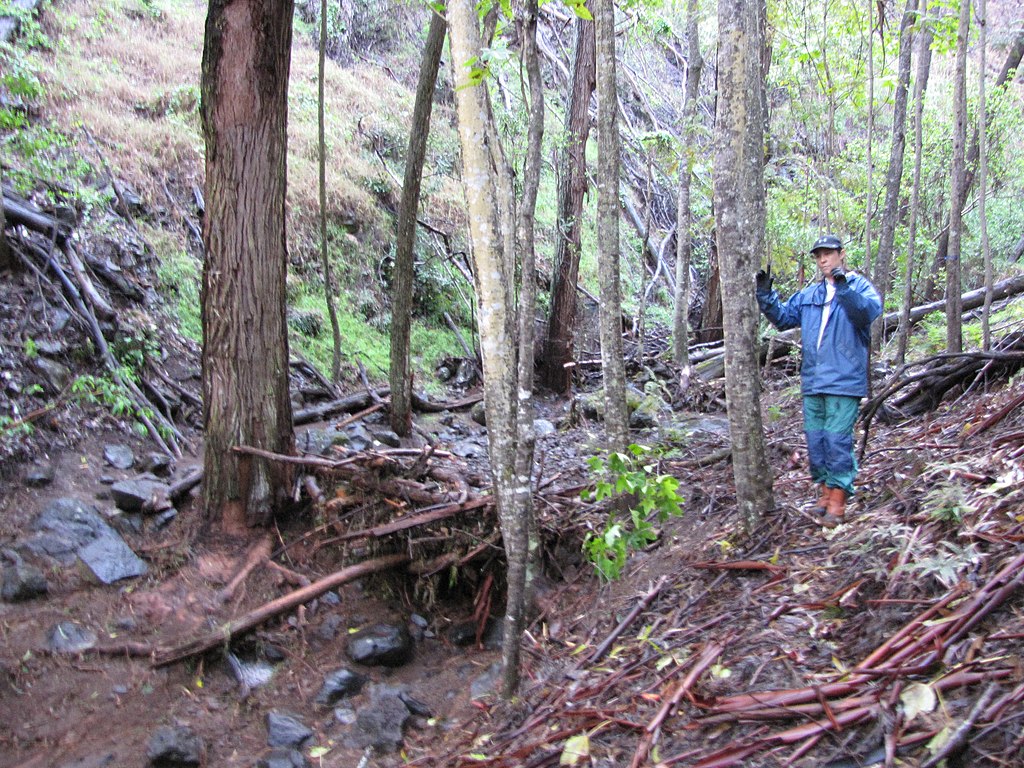
Spring thaw leaves many trails vulnerable to damage. Saturated soils erode under foot traffic. Land managers often impose seasonal closures to protect trails. Ignoring closures worsens long-term degradation. Campers may face reroutes or limited access. Muddy conditions increase maintenance needs. Rangers encourage staying on durable surfaces. Checking the current trail status prevents frustration. Understanding thaw-related closures supports conservation. These restrictions reflect stewardship priorities rather than inconvenience. Adjusting plans protects shared resources and ensures trails recover properly before peak summer use resumes across heavily visited Pacific Northwest recreation areas.
Rapidly Changing Weather

Spring weather in the Pacific Northwest shifts quickly. Warm sunshine gives way to cold rain within hours. Snowfall remains possible at elevation. Thaw increases atmospheric instability. Campers experience sudden temperature drops and wind. Layering becomes essential. Forecasts change rapidly. Preparedness reduces risk. Weather influences snowmelt rates, compounding hazards. Understanding volatility improves decision-making. Campsites exposed to wind or rain become uncomfortable. Shelters require secure anchoring. Recognizing spring variability allows campers to adapt schedules and gear, ensuring safety amid unpredictable conditions driven by seasonal atmospheric transitions common across the region.
Increased Wildlife Movement
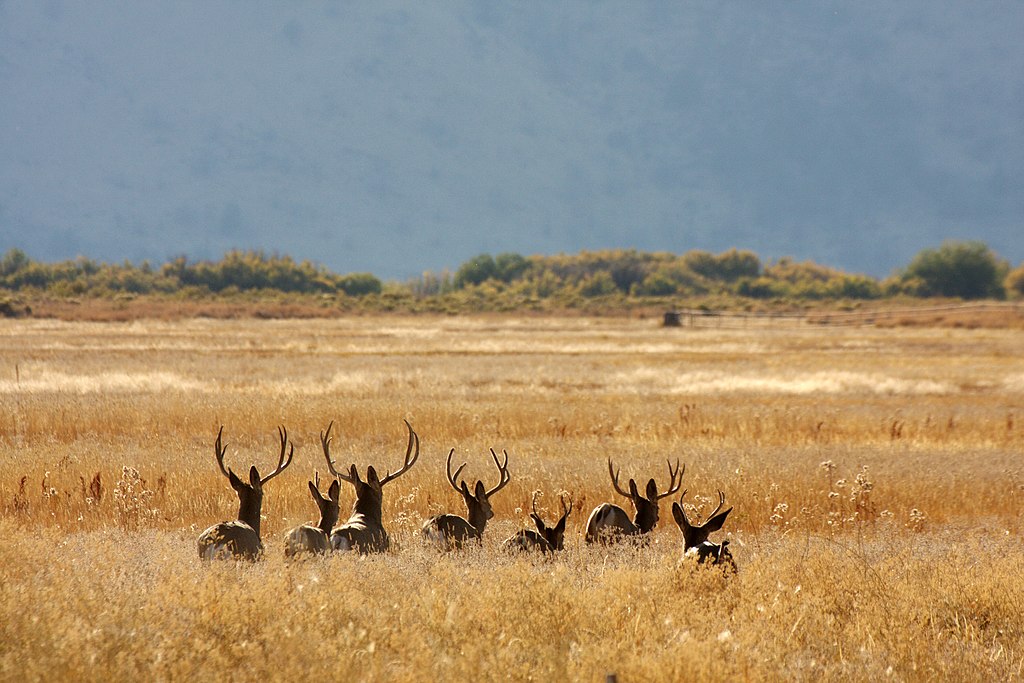
Spring thaw triggers increased wildlife movement as animals forage after winter scarcity. Bears emerge from dens, while elk and deer migrate. Campsites near food sources see more activity. Improper food storage heightens the risk. Rangers emphasize vigilance. Animals explore lower elevations freed from snow. Campers may observe tracks near tents. Awareness encourages cautious behavior. Understanding wildlife patterns supports coexistence. Avoiding attractants reduces conflict. Spring represents a sensitive period for animals rebuilding energy reserves. Recognizing heightened movement helps campers respect boundaries and maintain safe distances during this biologically active season.
Limited Road And Camp Access
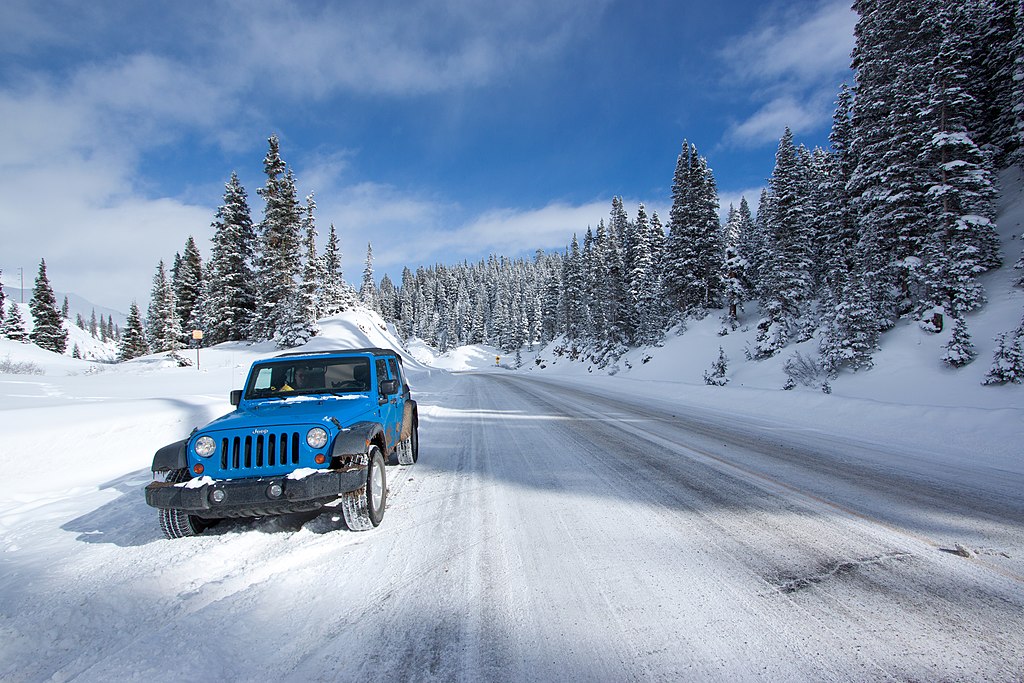
Snowmelt and washouts restrict access to many forest roads. Potholes deepen as frost leaves the ground. Gates remain closed to protect roads. Campers encounter delayed openings. Remote sites become unreachable. Checking access status becomes critical. Vehicles risk damage on softened roads. Rangers advise patience. Access limitations reflect infrastructure stress. Understanding road conditions prevents stranding. Planning alternative locations ensures flexibility. Spring thaw challenges transportation networks across mountainous regions. Awareness allows campers to choose accessible destinations while respecting closures designed to preserve roads and protect visitors during vulnerable transition periods.
Cold And Wet Evenings

Despite daytime warmth, spring evenings remain cold and damp. Meltwater increases humidity. Temperatures drop quickly after sunset. Campers feel chilled once activity slows. Wet ground radiates cold upward. Insulation remains necessary. Fire restrictions may limit warmth options. Recognizing diurnal temperature swings improves comfort planning. Dry layers and proper sleeping systems matter. Cold evenings challenge those expecting mild conditions. Awareness helps manage energy and morale. Spring thaw creates deceptive warmth followed by sudden chill, reinforcing the need for preparation even as landscapes appear greener and more inviting.
Fragile Vegetation Recovery
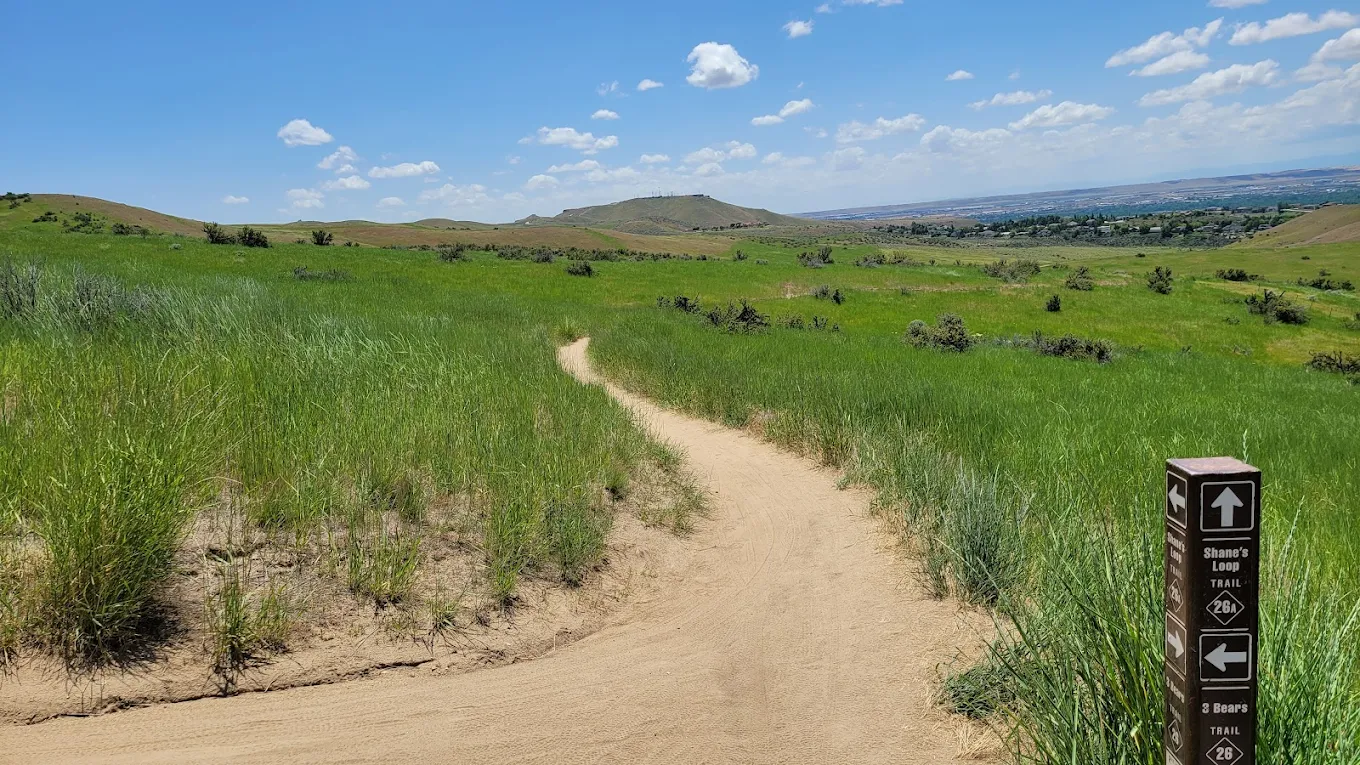
Spring thaw marks a critical recovery period for vegetation. New growth emerges from saturated soils. Foot traffic damages tender plants easily. Campsites expand inadvertently. Rangers urge minimizing impact. Staying on established sites protects regrowth. Soil compaction harms roots. Awareness supports Leave No Trace principles. Vegetation stabilizes slopes and prevents erosion. Respecting recovery preserves ecosystem health. Campers play a role in stewardship. Recognizing fragility encourages careful movement and site selection. Spring camping requires heightened sensitivity to landscapes transitioning from dormancy to active growth across Pacific Northwest forests and meadows.
The post 10 Ways Spring Thaw Changes Camping Conditions in the Pacific Northwest appeared first on Bushcraft Base Camp.