
You probably think TSA stops come from obvious mistakes like forgetting to remove a laptop or carrying too much liquid. In reality, you often get pulled aside for items you use every day and never question. TSA officers are trained to flag objects that create unclear X-ray images, resemble prohibited items, or require manual inspection to confirm safety. That means your bag can trigger extra screening even if you followed the rules. Understanding what slows you down helps you pack smarter and avoid delays that feel random but are not. If you want to move through security without surprise stops, these are the items most likely to cause problems.
1. Peanut Butter and Other Spreadable Foods

You may assume food is harmless, but spreadable foods regularly get you stopped because TSA classifies them as liquids or gels. Peanut butter, hummus, cream cheese, yogurt, and even thick dips fall under the 3.4-ounce liquid rule for carry-ons. TSA officers frequently stop bags to measure containers or test substances when the texture makes X-ray images unclear. According to TSA guidance, anything that can be smeared, pumped, or poured counts as a liquid. If you pack these items without realizing the rule applies, expect extra screening or confiscation. Keeping them under size limits or placing them in checked luggage prevents unnecessary delays.
2. Power Banks and Loose Lithium Batteries

You rely on power banks to keep devices alive, but they often trigger secondary screening. TSA allows lithium batteries only in carry-on bags because of fire risk, and officers frequently stop bags to check battery size and labeling. Large power banks or those without visible capacity markings raise red flags. The FAA warns that damaged or oversized lithium batteries pose serious safety concerns mid-flight. If your battery looks bulky or poorly labeled on the scanner, TSA will pull your bag. Carry approved sizes, avoid damaged units, and keep batteries easily accessible to reduce scrutiny.
3. Dense Electronics Beyond Laptops

You know to remove laptops, but other dense electronics often get overlooked. Game consoles, professional cameras, large speakers, and medical devices can block X-ray visibility, forcing TSA to inspect your bag manually. TSA screening protocols require officers to see clear outlines of items beneath electronics. When your bag stacks multiple devices together, the scanner cannot resolve shapes properly. This does not mean you broke a rule, but it does mean a delay. Separating electronics or placing them in bins when requested helps you move faster and avoids repeated stops. If you travel with multiple devices, placing each one in its own bin gives officers a faster, clearer view and usually prevents a secondary check.
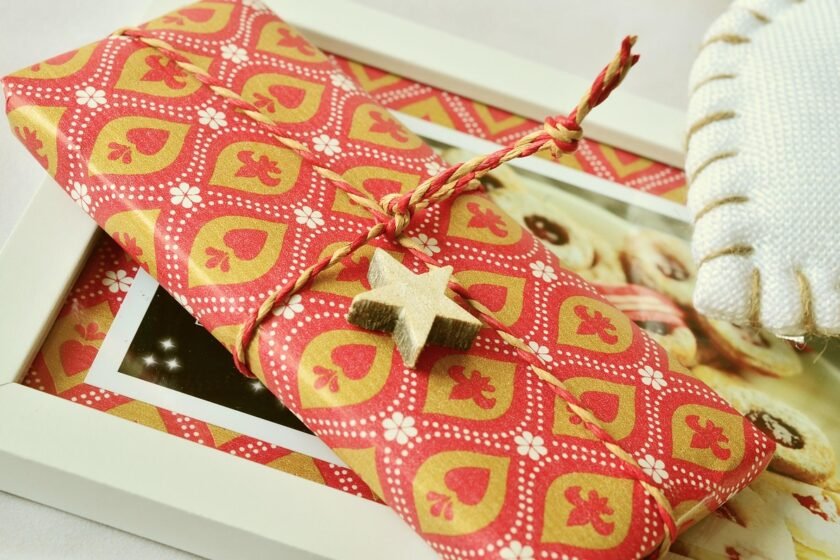
5. Wrapped Gifts

You might wrap gifts carefully to save time later, but wrapped packages frequently trigger TSA inspections. Wrapping paper, bows, and tape interfere with X-ray clarity, making it difficult for officers to identify what is inside. When contents are unclear, TSA procedures require manual inspection, which often means unwrapping the gift entirely. TSA travel advisories consistently recommend wrapping gifts after arrival or using gift bags instead. Even harmless items can cause delays because officers cannot rely on shape recognition alone. If you wrap gifts before traveling, you should expect possible damage to the packaging and extra screening time. Choosing unwrapped packing options keeps you moving and protects your patience.
6. Protein Powders and Supplements
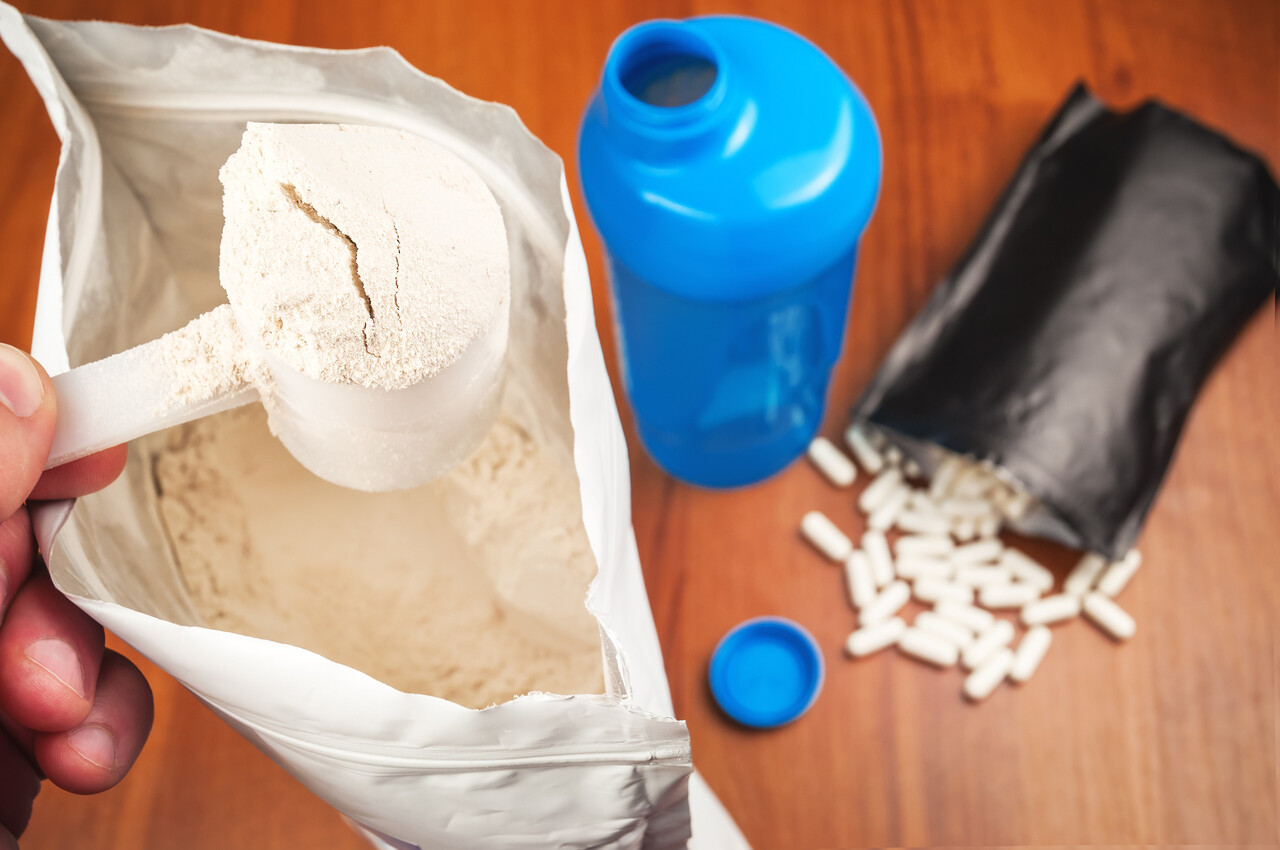
Protein powders, meal replacements, and powdered supplements are well known for slowing travelers down. TSA has confirmed that powders over 12 ounces in carry-on bags require additional screening because their fine, uniform density makes X-ray analysis difficult. Officers often swab containers for explosive residue or open them to verify contents, even when packaging is sealed. Large powder containers also block visibility of surrounding items, increasing inspection time. This process does not mean suspicion of wrongdoing, but it does mean delay. Packing powders in checked luggage or using smaller, clearly labeled containers minimizes screening and reduces the chance of secondary checks.
7. Personal Care Items That Look Solid

Many personal care products appear solid but fall under TSA liquid or aerosol rules. Items like deodorant sticks, hair wax, toothpaste, gel sunscreen, and shaving cream often exceed size limits without you realizing it. Aerosol containers add pressure and flammability concerns, which officers must evaluate carefully. TSA frequently stops bags when travelers misclassify these items, especially if labeling is unclear or containers are oversized. Even when allowed, these products may require removal for closer inspection. Using travel-size versions and placing them in a clear liquids bag helps officers identify them quickly and reduces delays at the checkpoint.
8. Tools and Multi-Use Gear
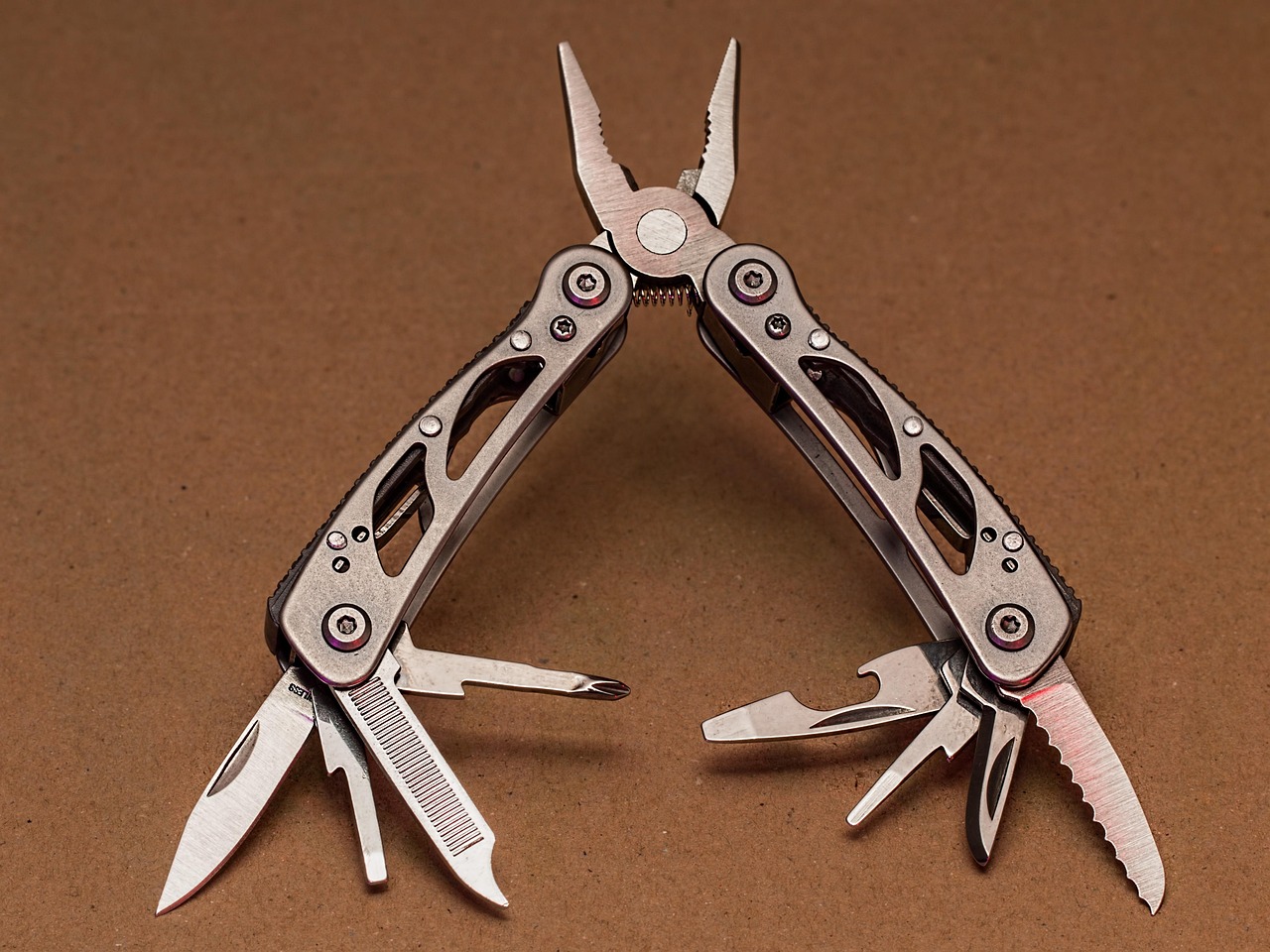
Small tools may seem harmless, but many fall into restricted or conditionally allowed categories. Multi-tools, compact tool kits, screwdrivers, pliers, and measuring devices often trigger bag inspections because officers must verify blade length, function, and measurements. TSA rules clearly restrict tools capable of causing harm in the cabin, even when they are small. Dense metal shapes also obscure other items on X-ray scans, which increases the likelihood of a stop. If officers need to measure or disassemble items, screening takes longer. Packing tools in checked luggage is usually the fastest way to avoid delays and confiscation.
9. Food That Looks Unusual on X-Ray
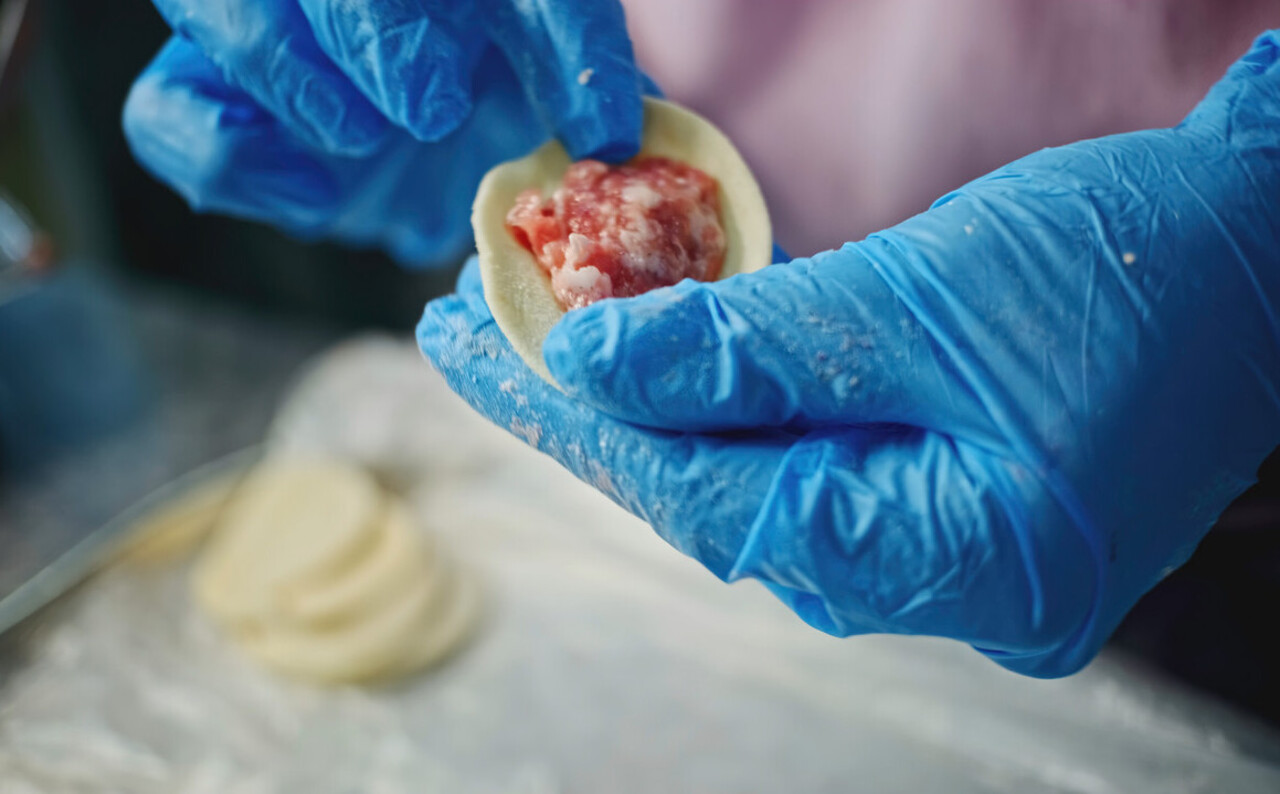
Certain foods consistently confuse X-ray scanners due to density and shape. Frozen meats, dense cheese blocks, vacuum-sealed meals, and tightly packed snacks often resemble restricted materials on scans. TSA officers stop bags when shapes appear uniform or opaque, even if food is permitted. They may inspect packaging, ask questions, or remove items for closer examination. This process follows standard screening practices designed to confirm safety, not penalize travelers. Keeping food loosely packed, clearly visible, and easy to access allows officers to resolve concerns faster and reduces the chance of extended inspection.
10. Medical Supplies and Equipment

Medical supplies are allowed, but they frequently trigger additional screening. CPAP machines, insulin pumps, syringes, liquid medications, and mobility aids often require visual inspection or swab testing. TSA policy allows reasonable quantities of medically necessary items, but officers must verify them for safety. When medical equipment is buried under clothing or electronics, screening becomes more complicated and time-consuming. Declaring medical items proactively and separating them into their own bin helps officers complete checks quickly while minimizing handling and delays.
11. Unlabeled Liquids

Unlabeled containers are a common reason bags get stopped. Refilled travel bottles, reused jars, or homemade products prevent officers from immediately identifying contents. TSA guidelines emphasize clarity and identification for liquids and gels because unknown substances require verification. Even when quantities comply with size limits, unlabeled containers often trigger testing or removal. This extra step slows screening and increases your chance of a bag check. Using original containers or clearly labeled bottles helps officers move your bag through the system without hesitation. If you transfer products into smaller containers, writing the contents directly on the bottle or using pre-labeled travel containers can prevent unnecessary delays.
12. Large Amounts of Cash

Carrying cash is legal, but large sums often prompt additional screening. TSA does not set limits on how much money you can carry, but officers may involve law enforcement if cash appears concealed, unusually packaged, or inconsistent with travel context. TSA has stated that cash itself is not prohibited, yet it can trigger questions when combined with other factors. Keeping cash organized, visible, and easy to explain reduces suspicion and speeds up screening. Disorganized bundles or hidden storage almost always lead to delays. If you carry a large amount, placing it in a standard wallet, envelope, or bank-style sleeve makes it easier to explain and less likely to raise concerns.