Single-Serve Frozen Meals
Bustling schedules once made single-serving frozen dinners a staple for a fast lunch or supper, yet today many supermarkets offer fewer choices. Retailers lean toward larger family-size options that tend to move faster and boost margins as prices rise. Consequently, shelf space for one-portion meals like lasagna, burritos, or bowls ready to heat has shrunk, making it tougher for shoppers seeking a single serving with no leftovers. Even with solid overall frozen-food demand, fewer options are noted. Retailers report shrinkage across six freezer sections, narrowing the variety available.
Ethnic and Global Frozen Foods
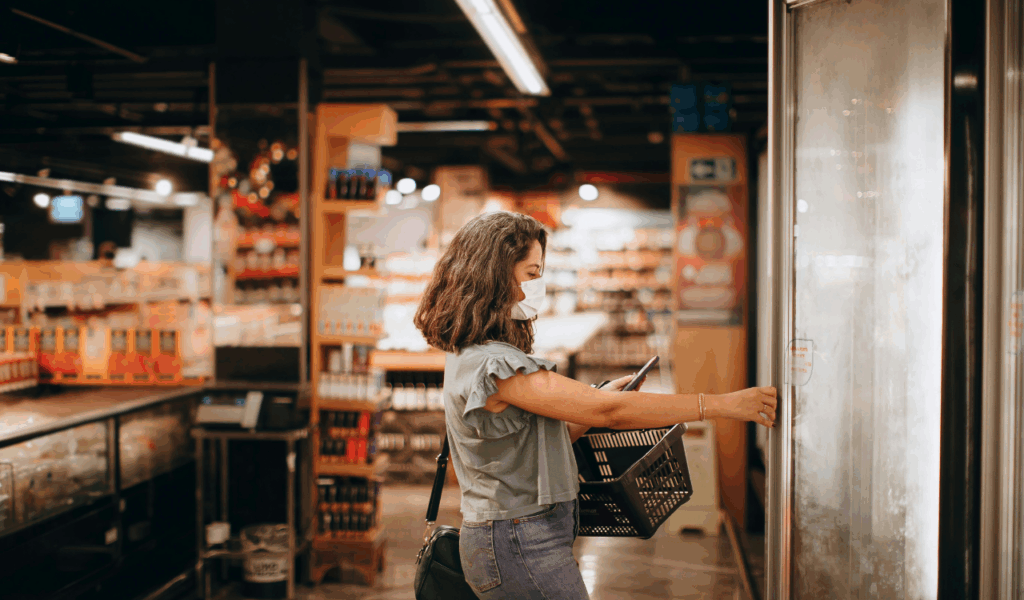
Frozen aisles once showcased a broad spectrum of ethnic cuisines—Asian dumplings, Mediterranean dishes, and Latin-inspired meals. In some stores, these specialty international items have become scarcer. To maximize turnover, retailers frequently cut slower-selling specialty SKUs and substitute them with frozen staples that move more quickly. This can make it harder for shoppers seeking frozen options from other countries to locate what they want, or they may need to visit specialized markets. Premium global dinners remain available in supermarkets and urban centers, while smaller or lower-priced shops may trim variety to save money and clear out unsold stock.
Organic and Health Focused Frozen Items
The shift toward healthier groceries hasn’t yet translated into abundant freezer space for organic or “better for you” frozen options across the board. Some stores promote health-conscious frozen meals, but most allocate more freezer real estate to popular comfort foods and affordable brands. Health-minded shoppers report fewer choices for organic fruit blends, plant-based frozen dinners, or gluten-free frozen options than for other categories. The reduced dedicated space signals that these smaller yet growing groups have less room, even as demand increases.
Frozen Produce Variety
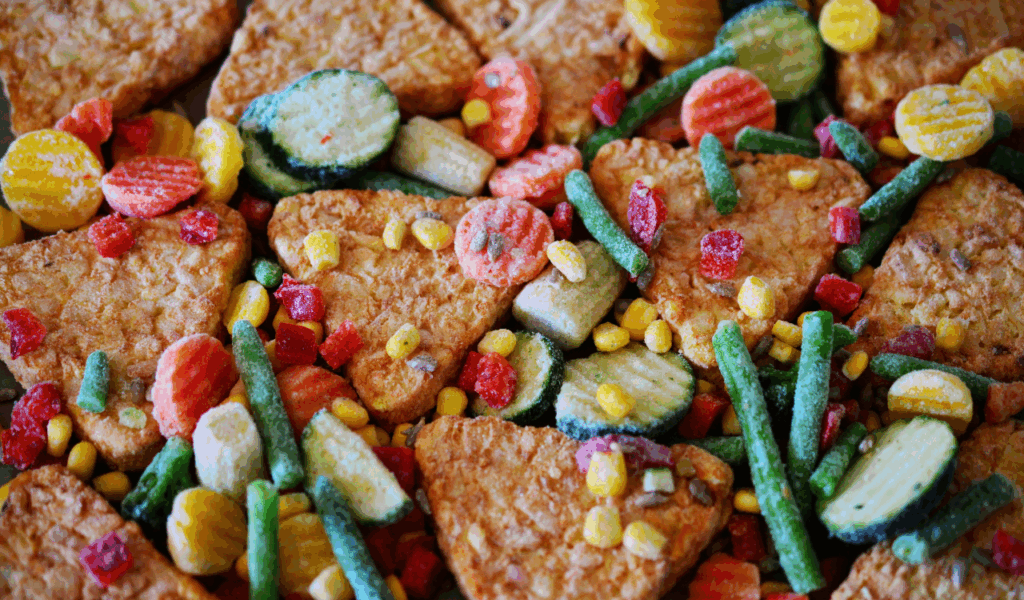
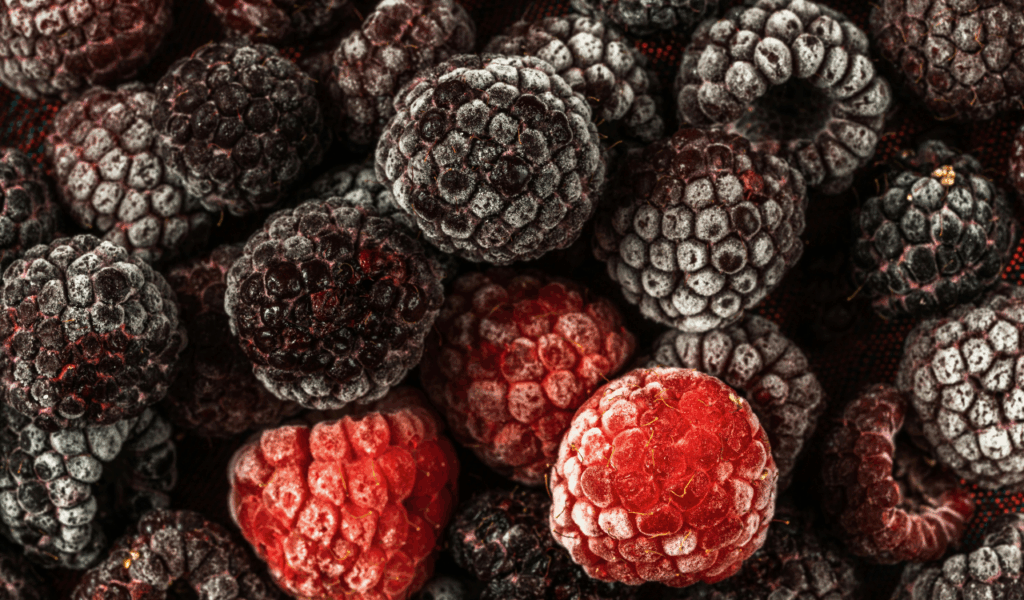
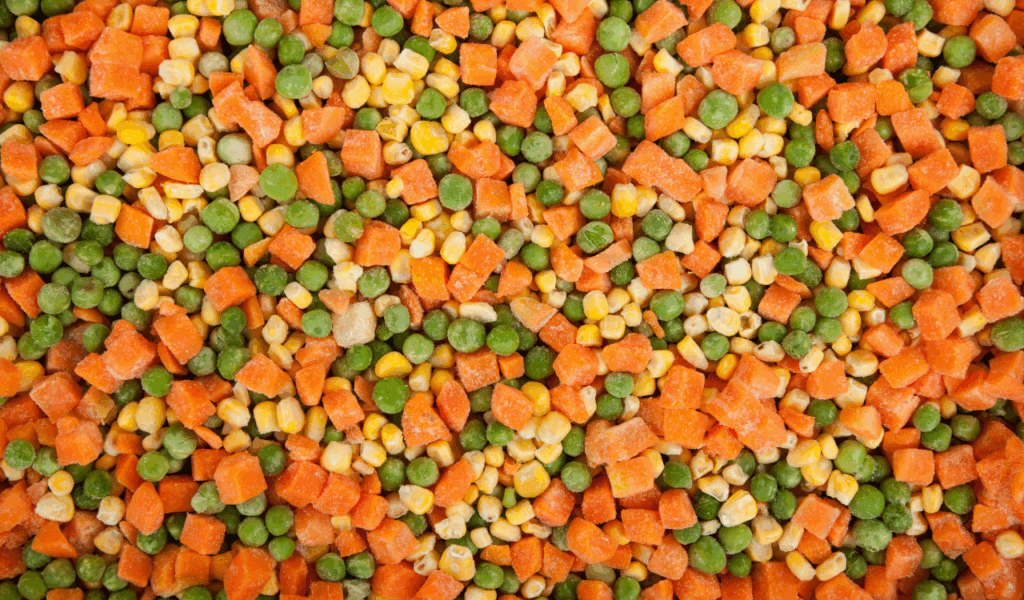
Frozen fruits and vegetables offer convenience and can often be more economical than fresh, yet shoppers may notice the range shrinking from visit to visit. With pressure to control inventory shrinkage and spoilage, retailers might reduce the number of distinct frozen produce SKUs, especially for less popular items. Stores may stock only peas, corn, and mixed vegetables instead of mango chunks or cauliflower rice. Even when plenty of shelf space exists, the freezer section can feel tighter.
Dessert and Specialty Frozen Treats
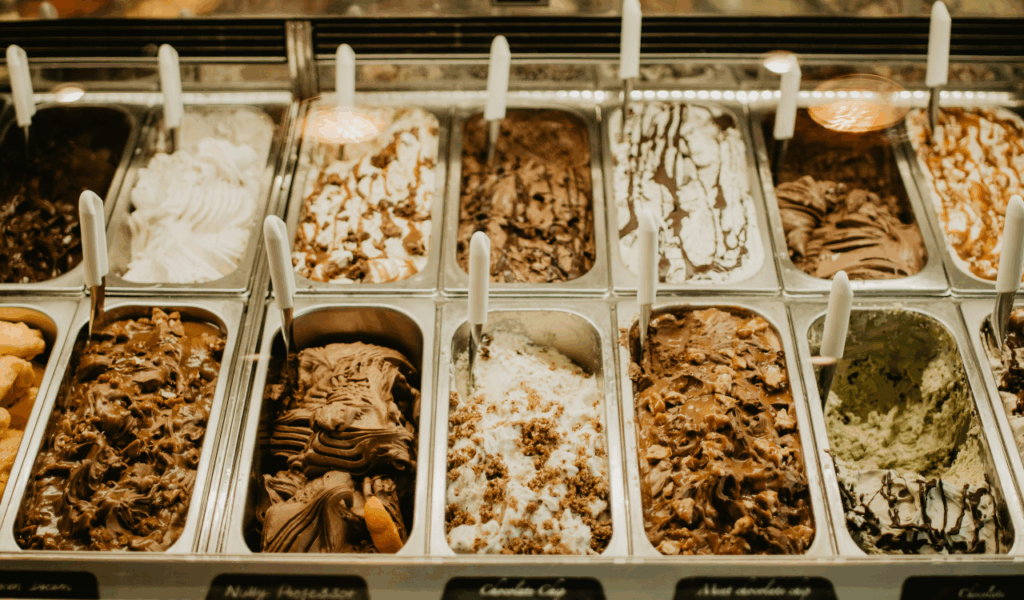
Customers are noting that artisanal ice creams, novelty bars, and seasonal specialty goods occupy less room in freezer aisles, despite their long-standing appeal. To steer sales toward high-margin core ice creams or to reduce slow-moving stock that occupies valuable freezer space, chains may limit the availability of these premium items. Shoppers desiring a broader array of frozen confections might be disappointed by a leaner assortment and a focus on more basic options.
Bulk and Value Pack Options
Shoppers who prefer buying frozen goods in bulk or value-pack formats—large bags of frozen vegetables or multipacks of snacks—may notice these options becoming less common. Retailers often favor individually sized items that sell more consistently, especially in compact urban stores where space, operating costs, and shrinkage must be balanced. Value and bulk offerings might be scarcer but still available. With thinner packaging lines and fewer discount options, the freezer aisles can feel more crowded.