
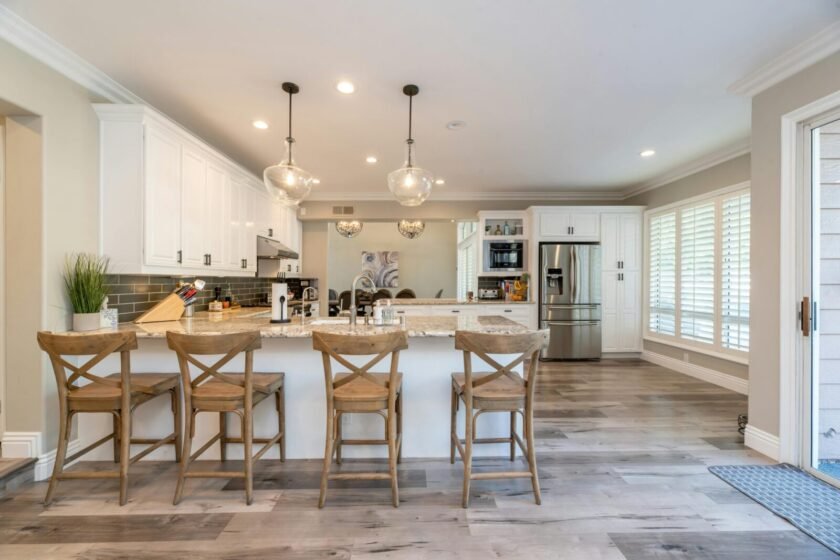
Home is meant to be a safe haven, yet many accidents occur in familiar spaces. Slips, trips, falls, and other injuries can happen due to overlooked hazards, inadequate lighting, or poorly arranged furniture. Major renovations can be expensive, but small strategic changes can significantly reduce injury risks and make daily living safer for everyone, especially children, older adults, and people with mobility challenges. By being mindful of potential dangers and implementing simple adjustments, homeowners can prevent common accidents without altering the character or comfort of their homes. These modifications promote safety, accessibility, organization, and peace of mind. Here are eleven small but effective changes that can transform your home into a safer space.
1. Improve Lighting Throughout the Home

Poor lighting contributes significantly to household injuries. Dimly lit areas such as staircases, hallways, and entrances increase the risk of trips and falls. Installing brighter bulbs, motion-sensor lights, or additional fixtures in darker spaces improves visibility. Night lights in bedrooms, bathrooms, and corridors guide family members during nighttime trips. Choosing energy-efficient LED lighting ensures consistent brightness and reduces maintenance. Minimizing glare by using lampshades and positioning lights strategically is important. Improved lighting prevents accidents and creates a more welcoming and comfortable atmosphere. Adequate lighting is a small change with a substantial impact on everyday safety, especially in homes with children or older adults.
2. Remove Tripping Hazards

Clutter, loose rugs, cords, and uneven flooring are common tripping hazards in homes. Keeping pathways clear and ensuring floors are even can prevent accidents. Secure rugs with non-slip backing, organize cords along walls, and remove items left in high-traffic areas. Even small objects on the floor, such as toys or shoes, can cause serious injuries. Regularly checking for and addressing these hazards helps maintain a safe living environment. Implementing these changes requires minimal effort but significantly reduces fall risks. A clutter-free home not only looks tidy but also protects everyone from avoidable injuries. Prevention through organization is simple yet highly effective.
3. Install Grab Bars and Handrails
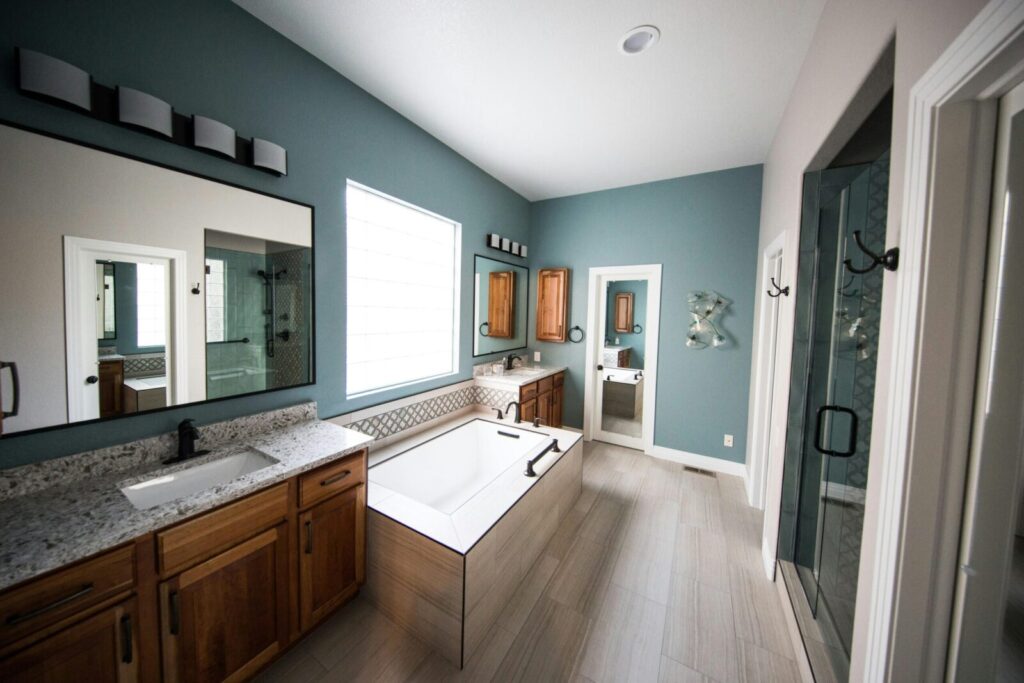
Grab bars and handrails provide essential support in areas prone to slips, such as bathrooms and staircases. Installing sturdy, well-positioned grab bars near toilets, showers, and tubs helps prevent falls during routine activities. Handrails along staircases offer stability and balance for children, older adults, and individuals with mobility issues. It is crucial to ensure these supports are securely anchored and made from durable materials. Their presence enhances safety and promotes confidence when moving around the home. Even those who feel steady on their feet benefit from grab bars and handrails, which provide extra protection during unexpected slips or emergencies, making daily living safer for all household members.
4. Use Non-Slip Mats in Wet Areas
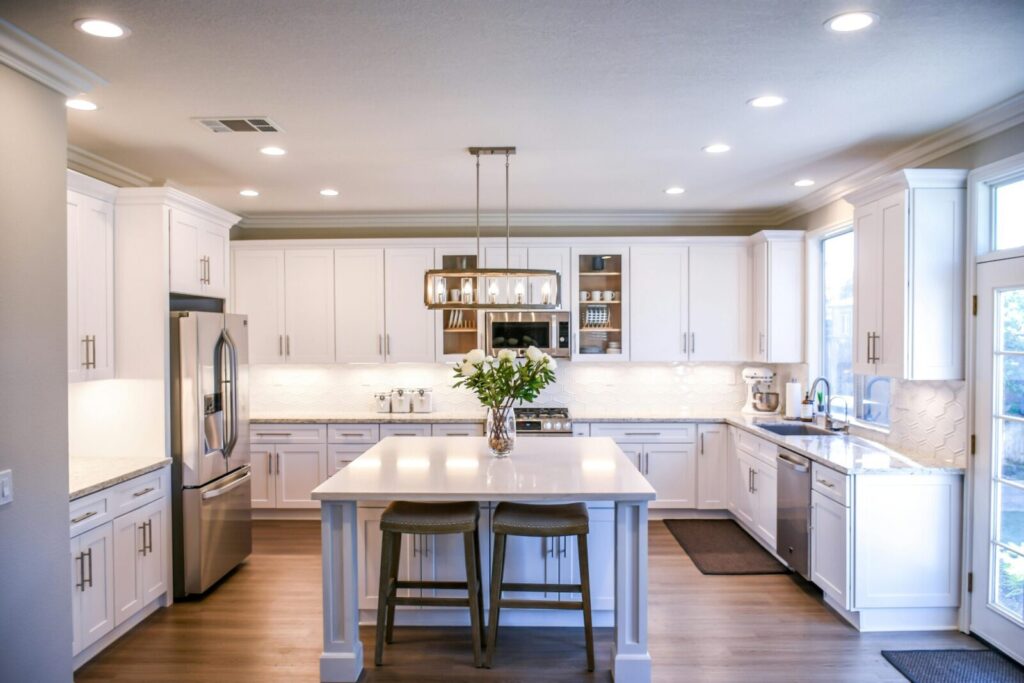
Bathrooms, kitchens, and laundry rooms are prone to wet surfaces, which can lead to slips. Non-slip mats provide traction and reduce the risk of falls. Mats with rubber backing or textured surfaces stay in place even when wet. They should be easy to clean and free from curling edges that could create hazards. Placing mats in showers, near sinks, and by exterior doors makes daily activities safer. Small additions like non-slip mats are affordable, simple to install, and highly effective at reducing injuries in areas exposed to water. Their presence increases both safety and comfort in frequently used household spaces.
5. Keep Frequently Used Items Within Reach
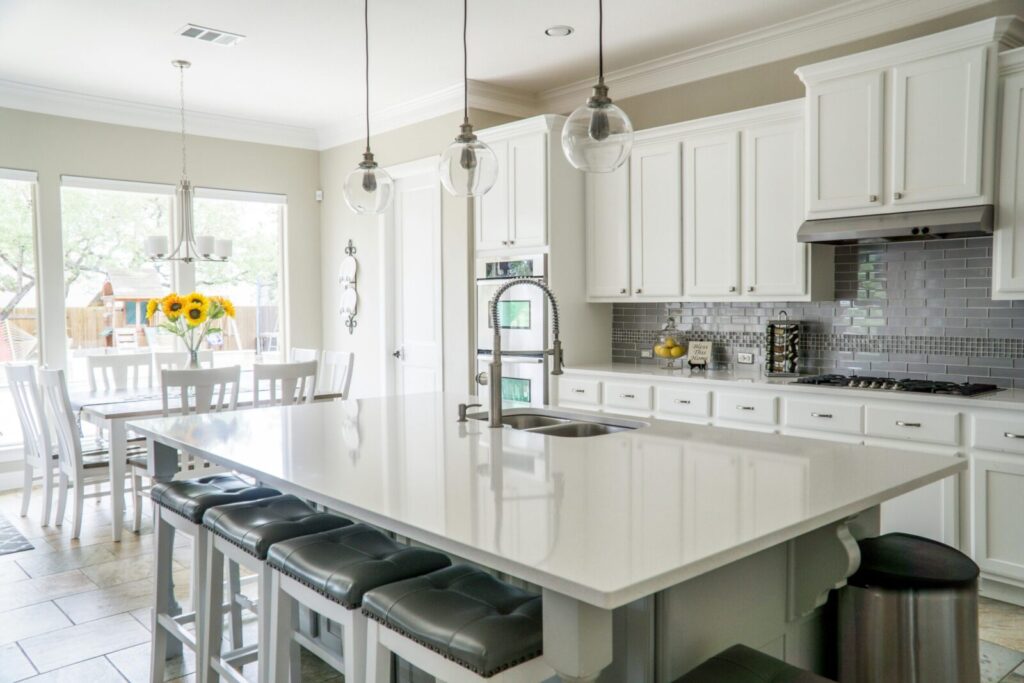
Reaching for items stored in high or low cabinets can lead to falls or strained muscles. Organizing your home so that everyday items are accessible at a comfortable height prevents overreaching and climbing, reducing accidents. Use shelves, pull-out drawers, or step stools with handles if necessary. In kitchens and bathrooms, keeping daily necessities at eye level promotes proper posture and minimizes strain on the back and shoulders. Thoughtful organization is a subtle yet powerful change that prevents minor injuries and makes daily routines more convenient. This simple adjustment improves both safety and accessibility in all areas of the home.
6. Secure Furniture and Appliances
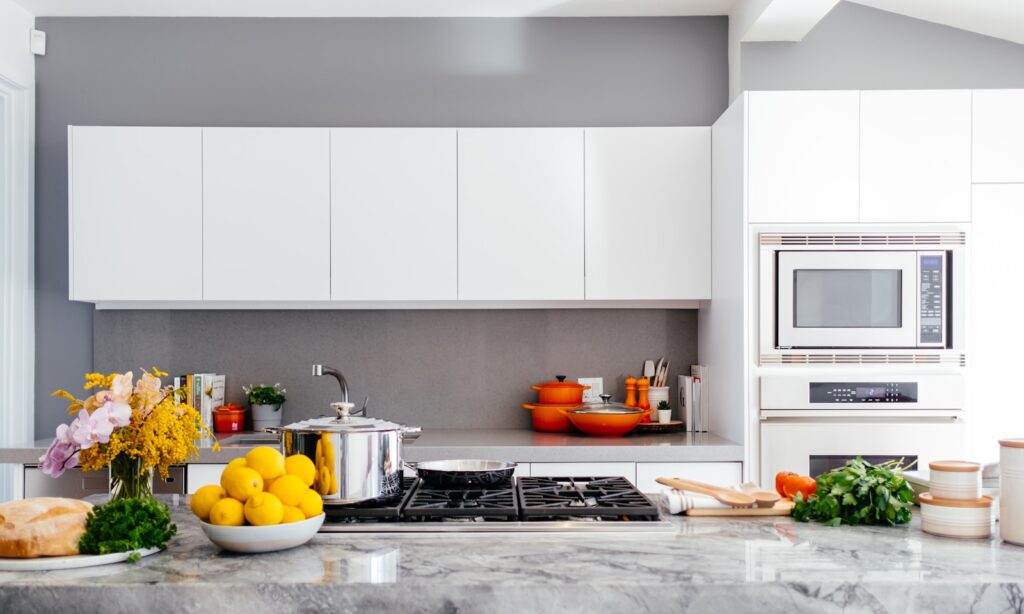
Unstable furniture, such as bookshelves or dressers, can tip over and cause serious injuries, particularly to children. Securing tall or heavy items to the wall using brackets or anti-tip devices is essential. Appliances should be placed on stable surfaces, and cords should be safely tucked away to prevent accidental tipping or tripping. Properly anchoring items provides lasting protection and peace of mind. Safety measures are especially important in homes with children or pets who may unknowingly create hazards. These precautions are easy to implement and protect all members of the household from injuries caused by unstable furniture or improperly positioned appliances.
7. Install Smoke and Carbon Monoxide Detectors
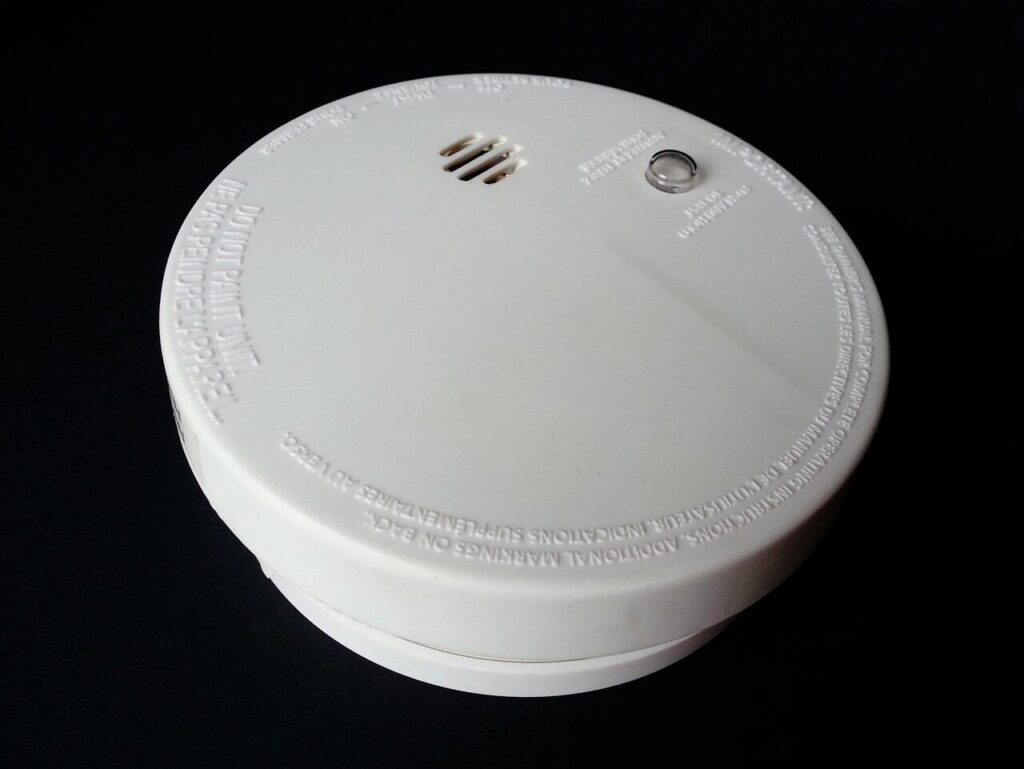
Fire and carbon monoxide pose significant threats, yet many homes lack adequate detection systems. Installing smoke and carbon monoxide detectors in bedrooms, hallways, and kitchens can save lives. Ensure detectors are functioning correctly and replace batteries regularly. Early warnings allow residents to evacuate or respond before accidents escalate. Regular testing and maintenance are essential for reliability. While this change may seem minor, its impact on safety is immense. Properly installed detectors are a preventative measure that protects against unseen dangers in everyday environments. Smoke and carbon monoxide detection is critical for a safe and secure home.
8. Maintain Clear Stairways

Staircases are common sites for falls and injuries. Keeping stairs free of clutter, securing loose carpeting, and ensuring proper lighting reduces risks significantly. Non-slip treads or contrasting edge markings increase traction and visibility. Handrails on both sides provide additional stability. Regular maintenance, such as checking for loose steps or damaged railings, further improves safety. Paying attention to stairway conditions may seem minor, but the effort prevents potentially serious injuries. Safe stairs are especially important in homes with children, older adults, or individuals with mobility challenges. Maintaining clear stairways ensures safer movement throughout the home.
9. Ensure Safe Electrical Outlets and Cords
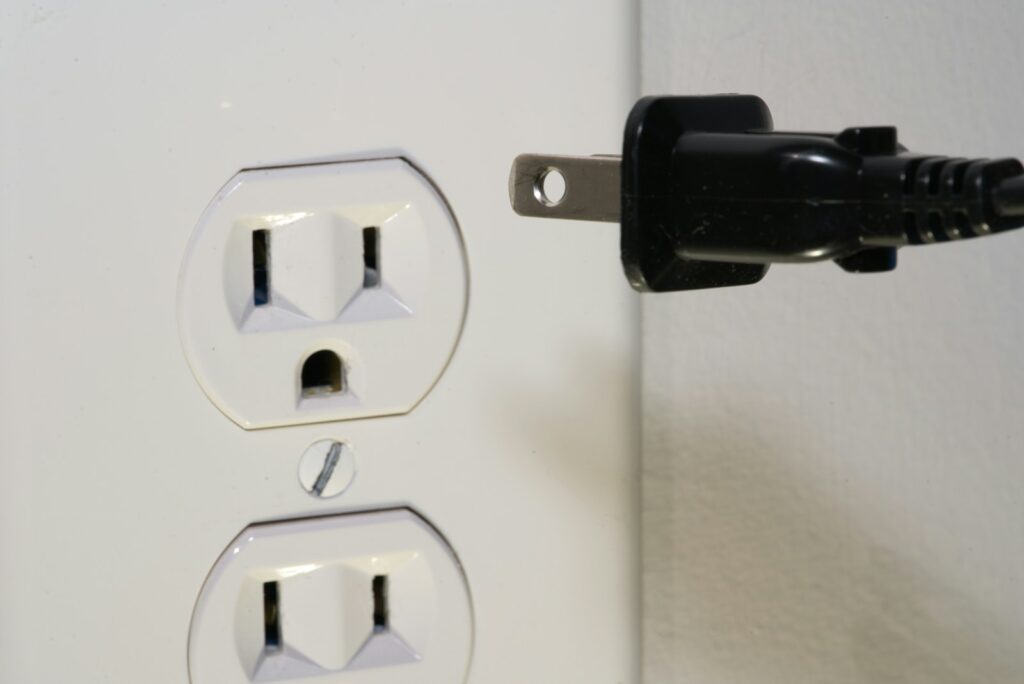
Exposed or overloaded electrical outlets and cords can cause shocks, fires, and trips. Use outlet covers, avoid overloading power strips, and regularly check cords for damage. Route cords along walls or under furniture to prevent accidental tripping. For households with children, tamper-resistant outlets add an extra layer of protection. These precautions reduce both immediate injury risks and long-term hazards. Electrical safety is essential for every home as it safeguards both residents and property. Properly managed outlets and cords combine convenience with a strong safety measure, creating a safer environment for all household members.
10. Keep Floors Dry and Clean

Spilled liquids, dust, and debris increase the likelihood of slips and falls. Promptly cleaning spills and using absorbent mats in high-risk areas such as kitchens and entryways prevents accidents. Regular sweeping, vacuuming, or mopping keeps floors free from dirt, crumbs, and obstacles. Homes with pets should ensure that pet water and food areas remain tidy. Maintaining clean, dry floors is a simple habit that significantly reduces injuries and improves hygiene. This small practice creates a safer and more comfortable environment for everyone in the household, combining safety with overall cleanliness and order.
11. Implement Childproofing and Safety Gates
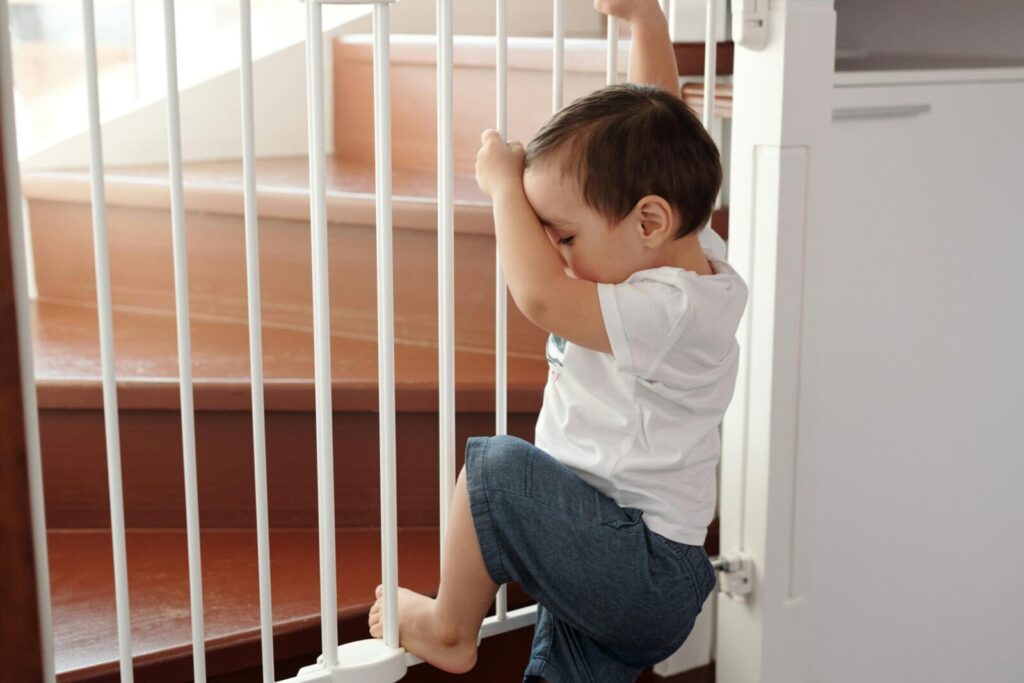
For families with young children, childproofing is essential. Safety gates, corner guards, and outlet covers prevent access to hazardous areas and reduce injury risks. Cabinet locks can protect children from chemicals or sharp objects. Regularly reviewing and updating childproofing measures ensures ongoing safety as children grow and explore. Protective measures such as corner guards and secure furniture benefit everyone in the household. Investing in childproofing creates a secure environment that encourages safe exploration and minimizes potential injuries. Thoughtful precautions ensure that both children and adults can navigate the home safely and confidently.
Keep reading on The WiC Project Lifestyle Blog & Miriam’s Boutique: Home Goods, Beauty, & Fashion Store