
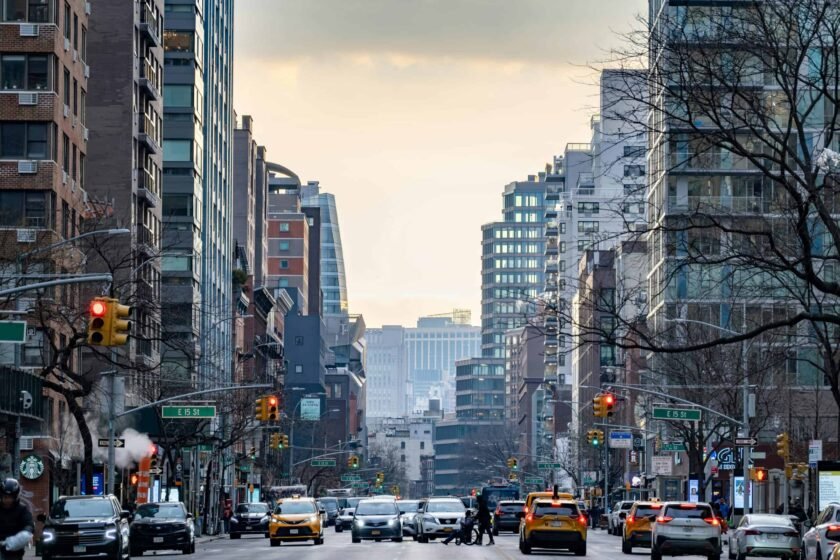
New York City, New York
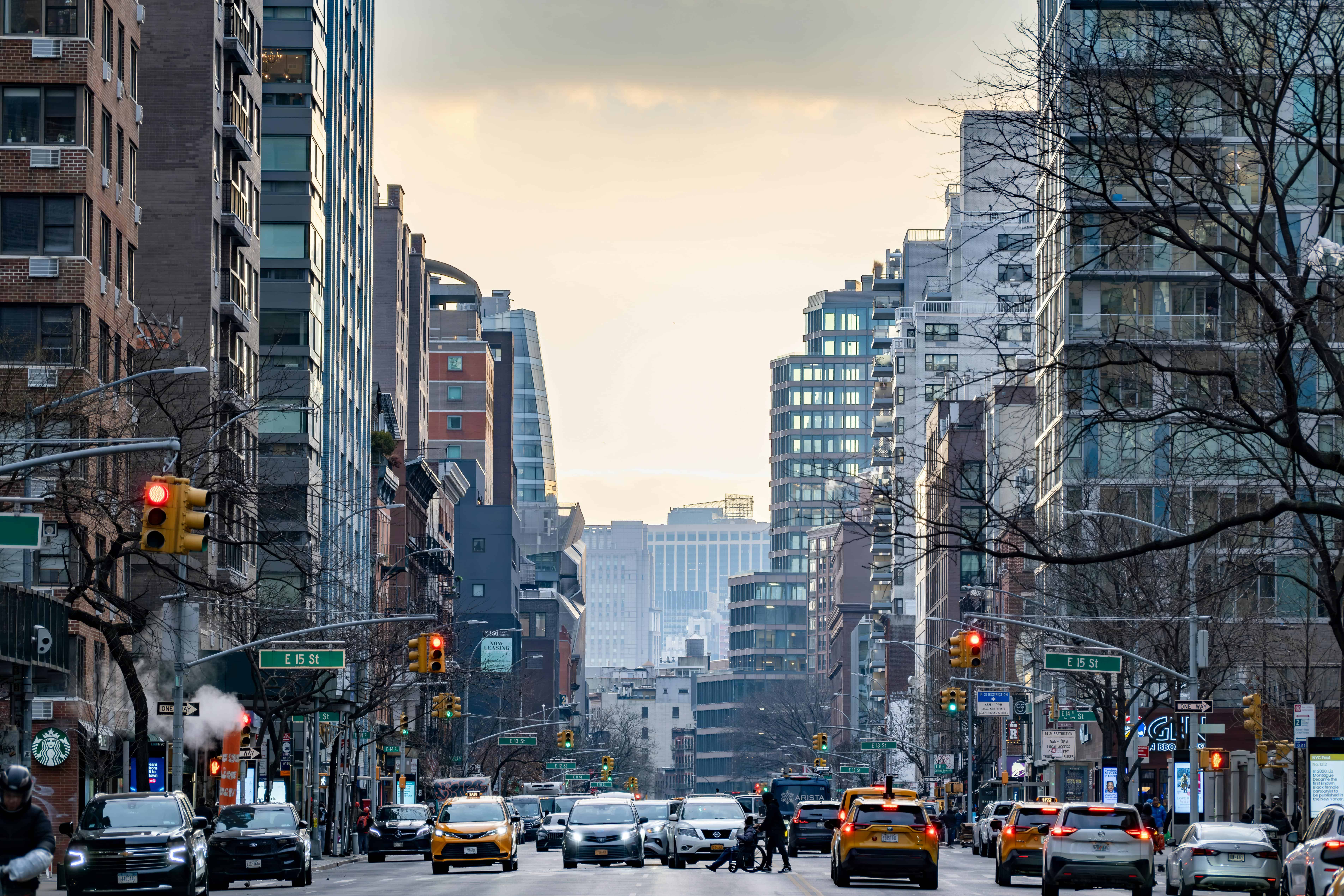
Some traffic rules change quietly, until the city feels different. The push to ban right turns on red is one of those shifts, driven by crash data, crowded sidewalks, and the simple fact that drivers tend to look left for cars while pedestrians step off the curb. In 2026, several U.S. cities treat the red phase as nonnegotiable at more intersections, trading a few seconds of convenience for clearer signals and calmer corners. The policy is never just about cars; it is about who gets to move without guessing.
NEW YORK CITY, NEW YORK
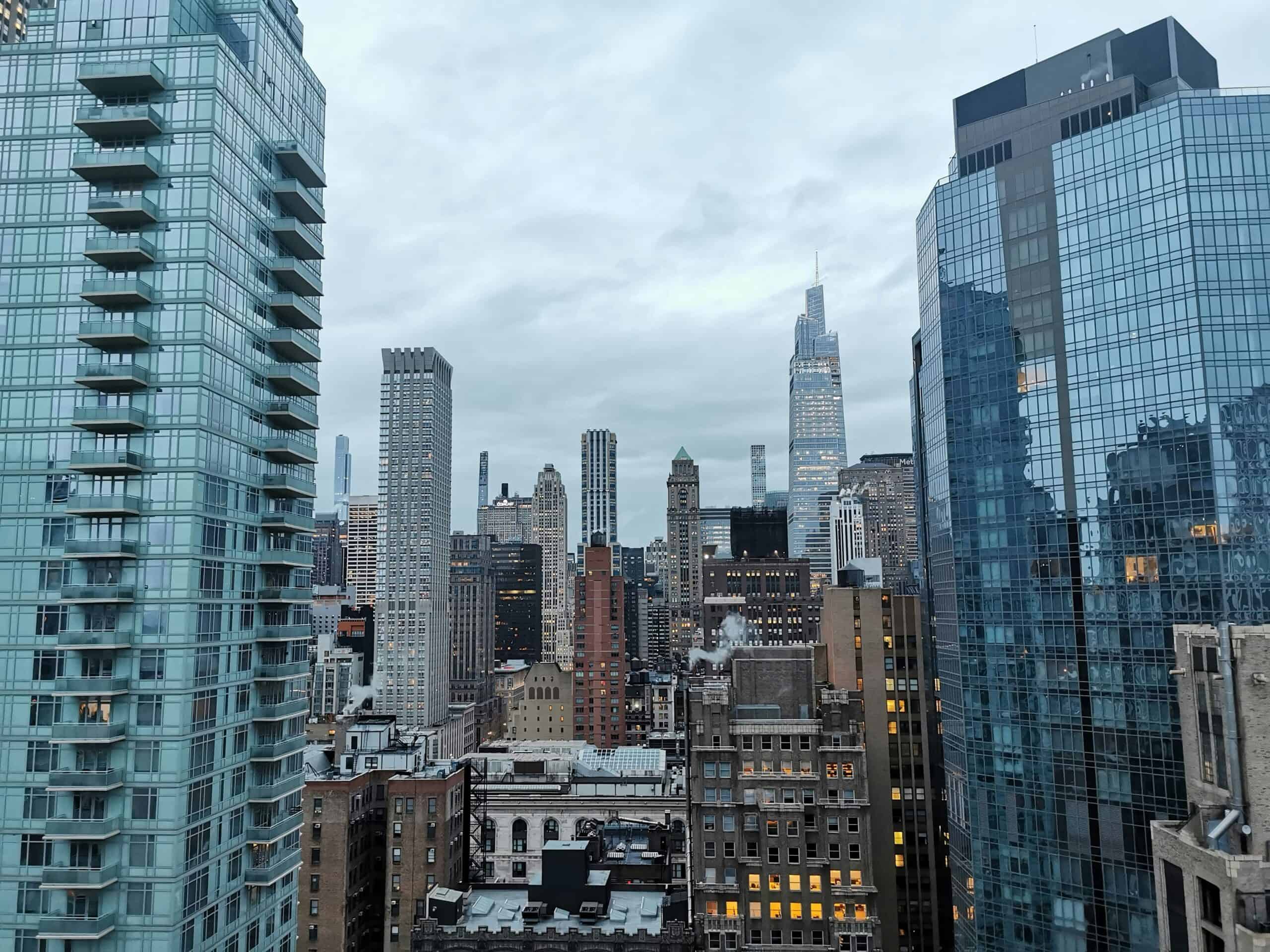
New York City has long treated right on red as the exception, not the default. Per NYC311 guidance, a right turn at a red light is illegal unless a posted sign allows it, a carve-out most commonly found at specific intersections in Staten Island. That citywide baseline removes the common corner conflict where drivers creep into a crosswalk to see around parked cars, then swing through while cyclists and pedestrians assume the signal is theirs; it also makes enforcement simpler, because the permitted turn must be explicitly signed rather than quietly assumed. Visitors often notice it most at night, when empty streets still demand patience too.
Georgetown, Washington, D.C.
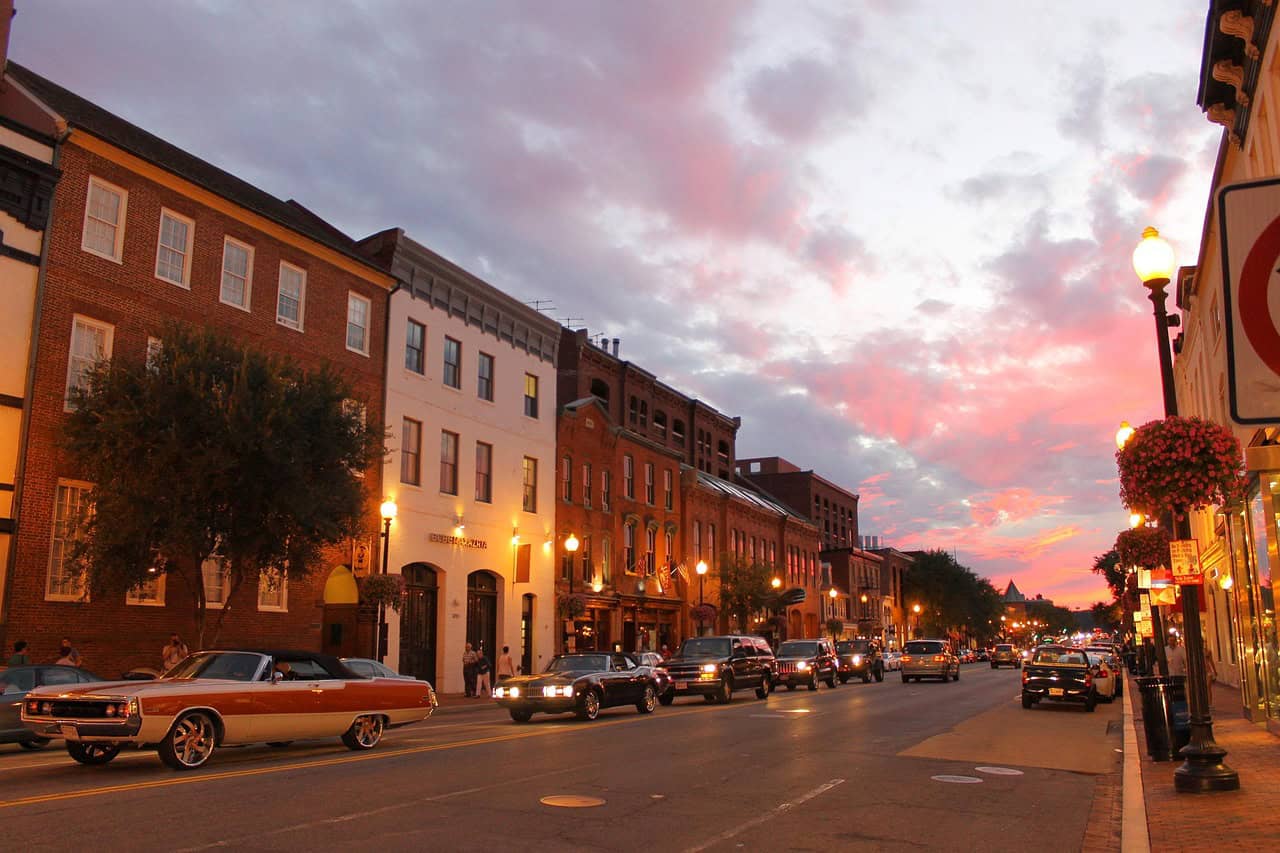
Washington, D.C. moved to end right on red as a safety measure, with the restriction scheduled to take effect Jan. 1, 2025. Local reporting notes the change does not instantly cover every signalized corner, because implementation depends on posted restrictions and updated signals, so drivers encounter it as a growing network rather than a single line in the rulebook. The daily impact is subtle but real: the red phase stops being a negotiable moment, crosswalks stay clearer, and people walking near schools, Metro entrances, and high-crash corridors spend less time guessing whether a turning driver is watching the signal or hunting a gap once.
Cambridge, Massachusetts
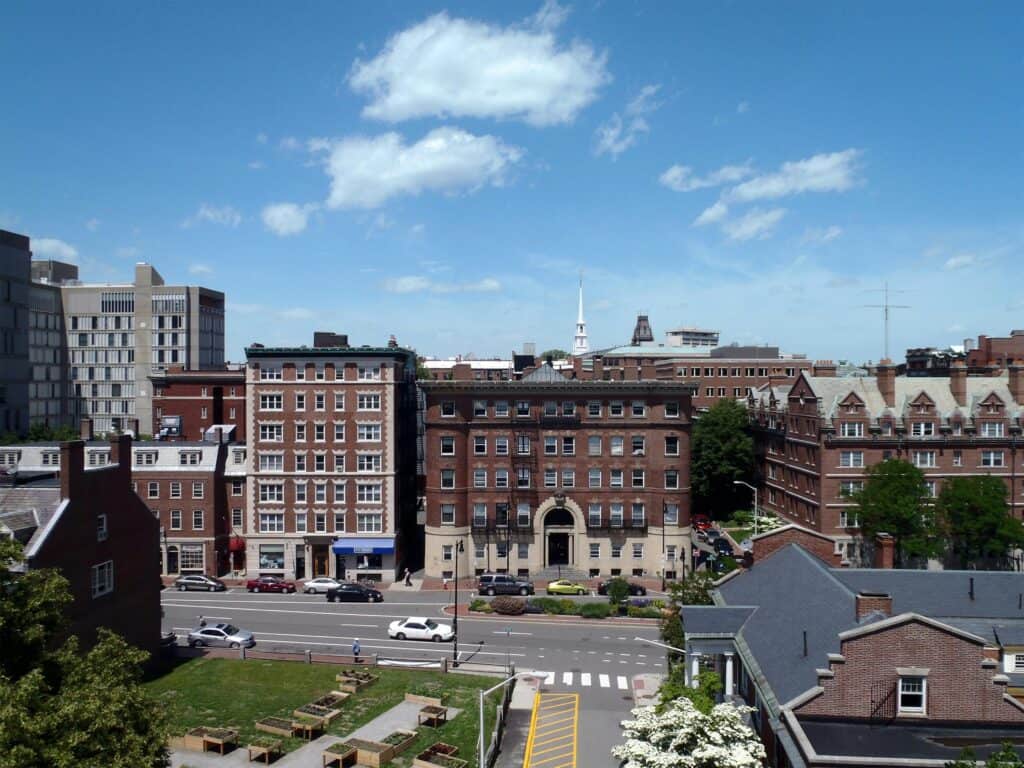
Cambridge, Massachusetts made a clean break from the old habit by disallowing turns on red at all city-owned traffic signals, pushing safety ahead of small time savings. City transportation staff tied the policy to crash reduction and predictability, especially on streets where bike lanes, school crossings, buses, and heavy foot traffic stack multiple decisions into one corner. The result is less improvisation: drivers stop farther back, crosswalks stay open, and the green light becomes the clear permission slip, which matters in a city where blocks are short and intersections arrive fast. It also reduces out-of-town mistakes at corners, too.
San Francisco, California
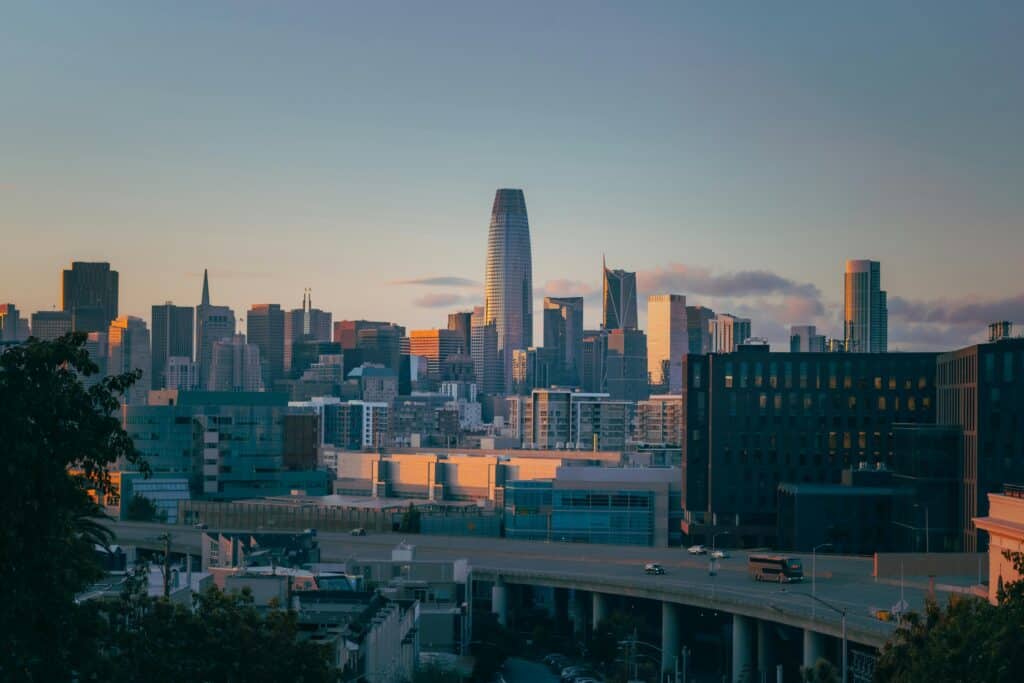
San Francisco’s downtown is being rewired for slower, clearer turns. SFMTA’s No Turn on Red Downtown Expansion Project proposes new restrictions and signage at roughly 200 signalized intersections in the North of Market and South of Market core, a focused safety measure for the city’s busiest walking areas. With the Tenderloin already operating as a no-turn-on-red zone, the expansion shifts more of downtown away from the creep-and-go routine, forcing drivers to wait for green and reducing the moment when a front bumper claims the crosswalk while everyone else tries to read intentions, especially at corners with heavy turning volumes in 2026.
Seattle, Washington
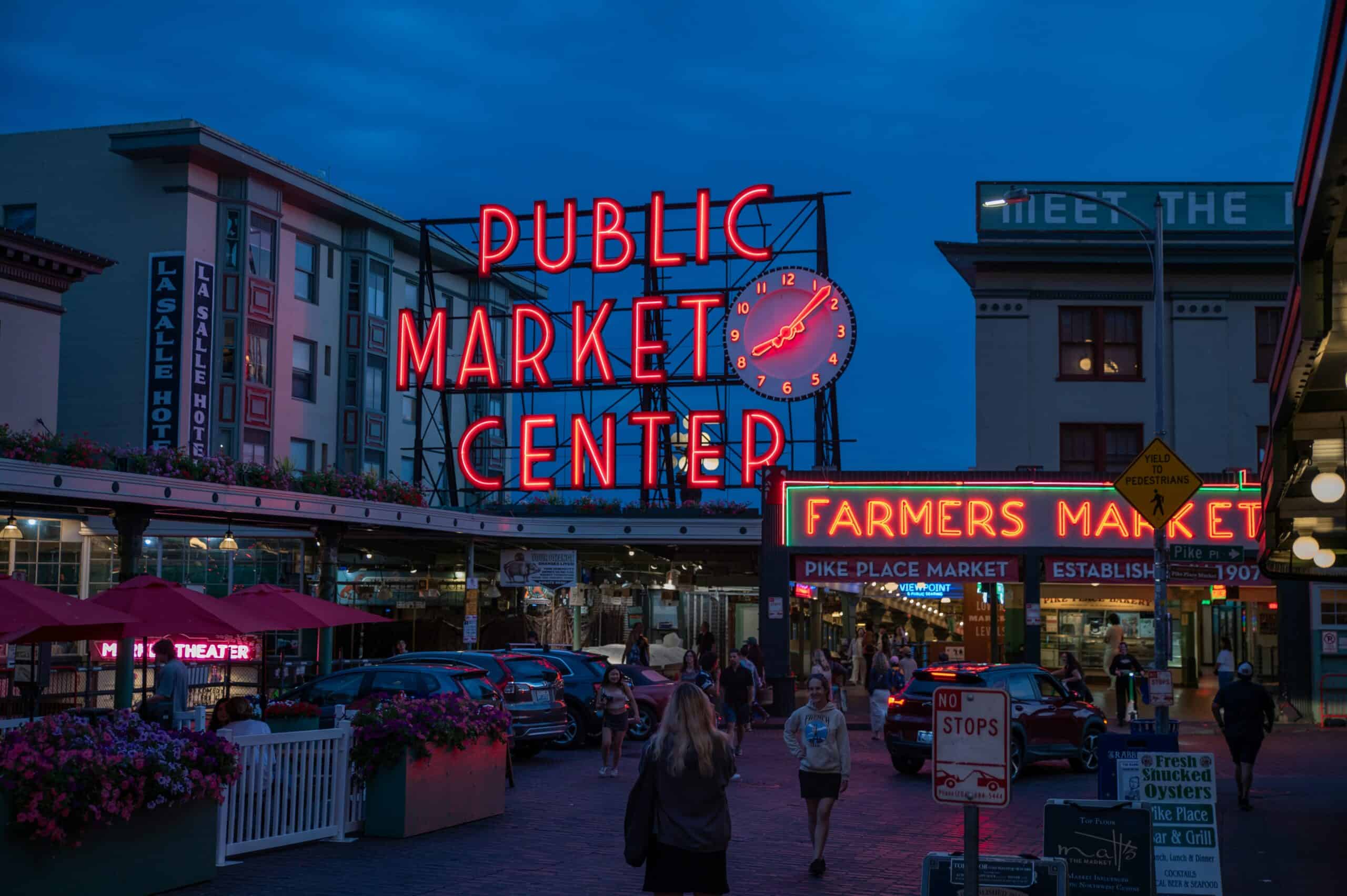
Seattle is treating no turn on red as a design choice, not a special warning sign reserved for rare corners. SDOT has been adding restrictions across corridors and downtown intersections, including a rollout on Aurora Ave N that put no-turn-on-red at most signalized approaches, and local reporting counted 73 new locations added since 2023 as the city bakes the rule into routine signal upgrades. That shift changes the feel of walking near traffic: the red phase stops being a negotiation with a creeping bumper, and crossings become easier to read in rain, darkness, and rush-hour noise when split-second eye contact is unreliable on school days.
Ann Arbor, Michigan
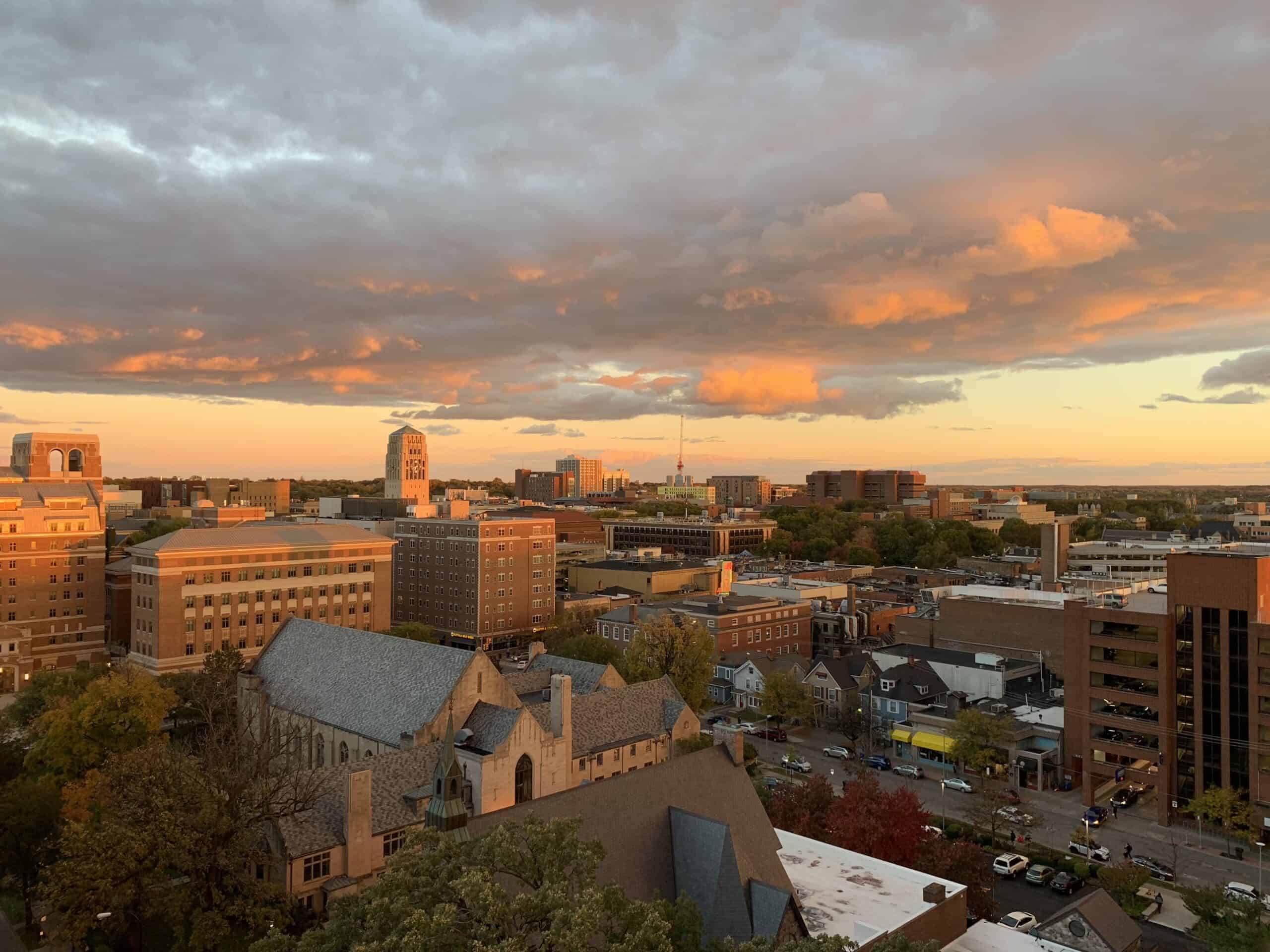
Ann Arbor, Michigan targeted its busiest core by directing a no-turn-on-red rule in the downtown and near-downtown area bounded by Kingsley St., State St., Hoover Ave., and First St. The City Council resolution framed the change as a way to cut conflict points and pair well with leading pedestrian intervals, while also allowing exemptions for transit buses where permitted. On game days and weekday afternoons, it trims the classic near-miss pattern: a driver watches left for a gap, rolls forward, and meets a pedestrian already committed to the crosswalk, leaving both sides irritated and unsure who blinked first, even at low speeds, downtown…
Jersey City, New Jersey
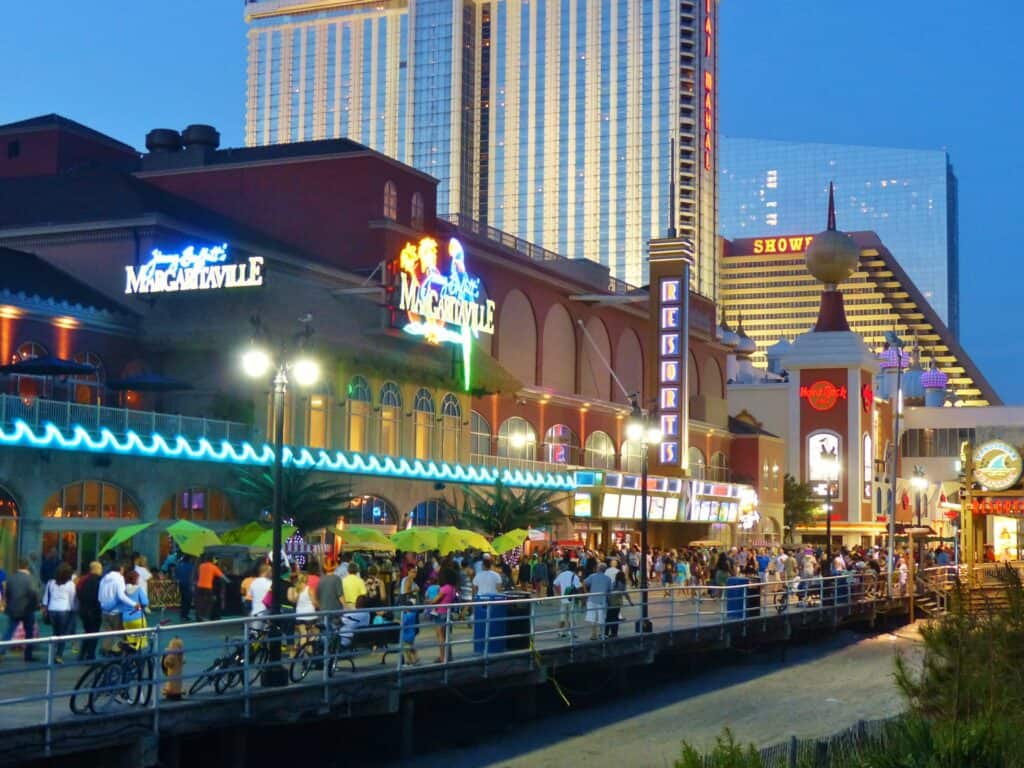
Jersey City, New Jersey drew a clear boundary in the Heights by ending right turns on red at 15 priority intersections, a neighborhood response to school traffic, double-parked deliveries, and tight sightlines. City materials describe the focus as pedestrian safety at busy corners where turning cars meet steep grades, parked vehicles, and heavy foot traffic near bus corridors and small commercial strips. The message is not subtle: a red light means stop and stay stopped, which lowers the chance of a rolling turn that clips the crosswalk, and it gives residents a little more confidence that the signal actually controls the corner at dusk too.
Hoboken, New Jersey
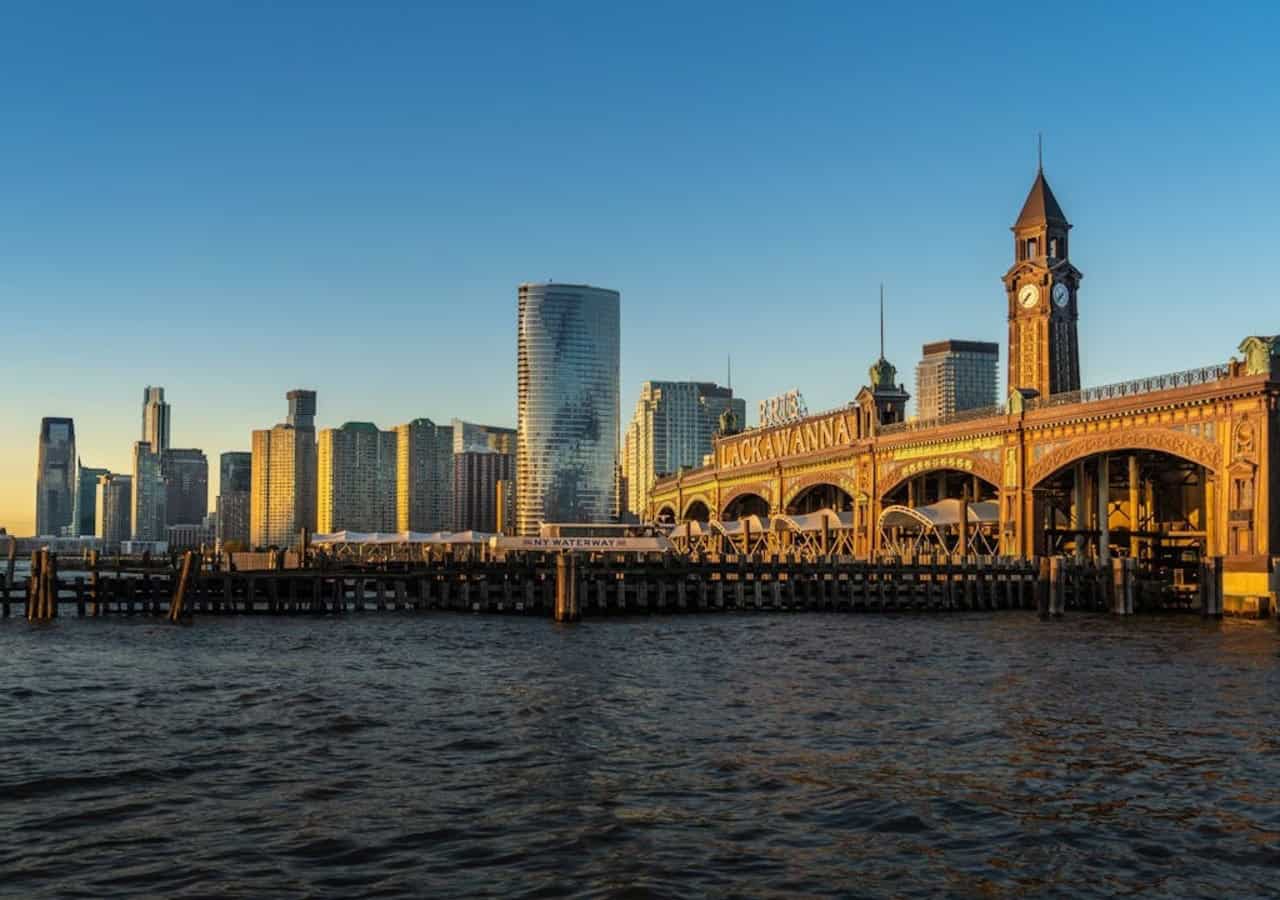
Hoboken, New Jersey leans on targeted bans to keep its tight grid from turning into a constant near-miss zone. City code lists specific intersections where turns on red are prohibited, a practical response to short blocks, parked cars near corners, and crosswalks that fill quickly during school drop-off and commuter surges. Because the city runs on walking, buses, and short car trips, the policy is less about punishment and more about removing the gray area where a driver inches into the crosswalk to see, then commits to a turn while someone is already halfway across, leaving fewer moments for misread hand waves, and sudden braking at night.