
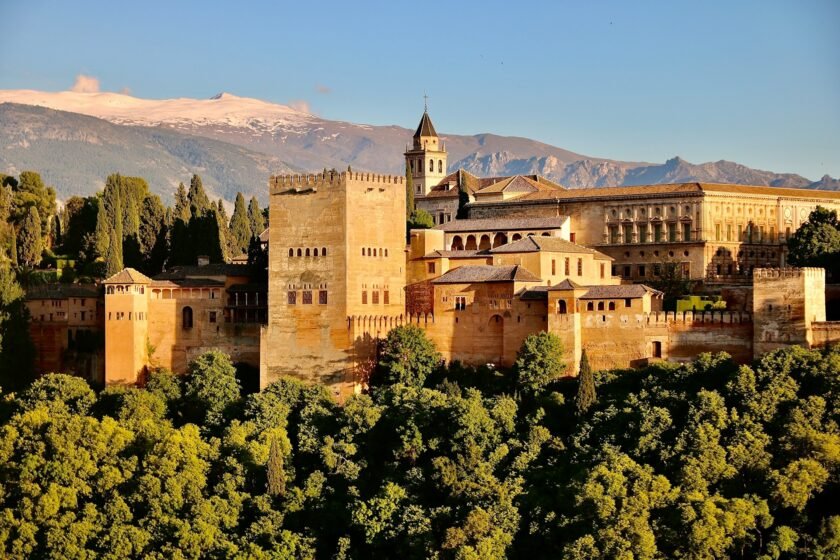
Granada, Spain (The Alhambra)
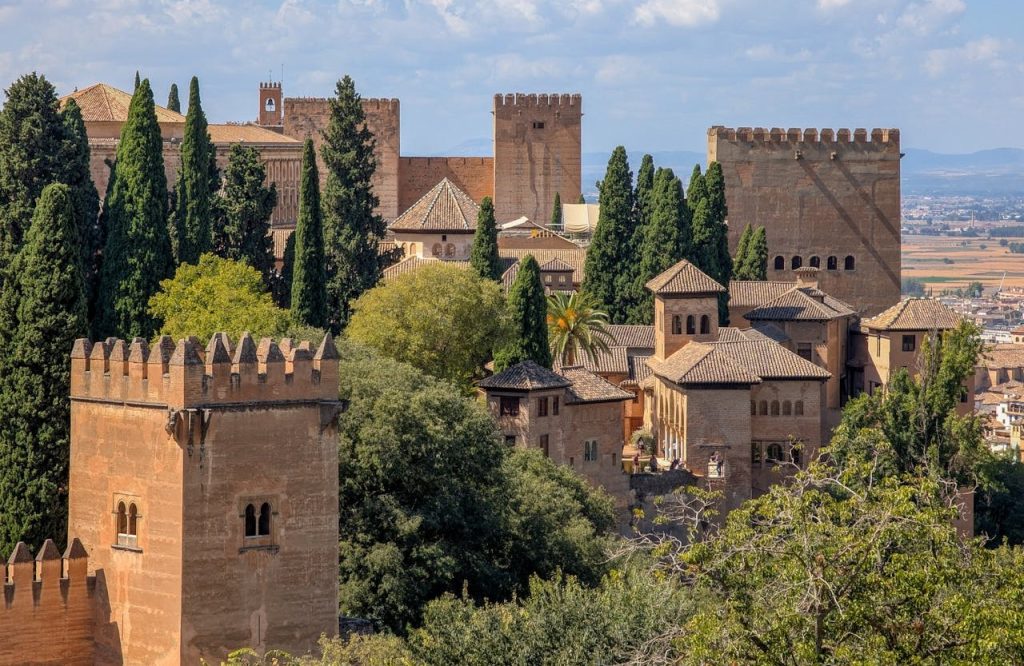
The Nasrid Palaces enforce a precise tempo since entry depends on the printed time slot. Missing it can mean losing the palace visit, so arrivals often feel hurried up the hill, watching minutes slip. Inside, crowds stack behind one another in carved halls, and the pressure to keep walking can flatten the experience into quick glances at details. Other parts of the complex offer room to breathe, but the palaces often feel like the day’s tightest corridor. Courtyards and fountains still soothe, yet many visitors keep checking watches, knowing one slow pause can put them behind the flow. Beauty, then speed.
Paris, France (The Louvre)
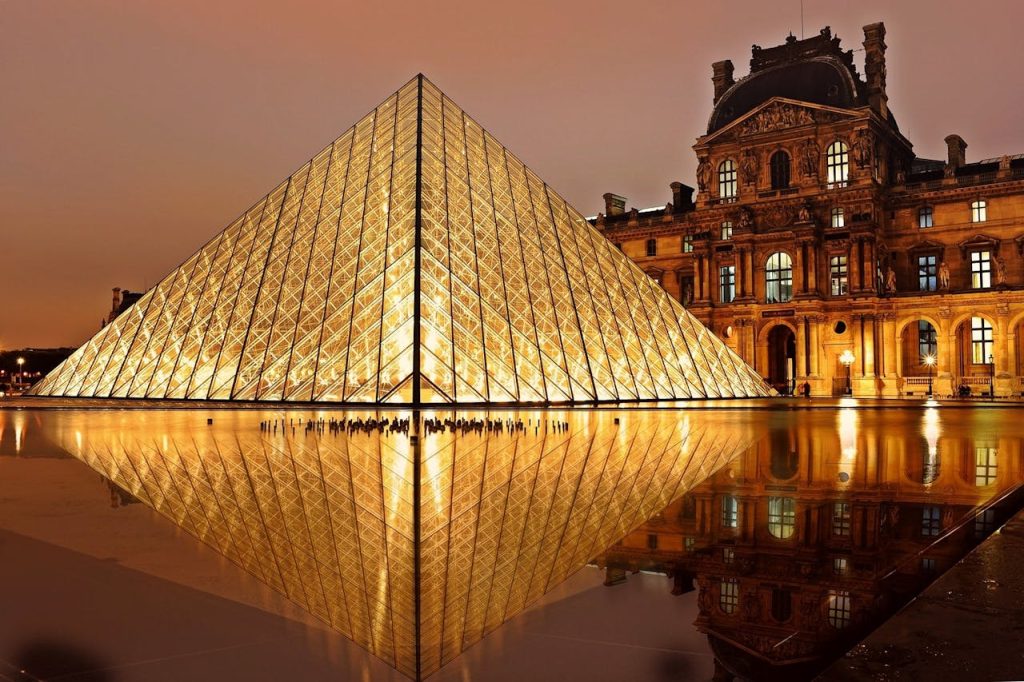
Paris has tailored its iconic museum with timed admissions, security checks, and strict exit rules. A time slot grants a tight arrival window, making the initial stretch resemble a sequence of checkpoints rather than a gentle stroll into the galleries. Once inside, crowds densify around the main works, and the flow steers visitors forward; lingering can block an exit and spark a queue behind. In busy periods, tour groups cluster, and the impulse to cover everything converts the visit into a rapid to-do list. Even in calmer wings, signage and staff prompts hasten the pace, so taking time to observe becomes a countercurrent choice. Still, there is a sense of rush.
Versailles, France (Palace Of Versailles)
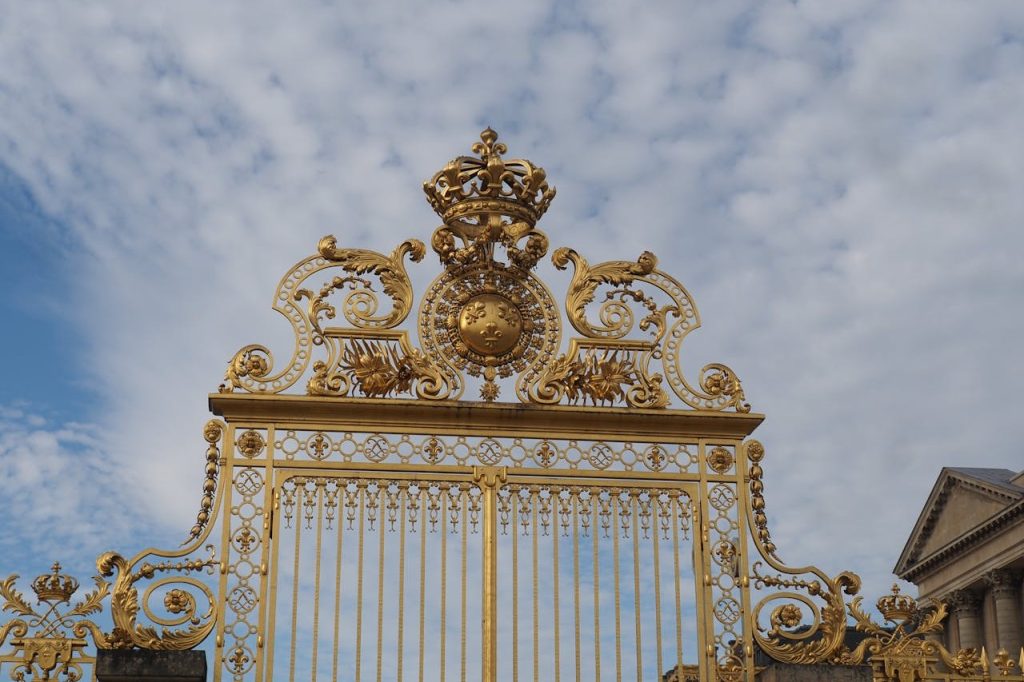
Versailles operates on reservations, and the timetable sets the mood before you even reach the gates. Time windows are narrow, queues can grow, and arriving late might swap serenity for a hurried scramble through security into bustling halls. Inside, the Hall of Mirrors and principal state rooms generate a constant flow, prompting guests to glance quickly and yield space to maintain movement. Ropes regulate the crowd, so even the greatest salons are experienced in fragments between groups. Gardens ease the tempo, yet interior spaces can feel choreographed, with footfalls behind and cues ahead leaving little room to pause.
Vatican City (Vatican Museums)
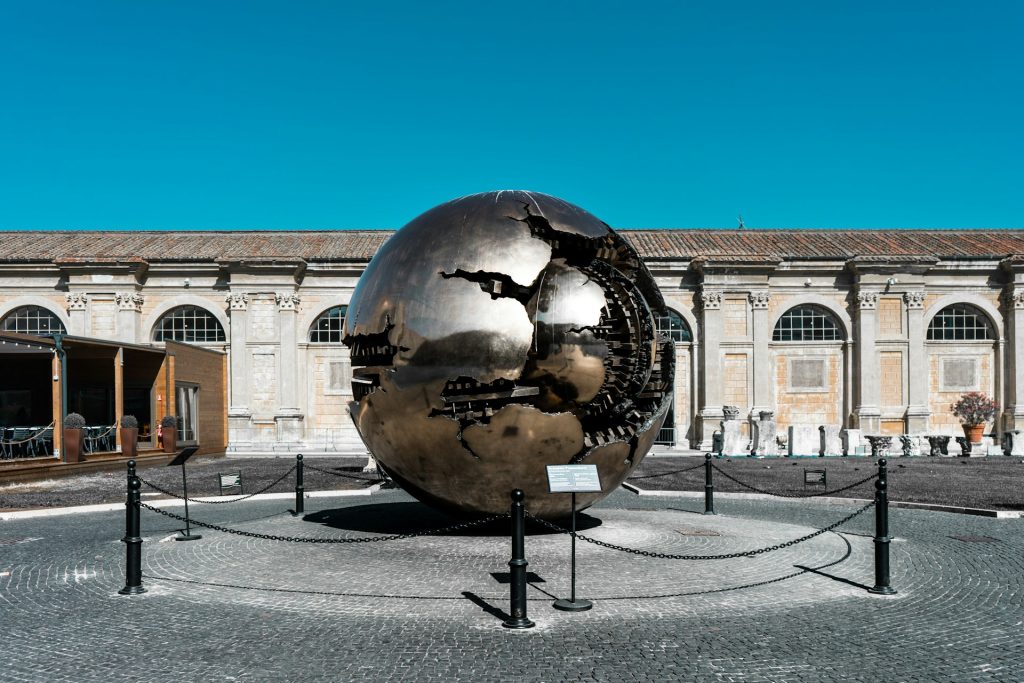
The Vatican Museums unfold like a winding river of galleries guiding visitors toward the Sistine Chapel. Timed tickets help balance demand, but security queues can still be lengthy, so the day begins with a ticking clock. Inside, the tempo is dictated by the crowd rather than personal curiosity; narrow passages and one-way routes make pausing feel like causing a bottleneck. Many skim tapestries, maps, and rooms to stay on pace, reserving quiet contemplation for the courtyards after the mass of people subsides. Even the closing chapel moment tends to be brief, with staff prompting silence and forward motion, so awe often lands in short bursts before the exit. It feels rushed, too.
Rome, Italy (The Colosseum)
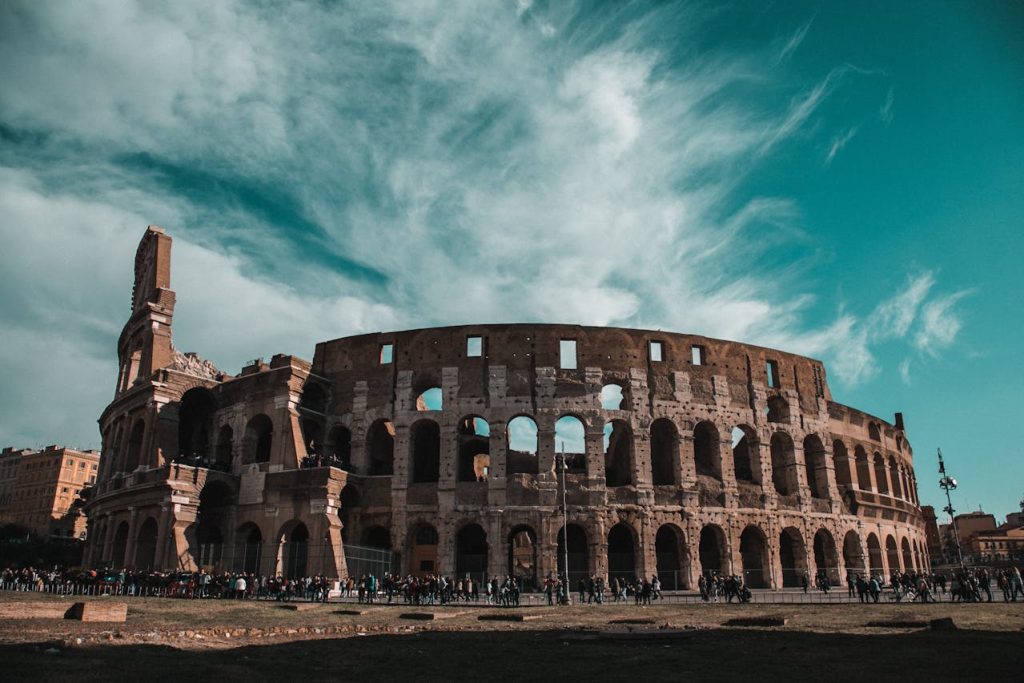
The Colosseum’s grandeur invites a leisurely circuit, but tours frequently unfold in bursts dictated by entry slots and crowded ramps. Flocks pass through familiar arches and vantage spots, while the urge to keep moving intensifies as new arrivals arrive. People snap broad photos, skim signs, and press on to avoid becoming the bottleneck in a tight corridor. Heat, security breaks, and timed additions turn the monument into a spectacle to be admired while walking, rather than paused to study. The Forum and Palatine can be calmer, but the central arena often resembles a rolling loop where every pause is negotiated with others. Time is limited.
Barcelona, Spain (Sagrada Família)
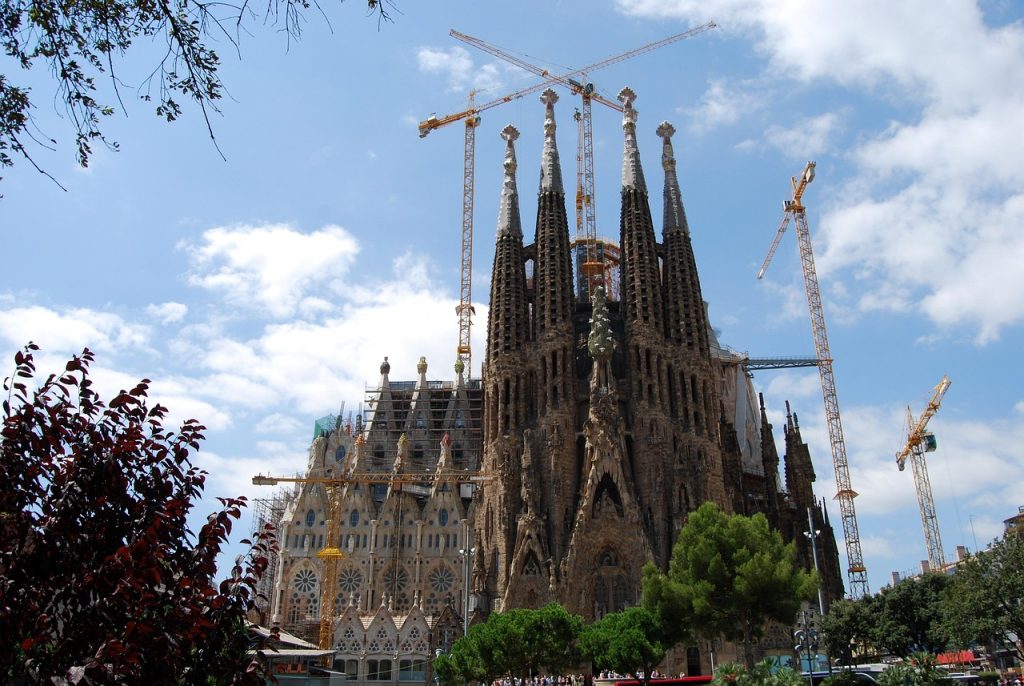
Sagrada Família appears designed for lingering, yet the posture of the visit changes once the queue advances. Time-slot entries and security checks tighten the beginning, and heavy foot traffic forces quick glances at the stained glass before yielding. Access to the towers and guided itineraries introduce another tempo, turning silence into a fleeting moment that must be seized. The basilica rewards waiting, but during peak times the crowd’s tempo dictates how long a sight can be kept. Visitors often converge on identical vantage points for photos, then hurry on, leaving quieter side chapels as brief sanctuaries. Tranquility arrives in moments.
Barcelona, Spain (Park Güell)
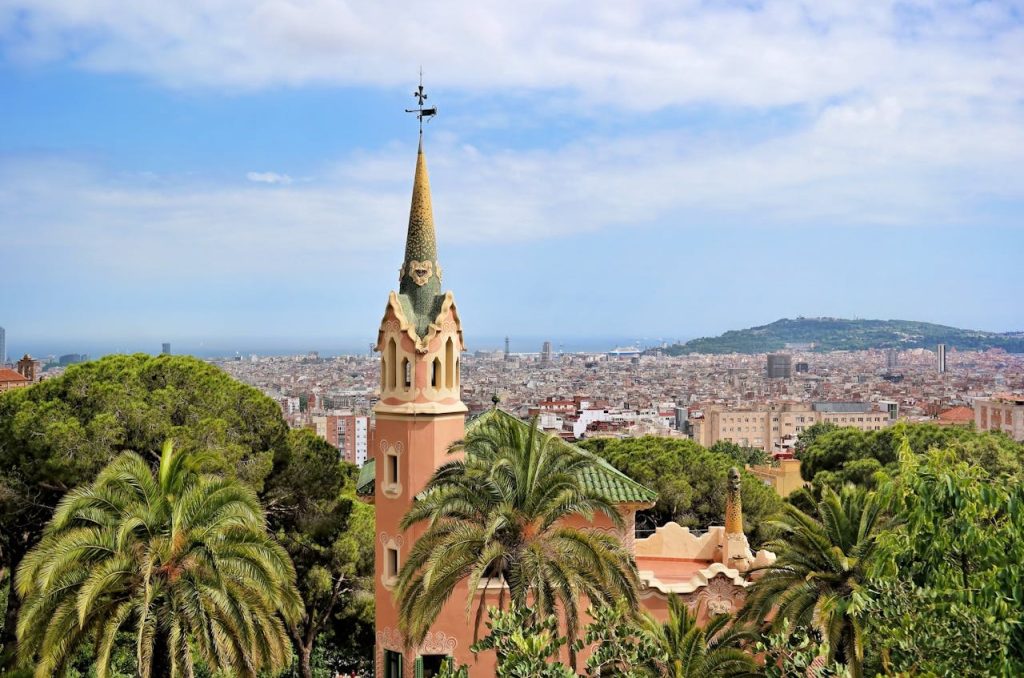
Park Güell’s monumental sector often reads like a timed appointment rather than a carefree park day. Entry is fixed to a slot with a short grace period, and exiting ends the visit, encouraging many to treat it as a loop to complete. Guests hurry toward the terrace, the serpentine bench, and prime viewpoints before the crowd thickens, then press on to stay on track. Walkways narrow near the signature tiles, turning pauses into a rapid photo relay, with polite sidesteps replacing lingering appreciation. The broader park can be quieter, but many visitors skip lingering there since the ticketed zone feels like the main event. Time wins.
Granada, Spain (The Alhambra)
The Alhambra encourages calm focus, but the Nasrid Palaces enforce a rigid tempo since entry depends on the allotted time. Missing the slot can mean losing the visit, so arrivals tend to hurry uphill, minutes slipping away. Inside, crowds line up behind one another in ornate halls, and the push to move forward can condense the experience into brief glimpses of details. Other sections offer space to exhale, yet the palaces feel like the day’s tightest corridor. Courtyards and fountains remain soothing, but many keep glancing at their watches, aware that a single slow pause could put them behind schedule. Beauty, then velocity.
Amsterdam, Netherlands (Anne Frank House)
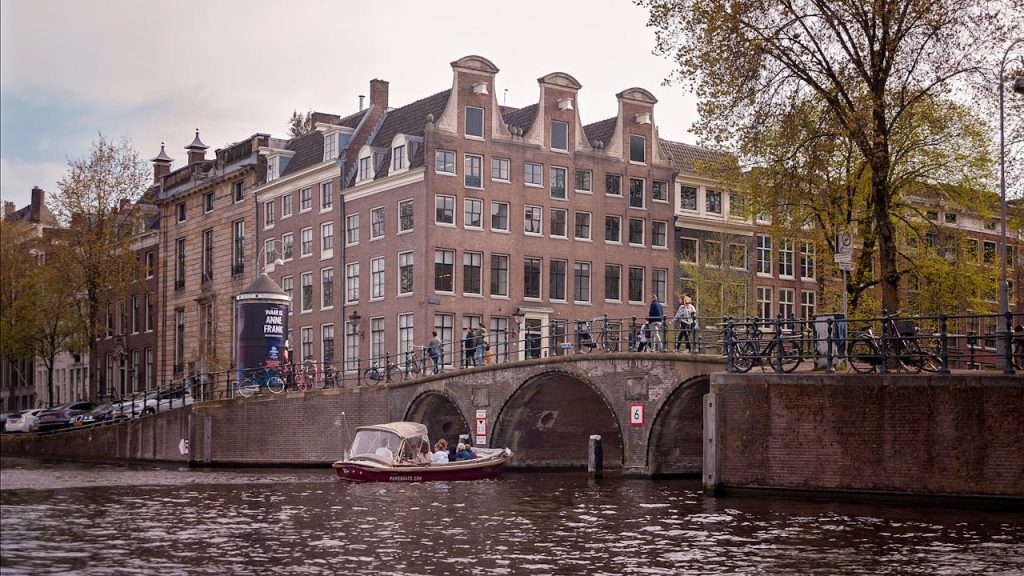
The Anne Frank House feels intimate and compact, making crowd control essential from the moment a ticket is secured. Time slots are scarce and issued in batches, framing the trip as a booked appointment rather than a casual visit. Inside, the path is one-way and cramped, guiding guests along while pausing briefly to let the next group pass. The experience may feel tight, with contemplation arriving after the doors close and the canal breeze returns. Staff maintain smooth, steady flow, and the building’s limits ensure quiet spaces must fit within narrow confines. Soon.
Venice, Italy (St. Mark’s Basilica)
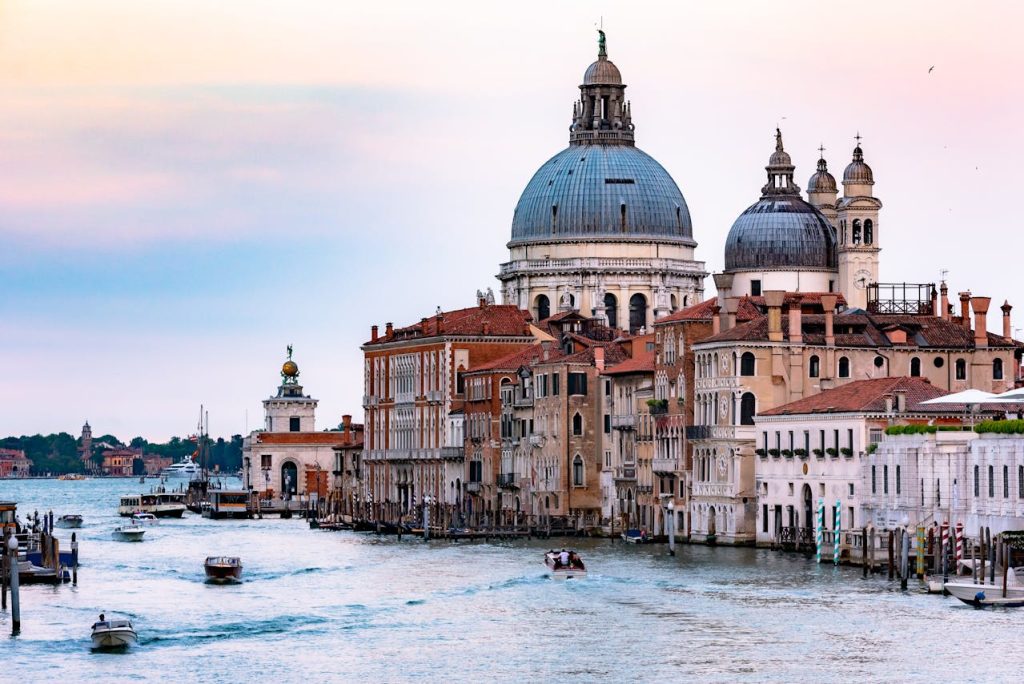
St. Mark’s Basilica often feels like a gem seen in motion, with crowd control pushing for steady progression. Entry windows and checks set the pace, and famed mosaics spark instant crowds that thin as staff shepherd traffic forward. Pauses are brief, not from lack of wonder but to keep aisles clear for those still entering. Many settle for quick glances upward, then step back to the piazza where space returns and eyes can pause. In busy mornings, even a long gaze feels borrowed, so people pick a single detail, absorb it, and let the current carry them away. The beauty remains; the tempo rules.
Machu Picchu, Peru
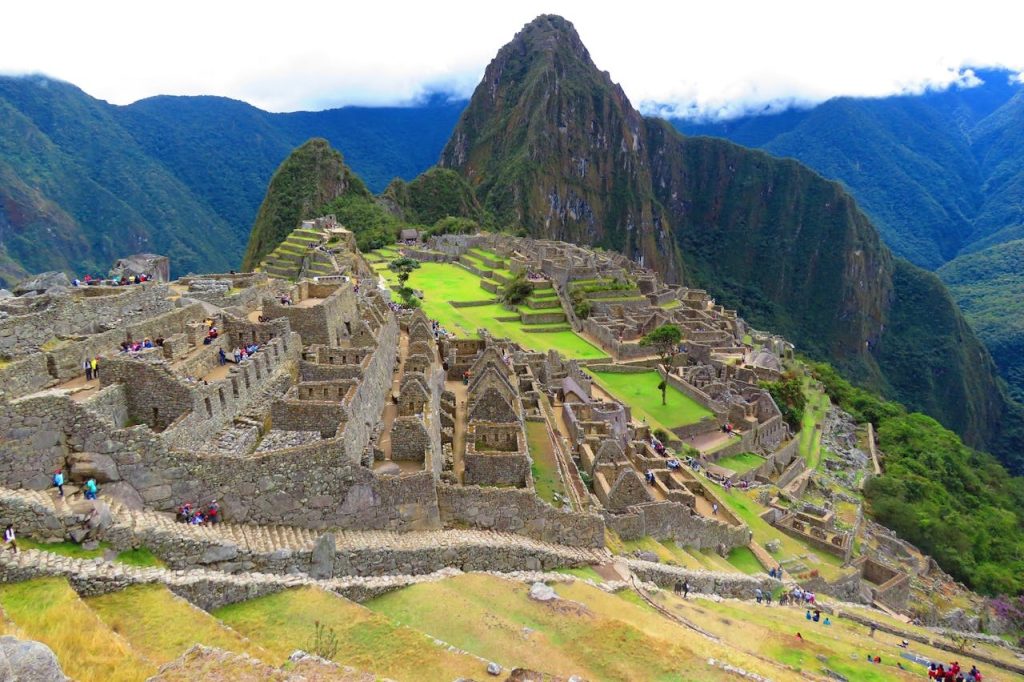
Machu Picchu operates with designated routes and fixed time slots to safeguard the site and handle large crowds. The freedom to roam freely is limited, turning the citadel into a guided corridor even without a guide. Linger too long at a viewpoint and the trailing group tightens the space, urging you to press on, even when light is ideal. The place is still remarkable, yet many depart hoping for quiet, thoughtful photos, and closer looks at the stonework. Guides and signage maintain an orderly flow, aiding preservation but giving the experience a measured feel instead of a spontaneous discovery. Fast.
New York City, USA (Statue Of Liberty)
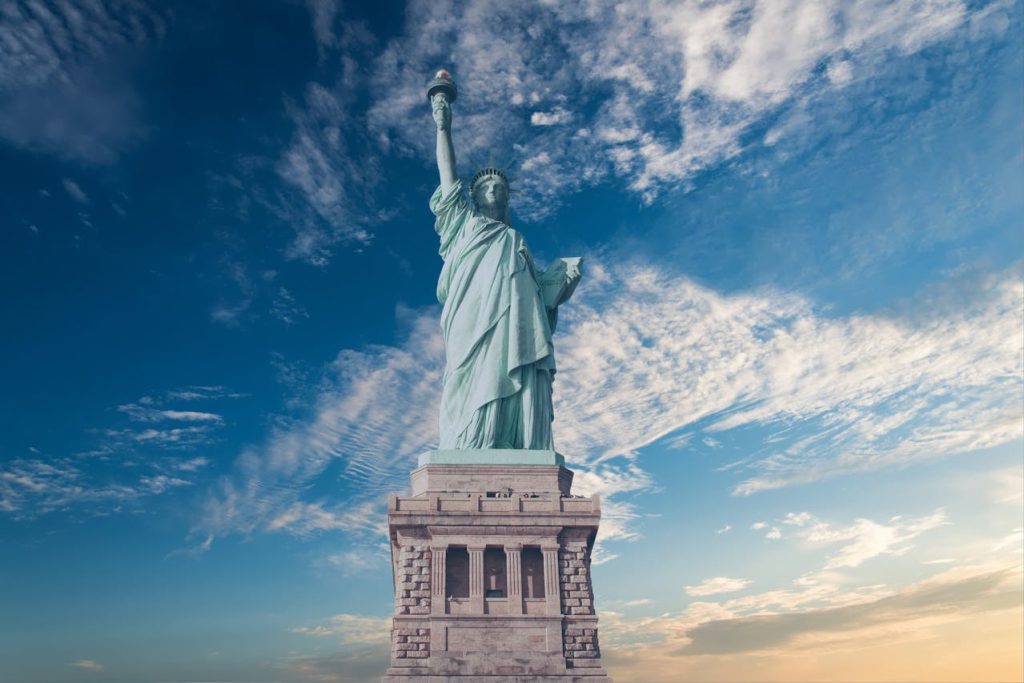
A visit to the Statue of Liberty starts with a schedule—ferry time, security checks, and boarding queues that can stretch on busy days. This upfront waiting tightens the schedule on the island, particularly for those aiming for pedestal or crown access tied to a fixed slot. Guests hurry between snapshots, the exhibits, and the return lines, treating the stop as a timed waypoint rather than a tranquil harbor pause. The statue remains inspiring, but the day often feels ruled by cutoff times more than dreams of the skyline. As the return window nears, visitors tally minutes, squeeze in one last glimpse or a souvenir, and form lines again. It ends all too soon.
Seville, Spain (Real Alcázar)
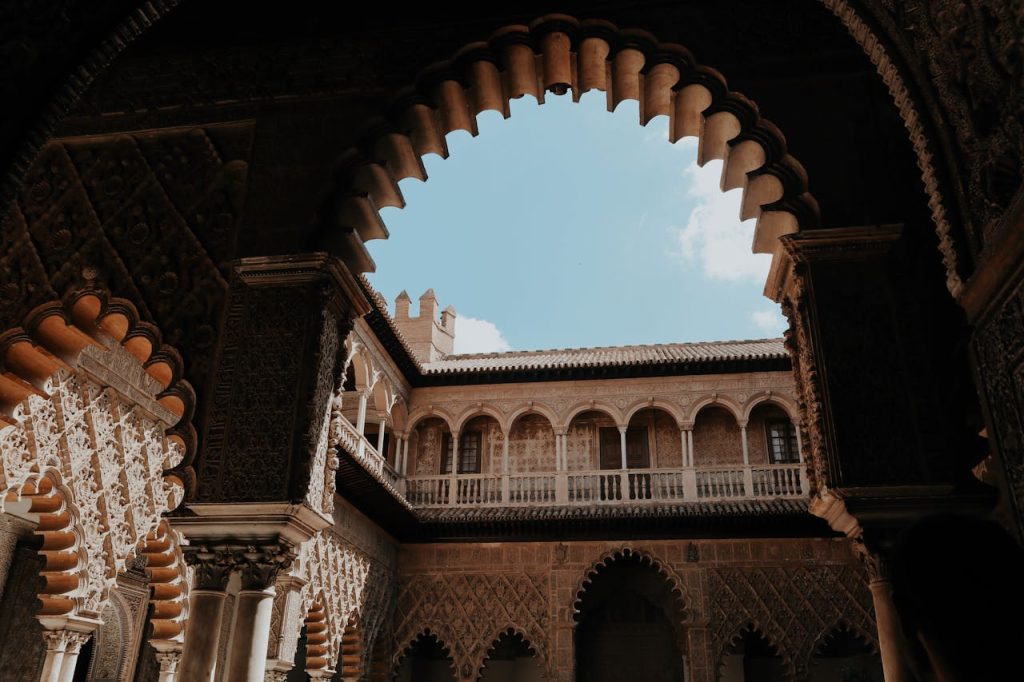
Real Alcázar invites exploration, yet high demand renders entry carefully rationed. Timed tickets and capacity caps keep lines moving, occasionally turning a visit into a brief dash when a cafe stop stretches or a long queue winds around. Inside, courtyards and gardens remain tranquil, but the most photographed halls become bottlenecks that prompt quick pauses and constant stepping aside. The beauty is abundant, but during peak times the pace is dictated by tight doorways, crowd circulation, and the sense that time has already been spoken for. Many linger in the gardens, while rooms are sampled briskly, like chapters while strolling. It continues to charm.