
ALL-WHITE COLOR SCHEMES WITHOUT WARMTH
Minimalist Décor Choice
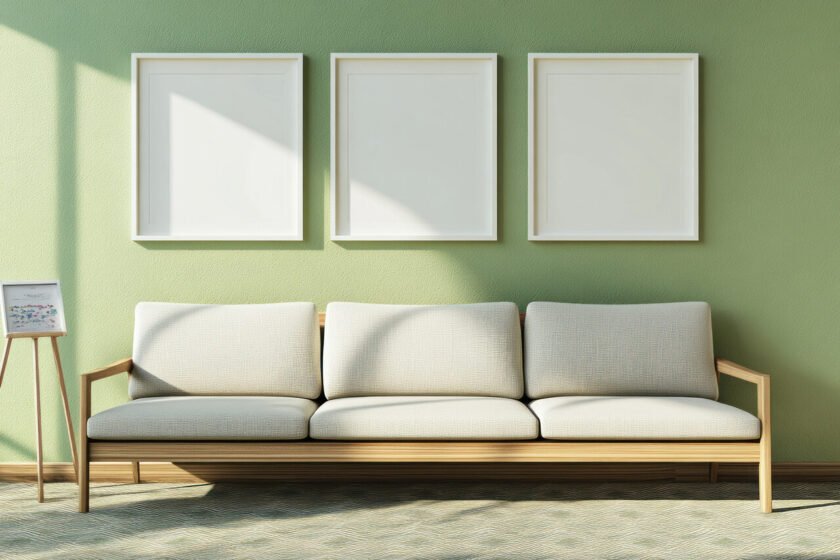
Minimalist aesthetics can suggest tranquility, Ordnung, and neatness, yet pushing it too far may drain a residence of warmth and individuality. A scene that appears peaceful in snapshots can feel austere in real life. Unadorned walls can heighten echoes, subdued color schemes can dull mood, and a lack of texture can make rooms resemble display spaces rather than livable homes. Many owners find that decluttering alone doesn’t guarantee comfort. As tastes shift, it’s evident that comfortable spaces require gentle softness, visual contrast, and personality together with restraint.
Soft Warm White
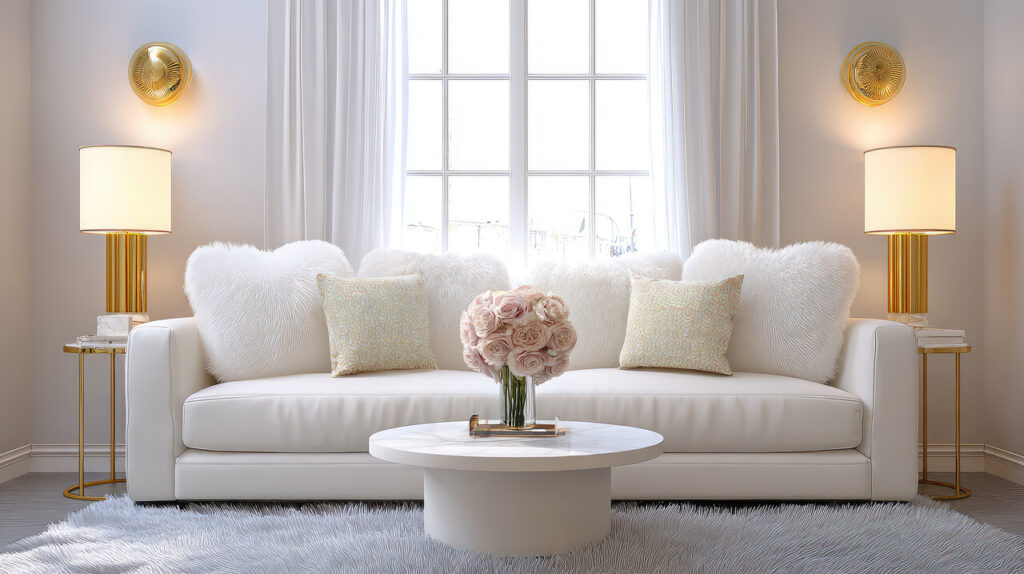
Here’s the thing about all-white interiors. They photograph beautifully, but living in one is a different story. When walls, ceilings, furniture, and even decor all sit in the same white family, the room loses visual temperature. There’s nothing for the eye to rest on and nothing that signals comfort. White reflects light aggressively, which can make spaces feel stark rather than calm, especially in rooms without abundant natural light. Over time, homeowners notice that these spaces feel more like galleries than homes. Without wood tones, soft neutrals, or muted color accents, white-on-white rooms often feel emotionally flat.
BARE WALLS WITHOUT ART OR TEXTURE
Ultra Bright Primary Colors On Large Walls
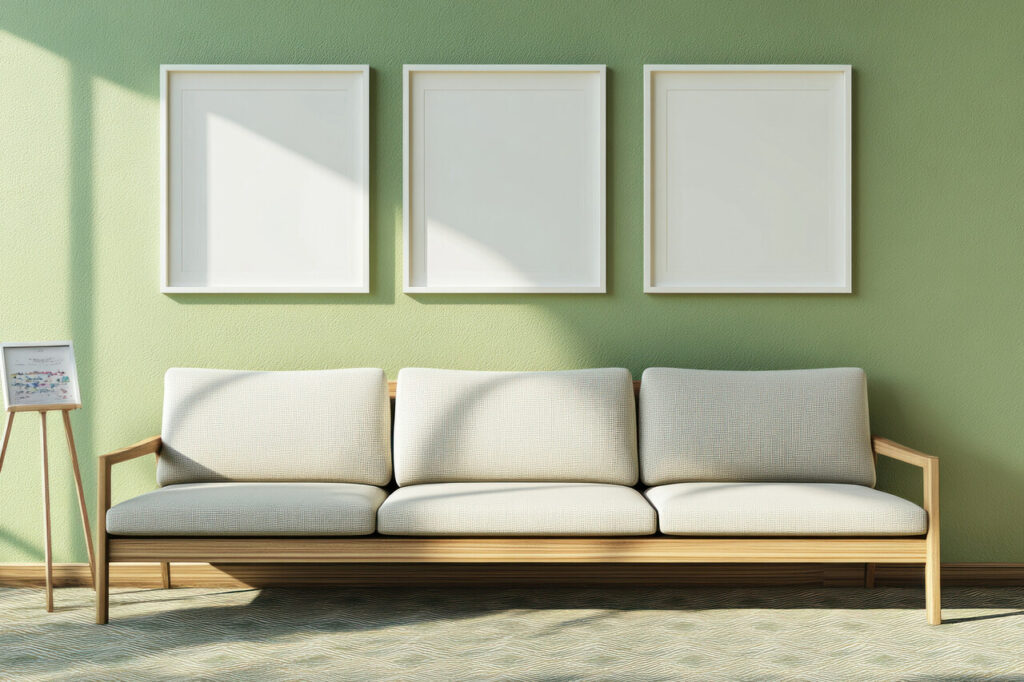
Minimalism often encourages restraint, but completely bare walls tend to remove personality from a space. Walls are one of the largest visual surfaces in any room, and leaving them empty creates an echoing, unfinished feeling. Art, textiles, or even subtle wall textures help absorb sound and soften how a room feels. Without them, spaces can feel acoustically harsh and visually cold. Homeowners often realize that bare walls don’t read as calm. They read as temporary or incomplete. Over time, this lack of visual warmth can make rooms feel less welcoming, especially in shared living areas. Texture and thoughtful wall elements are what make minimalist homes feel intentional instead of abandoned.
METALLIC OR GLASS-HEAVY FURNITURE
Thin Metal Frame Sofas
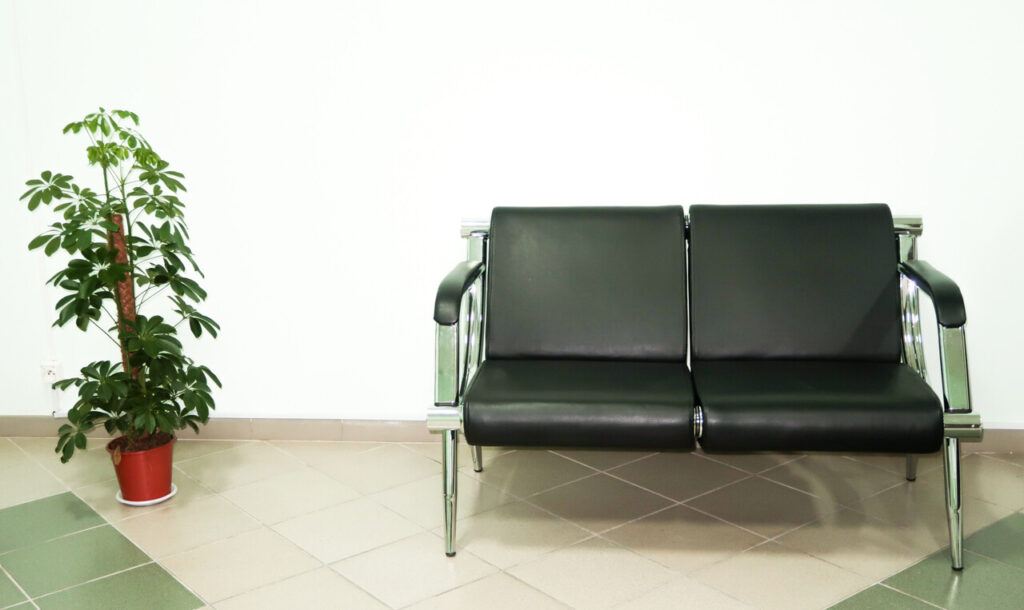
Furniture dominated by metal and glass leans heavily into visual coolness. These materials reflect light rather than absorb it, which can make rooms feel harder and less forgiving. Glass tables, chrome frames, and steel shelving may look sleek online, but in real homes, they often amplify echoes and reduce warmth. These materials also lack the tactile comfort people subconsciously seek. Sitting near them doesn’t feel cozy or grounding. Over time, homeowners notice that rooms filled with reflective surfaces feel uninviting, especially in the evenings when lighting is softer. Without balancing materials like wood, fabric, or leather, metallic and glass-heavy furniture can make minimalist spaces feel emotionally distant.
OVERSIZED NEUTRAL RUGS WITH LOW PILE
Oversized Rugs for Big Impact

Large neutral rugs are meant to ground minimalist rooms, but low-pile versions often do the opposite. They visually disappear while offering little physical comfort underfoot. In colder climates or homes with hard flooring, these rugs fail to add warmth, both literally and aesthetically. Because they’re oversized and understated, they don’t break up the space or define zones clearly. Instead, rooms can feel cavernous and unfinished. Homeowners often realize that while the rug fits the minimalist brief, it doesn’t improve how the room feels to live in. Texture matters more than size, and flat rugs rarely deliver the softness people associate with comfort.
SPARSE FURNITURE ARRANGEMENTS WITH EXCESSIVE EMPTY SPACE
Furniture Pushed Away From Walls
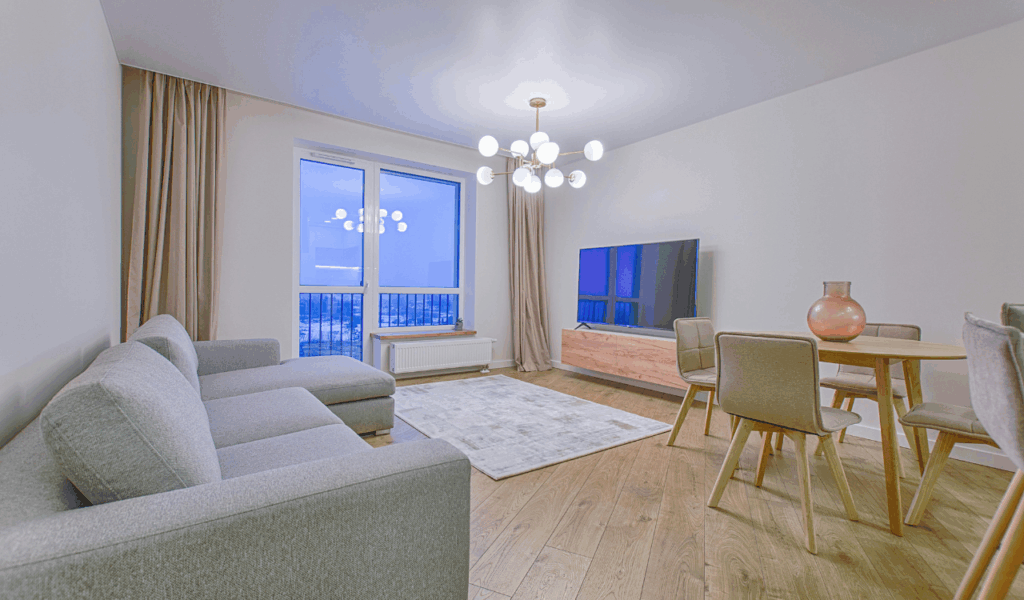
Minimalist layouts often emphasize breathing room, but too much empty space can feel isolating. When furniture is pushed far apart or reduced to the bare minimum, rooms lose intimacy. Conversation areas feel disconnected, and the space can feel underused or awkward. Many homeowners discover that these layouts work better in photos than in daily life. Real living involves gathering, relaxing, and sometimes spreading out. Sparse arrangements can make rooms feel cold simply because they discourage comfort and connection. A space that doesn’t invite people to sit, linger, or interact naturally starts to feel more like a showroom than a home.
MINIMAL WINDOW TREATMENTS
Minimal Window Treatment
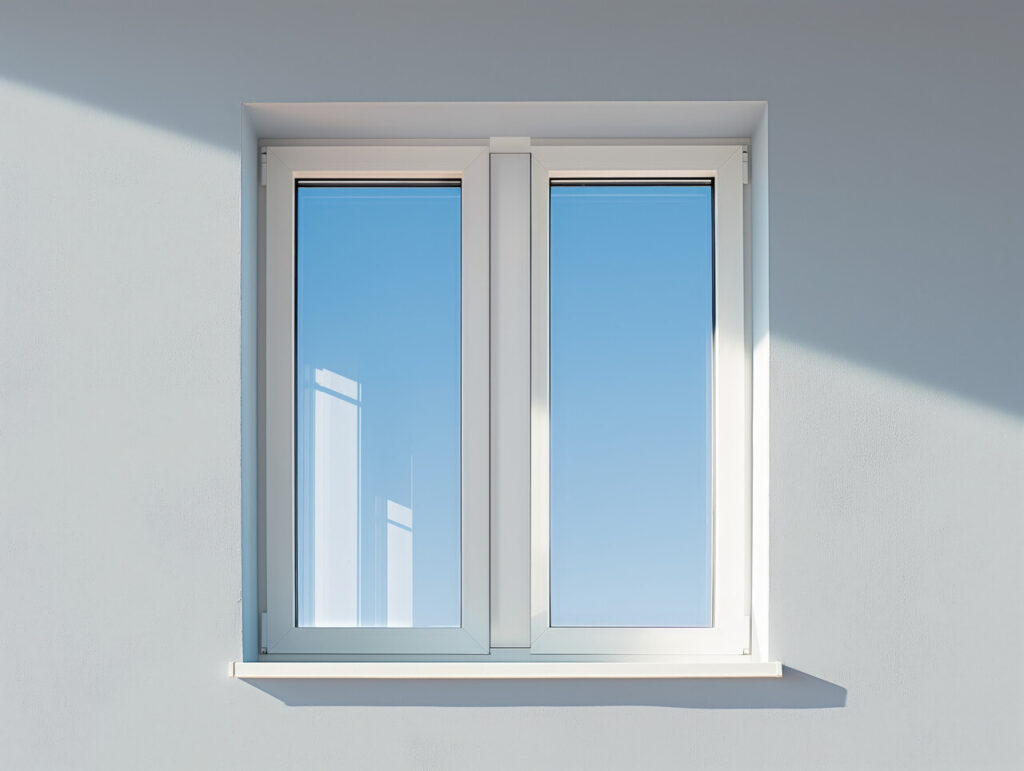
Bare windows are a hallmark of minimalist design, but they often remove a critical layer of softness. Curtains, shades, or drapes do more than control light. They add texture, warmth, and visual framing. Without them, windows can feel exposed and rooms can feel unfinished, especially at night. Glass-heavy walls without fabric elements also contribute to poor acoustics and a colder atmosphere. Homeowners frequently realize that minimal window treatments make spaces feel less private and less cozy. Even simple fabric layers can dramatically change how a room feels without compromising a clean aesthetic.
CONCRETE OR POLISHED CEMENT FLOORS
Concrete or Polished Cement Floor
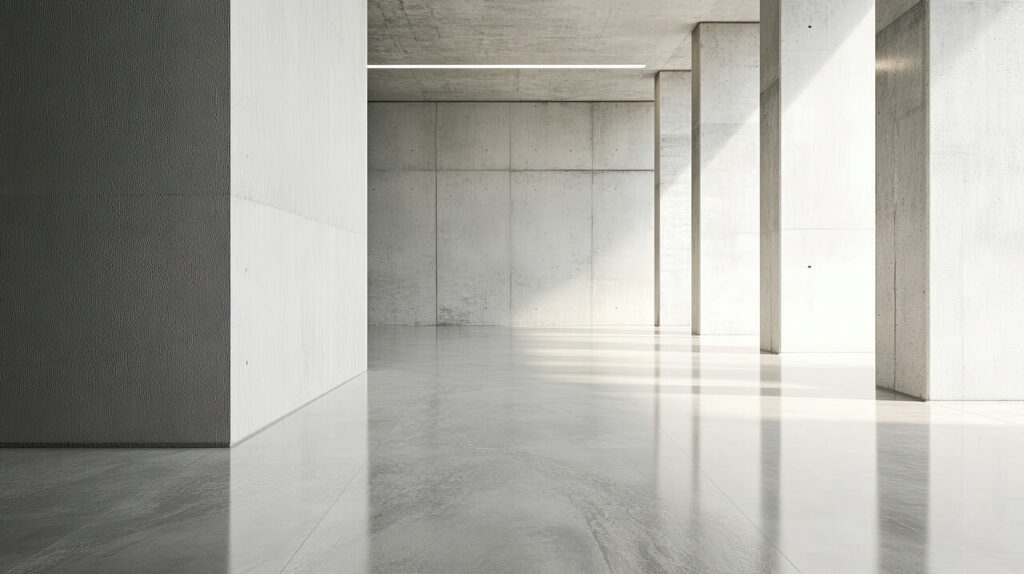
Concrete floors are durable and modern, but they come with trade-offs. They retain cold, amplify sound, and visually dominate a space if left untreated. In minimalist interiors, where soft furnishings are already limited, concrete can make rooms feel industrial rather than inviting. Homeowners often report that these floors feel uncomfortable year-round, especially in bedrooms and living spaces. Without layered rugs or warm furnishings, concrete floors reinforce a sense of hardness that’s difficult to offset. What feels edgy at first can quickly become tiring when comfort is sacrificed.
HIGH-GLOSS FINISHES WITHOUT NATURAL MATERIALS
High-Gloss Finishes
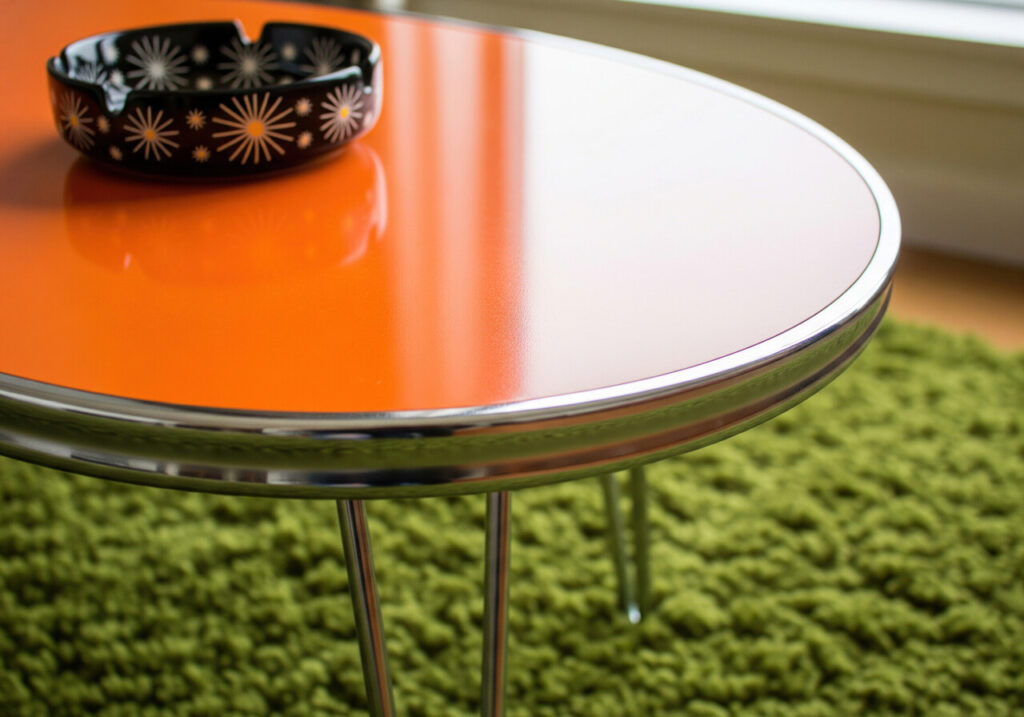
Glossy surfaces are often chosen to make minimalist spaces feel sleek and modern, but living with them tells a different story. These finishes reflect light harshly, amplifying glare and drawing attention to every fingerprint, scratch, and smudge. In large doses, high-gloss cabinets, tables, and decor can make a home feel more like a showroom or office than a place to relax. Without grounding elements like wood grain, stone, or soft textiles, the space loses warmth and depth. Many homeowners realize that instead of feeling clean, rooms feel cold and unforgiving. Matte and natural finishes usually provide the same simplicity with far more comfort and longevity.
SINGLE-TONE BEDDING AND TEXTILES
MDF Bed Frames
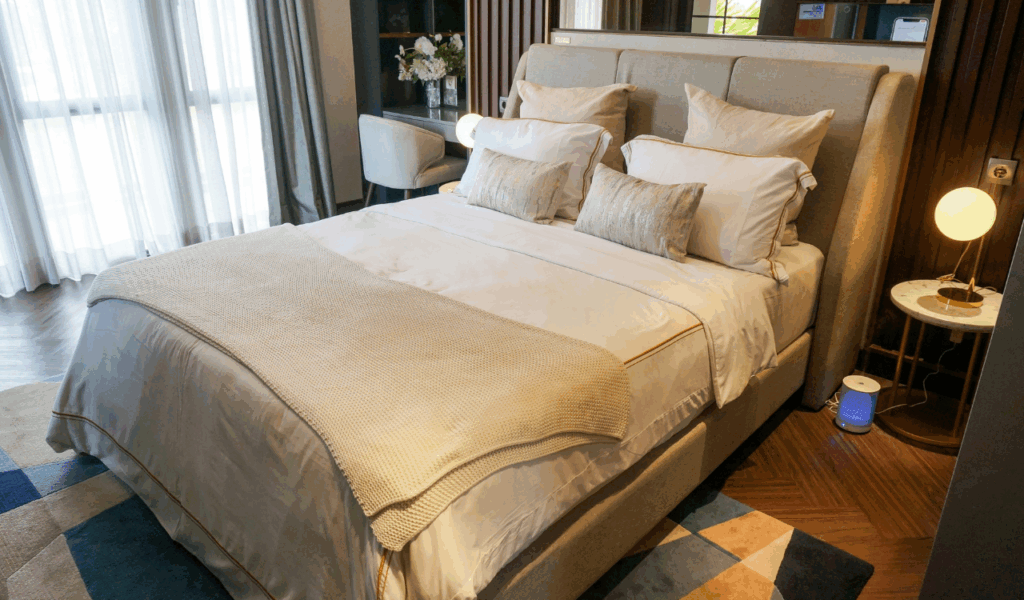
Monochrome bedding photographs beautifully because it signals order and simplicity, but the experience of living with it is often underwhelming. When sheets, duvets, pillows, and throws all sit in the same shade, the bed can feel flat rather than inviting. Bedrooms benefit from layers for both visual interest and comfort. A single tone removes signals of softness and rest. Many homeowners find these spaces feel overly controlled, even sterile, instead of relaxing. Subtle contrast through varied fabrics, textures, or closely related shades restores warmth without breaking a minimalist look.