

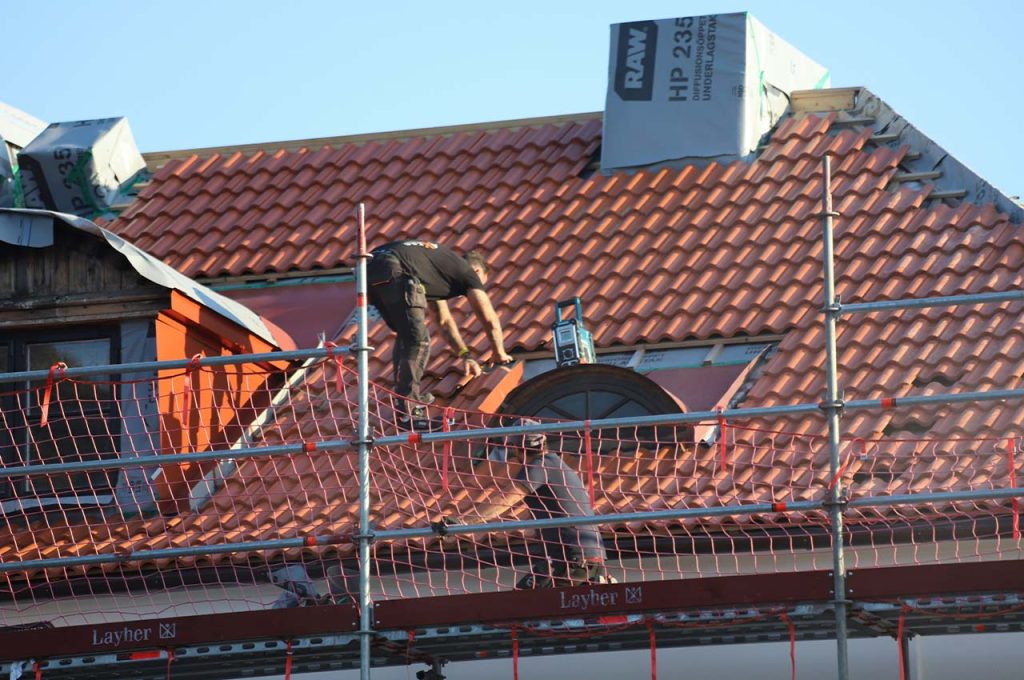
DIY projects can save money and feel empowering—but not all home fixes are as harmless as they seem. In fact, some common upgrades or repairs could unknowingly violate local building codes, putting your safety and resale value at risk. From makeshift wiring to venting shortcuts, here are 8 DIY fixes that might be breaking the rules—and what you should do instead.
1. Improperly Spliced Electrical Wires
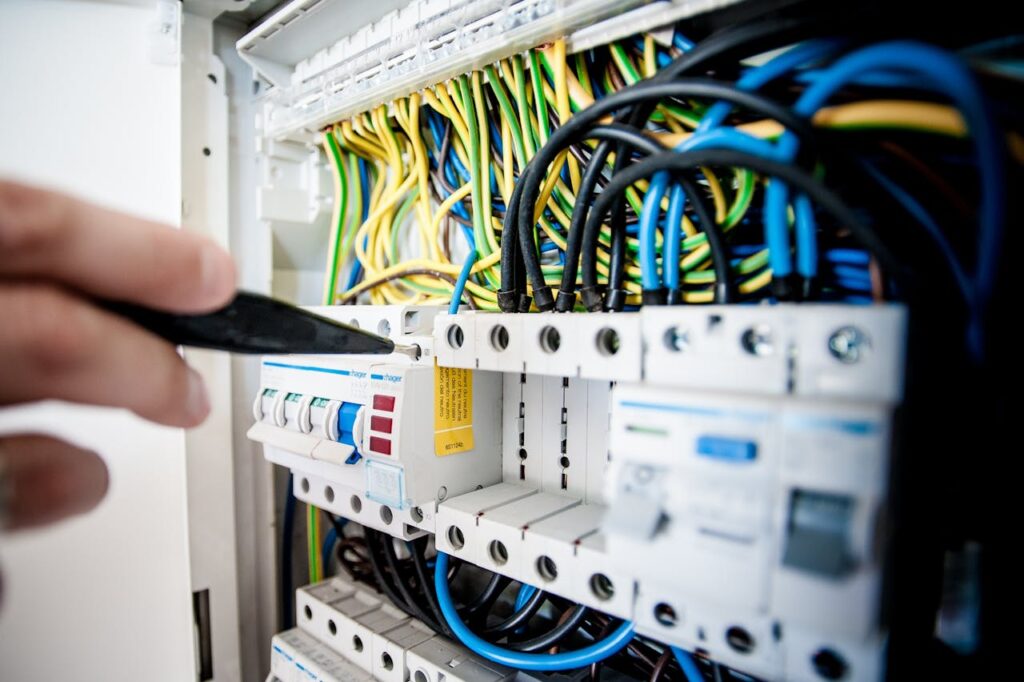
Twisting wires together and taping them might seem like a quick fix, but it’s a fire hazard and a code violation. Electrical splices must be made inside approved junction boxes with proper connectors and covers. Skipping this step might save time now, but it risks overheating, short circuits, and failed inspections down the road.
2. Installing a Bathroom Fan Without Proper Venting
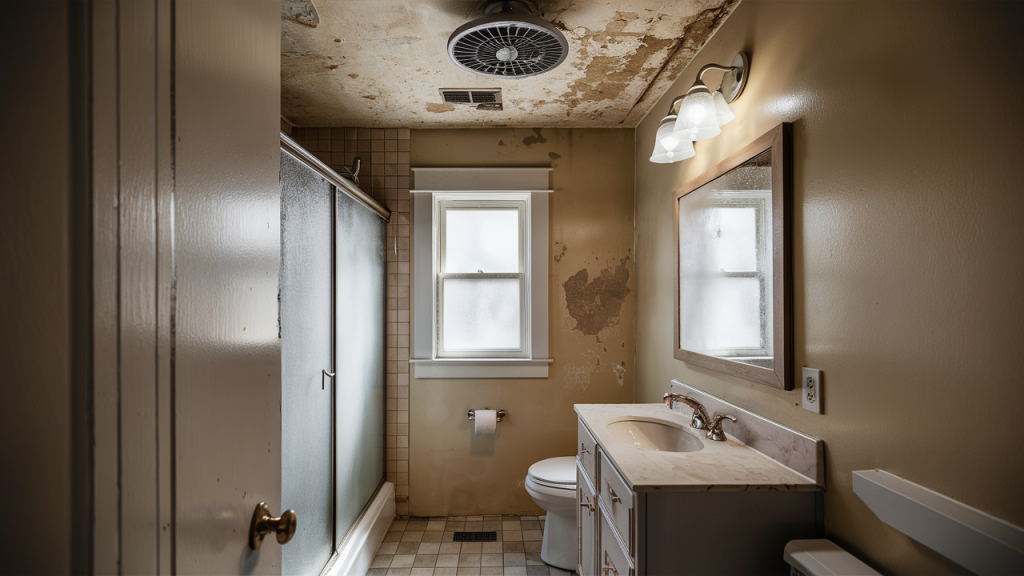
Routing a bathroom fan into the attic instead of outside might feel like a shortcut, but it violates code and invites mold and moisture damage. Building codes require fans to vent outdoors to prevent rot and maintain indoor air quality. Improper venting can lead to expensive structural repairs that far outweigh the cost of doing it right.
3. Finishing a Basement Without Egress Windows
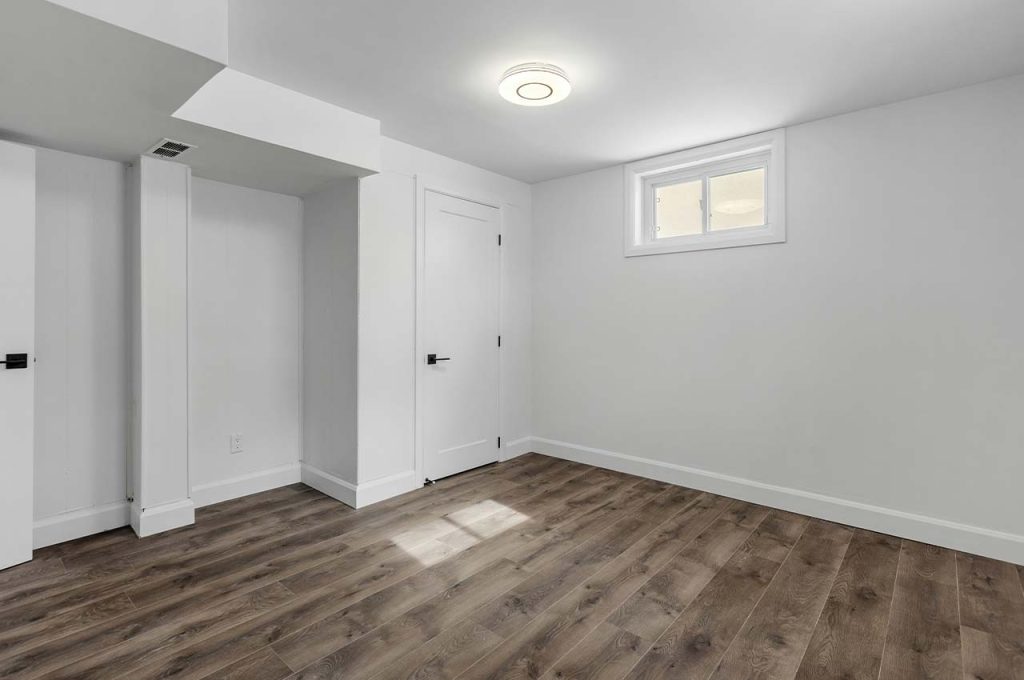
Turning a basement into a living space without proper egress windows isn’t just a code violation—it’s a major safety risk. Codes require a way to escape in case of fire or emergency. Without one, emergency crews may struggle to reach occupants, and your remodel may not be considered legal habitable space.
4. Adding a New Outlet Without a Permit
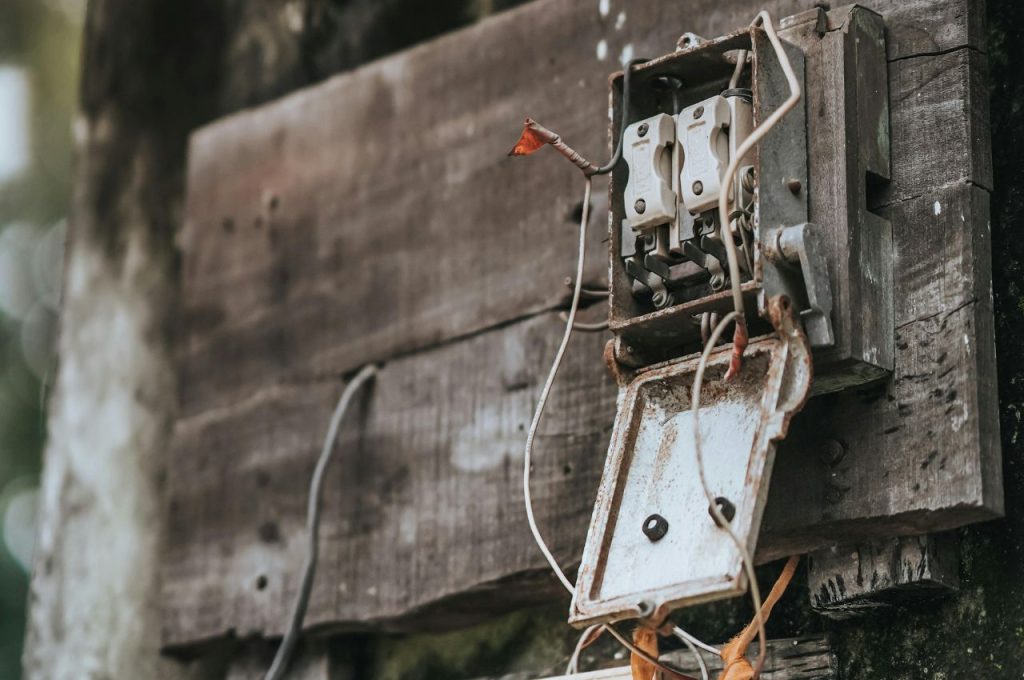
Installing a new outlet might seem like a minor task, but electrical work usually requires a permit and inspection. DIY outlets not installed to code can pose shock or fire hazards, especially if overloading circuits or using incorrect wire gauges. Always check local regulations before modifying your home’s electrical system.
5. Covering Air Vents With Furniture or Rugs
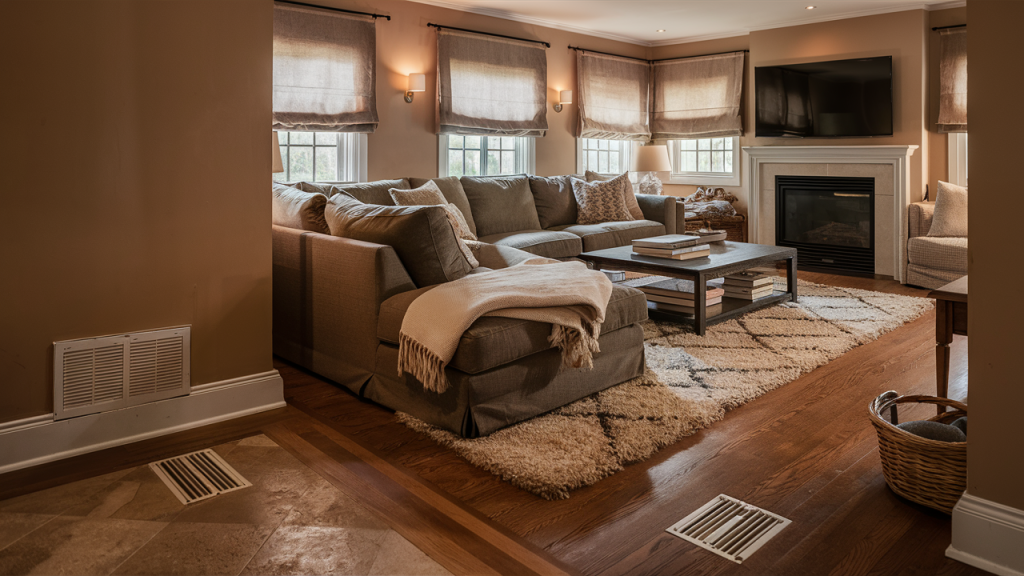
Blocking air vents may seem harmless, but it disrupts airflow and can cause your HVAC system to work inefficiently—or even overheat. It also violates ventilation codes in many regions. Consistent airflow is essential for maintaining indoor air quality and prolonging the life of your heating and cooling systems.
6. Using the Wrong Type of Plumbing Pipe

Not all pipes are created equal, and using the wrong material—like flexible hose for permanent water lines or non-code PVC for drain systems—can lead to leaks, contamination, or burst pipes. Local codes specify which types of piping are approved for different uses. Ignoring these standards can result in failed inspections or worse—major water damage.
7. Building a Deck Without Proper Footings

A deck built directly on the ground or with shallow footings might look fine—until it starts to sag, shift, or collapse. Building codes require specific footing depths based on frost lines and load capacity. Without proper anchoring and support, you’re risking safety, legal issues, and expensive reconstruction later.
8. Overloading Circuits With DIY Additions

Adding lights, outlets, or appliances without understanding your circuit’s limits can quietly overload the system. Overloaded circuits may not trip right away, but they create heat and fire hazards over time. Always calculate the total load and, when in doubt, consult an electrician to ensure your upgrades meet electrical code requirements.
Want to see more from Remodr?

Drop a comment below, share this with your friends and family, and don’t forget to follow us for more fresh ideas, updates, tips, and home trends.
This article was created with the assistance of AI but thoroughly edited by a human being.