
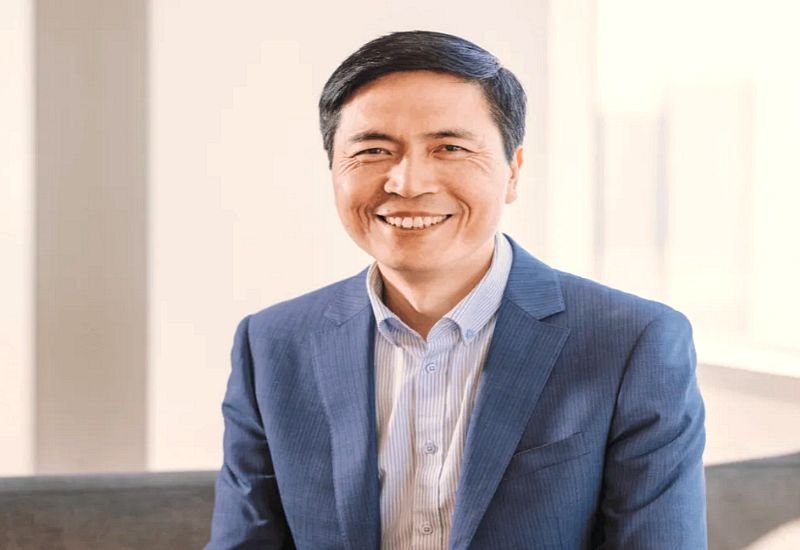

In 2020, after nearly three decades in the US, AI pioneer Song-Chun Zhu moved to China, leaving colleagues and students stunned, as reported by The Guardian. Zhu, who helped lay the groundwork for modern AI systems like ChatGPT, now directs China’s Beijing Institute for General Artificial Intelligence. His move has ignited debate over brain drain, US scientific competitiveness, and the future of artificial general intelligence (AGI).
Early Life in Rural China
Born in 1969 near Ezhou, Zhu grew up during China’s Cultural Revolution. His father ran a small village supply store, which became a hub for stories of loss, death, and survival. “That was really tough,” Zhu recalls, reflecting on the pervasive poverty around him. A childhood encounter with his family genealogy, which recorded ancestors’ births and deaths but nothing of their lives, instilled in him a determination to forge a different path.
Academic Rise in the US
Zhu left China in 1992 for a PhD in computer science at Harvard, later leading a major AI lab at UCLA. He earned awards for pioneering statistical approaches in computer vision, influencing the development of AI systems like ChatGPT and DeepSeek. For years, he enjoyed a distinguished career, securing Pentagon and NSF grants while raising a family in Los Angeles.
Turning Point: Disillusionment with AI
By 2009, Zhu questioned the prevailing “big data, small task” methods of AI. His Lotus Hill Institute had annotated hundreds of thousands of images, yet he argued that true intelligence required reasoning and understanding beyond datasets. Neural networks, which soon dominated AI research, conflicted with his vision of a structured, explainable cognitive architecture.
US-China Tensions and Career Shift
Rising geopolitical tensions further complicated Zhu’s US tenure. Programs like the Trump-era China Initiative scrutinized Chinese-born scientists, while Huawei funding drew public attention. Zhu also faced challenges securing research support amid shrinking US military and federal funding. Combined with the political climate and his daughter Zhu Yi’s recruitment to China’s Olympic figure skating team, these factors contributed to his decision to return.
Beijing Institute for General AI
Upon returning in 2020, Zhu established the Beijing Institute for General Artificial Intelligence (BigAI). Backed by state resources, he now shapes AI curricula, supervises cutting-edge research, and pursues a “small data, big task” approach to AGI. Zhu envisions AI capable of reasoning, planning, and understanding cause-and-effect relationships – qualities he believes large neural networks like ChatGPT cannot achieve.
Balancing Neural Networks
Though critical of neural networks, Zhu allows selective experimentation at BigAI. His mentor, David Mumford, encouraged integration of deep learning methods, and Zhu has adapted, permitting limited transformer-based projects. Zhu emphasizes that neural networks have a role but must complement, not replace, more structured, goal-oriented AI systems.
Global Implications and Legacy
Zhu’s relocation reflects broader shifts in global AI leadership. US universities risk losing talent amid political and funding pressures, while China offers autonomy paired with abundant resources. Zhu’s work highlights both the scientific and geopolitical stakes of AI research, aiming not merely to advance technology but to define an ethical and capable form of general intelligence.