

Canada is facing economic, political, and social pressures that serve as a timely warning for the United States. Rising costs, healthcare struggles, immigration debates, and political polarization are reshaping life for Canadians in ways that closely mirror U.S. challenges. By examining these developments, Americans can gain a clearer picture of where current policies may lead if systemic reforms are ignored. Canada’s situation highlights the interconnectedness of the two nations and how problems on one side of the border can forecast risks on the other.
Rising Cost of Living and Housing Crisis

Canada is grappling with soaring housing prices and rental costs that have put homeownership out of reach for many. According to the Canadian Real Estate Association, average home prices have more than doubled in the past two decades, creating generational divides and fueling discontent. Americans can view this as a warning since U.S. housing affordability is also worsening, with rising mortgage rates and urban shortages. Canada’s example shows how unchecked demand, speculative investment, and limited supply can destabilize communities and create long-term economic inequality if not urgently addressed.
Strains on Public Healthcare Systems

Canada’s publicly funded healthcare system, long considered a global model, is under enormous strain. Delayed surgeries, overcrowded emergency rooms, and staff shortages have become common, according to the Canadian Institute for Health Information. These challenges mirror growing problems in U.S. healthcare, where costs are skyrocketing and accessibility is uneven. For Americans, Canada’s struggles reveal how even universal systems can falter without sustainable investment and workforce support. The U.S. faces its own crisis of affordability and coverage gaps, making Canada’s current experience a stark reminder of the need for durable healthcare reform.
Immigration and Population Pressures
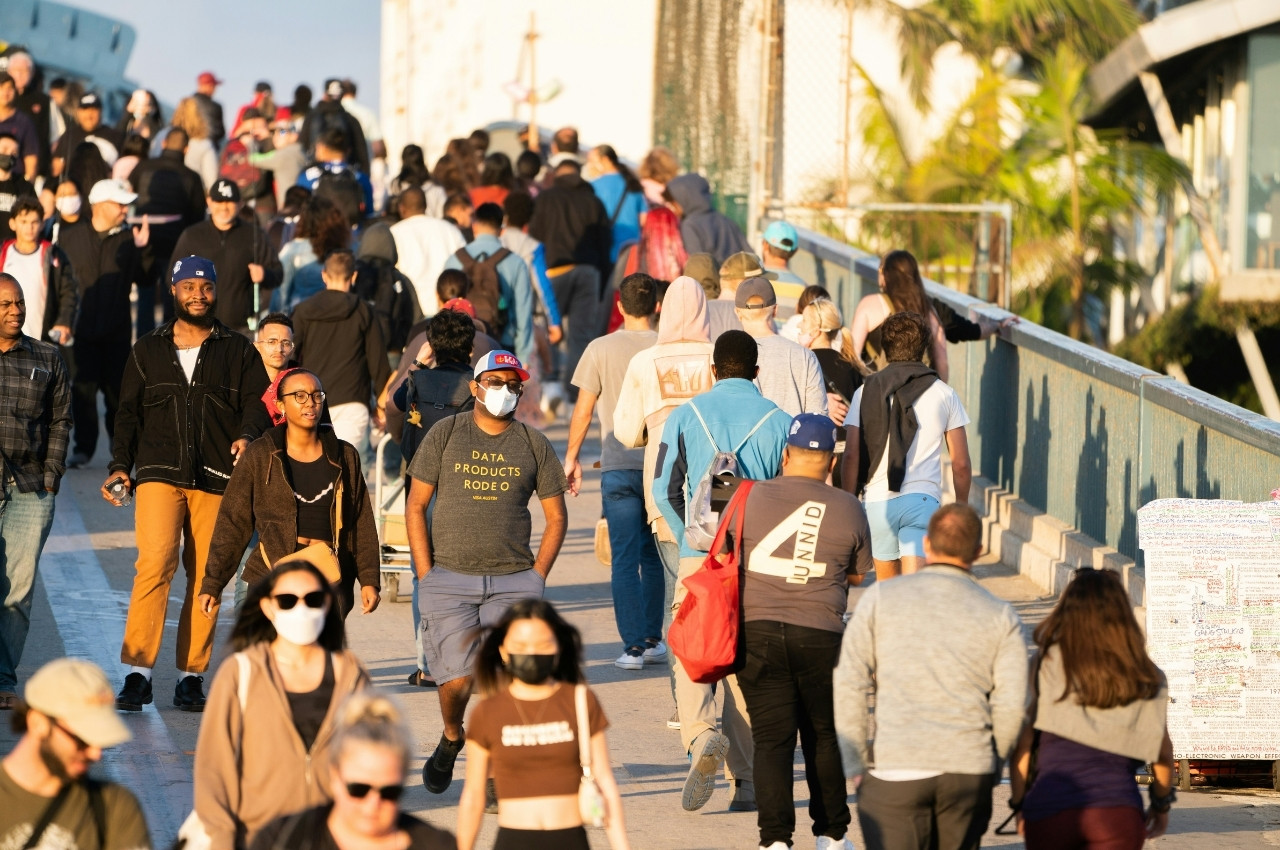
Rapid immigration growth has placed additional pressure on Canadian housing, infrastructure, and social services. According to Statistics Canada, the country saw record population increases in recent years, driven largely by newcomers. While immigration supports economic growth and addresses labor shortages, it also intensifies public frustration when basic needs like housing and healthcare fall short. The U.S. faces similar debates around immigration and integration. Canada’s experience shows that immigration benefits must be balanced with adequate planning and resource allocation, or public support can quickly erode, fueling political and cultural divisions.
Political Polarization and Public Trust
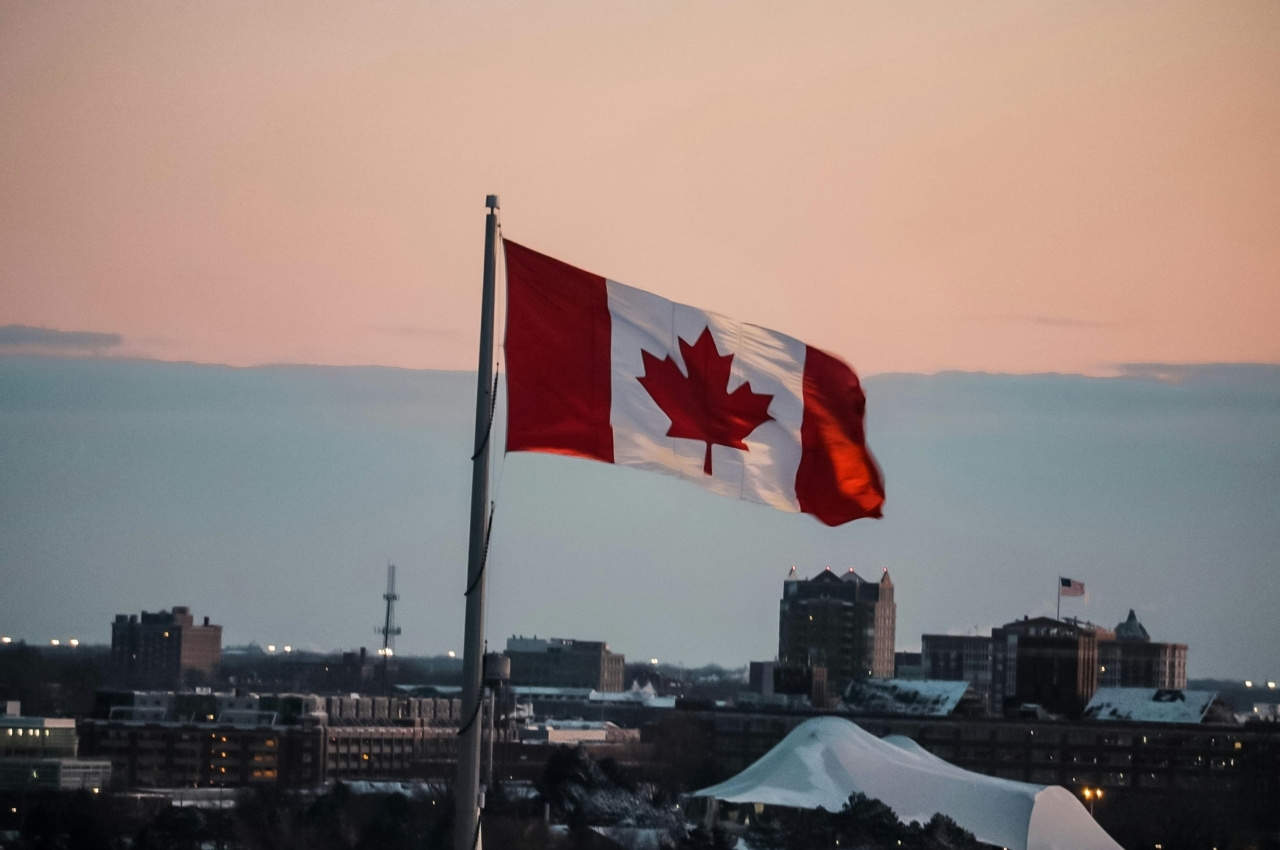
Canada is experiencing rising political polarization, with divisions deepening between urban and rural populations as well as across provinces. Polling from the Angus Reid Institute shows declining public trust in institutions and leadership. Americans can easily recognize this trend, as similar distrust and polarization have shaped U.S. politics for years. Canada’s growing divides over climate policy, energy projects, and cultural debates demonstrate how quickly consensus can fracture. For the U.S., this is a warning about the dangers of ignoring regional needs and allowing political discourse to harden into entrenched hostility.
Economic Dependence and Vulnerability

Canada’s economy is heavily tied to global markets, particularly energy and trade with the United States. Fluctuations in oil prices and international demand directly affect jobs and government revenue. According to the Bank of Canada, global uncertainty and inflation have left Canadians vulnerable, especially in resource-dependent provinces. For the U.S., Canada’s situation illustrates how economic dependence on volatile industries and global trade partners can destabilize national growth. This wake-up call underlines the importance of diversification and resilience to weather future downturns that could otherwise strain households and governments alike.
Indigenous Rights and Reconciliation Challenges

Canada’s ongoing struggle to address Indigenous rights and reconciliation highlights deep historical wounds and systemic inequalities. Reports from the Truth and Reconciliation Commission emphasize the importance of acknowledging past harms while building equitable futures. However, many Indigenous communities continue to face poverty, inadequate housing, and limited access to clean water. Canada’s difficulties serve as a reminder to the United States, which has a history of broken promises to Native nations, of the perils of making token gestures without implementing structural change. Addressing these long-standing issues is essential to building lasting trust and repairing national unity.
Climate Change and Natural Disasters
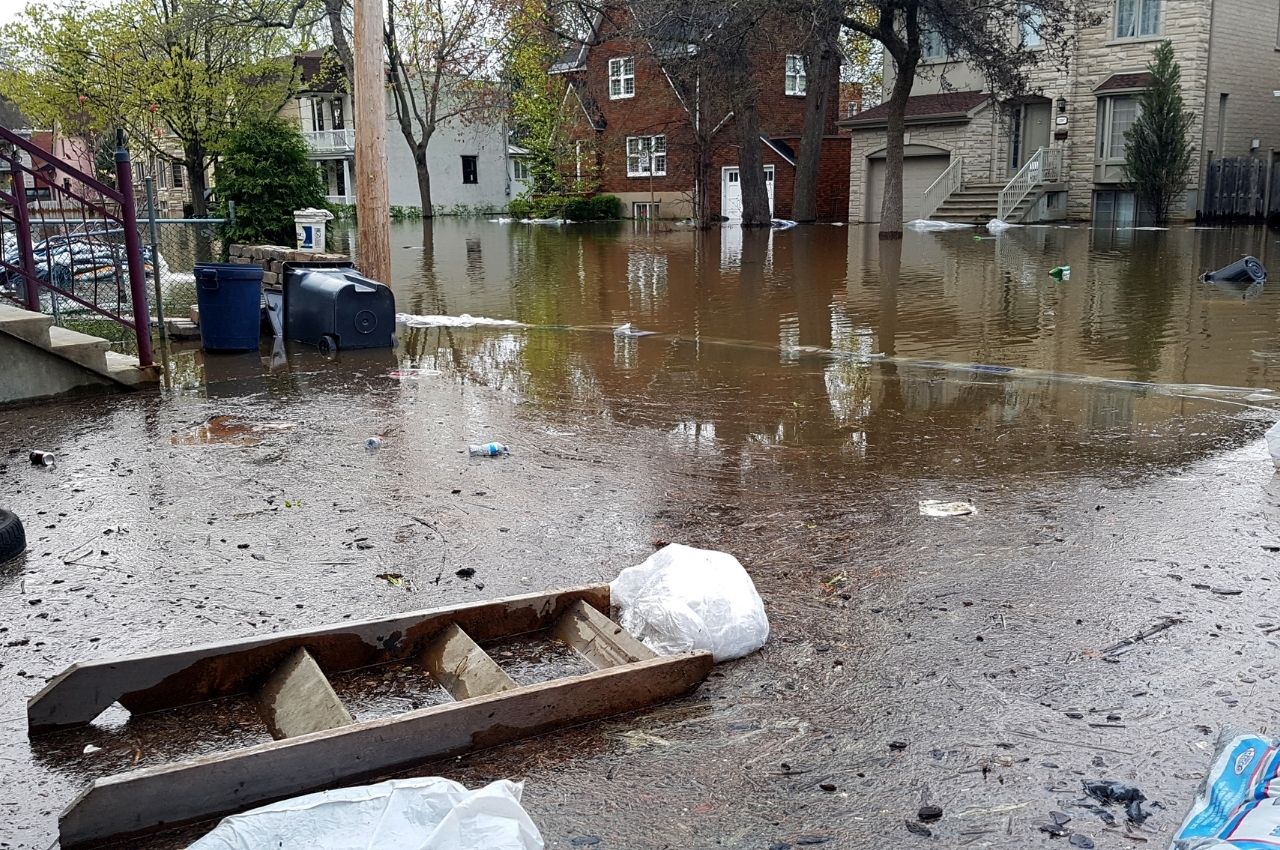
Canada has seen increasing wildfires, floods, and climate-related disasters in recent years. Environment and Climate Change Canada reports that extreme weather events are becoming more frequent and costly. These disasters strain infrastructure, displace communities, and worsen health outcomes. For Americans, this trend mirrors growing climate risks across the U.S., from hurricanes to wildfires. Canada’s challenges serve as a reminder that climate change demands urgent, coordinated responses. Without investment in resilience and sustainable practices, both nations risk higher human and economic costs that could spiral out of control in the coming decades.
Lessons for the United States

Canada’s current troubles serve as a mirror for Americans, reflecting potential outcomes if similar problems remain unaddressed. Rising living costs, strained healthcare, immigration pressures, and political divides are not unique to Canada. They are shared issues that reveal the vulnerabilities of modern democracies. For the U.S., paying close attention to Canada’s struggles offers the opportunity to take preventive action. By investing in affordable housing, strengthening healthcare systems, addressing inequality, and fostering national unity, Americans can learn from Canada’s difficulties before these challenges deepen at home.