
Long before social media platforms existed, trends spread rapidly through music, television, and youth culture. The 1960s became a perfect environment for ideas to travel fast and wide. Rebellion, creativity, and mass media combined to create moments that felt instantly contagious. These fads captured national attention without algorithms or screens.
Go-Go Dancing

Go-go dancing exploded through clubs, television shows, and pop culture. High-energy music encouraged participation and imitation. Youth culture embraced the movement as a symbol of freedom and fun. The dance spread rapidly through shared social spaces.
Peace Symbols
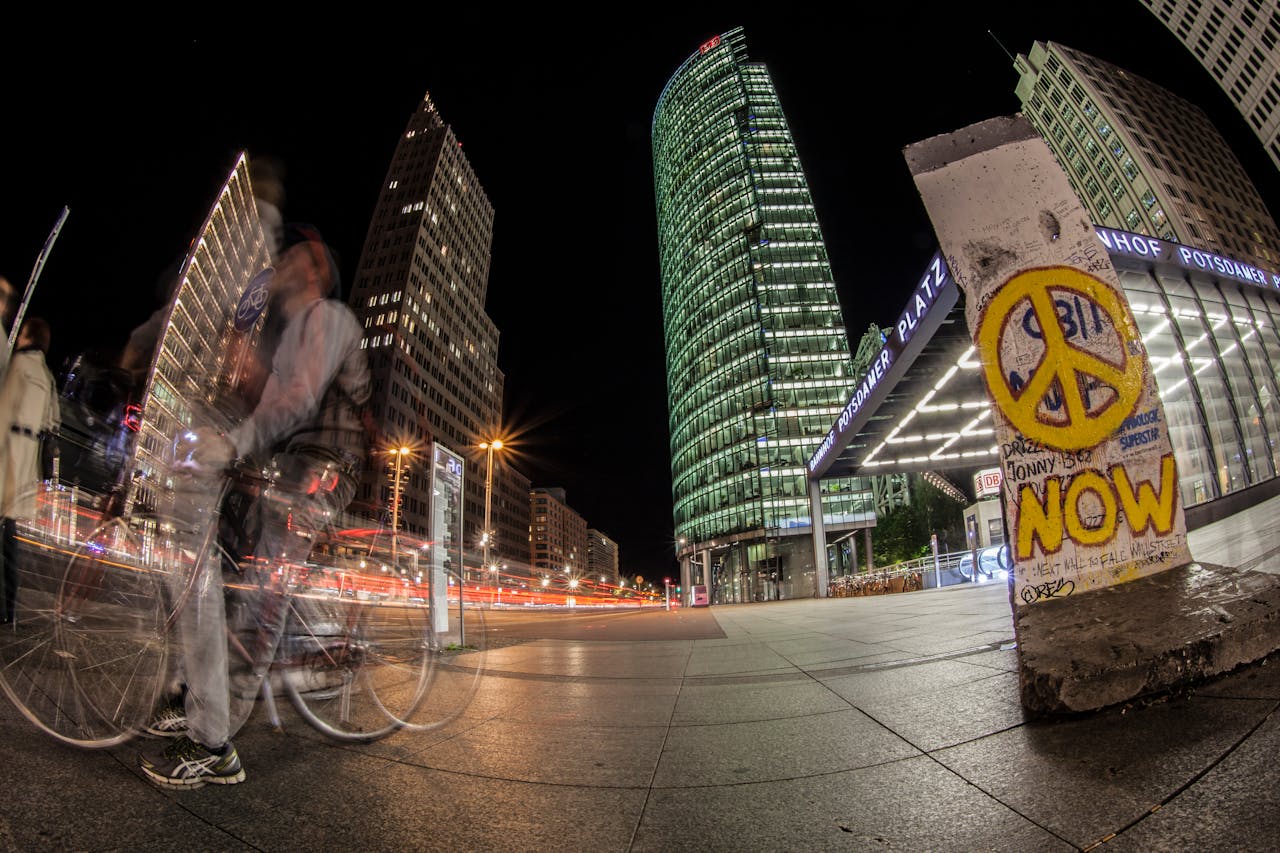
The peace symbol became one of the most recognizable images of the decade. It appeared on clothing, jewelry, and protest signs. Fashion and activism merged visually. The simplicity of the symbol helped it travel quickly across generations.
Mini Skirts

Mini skirts challenged traditional fashion norms and shocked older audiences. Young women embraced the bold style as self-expression. Media exposure amplified its reach. Clothing became a statement of identity and cultural change.
Lava Lamps

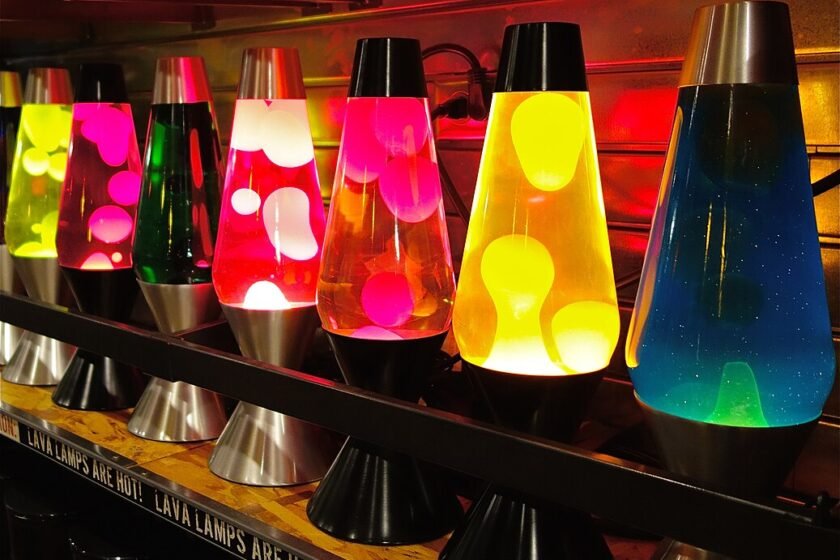
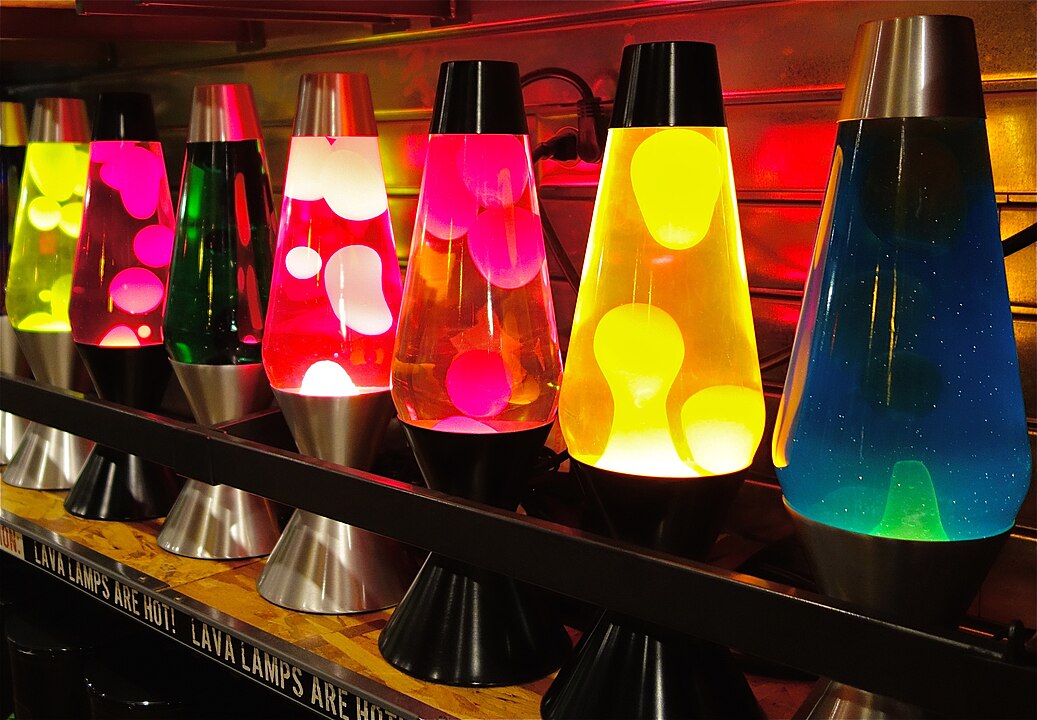
Lava lamps brought hypnotic movement into living rooms and dorms. Their glowing colors reflected the psychedelic mood of the era. Word-of-mouth popularity fueled demand. The lamps became visual icons of counterculture design.
Mood Rings
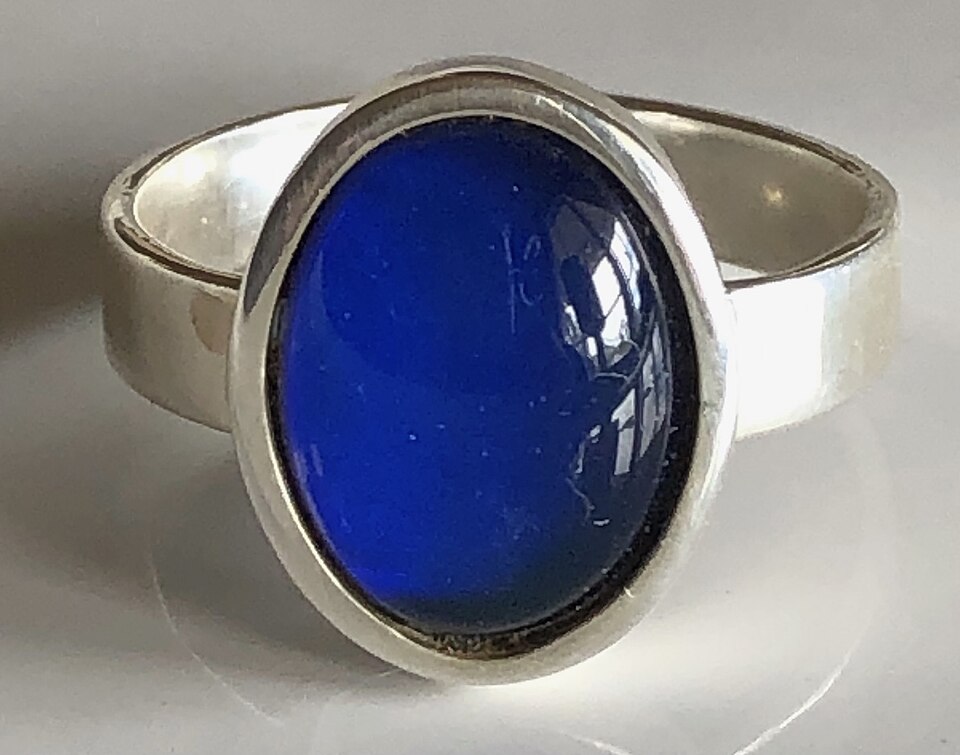
Mood rings fascinated people with their color-changing novelty. They promised insight into emotions through simple chemistry. Curiosity drove rapid adoption. Emotion-based fashion felt futuristic and personal.
Tie-Dye
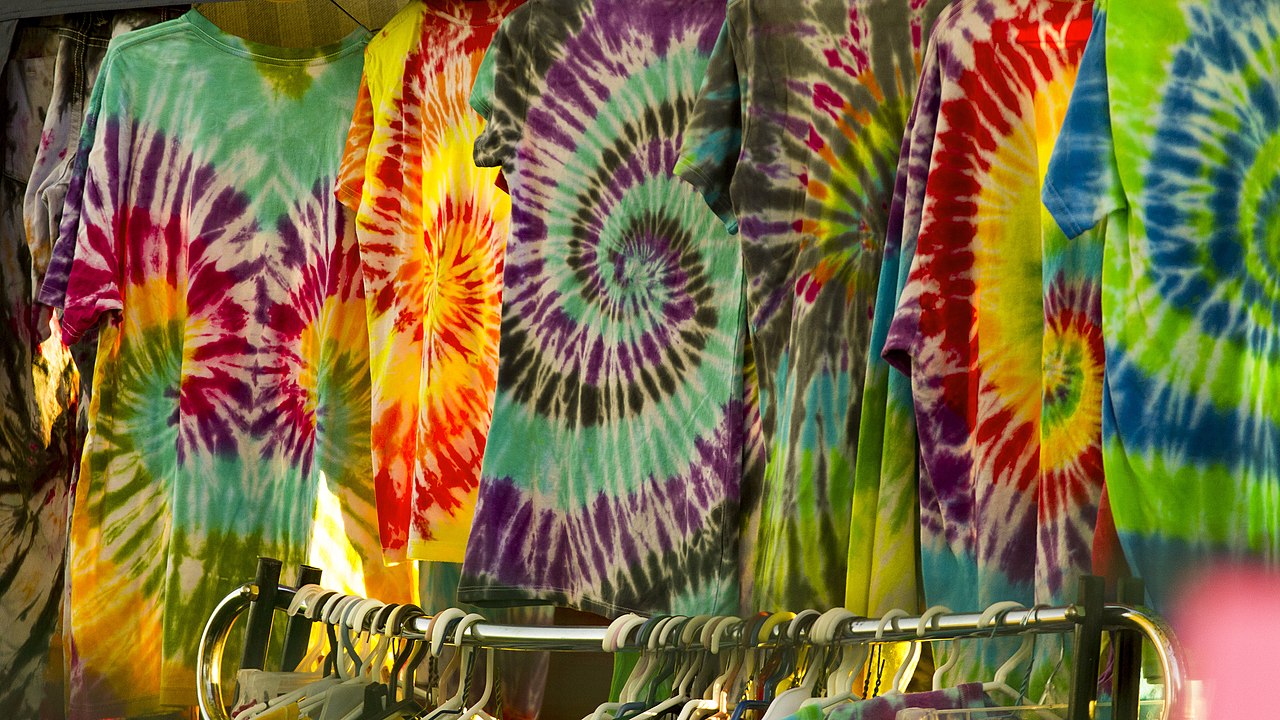
Tie-dye turned clothing into art projects. The DIY nature encouraged creativity and individuality. Music festivals and gatherings helped spread the look. What started as counterculture quickly entered mainstream fashion.
Psychedelic Posters
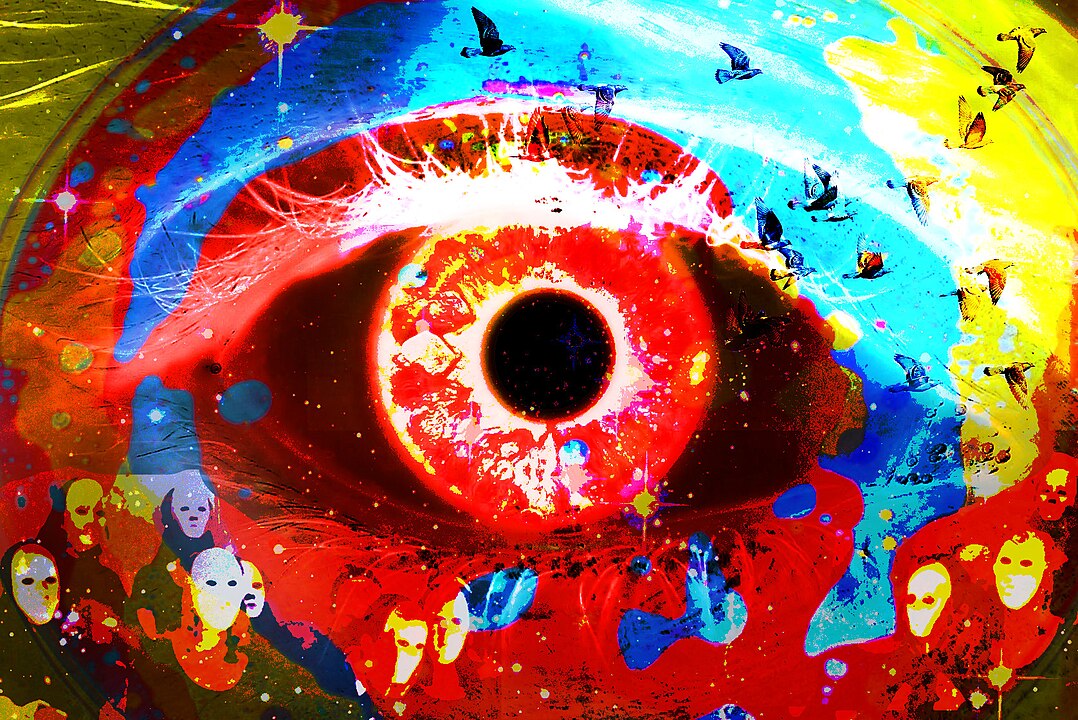
Concert posters featured bold colors and surreal imagery. Music culture amplified their visibility. The designs stood out instantly. Art itself became a viral medium.
Platform Shoes
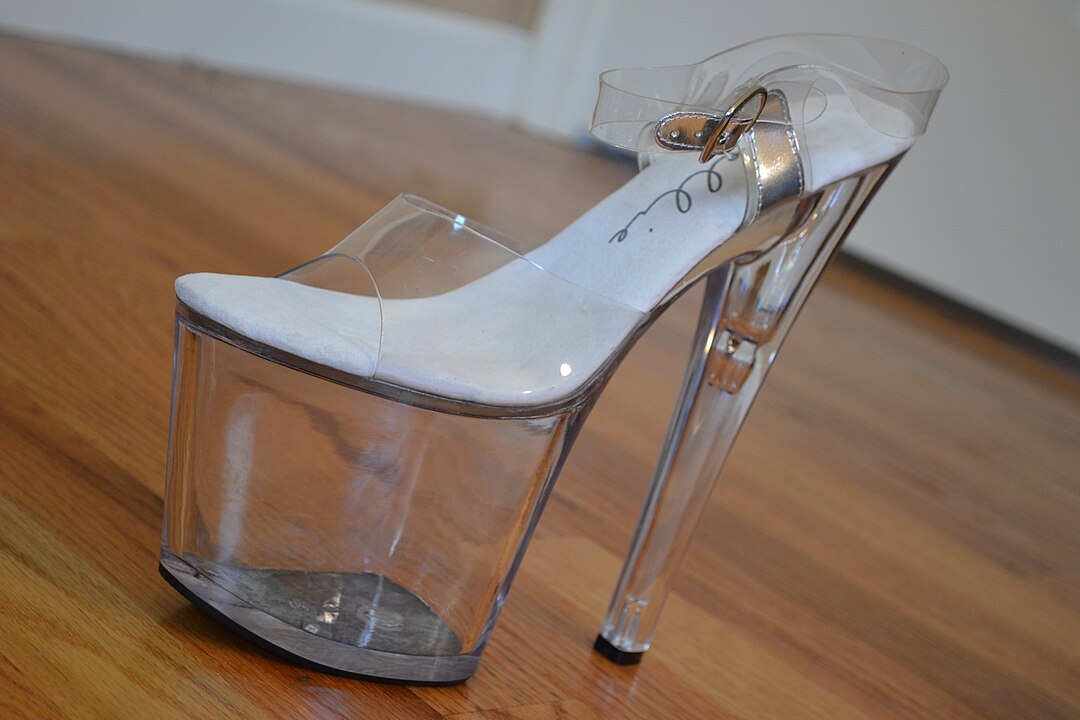
Platform shoes made bold visual statements. Musicians and performers helped popularize the style. Fans quickly followed suit. Fashion spread through concerts and magazines.
Vinyl Collecting
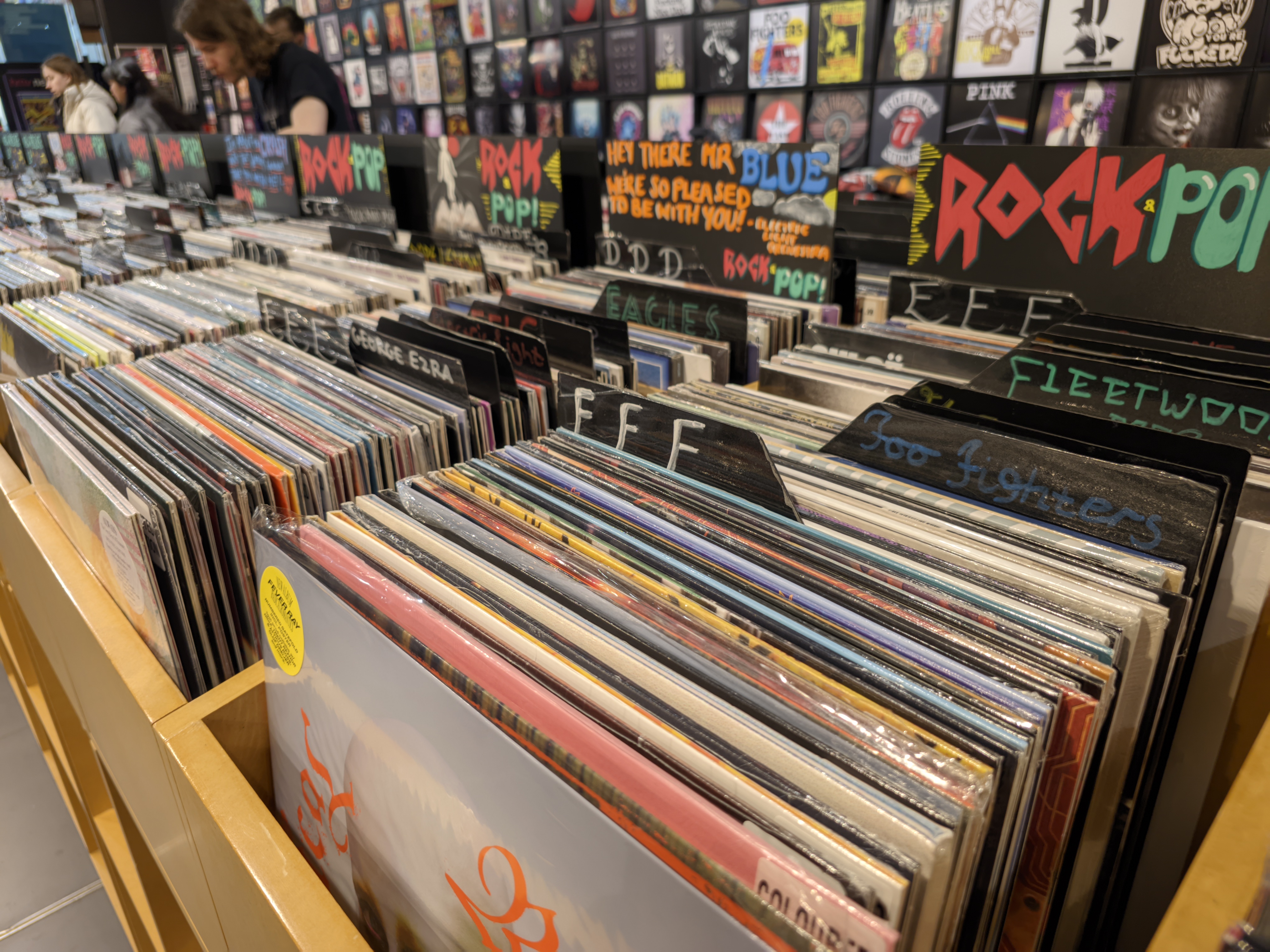
Owning records became part of personal identity. Album covers were displayed and discussed socially. Music collections grew through shared recommendations. Culture spread physically rather than digitally.
Surf Culture

Surf style expanded far beyond coastal towns. Movies and music romanticized beach life. Clothing and slang followed. A lifestyle became aspirational nationwide.
Communal Living

Shared housing symbolized rebellion against traditional norms. Idealism attracted attention and curiosity. Media coverage helped spread the concept. Lifestyle experimentation felt contagious.
Protest Fashion
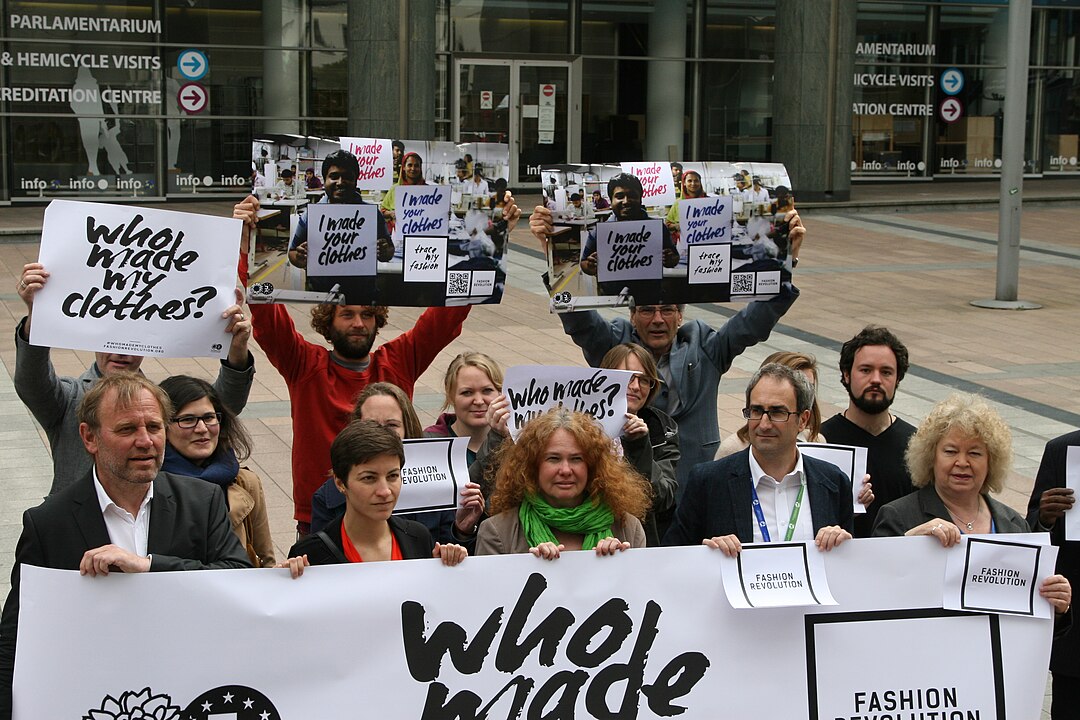
Clothing became a form of political expression. Messages were worn rather than spoken. Media visibility amplified the trend. Ideology itself went viral through style.