
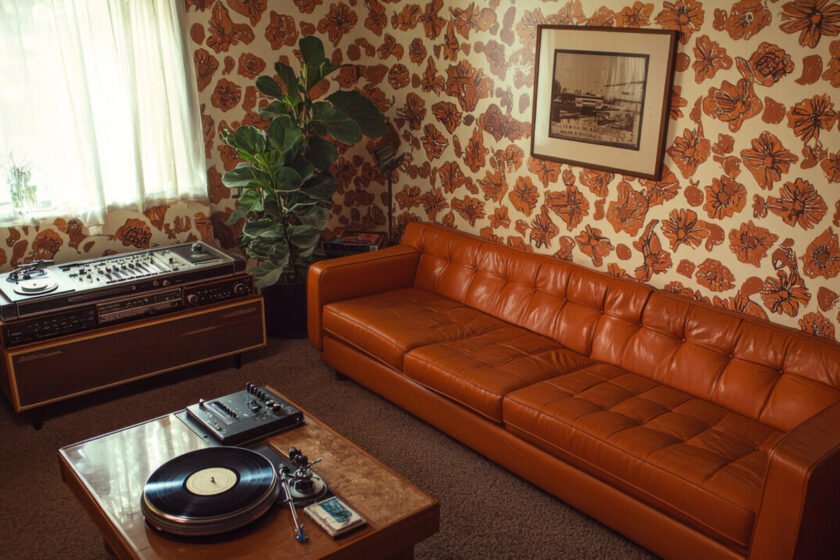
By 2026, the oldest baby boomers turn 80, and that number forces you to confront how much of modern pop culture you personally witnessed being invented in real time. You did not study this era from textbooks. You lived it on grainy televisions, crackling radios, and movie screens that felt larger than life. According to the Pew Research Center, boomers shaped consumer culture more than any generation before them simply because of their size and spending power. Music, film, advertising, and television did not just entertain you, they followed you as you aged. This memory test is not about trivia. It asks whether you recognize how deeply these moments shaped the world you still live in.
1. If You Remember When Music Became a Cultural Weapon
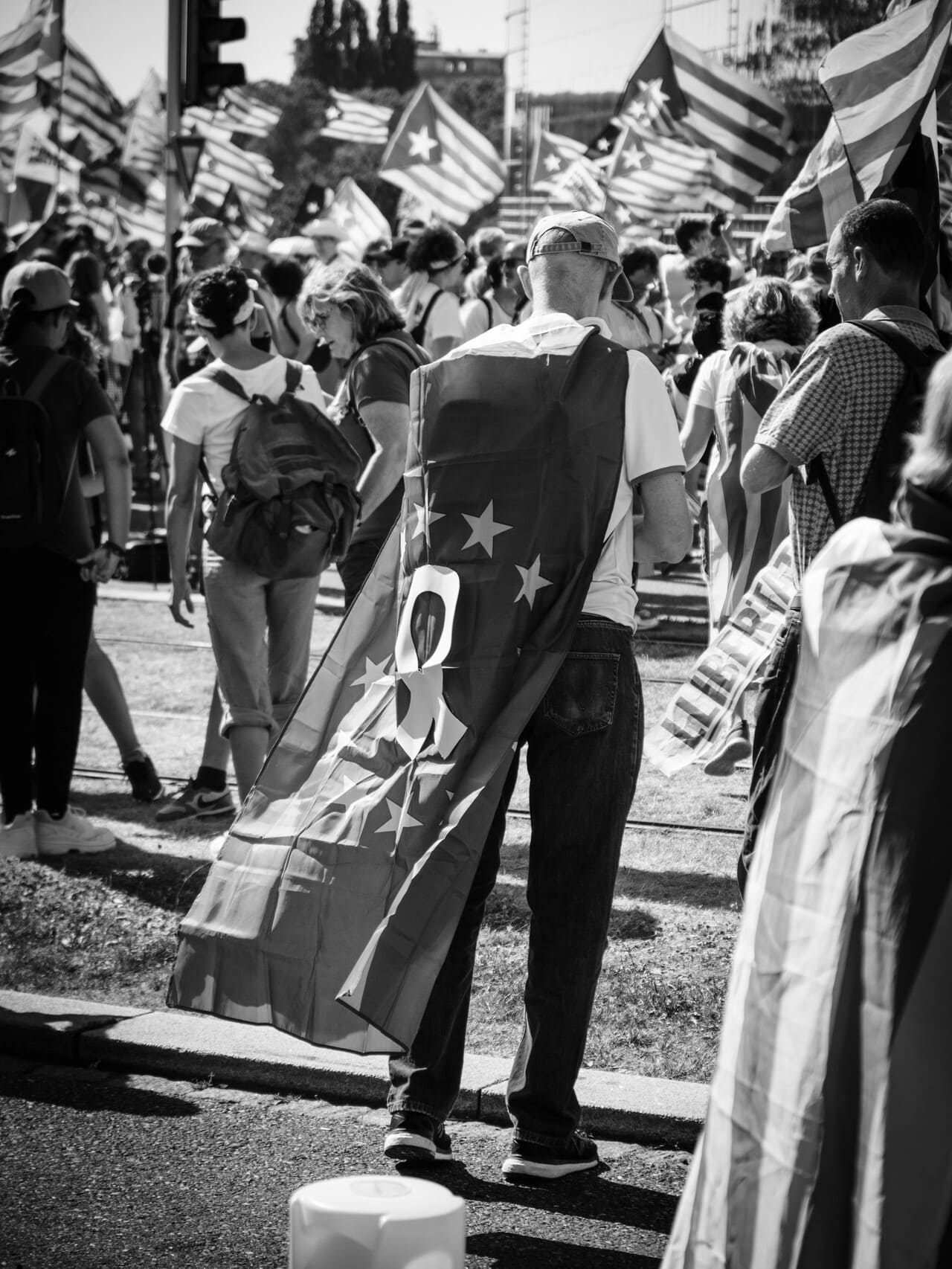
You remember when music stopped being background noise and started driving identity, protest, and generational tension. Billboard archives show how artists like The Beatles and Bob Dylan did more than top charts, they altered how youth culture spoke back to authority. You watched vinyl sales explode while radio became a battleground for taste and values. When Woodstock unfolded in 1969, historians at the Smithsonian note it symbolized a shift where music carried political meaning at mass scale. If you recall waiting for a song to premiere on the radio or lining up for albums, you lived through the moment when music stopped asking permission.
2. If Television Once Felt Like a National Campfire
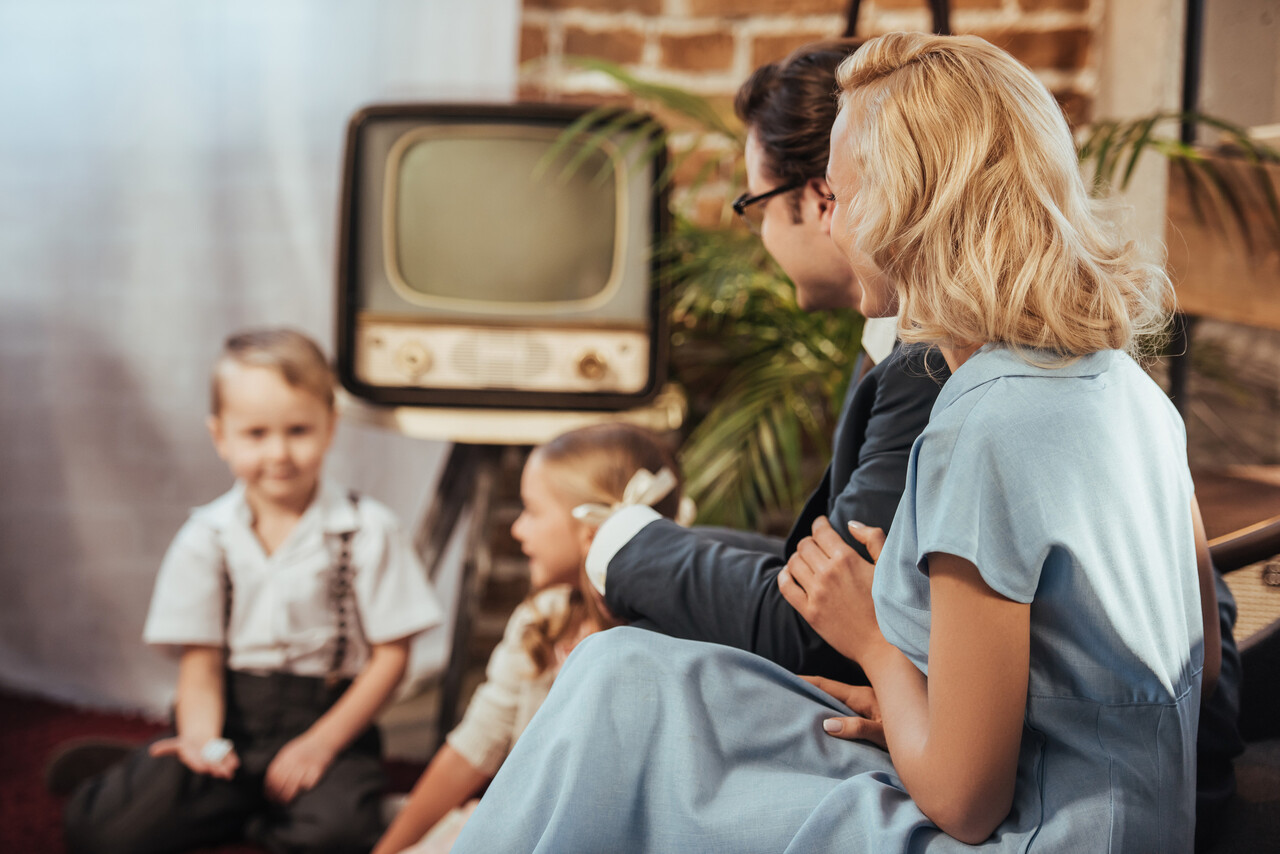
You lived in a time when television pulled the country into the same room at the same hour. Nielsen ratings from the 1960s and 1970s show that a handful of programs regularly captured over half of American households at once. You remember watching the moon landing live, not as history but as suspense. Shows like All in the Family forced conversations you could not avoid because everyone saw the same episode the night before. Unlike today’s fragmented feeds, television once created shared memory by default. If you planned evenings around broadcast schedules, this era shaped how you relate to media.
3. If Movies Once Changed How You Saw Authority
You watched Hollywood shift from polished heroes to flawed, questioning characters who mirrored public distrust. Film historians writing for the American Film Institute point to the late 1960s and 1970s as a turning point where movies challenged institutions rather than celebrating them. You saw films like Easy Rider and One Flew Over the Cuckoo’s Nest redefine what success and rebellion looked like on screen. Movie theaters became spaces for cultural debate, not just entertainment. If you remember leaving a theater unsettled instead of satisfied, you experienced cinema becoming a mirror instead of an escape.
4. If Advertising Once Told You Who You Were
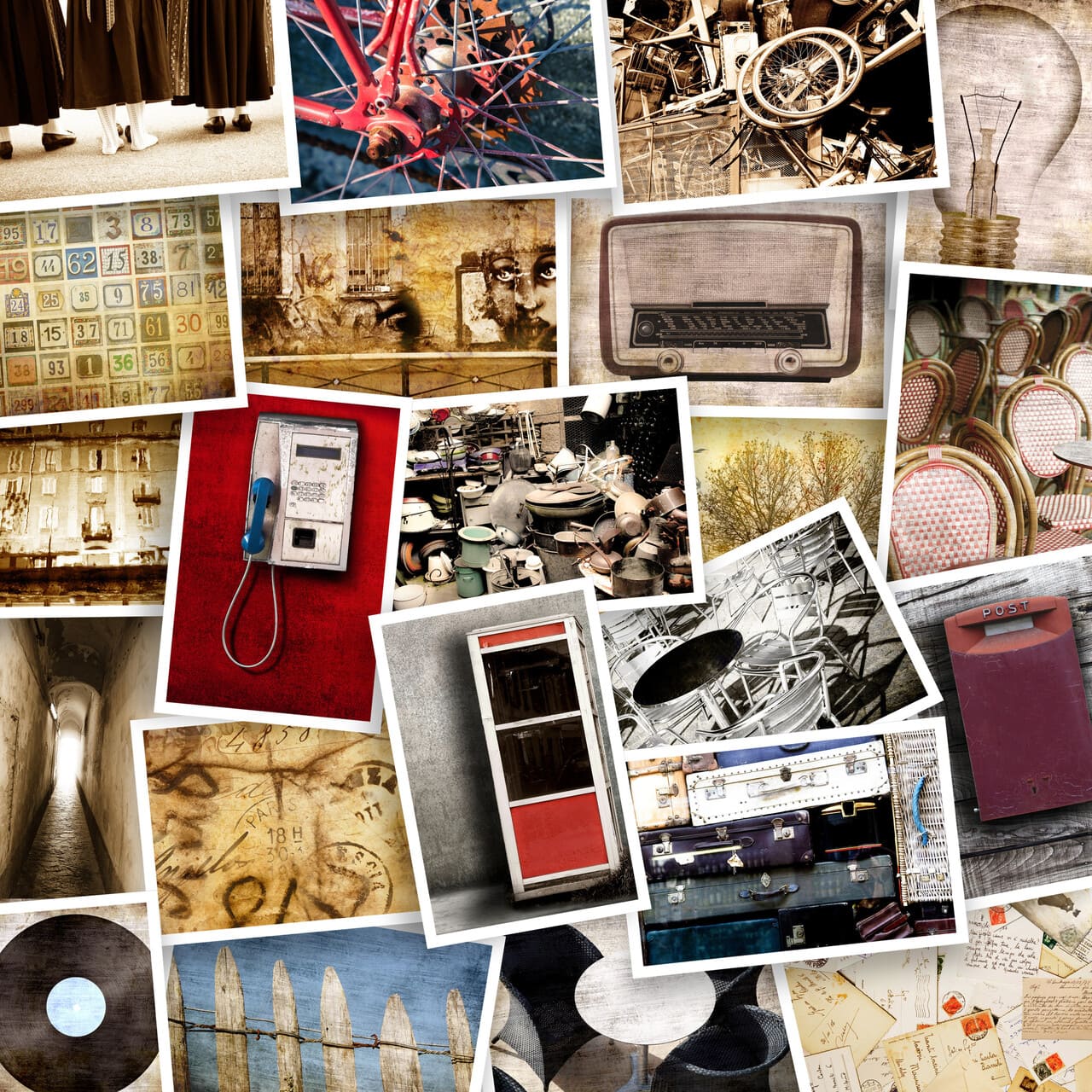
You remember when advertising did not whisper, it declared. Scholars at the Smithsonian’s National Museum of American History note that postwar advertising shaped identity by selling lifestyles, not just products. You saw gender roles, success, and happiness packaged into magazine spreads and prime time commercials. Catchphrases stuck because everyone heard them at once. Cigarettes, cars, and kitchen appliances promised belonging as much as utility. If you can still picture jingles or slogans without trying, you lived in a moment when ads trained you how to see yourself long before algorithms took over that job.
5. If You Learned World Events Through a Morning Paper

You relied on newspapers as a daily ritual, not a scrolling habit. According to the American Journalism Project, newspaper circulation peaked in the mid 20th century, making print the primary lens through which you understood the world. You unfolded headlines at breakfast and trusted editors to decide what mattered most. When major events broke, you waited for the next edition instead of instant updates. That delay shaped patience and perspective. If you associate news with ink on your fingers and headlines that lasted all day, your media instincts formed in a slower era. You learned to sit with information instead of reacting to it immediately.
6. If Technology Felt Mechanical Before It Felt Personal
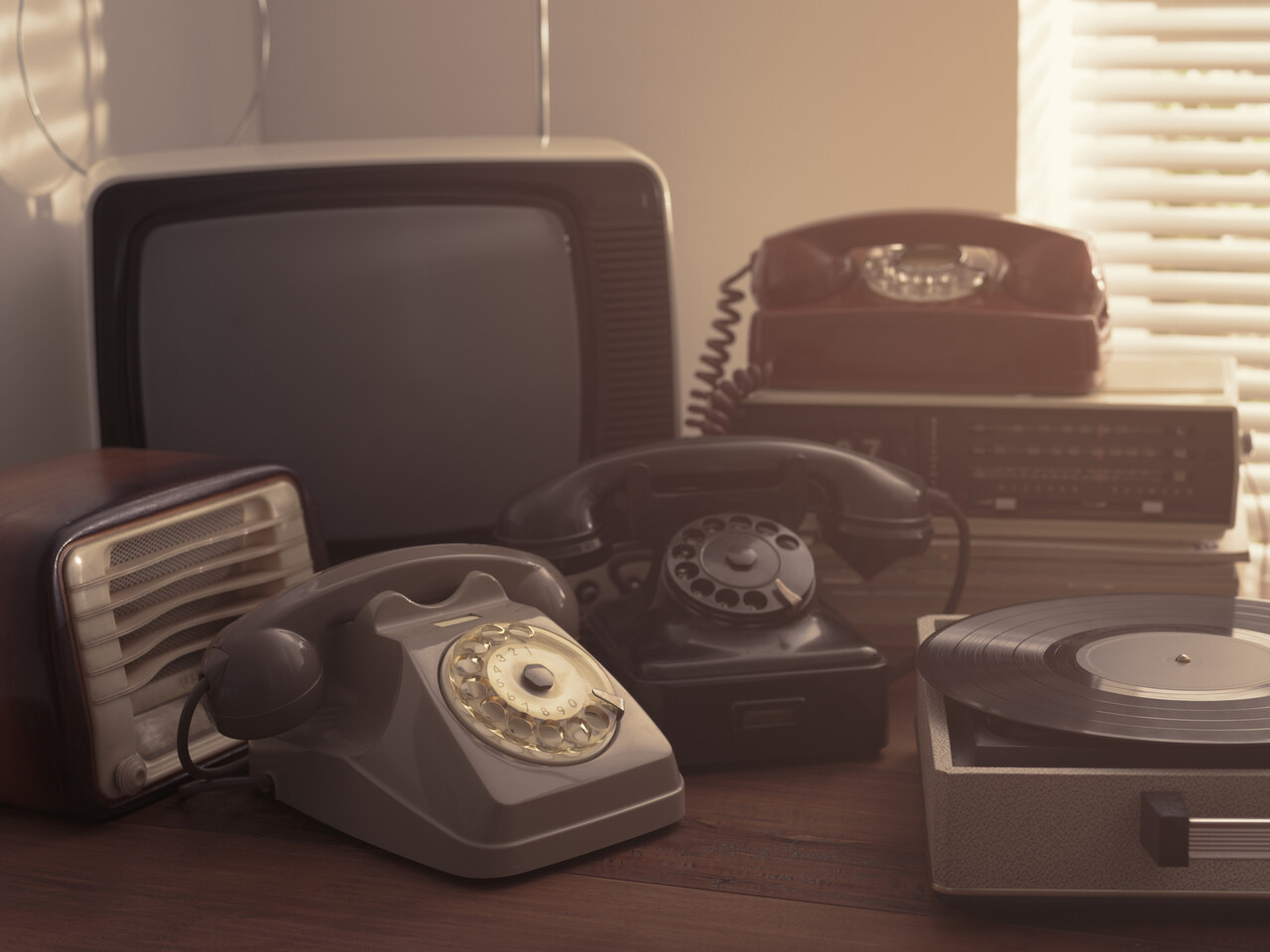
You grew up when technology looked heavy, loud, and physical. Historians at the Computer History Museum document how early consumer tech emphasized machinery over intimacy. Televisions had knobs, phones stayed in one place, and computers belonged to institutions, not homes. You adapted as devices shrank and interfaces softened. That shift taught you flexibility rather than dependence. If you remember learning technology by reading manuals instead of tapping screens, you witnessed the transition from tools you used occasionally to systems that now surround daily life. You learned how to adjust to change without expecting technology to think for you.
7. If Youth Culture Once Scared the Adults
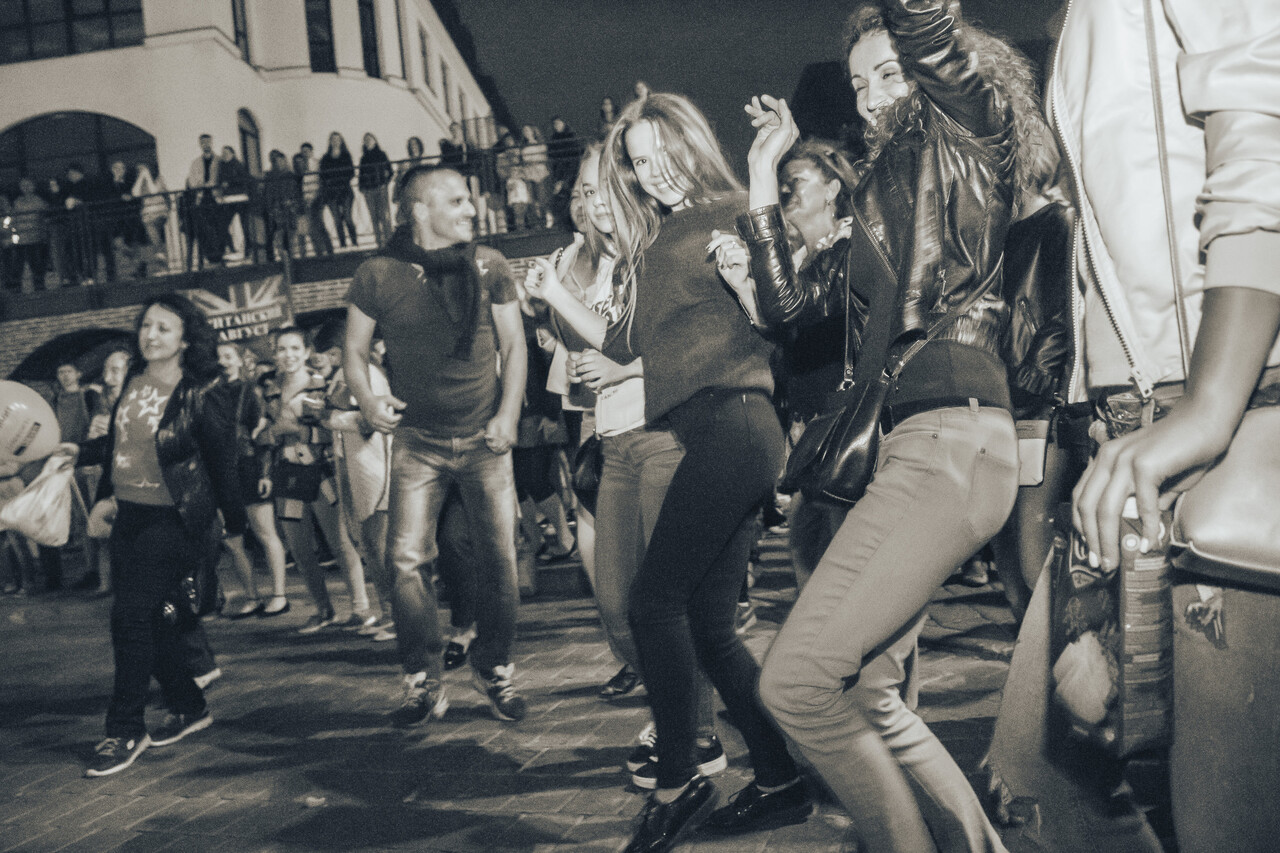
You lived through the first era where youth culture openly unsettled older generations. Sociologists writing for the Journal of Popular Culture describe how boomer teens challenged authority through fashion, language, and music in ways that felt disruptive rather than cute. Long hair, casual dress, and slang became signals of resistance. Adults worried because these changes did not ask for approval. If you remember being told that your habits meant the country was changing too fast, you were part of the first generation to make youth itself feel like a cultural force. That tension reshaped how every generation since has defined rebellion.