
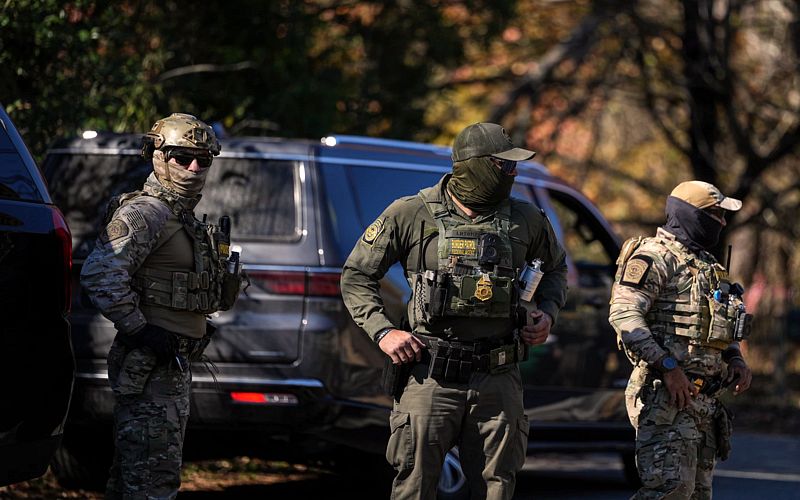
Charlotte is on edge after sweeping immigration raids led to more than 100 arrests, triggering alarms, protests, and a fierce political backlash. The campaign, branded Operation Charlotte’s Web, has brought US Border Patrol agents into neighborhoods, churches, and local shopping areas in unprecedented numbers. Their presence has sparked debate over legality, federal overreach, and the shifting boundaries of immigration enforcement. As Gov Josh Stein warns, the actions are simply “stoking fear”, residents are left questioning what authority border agents truly have inside their city.
Operation Charlotte’s Sweep
North Carolina’s largest city is grappling with a wave of immigration raids that have captured national attention. Agents linked to US Customs and Border Protection, CBP, have been seen across the city, including near churches and apartment complexes. The effort, titled Operation Charlotte’s Web, is being steered by Greg Bovino, a border patrol chief who previously led similar actions in Chicago and Los Angeles. Over the weekend, Bovino highlighted the operation in a social media post, stating, “From border towns to the Queen City, our agents go where the mission calls.” The statewide response has been tense, with Gov Josh Stein condemning the raids as fear-driven.
Growing Federal Presence
CBP, which includes border patrol, is the nation’s largest law enforcement agency with roughly 60,000 agents. Although long granted authority to conduct operations inland, it was historically uncommon to see them venture far from the southern border. That changed during Donald Trump’s second term, when agents became central to the administration’s mass deportation strategy. A 1946 statute allows warrantless searches within 100 miles of international borders and coastlines, placing most major US cities, including Los Angeles, New York, Washington, DC, and even Chicago, within border patrol’s operational zone.
Legal Reach Explained
Experts confirm that border patrol can legally operate in cities that fall within 100 miles of a US border or coastline. Deborah Anthony, a constitutional law scholar at the University of Illinois Springfield, explains that within that zone, agents hold expanded authority not available to other law enforcement bodies, such as conducting checkpoints without reasonable suspicion. Outside that perimeter, however, their powers are no different from local police. Without reasonable suspicion or probable cause, they cannot stop, detain, or question individuals. Anthony warns, “I think that their presence in Charlotte is something that the community should pay close attention to because whether they’re operating legally depends on the specifics of how things are playing out.”
Greg Bovino’s Emergence
Once a regional agent from Southern California, Greg Bovino has rapidly become a leading figure in the administration’s deportation push. The 55-year-old veteran, who previously ran the El Centro sector, is known for stylized enforcement videos that resemble action movies. His operations in Chicago and Los Angeles sparked lawsuits accusing agents of excessive force and heavy use of chemical agents. Last month, a federal judge ordered Bovino to make regular court appearances to provide operational updates and mandated that he wear a body camera and undergo relevant training. In August, the New York Times reported that two undocumented individuals died while attempting to flee from their agents, including a Mexican farm worker and a Guatemalan day laborer.
DHS Justifies Nationwide Actions
Responding to questions about the Charlotte operations, DHS assistant secretary Tricia McLaughlin said, “While the US Border Patrol primarily operates within 100 air miles of the border, the legal framework provided by the Immigration and Nationality Act, title 8, title 19 of the US Code, and other laws allows them to operate anywhere in the United States.” She added that nationwide authority ensures agents can combat smuggling, enforce immigration laws, and address national security threats beyond traditional border regions. Critics argue that border agents trained for high-risk interdictions may be ill-suited for civil immigration enforcement within densely populated urban areas.
Concerns Over Enforcement Culture
Lawyers and immigrant rights groups warn that Border Patrol’s aggressive enforcement culture makes them incompatible with community-based policing. César Cuauhtémoc García Hernández, a law professor at Ohio State University, previously stated, “The Border Patrol is certainly quite cavalier, and has been very aggressive historically as it goes about its enforcement responsibilities.” Activists fear that deploying agents accustomed to high-intensity border interdictions could escalate tensions and lead to civil rights violations in cities.
Community Response and Risks
Charlotte’s residents have mobilized in protest amid reports of agents near schools, churches, and residential complexes. Legal advocates caution that while some operations may be lawful, any actions taken without reasonable suspicion could violate constitutional protections. With hundreds detained and many afraid to leave their homes, the community remains on alert as officials scrutinize the continuing presence of federal agents.