

When you celebrate Christmas in the United States for the first time, you may expect familiar ideas like family meals, decorations, and gift giving. What surprises you is how specific and structured many traditions feel once you are inside an American home. These habits often seem casual to the people who grew up with them, but to you they can feel oddly intense, emotional, or even confusing. Historians at the Smithsonian note that many modern American Christmas customs only became widespread in the last century, shaped by media, religion, and consumer culture. When you experience them up close, you realize Christmas here is less about quiet reflection and more about shared rituals everyone assumes you already understand. You quickly learn that asking questions is part of surviving the holiday.
1. Stockings As Serious Business

When you see Christmas stockings hanging from a fireplace, you may assume they are symbolic or meant for small treats. Once you join an American family, you learn that stockings matter almost as much as wrapped gifts. You are expected to fill them thoughtfully, often with candy, toiletries, jokes, and practical items. According to History.com, the stocking tradition grew from European folklore but evolved in the U.S. into a mini gift exchange with unspoken rules. If you forget a stocking or underfill it, people notice. You may also be surprised to see adults reacting emotionally to stocking contents. What feels playful on the surface actually carries expectations about effort, fairness, and care.
2. Opening Gifts In Front Of Everyone

In many cultures, gift giving is quiet or private. In American homes, you often open gifts one by one while everyone watches. You sit there smiling, reacting, and saying thank you repeatedly. This ritual turns gift opening into a group performance. Sociologists cited by the Pew Research Center explain that this practice reinforces family bonds and shared memory. For you, it can feel awkward or exhausting, especially if you worry your reaction is not enthusiastic enough. You quickly learn that the ritual matters more than the gift itself. Your attention, gratitude, and visible emotion are part of what people are really exchanging.
3. Christmas Morning Starting At Dawn

If you expect a slow holiday morning, you may be shocked by how early Christmas starts in American households with children. Families often wake up at dawn to open gifts, even after late night celebrations. This pattern grew alongside 20th century ideas about childhood magic and family togetherness, according to the American Psychological Association. You may struggle to understand why sleep is sacrificed so willingly. To them, the morning is sacred and fleeting. Once you join in, you realize the exhaustion is accepted as part of proving the day matters. Rest comes later, after the memories are made.
4. Matching Pajamas That Are Not Optional

When you see matching Christmas pajamas in American movies, you may assume they are staged for effect. Once you join an American family, you learn they are very real and sometimes mandatory. Families buy coordinated sets for adults, kids, and even pets, then wear them on Christmas Eve or morning. According to Smithsonian cultural historians, this trend grew alongside postwar advertising that framed sameness as family unity. If you hesitate, you may feel gentle pressure to participate for photos or tradition’s sake. What looks playful is actually about signaling belonging. Wearing the pajamas becomes proof that you are part of the group, not just a guest.
5. Decorating The Tree As A Scheduled Event
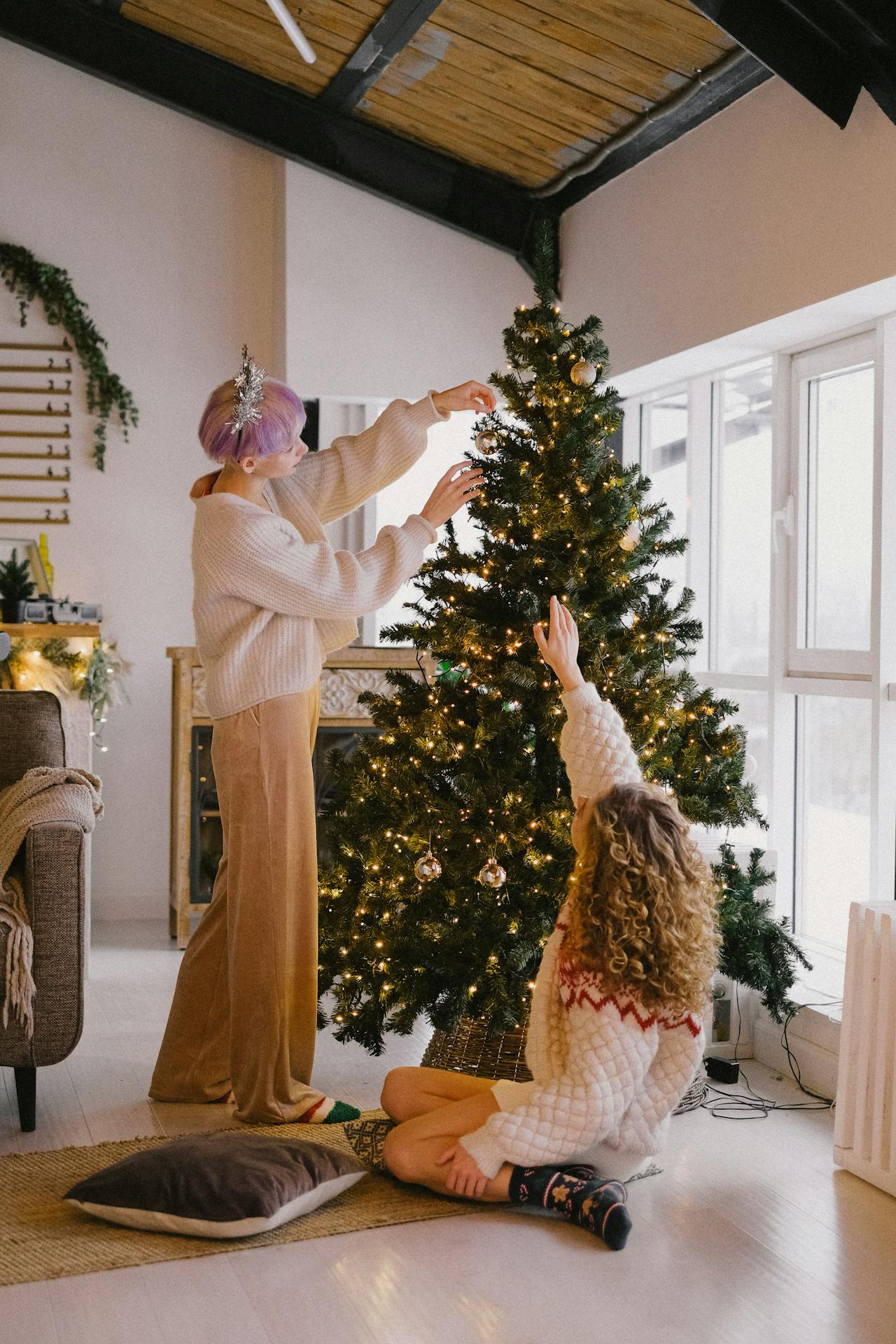
You might expect decorations to appear gradually, but many American families treat tree decorating as a planned event. There is often a set day, music playing, specific ornaments used every year, and strong opinions about placement. The National Christmas Tree Association traces this habit to German American traditions that emphasized ritual and order. If you suggest decorating casually, you may disrupt something meaningful. Each ornament often carries a story tied to childhood, travel, or loss. You learn that touching the tree without permission can feel personal. The tree is not just decoration. It is a visual family history.
6. Leftovers That Last For Days
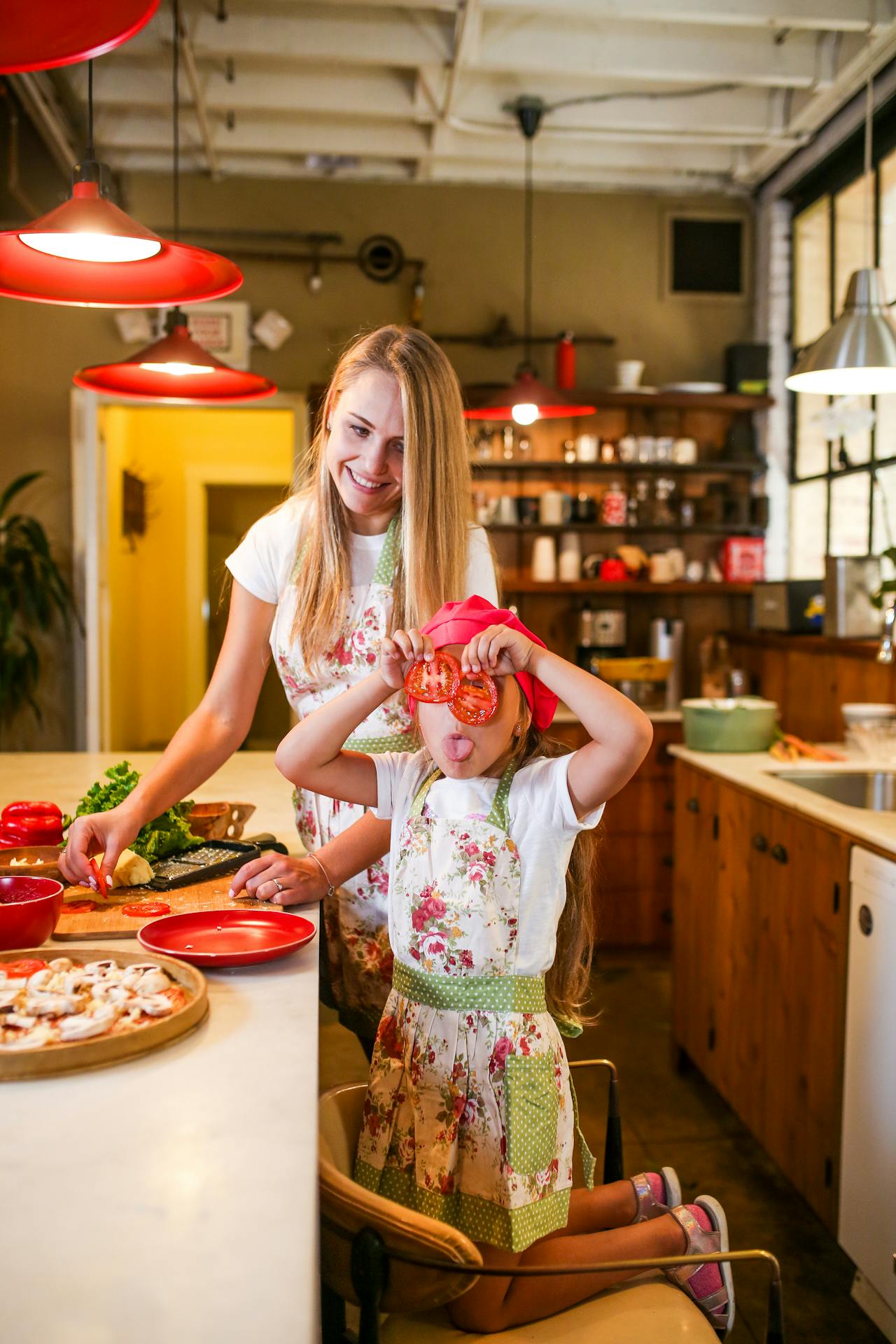
After the Christmas meal ends, you may think the food is finished. In American homes, leftovers become part of the holiday itself. You are encouraged to eat the same dishes for days, sometimes proudly. Food historians writing for History.com explain that abundance has long symbolized success and generosity in American celebrations. If you decline leftovers too quickly, it can feel like rejecting hospitality. You learn that reheating food together is a way of extending the holiday mood. The repetition is comforting to them. What feels excessive to you feels reassuring to them. You may also notice people swapping leftover recipes or planning meals around them, turning yesterday’s dinner into a shared plan rather than an afterthought.
7. Talking About Santa Longer Than You Expect

If you assume children will outgrow belief in Santa quickly, American families may surprise you. Parents often maintain the story longer than you expect, carefully managing language and behavior. The American Psychological Association notes that this shared myth supports imagination and family bonding. As an outsider, you may worry about saying the wrong thing. You learn to pause before speaking, especially around younger kids. The effort everyone makes to protect the illusion shows how seriously the tradition is taken. Santa is not just a character. He is a coordinated agreement the family commits to together.