
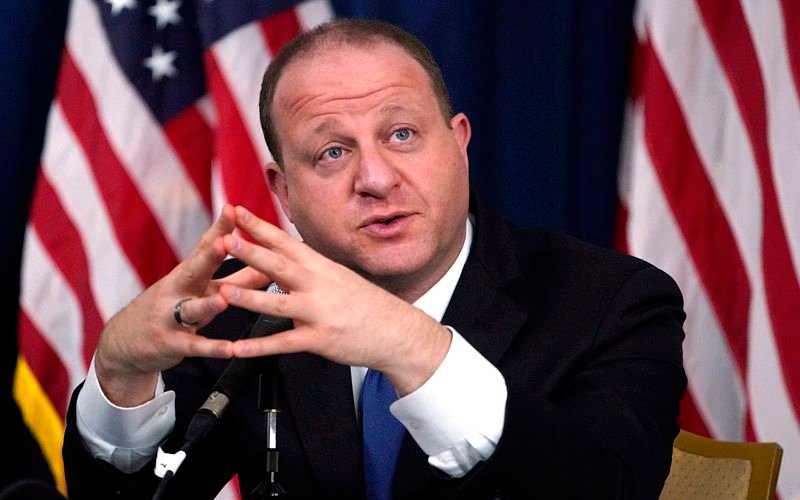

The Colorado Legislature has convened a rare special session after federal Republican tax cuts tore a massive hole in the state’s balanced budget. Governor Jared Polis called lawmakers back to the Capitol, where Democrats, holding majorities in both chambers, quickly introduced bills aimed at closing corporate tax loopholes and protecting critical services. Tensions ran high as legislative leaders accused former President Trump and Washington Republicans of prioritizing corporations at the expense of Colorado families.
Read: Hospitals Flooded as Deadly Heat Wave Smashes Records Across Western United States
Federal Budget Fallout
Colorado’s financial crisis erupted after Republicans in Congress passed a sweeping tax and spending bill, resulting in the state losing nearly $1.2 billion in projected tax revenues. Much of the decline comes from corporate income taxes, leaving lawmakers scrambling to meet Colorado’s legal requirement for a balanced budget. “We’re back because Trump and Washington Republicans’ big ugly budget… gave corporations massive tax cuts that blew a billion-dollar hole in our budget,” said House Speaker Julie McCluskie.
Also read: U.S. Population Drops by Over a Million Under Trump Immigration Crackdown
Democratic Leaders Respond
Democratic leaders pledged a “balanced approach” combining cuts, reserve funds, and new revenue measures. Senate President James Coleman stated, “The GOP’s federal budget handed out a billion dollars of corporate tax breaks while making life more expensive for everyone else.” Democrats say their plan will prioritize health care, education, and infrastructure over corporate interests.
Also read: Fact Check: Viral Claim of 100 Million Noncitizens in U.S. Is Wildly False, Census Data Shows
Closing Tax Loopholes
Several bills introduced target long-standing corporate tax breaks. HB25B-1003 repeals special insurance industry credits that failed to create jobs. HB25B-1002 strengthens rules against offshore tax havens, while HB25B-1004 allows companies to prepay future taxes at a discount to help offset immediate revenue shortfalls. Another proposal, HB25B-1001, permanently limits deductions for high-earning business owners.
Also read: Alaska Medical Board Pushes to Restrict Abortion and Transgender Youth Care
Protecting Essential Services
Lawmakers emphasized the need to shield vulnerable communities. SB25B-002 restores Medicaid reimbursements for Planned Parenthood after federal funding was stripped. Another measure, SB25B-003, allows surplus revenue from universal school meals to be redirected toward SNAP benefits, aiming to prevent food insecurity caused by federal cutbacks.
Also read: Experts Explain Immigrant Rights Amid Trump’s ICE Crackdown
Responsible Budget Management
SB25B-001 changes how the governor and Joint Budget Committee manage emergency spending cuts, requiring greater legislative involvement and stricter oversight. Democrats said this measure ensures fiscal responsibility without jeopardizing vital state programs. “While [Republicans] put corporations and the wealthiest Americans first, we’re choosing the hardworking people of Colorado,” said Senate Majority Leader Robert Rodriguez.
Also read: Judge Blocks Trump’s Plan to Strip Billions From Sanctuary Cities in Immigration Crackdown
House and Senate Progress
By Thursday evening, the Senate advanced four major bills, including Medicaid protections and school meal adjustments. Meanwhile, House committees approved tax policy changes designed to raise revenue by eliminating corporate deductions. Votes are expected to continue through the weekend, with both chambers aiming to balance the budget before further financial strain worsens.
Also read: Trump Fires Top US General After Report Challenges His Iran Air Strike Claims
AI and Additional Bills
Beyond budget measures, Governor Polis expanded the session agenda to include artificial intelligence and health insurance reforms. Competing AI bills gained momentum, both requiring transparency when consumers interact with AI systems. Lawmakers also advanced HB25B-1006, which loans $100 million from the Unclaimed Property Trust Fund to offset rising health insurance premiums.