
A stunning turn in global markets unfolded after President Donald Trump’s latest warning to slap 100% tariffs on Chinese imports triggered an unprecedented $18 billion crypto liquidation. Within hours, digital assets plunged, shaking investor confidence and erasing weeks of gains fueled by Trump’s earlier pro-crypto stance. The panic rippled through major cryptocurrencies, leaving traders exposed and markets rattled as Wall Street also suffered its steepest drop in months.
Read: Chicago Journalist Arrested and Pinned by Masked Federal Agents During ICE Raid
Historic Crypto Crash
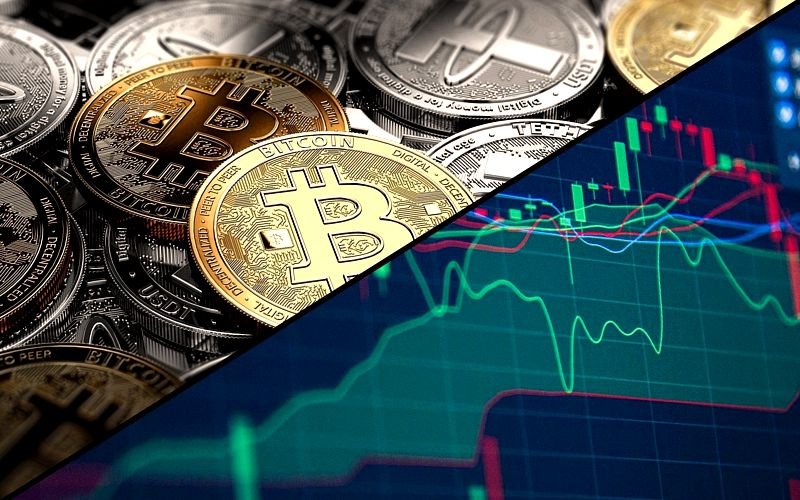
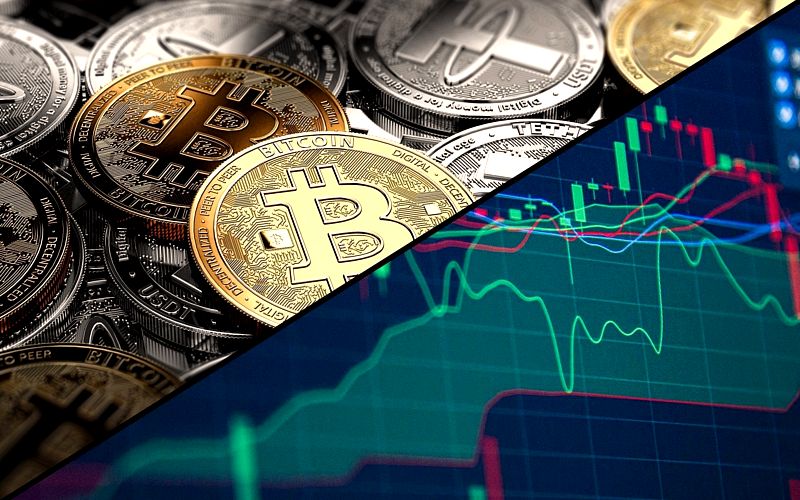
President Donald Trump’s threat to double tariffs on Chinese goods late Friday sent shockwaves through digital currency markets, triggering what analysts are calling the largest crypto liquidation in history. According to CoinGlass, a data analytics platform, Bitcoin, Ether, and Solana were hit hardest, with total losses soaring to $18.28 billion by mid-afternoon. The crash coincided with a broader sell-off on Wall Street, where the Nasdaq and S&P 500 both recorded their steepest declines in six months.
Also read: Trump Escalates U.S.-China Trade War With Shocking 100% Tariff Threat
Billions Wiped Out Overnight
Within just 24 hours, over $5 billion worth of Bitcoin positions were liquidated, alongside $4 billion in Ether and nearly $2 billion in Solana. CoinGlass confirmed the magnitude of the crash, stating on X that it was the “largest liquidation event in crypto history.” The rapid unraveling of leveraged bets revealed just how fragile the crypto market remains in times of global economic uncertainty.
Also read: National Guard Deployed to Chicago as Trump’s Federal Troop Orders Face Court Battles
Bitcoin’s Rollercoaster Plunge
Bitcoin tumbled nearly 10% in just five days, slipping to $103,000 on Friday evening before rebounding slightly to $111,616 by late afternoon. The wild swings underscored investor anxiety as markets digested Trump’s tariff threats and the potential fallout from renewed U.S.-China trade tensions. Many traders who had heavily leveraged positions were forced to sell at a loss, intensifying the downward spiral.
Also read: Trump Gets Covid Booster and Flu Shot During Surprise Walter Reed Visit
Ether and Solana Follow Suit
Ether, the second-largest cryptocurrency, wasn’t spared from the turmoil. Its price fell from $4,365 to $3,742, marking a sharp 14% decline. Solana, known for its rapid growth this year, saw an even steeper 20% plunge, dropping from $223 to $178. The synchronized sell-off across major tokens exposed the interconnected nature of crypto markets—and how quickly optimism can evaporate under policy uncertainty.
Also read: Laura Loomer Accuses Pentagon of “Giving Qatar a Base” in Explosive Rant
Trump’s Crypto Turnaround
Ironically, the crash came just months after Trump became one of crypto’s most vocal champions. Once dismissing bitcoin as “based on thin air,” he has since embraced digital assets, addressing crypto conventions and even launching his own meme coin. His administration’s new executive order permitting cryptocurrencies in 401(k) retirement plans had fueled a record-breaking rally, sending bitcoin past $124,000 last week.
Also read: MIT Defies Trump Administration’s Funding Demands Amid Academic Freedom Clash
Trade Tensions Reignite Global Anxiety
The timing of Trump’s threat couldn’t have been worse for investors. Despite ongoing trade negotiations, China retaliated on Thursday by tightening export restrictions on rare earth minerals—key components for U.S. tech and defense industries. The move reignited fears of a renewed trade war, driving investors toward safer assets and triggering panic across risk-sensitive markets like crypto.
Also read: FIFA Moves to Block Overseas League Matches Amid Legal Review
Market Faces Uncertain Future
As markets reel from the dual shock of trade tensions and crypto liquidation, analysts warn of continued volatility ahead. Trump’s tariff rhetoric has once again proven capable of moving global markets in minutes, and with geopolitical tensions mounting, the recovery path for digital currencies remains uncertain. For now, traders are watching closely to see if Washington and Beijing can de-escalate before further financial damage is done.