
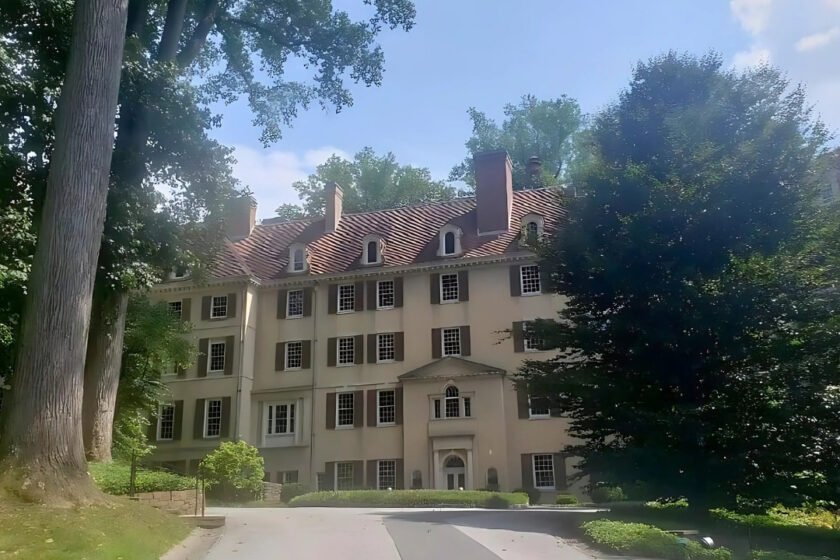

Winterthur Museum in Delaware began as a simple 12-room farmhouse. But under the vision of Henry Francis du Pont, it transformed into a sprawling 175-room mansion, built not for lavish living, but to showcase the richness of American decorative arts. Rather than imitate European grandeur, du Pont honored the craftsmanship of American artisans from 1640 to 1860, curating over 90,000 objects to tell the story of the nation through furniture, textiles, and design.

Preserving American Craftsmanship
In an era when most wealthy collectors prized European art, du Pont went against the grain. He collected American-made pieces with a devotion that bordered on obsession, preserving everything from Shaker chairs to intricate needlework. Many rooms inside Winterthur are immersive recreations of American interiors from different centuries and regions—each one a time capsule.

His goal wasn’t to glorify wealth, but to preserve authenticity. When he opened the museum in 1951, he invited Americans to see the beauty in their history.
More Than a Museum
Winterthur isn’t just a static collection of artifacts—it’s a living institution. It’s home to one of the most significant research libraries in the field of American decorative arts, as well as a prestigious graduate program run in partnership with the University of Delaware.

The 1,000-acre estate surrounding the mansion includes gardens that change with the seasons, creating a dynamic experience for visitors throughout the year. And in recent decades, it has attracted attention beyond academic circles, including hosting the wildly popular Downton Abbey costume exhibit.

A Legacy of Humble Grandeur
Despite its scale and significance, Winterthur reflects a humble approach to legacy. Henry Francis du Pont didn’t aim to build a palace—he expanded a family home with purpose. Today, the museum remains a quiet powerhouse of preservation, scholarship, and seasonal beauty.

Whether you’re a student of history or just curious to see how one man turned a farmhouse into America’s decorative arts capital, Winterthur offers a rare look at how culture, history, and nature can live under one roof.

A Place Where American History Lives On
Winterthur isn’t frozen in time—it’s alive with purpose. From educational programs to seasonal exhibits, it continues to shape how we understand American identity. Every room, object, and garden path tells a story of creativity, resilience, and national pride.

In preserving the past, Winterthur inspires future generations to value what’s truly homegrown.