
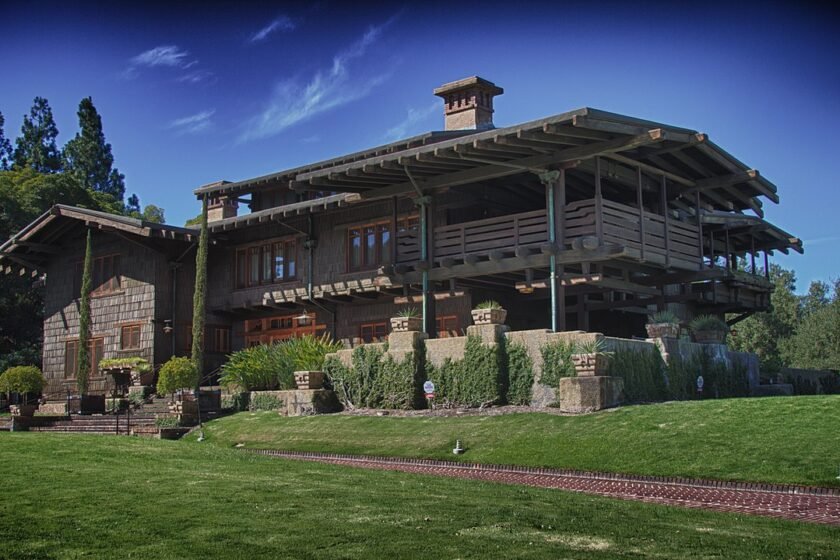
Craftsman-style homes, which emerged in the early 20th century as part of the Arts and Crafts movement, were not particularly influenced by traditional Japanese and Chinese architecture. Craftsman aesthetic is often associated with American simplicity and handcrafted details, but in some particular designs it borrowed heavily from Asian design principles, emphasizing harmony with nature, intricate woodwork, and functional beauty. From exposed beams to open floor plans, the legacy of Japanese and Chinese architectural elements can still be seen in some century-old Craftsman homes today.
The Influence of Japanese Architecture on Some Craftsman Homes

Simplicity and Natural Materials
One of the most defining features of Japanese architecture is its minimalism and use of natural materials—a philosophy that heavily shaped the Craftsman movement. Craftsman homes prioritized simplicity over ornamentation, using wood, stone, and earth tones to create a seamless connection with the surrounding environment.
In Japanese tradition, homes were built with exposed wooden beams, natural finishes, and sliding doors, allowing for an organic feel that brought the outdoors inside. Craftsman homes echoed this approach, featuring open wooden rafters, unpainted woodwork, and built-in furniture that mirrored the elegance and simplicity of Japanese craftsmanship.
Wide Eaves and Overhanging Roofs
The deep, overhanging eaves of Craftsman homes were directly inspired by Japanese temple and pagoda-style roofs, designed to offer both shade and protection from the elements. In traditional Japanese tea houses and Buddhist temples, these extended eaves were used to blend interior and exterior spaces, allowing homeowners to feel connected to nature even while indoors.
Craftsman architects, particularly those influenced by Japanese woodblock prints and traditional carpentry, embraced this concept, incorporating low-pitched, overhanging roofs with exposed rafter tails, a signature element of the style.
Interior Flow and Open Spaces
The Japanese concept of “Ma” (間), which refers to the thoughtful use of empty space and balance, played a role in shaping the open floor plans of Craftsman homes. Unlike the rigid, compartmentalized rooms of Victorian-era homes, Craftsman houses introduced wide doorways, built-in seating, and flowing living areas that reflected a sense of calm and intentionality.
Japanese shoji screens—lightweight wooden lattice panels covered in translucent paper—were designed to divide spaces without fully closing them off, influencing the use of large windows and open interiors in Craftsman homes. While American builders did not replicate shoji screens directly, they did incorporate built-in cabinetry, pocket doors, and airy layouts, allowing light and movement to flow freely between rooms.
Zen-Inspired Gardens and Outdoor Integration
Japanese rock gardens, koi ponds, and simple landscaping techniques were admired by early 20th-century architects, leading to the incorporation of gardens, stone pathways, and wooden pergolas in Craftsman home designs. The idea of integrating outdoor elements with indoor living spaces—a core principle in Japanese homes—was embraced in Craftsman-style porches, terraces, and backyard pergolas.
The Japanese concept of “borrowed scenery” (shakkei), which involves framing natural landscapes as part of the home’s view, was another key influence. Craftsman homes often featured large windows, screened porches, and built-in seating areas that encouraged homeowners to appreciate and interact with nature.
How Chinese Architecture Influenced Some Craftsman Homes

Decorative Woodwork and Bracketed Roofs
Chinese architecture is known for its ornate wooden details, bracketed eaves, and sturdy yet elegant timber construction—elements that influenced the handcrafted woodwork and overhanging gables of Craftsman homes.
The dougong (斗拱) system, an ancient Chinese carpentry technique that uses interlocking wooden brackets to support roofs, inspired the decorative brackets and exposed beams commonly found on Craftsman-style homes. These details were not just aesthetic; they also provided structural reinforcement, ensuring durability and longevity.
Courtyard Concepts and Indoor-Outdoor Flow
In traditional Chinese courtyard homes (Siheyuan, 四合院), rooms were arranged around a central outdoor space, promoting natural light, ventilation, and privacy. This design philosophy found its way into Craftsman bungalows, where central gardens, patios, and atriums became focal points, creating a seamless transition between indoor and outdoor living spaces.
Additionally, the use of carved wooden lattice screens and decorative columns in Chinese homes influenced the intricate woodwork and exposed framing in Craftsman-style architecture.
Symbolic Motifs and Artisanal Details
Chinese design has long emphasized symbolism in architecture, using carved motifs, dragon details, and floral patterns to represent prosperity, longevity, and balance. While Craftsman homes didn’t replicate these designs directly, they did adopt intricate carvings, handcrafted details, and nature-inspired motifs, particularly in mantels, railings, and front door embellishments.
Handcrafted ceramic tiles, stained glass, and decorative brickwork—elements commonly found in traditional Chinese homes—were also incorporated into Craftsman fireplaces, backsplashes, and entryways, further connecting the two styles.
Final Thoughts
The enduring beauty of Craftsman-style century homes is largely due to the influences of Japanese and Chinese architecture, which emphasized balance, functionality, and connection to nature. Whether through overhanging roofs, exposed wooden beams, or serene outdoor spaces, the influence of Asian design philosophies helped shape one of America’s most beloved architectural styles.