
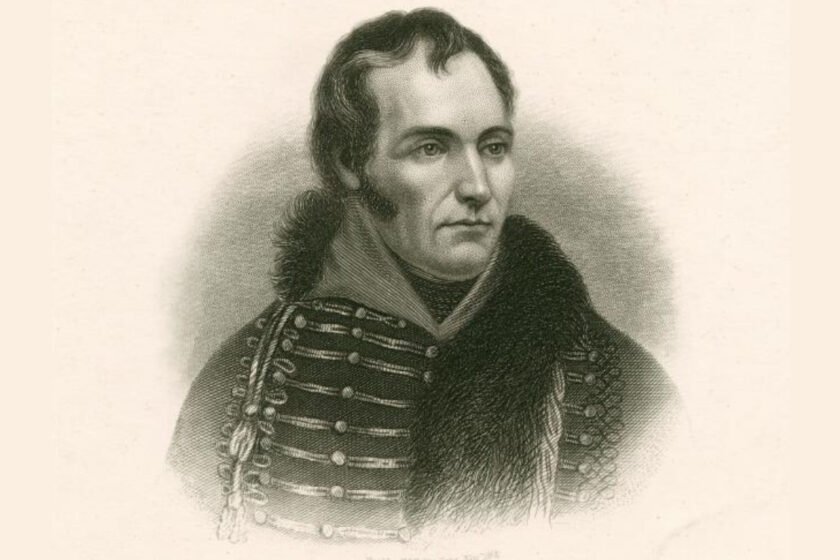
The Revolutionary War produced many figures remembered for their courage, but not all heroes remained celebrated after the fighting ended. Some once-admired individuals faced scandals, betrayals, or political missteps that destroyed their reputations. These stories remind us that victory does not guarantee honor, and public opinion can shift rapidly. Drawing from records preserved by institutions such as the National Archives, the Library of Congress, and state historical societies, here are nine Revolutionary War figures whose reputations plummeted in the years following independence.
1. Benedict Arnold
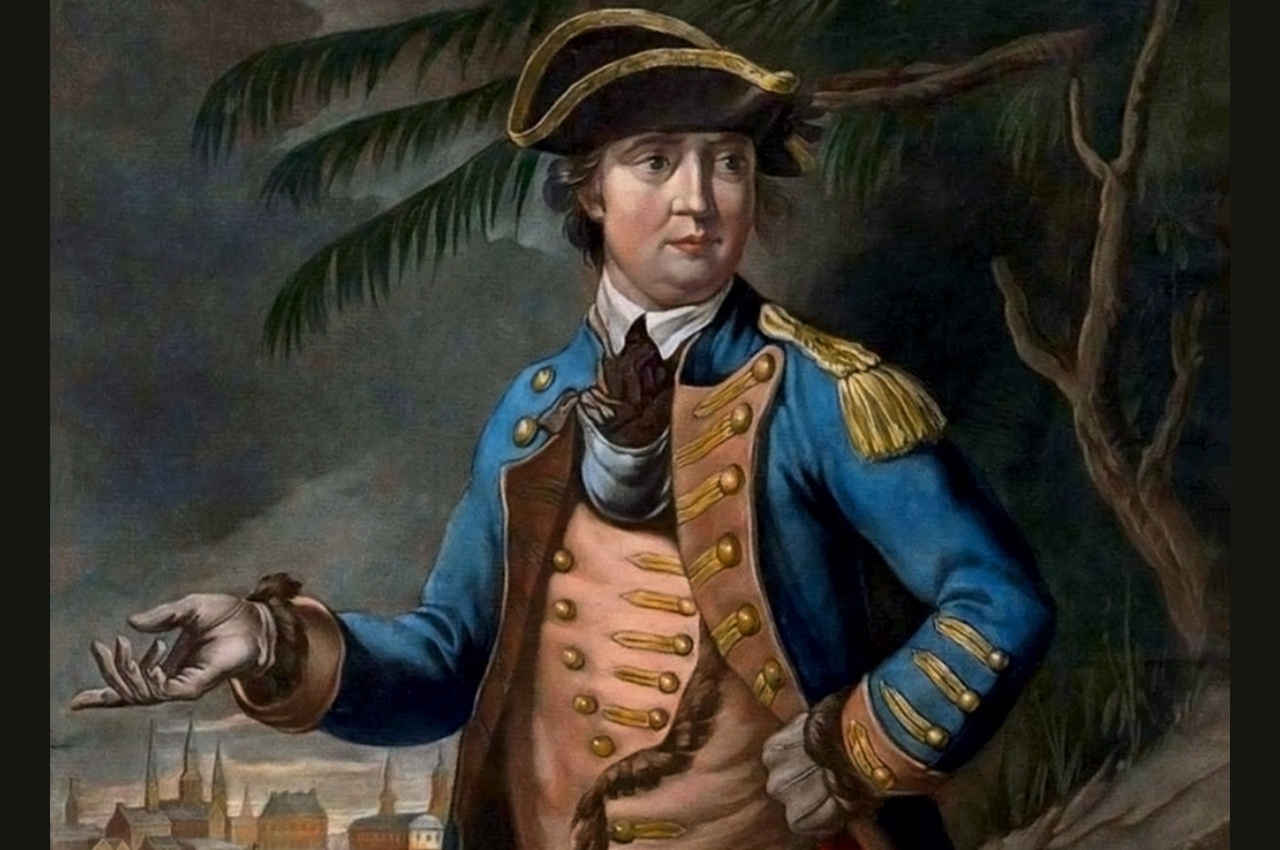
Benedict Arnold was once considered one of the most skilled generals of the Revolutionary War, playing crucial roles at Fort Ticonderoga and the Battle of Saratoga. However, his frustration with the lack of recognition and financial struggles led him to secretly negotiate with the British, planning to hand over West Point. His treason was uncovered in 1780, and though he escaped to British protection, his name became synonymous with betrayal. Records from the Library of Congress confirm that Arnold’s reputation collapsed instantly, transforming him from a respected war hero to one of America’s most despised figures.
2. Horatio Gates
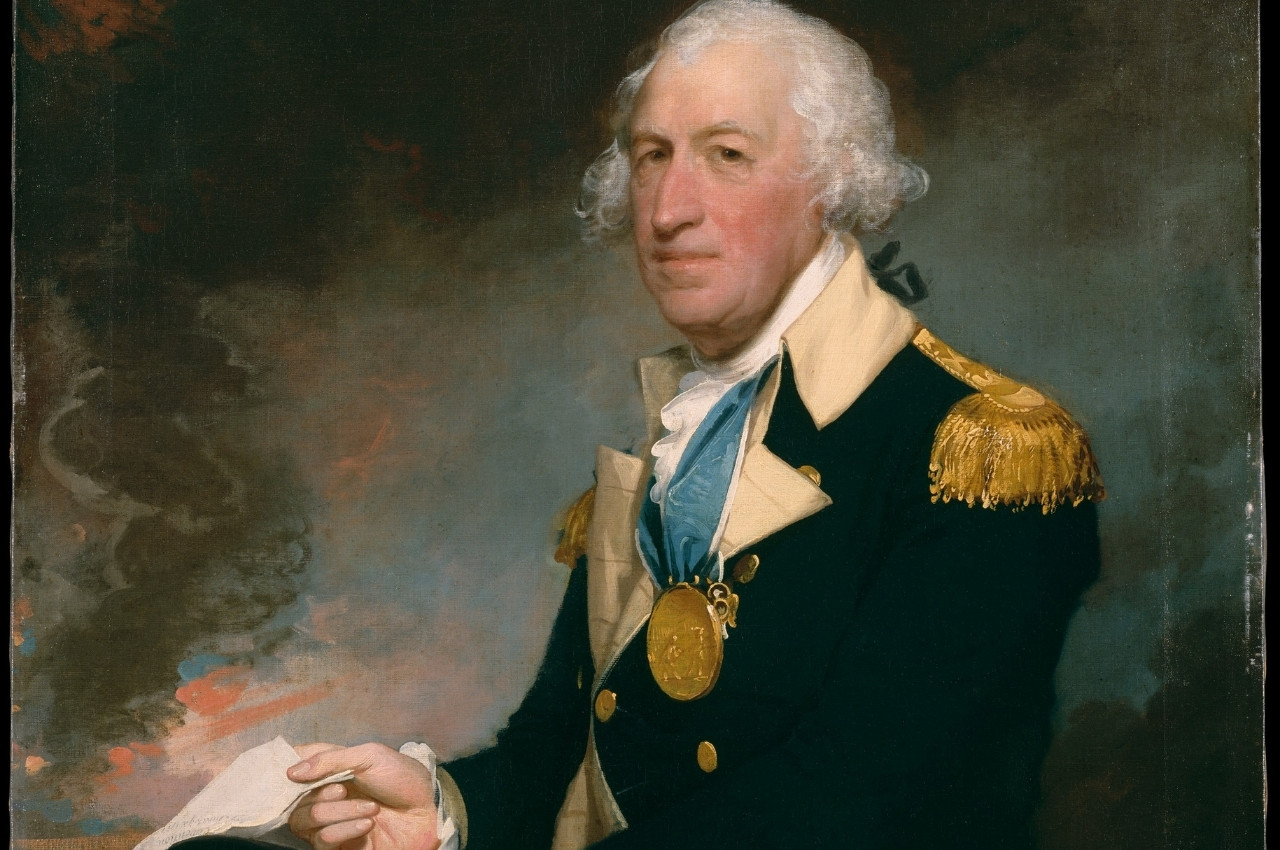
General Horatio Gates gained fame as the victor of Saratoga, but his reputation collapsed after the disastrous defeat at the Battle of Camden in 1780. Gates fled the battlefield, leaving his army in disarray, and Congress quickly removed him from command. Correspondence preserved by the National Archives shows how swiftly his fall from grace occurred, as he went from being considered a possible replacement for George Washington to a disgraced officer. His military failures overshadowed his earlier success, ensuring his name carried more shame than honor after the war.
3. Charles Lee
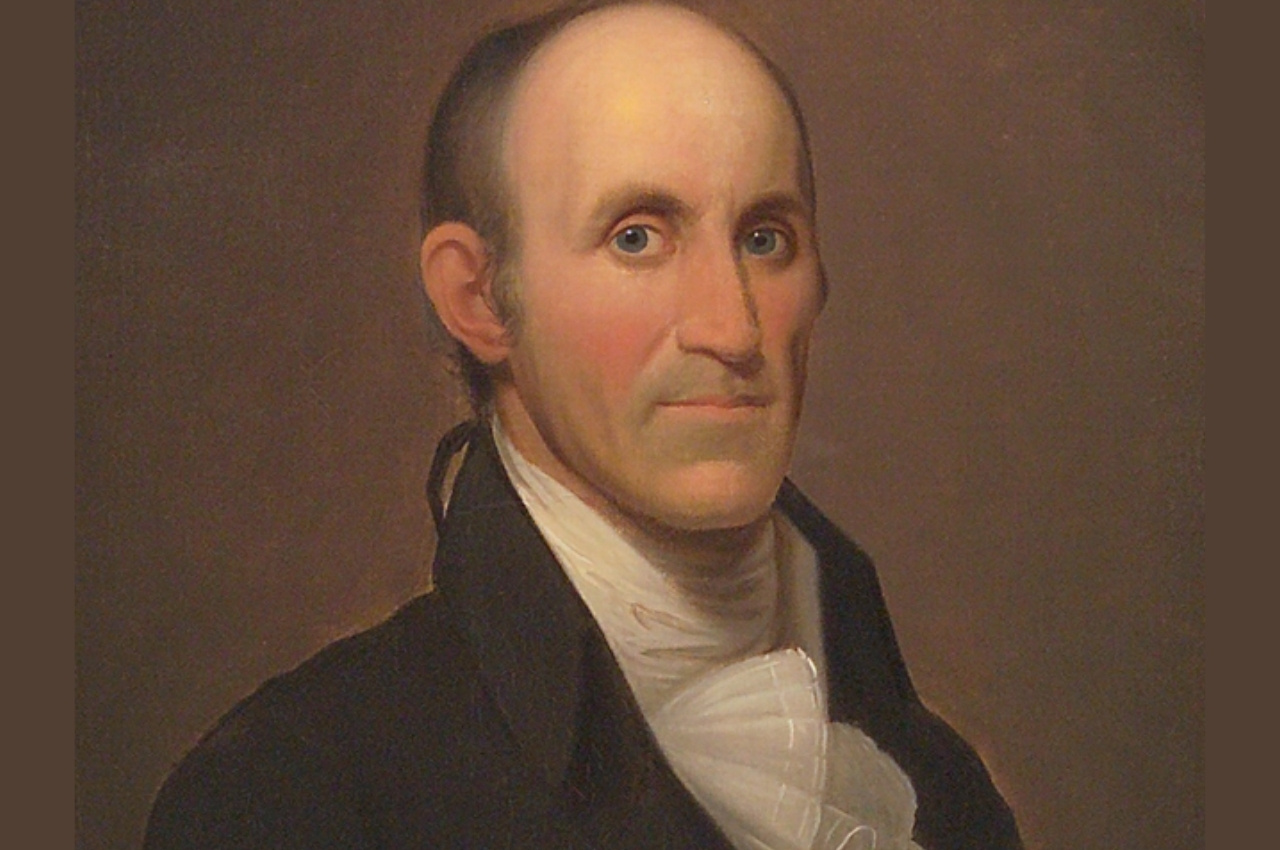
Charles Lee was once a trusted general, admired for his European military experience. However, at the Battle of Monmouth in 1778, he ordered a retreat that nearly cost the Continental Army a crucial victory. George Washington openly reprimanded him on the battlefield, a humiliation documented in Washington’s papers held at the Library of Congress. A court-martial followed, suspending Lee for a year. His continued criticism of Washington further tarnished his image, and his reputation never recovered. Instead of being remembered as a skilled officer, Lee became a cautionary tale of arrogance and poor judgment.
4. Thomas Conway
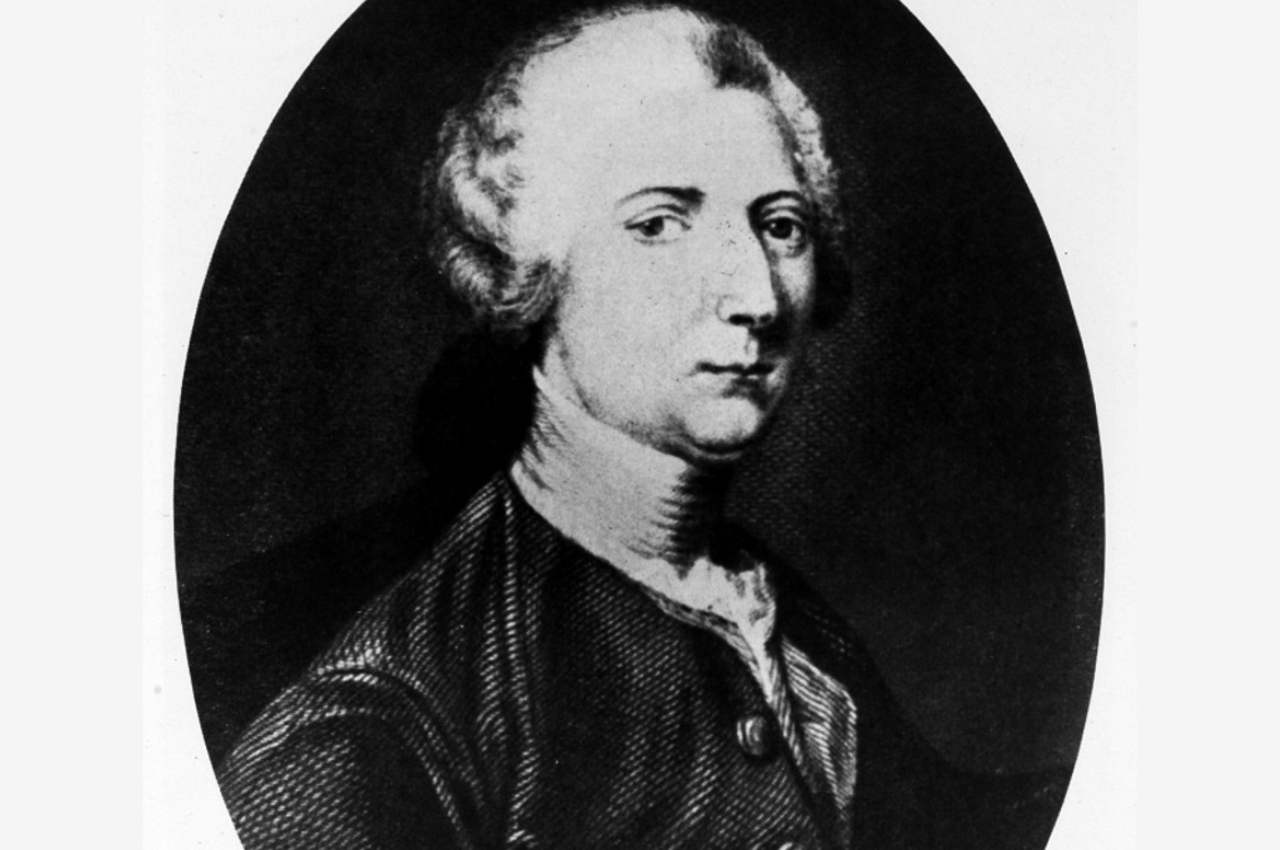
Thomas Conway’s career unraveled during what became known as the “Conway Cabal,” a political scheme to undermine George Washington’s leadership. He never officially oversaw such a plot, but letters from him that are kept in the National Archives show that he criticized Washington, which infuriated the public and Congress. After his promotion was rejected and his influence collapsed, Conway returned to France in disgrace. What could have been a notable career as a Continental general instead ended in infamy, with Conway remembered more for scheming against Washington than for his military contributions.
5. James Wilkinson
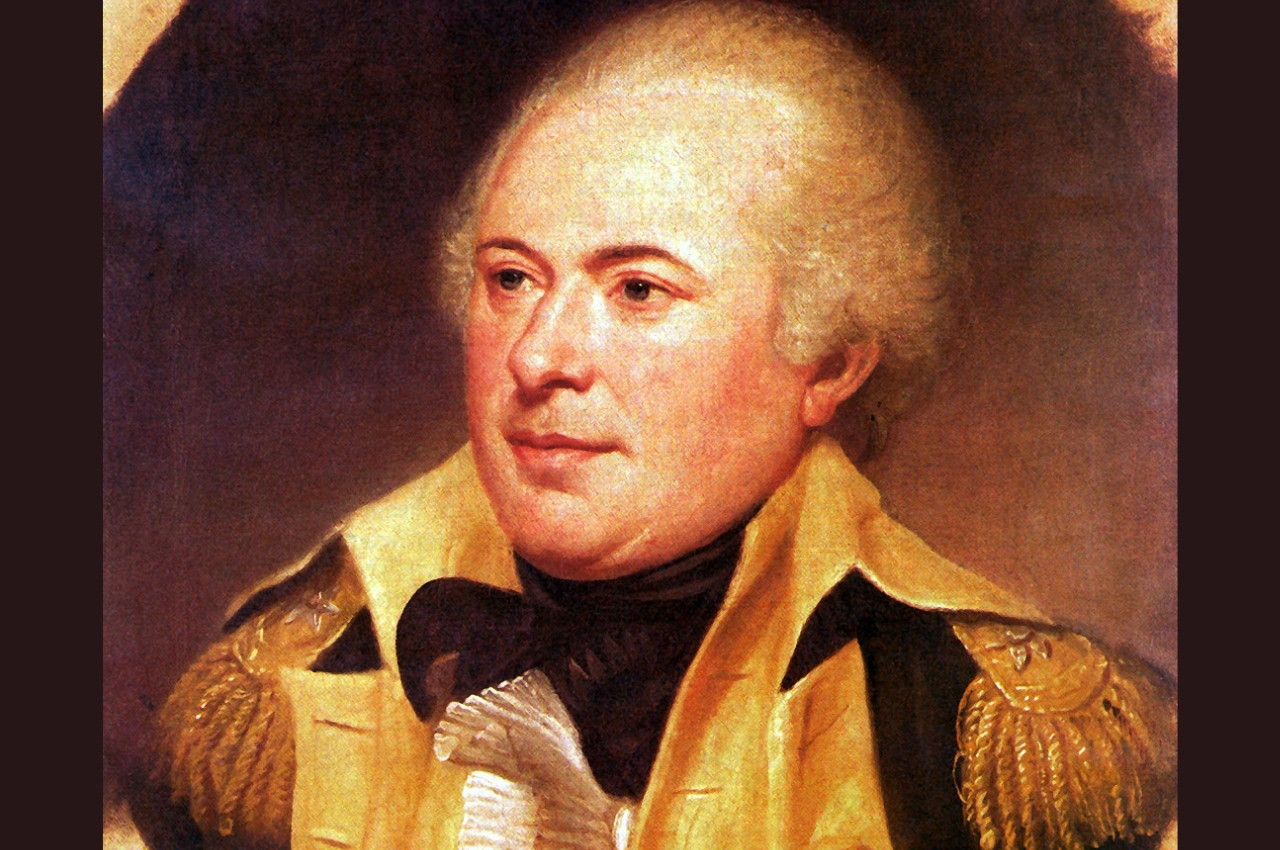
James Wilkinson began as a young officer in the Continental Army but later gained notoriety for questionable loyalty and self-interest. He resigned during the war amid accusations of political intrigue, and later, in the post-war period, he secretly worked as a paid agent for Spain while serving in the U.S. military. Documentation of his betrayal is preserved in the National Archives. His name became linked with corruption and treachery, showing how early ambition gave way to scandal. Wilkinson’s deceit made sure his legacy was permanently damaged, even though he was not as notorious as Benedict Arnold.
6. William Hull
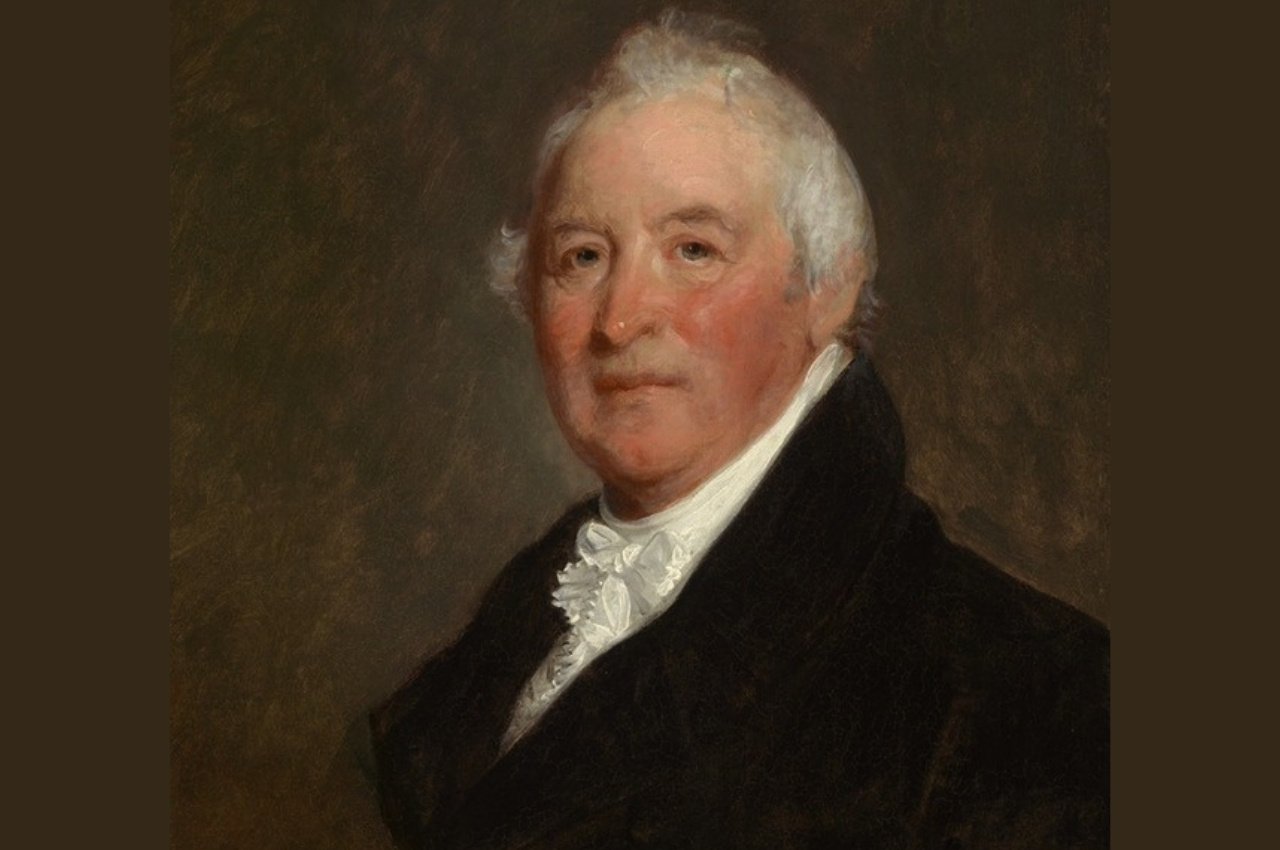
William Hull served as a Continental Army officer during the Revolution, where he was respected for his service at battles like Stony Point. However, his later military career destroyed his reputation. During the War of 1812, Hull surrendered Detroit to the British without a fight, a decision widely condemned as cowardice. Official records preserved by the National Archives confirm he was court-martialed and sentenced to death, though later pardoned. His Revolutionary service was overshadowed by this disgrace, making him another figure remembered more for failure than earlier contributions.
7. John Sullivan
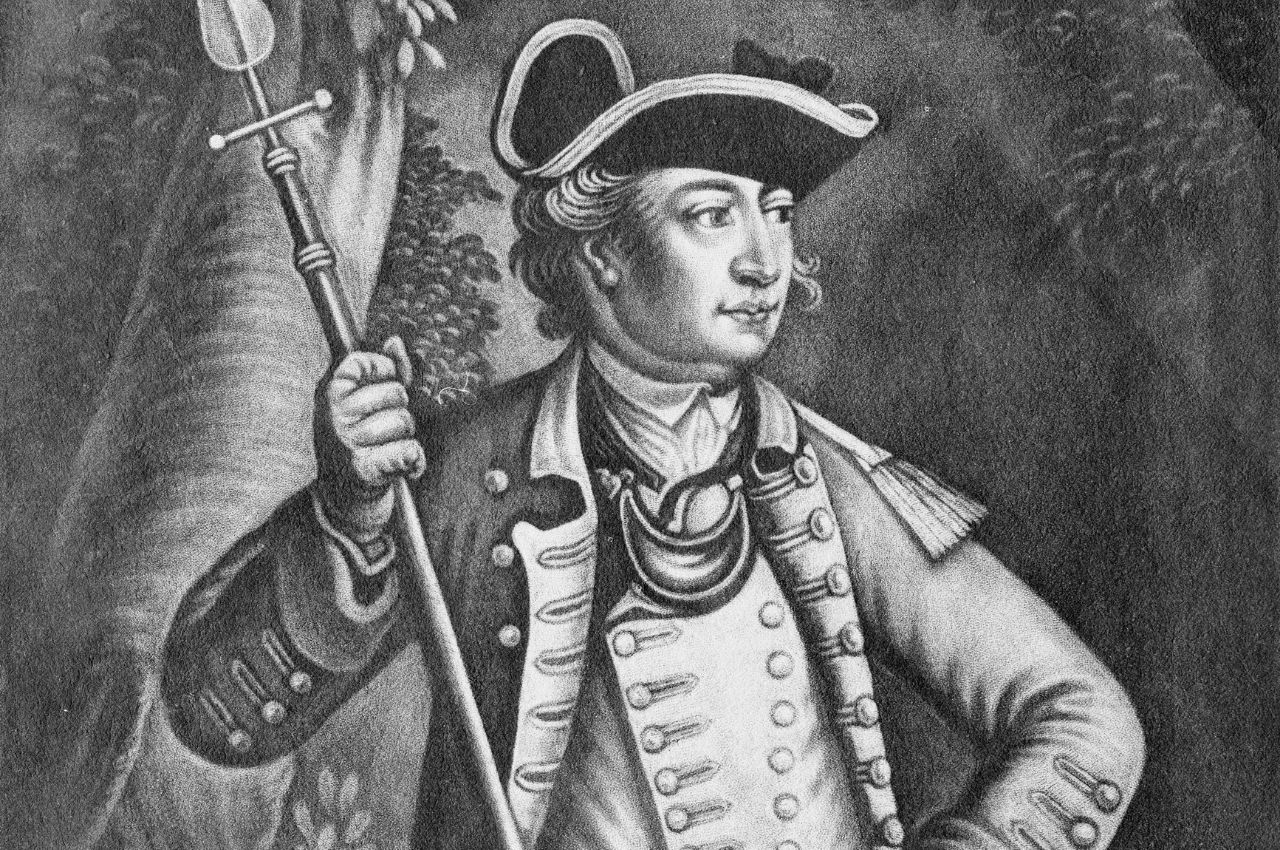
General John Sullivan fought bravely at battles such as Trenton and Germantown, yet his reputation suffered due to controversial campaigns. Most notably, his 1779 expedition against the Iroquois, sanctioned by Washington, led to widespread destruction of villages and crops. While considered a military success, it was criticized for its brutality. Records from the Library of Congress document these debates, showing how Sullivan’s name became associated with harsh tactics rather than heroic leadership. He wasn’t as ashamed as Arnold, but his reputation as a Revolutionary hero was tarnished for all time.
8. Richard Montgomery
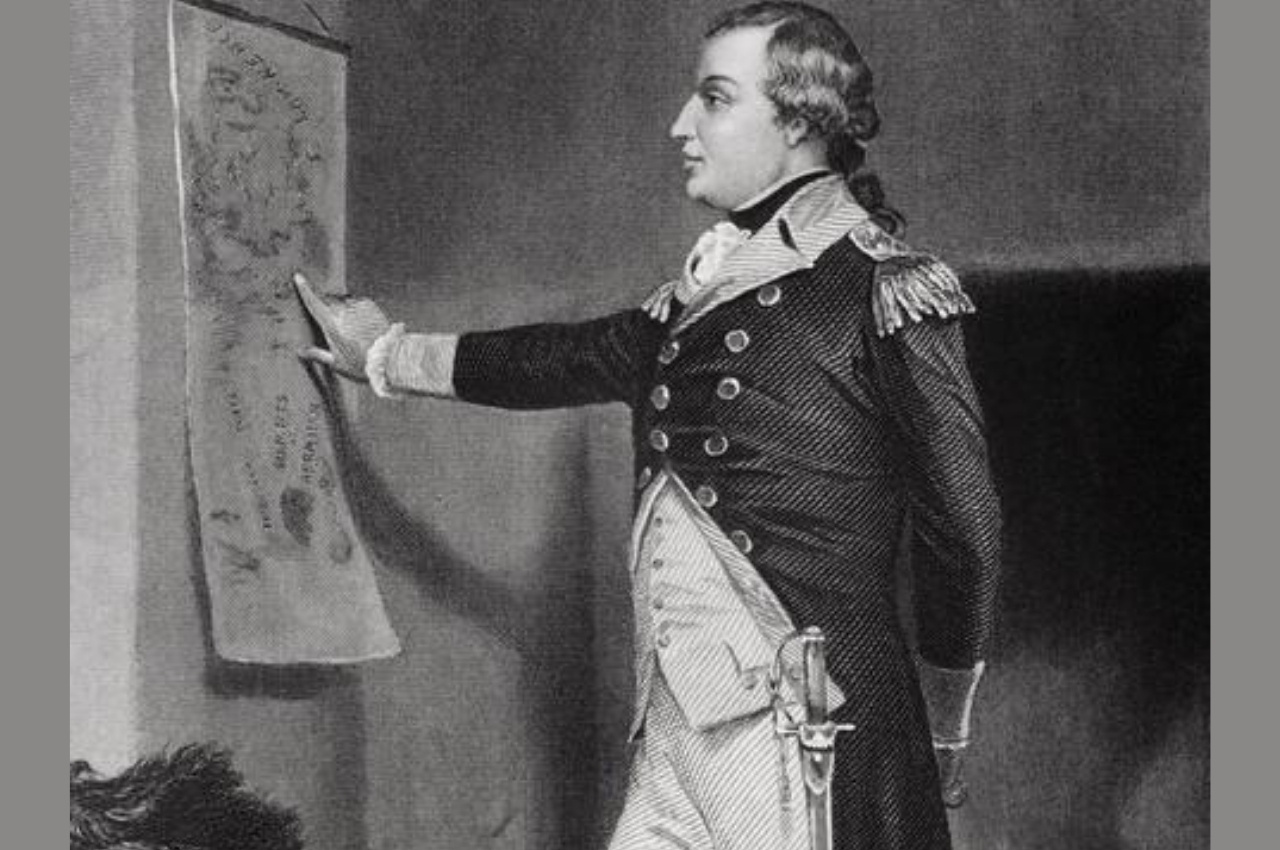
Richard Montgomery was celebrated as an early hero for leading the failed American invasion of Canada in 1775, where he was killed in battle. Initially hailed as a martyr, his legacy shifted in later years. As records preserved by the National Archives show, questions emerged over the strategic value of the campaign and whether his leadership contributed to its failure. Although still respected in some circles, his once-glowing reputation dimmed, and his role was reassessed more critically as the war’s history was retold.
9. Philip Schuyler
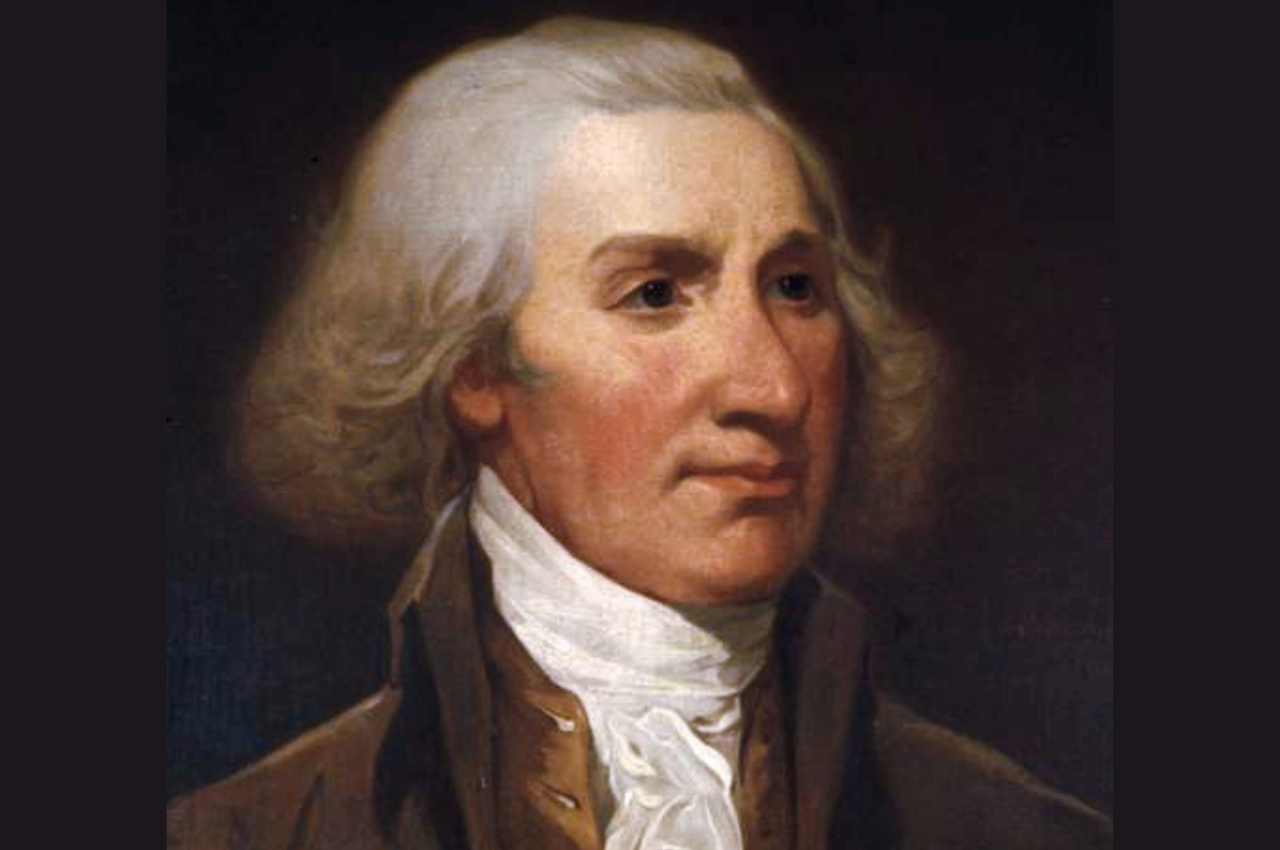
Philip Schuyler, a respected general and politician from New York, initially played a key role in organizing Continental forces in the northern campaigns. However, his reputation suffered after the failed defense of Fort Ticonderoga in 1777, which fell to British General John Burgoyne. Although Schuyler was later acquitted in a court-martial, documents in the National Archives show that the loss tarnished his standing permanently. He resigned his commission soon after, and despite continuing a career in politics, his military reputation never regained the respect it once held during the Revolution.