
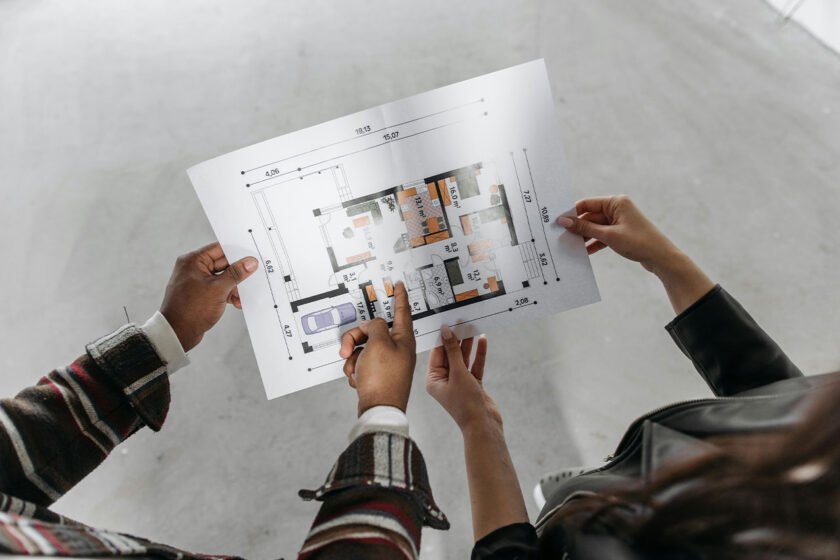
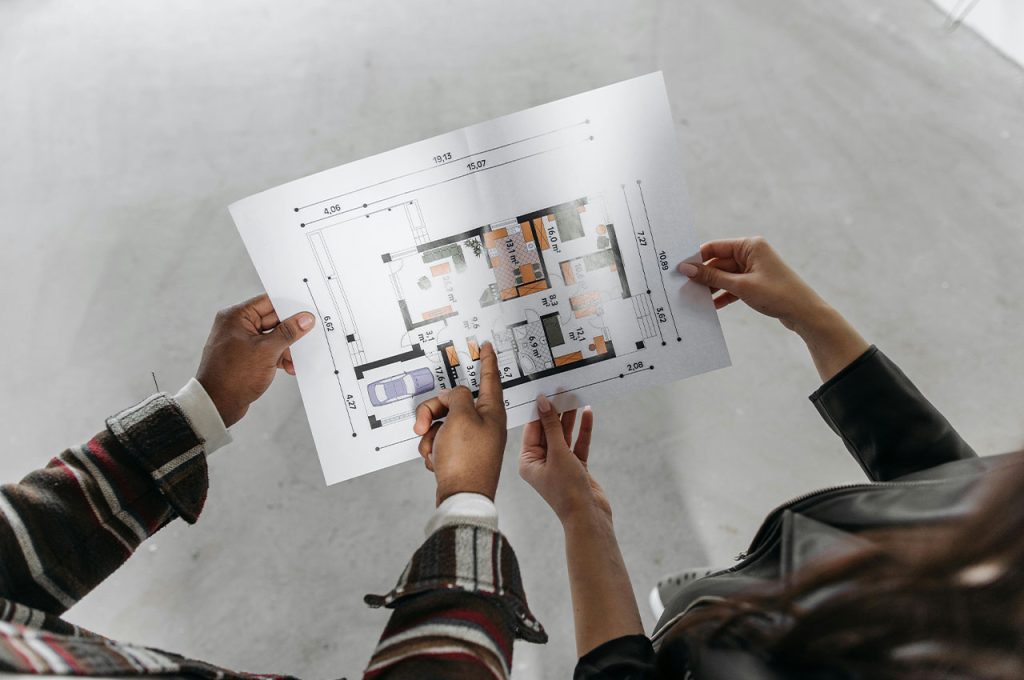
Floor plans set the foundation for how we live, work, and relax at home. But just like fashion, some layouts that were once popular are now losing favor among designers and homeowners. From overly compartmentalized rooms to impractical open concepts, certain floor plans no longer suit modern lifestyles. Discover the 10 floor layouts experts agree are going out of style—and why it’s time to rethink your space.
1. Closed-Off Rooms That Hinder Flow
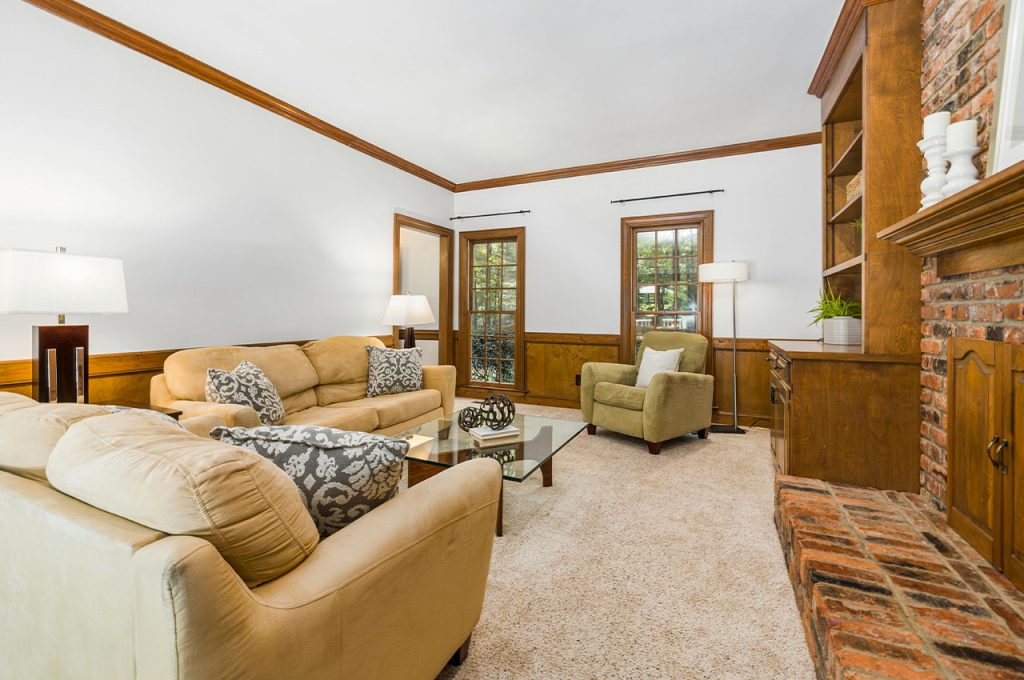
Older layouts often feature segmented spaces that interrupt natural movement. These closed-off rooms can make a home feel smaller, darker, and disconnected. Today’s preference leans toward open or semi-open designs that allow light and people to move more freely. Removing unnecessary walls or widening doorways can instantly modernize the space and improve functionality without a complete overhaul.
2. Overly Large Formal Living Rooms
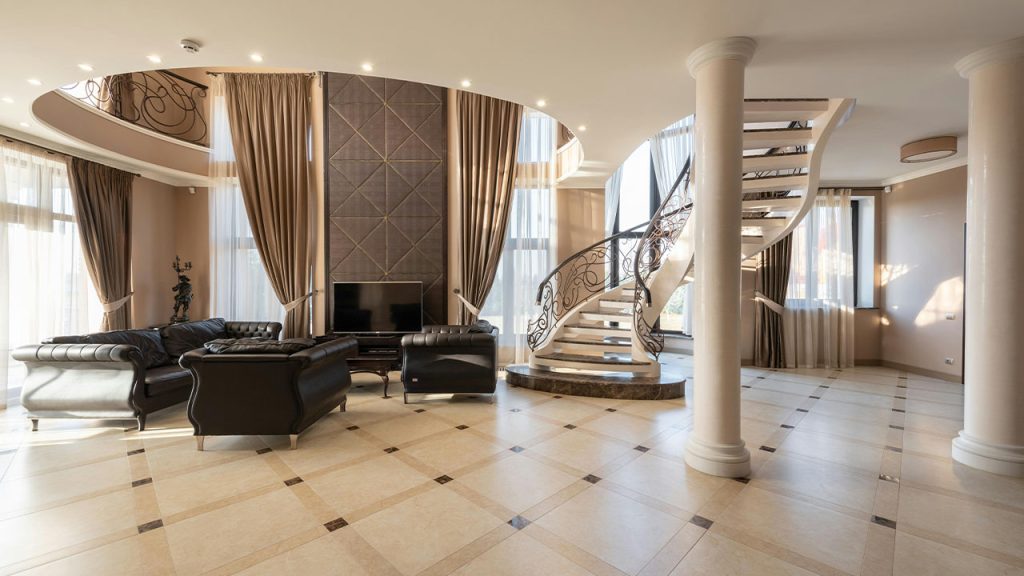
Once seen as a sign of luxury, oversized formal living rooms now feel outdated and underused. Many homeowners find these expansive spaces impractical, especially if they’re reserved for rare occasions. The trend is shifting toward cozier, multifunctional living areas that encourage daily use. Downsizing or reconfiguring these rooms allows for more purposeful square footage elsewhere—like home offices or hobby spaces.
3. Long, Narrow Hallways Wasting Space
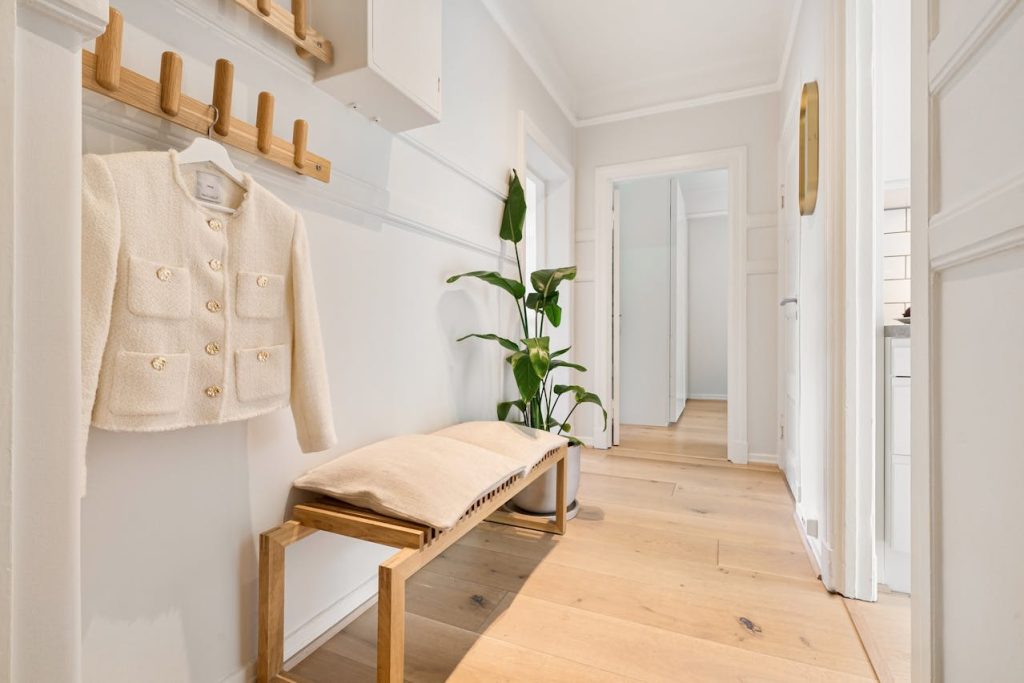
Hallways that stretch endlessly with no clear purpose are falling out of favor. They take up valuable square footage while offering little in return. Designers now aim to minimize or eliminate these transitional spaces in favor of open layouts or multi-functional zones. Infusing a hallway with an additional purpose by turning it into a reading nook or storage wall is one way to breathe new life into an otherwise wasted space and increase overall efficiency in a home.
4. Single-Use Rooms with Limited Flexibility
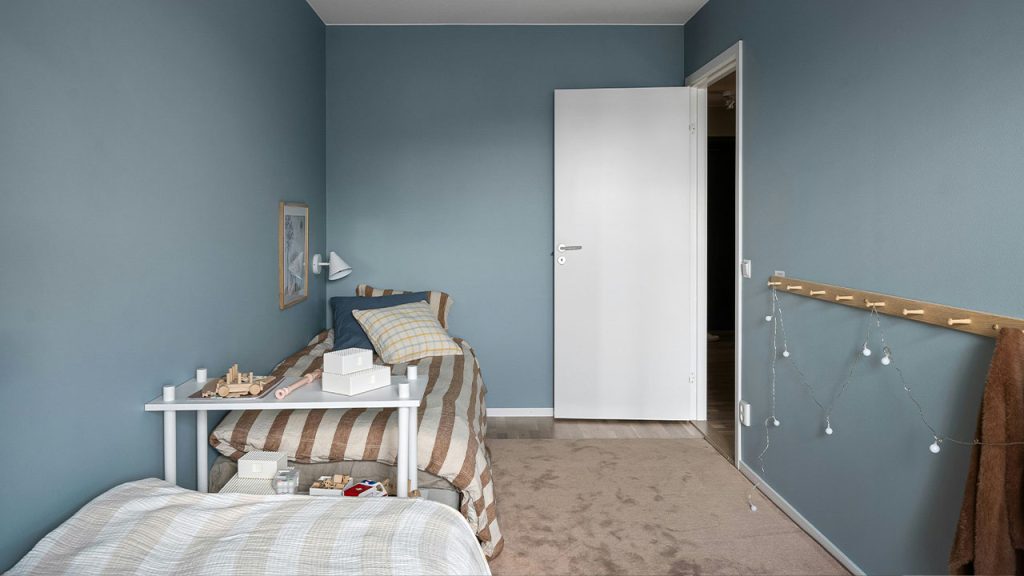
Rooms designated for a single activity—like formal dining or craft rooms—are losing popularity in favor of adaptable spaces. Today’s homeowners want rooms that can evolve with their needs. A space that works as an office today should easily become a nursery, guest room, or gym tomorrow. Designing with flexibility in mind adds long-term value and functionality without sacrificing style or comfort.
5. Completely Open Floor Plans Without Defined Zones
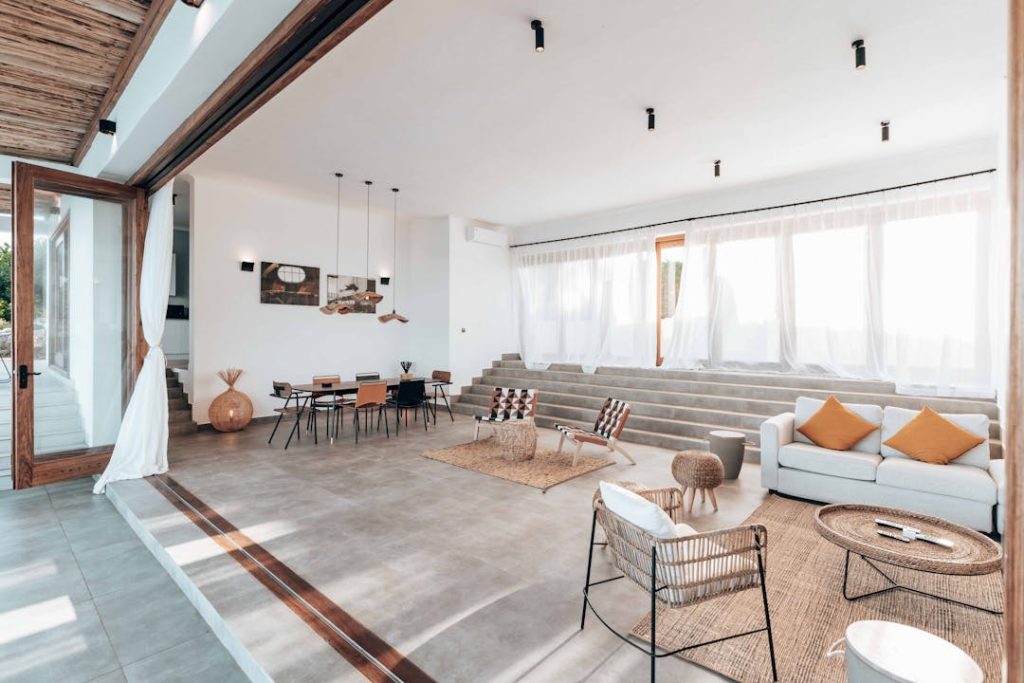
While open-concept layouts once reigned supreme, many now find them overwhelming and lacking in structure. Without defined zones, noise travels, privacy disappears, and the space can feel chaotic. Designers are now leaning into partial dividers, furniture groupings, and architectural elements that create subtle boundaries—offering the openness people love with the function they need.
6. Tiny, Isolated Kitchens
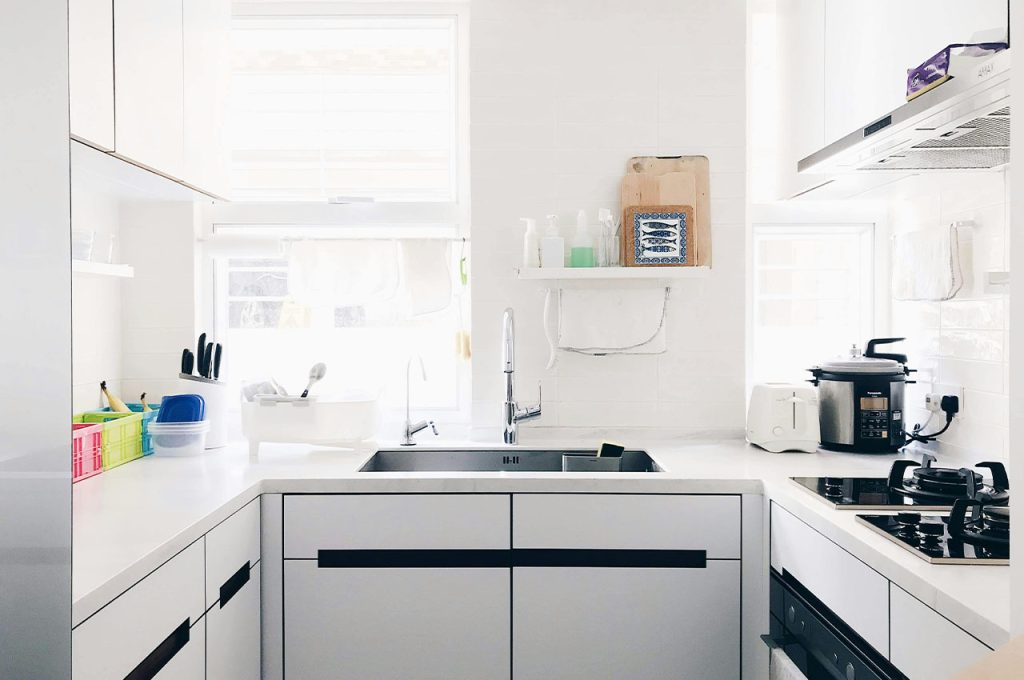
Kitchens cut off from the rest of the home no longer fit modern lifestyles. Once seen as utilitarian spaces, these small, enclosed kitchens feel cramped and make entertaining difficult. Today’s designs prioritize connection—open sightlines, islands, and eat-in layouts are preferred for their functionality and social appeal. Opening up the kitchen and allowing it to bleed into other spaces creates a heightened sense of connection.
7. Bedrooms Adjacent to Noisy Common Areas
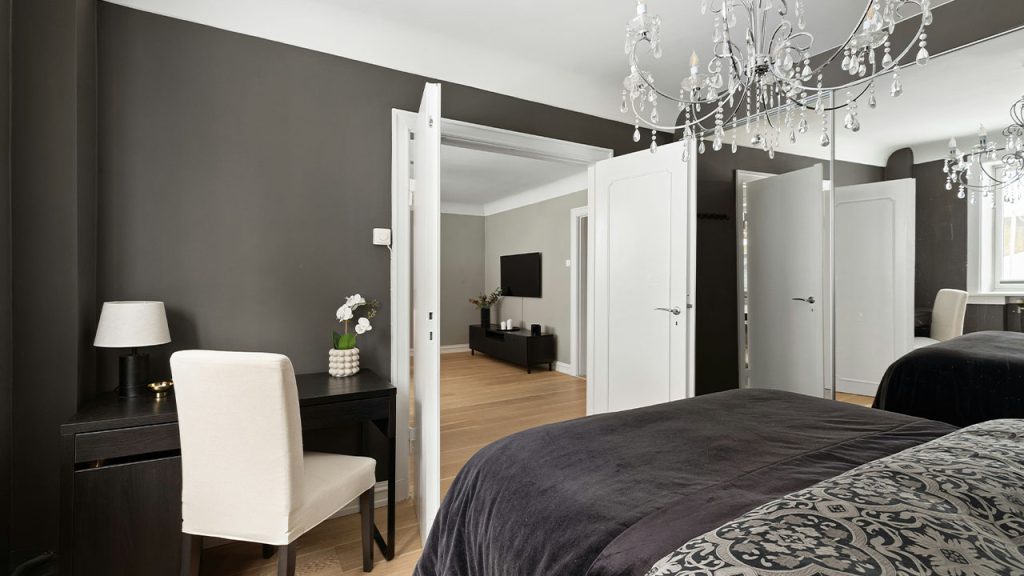
Placing bedrooms next to living rooms or kitchens often results in disrupted sleep and limited privacy. Noise carries easily through walls, making it hard to relax or unwind. Modern layouts prioritize quiet zones by separating private and communal spaces. Sound-buffering design choices—like smart placement and insulation—help create restful bedrooms, which is essential for daily comfort and well-being.
8. Bathrooms Without Natural Light or Ventilation
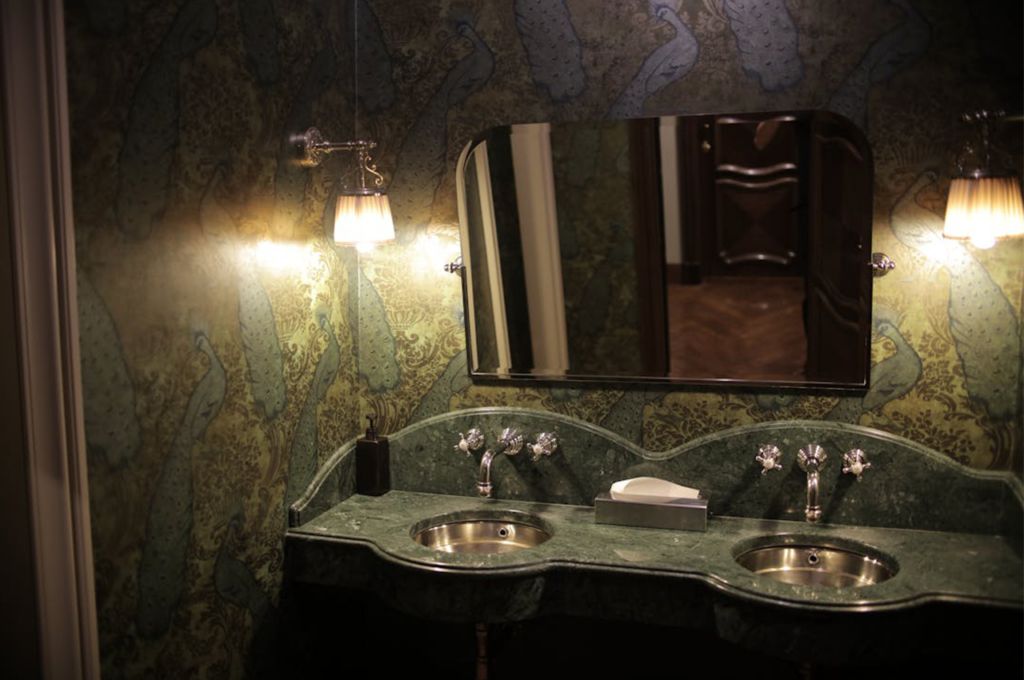
Windowless bathrooms are not only gloomy but also prone to moisture problems. Lack of airflow can lead to mold and mildew, while poor lighting makes the space feel smaller. Today’s homeowners want bathrooms that feel bright, clean, and breathable. Even a small opening, whether a window or a skylight, can drastically improve the overall ambience of the space. Thoughtful design embraces natural light and ventilation whenever possible.
9. Oversized Entryways That Feel Wasted
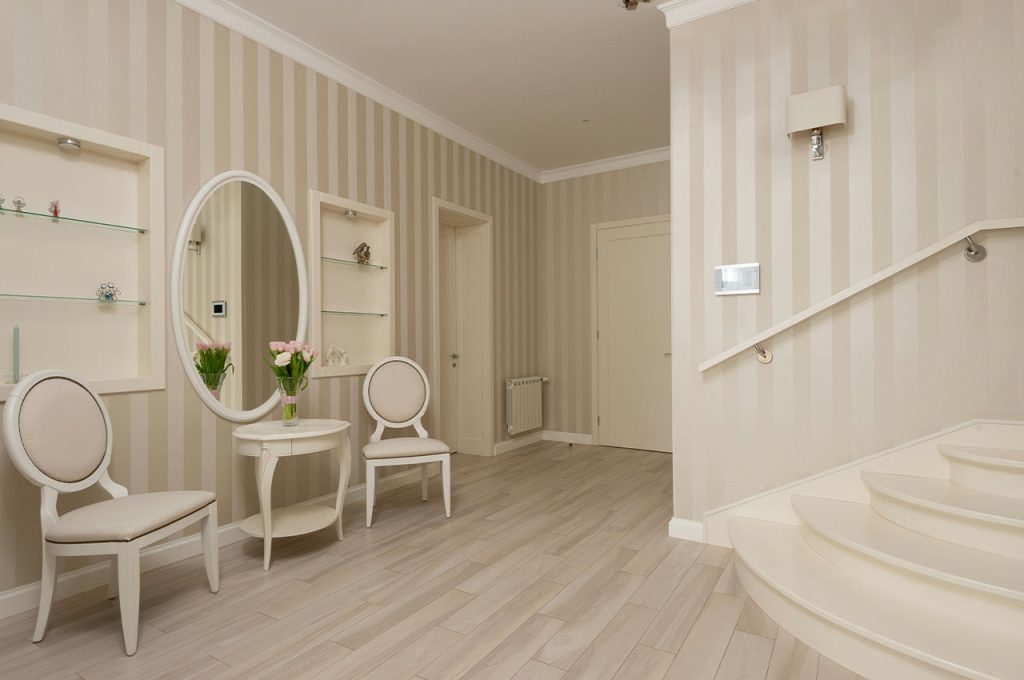
Grand foyers may look impressive, but they often serve little functional purpose and take up valuable space. In modern homes, practicality wins. Homeowners prefer smaller entry areas that include storage, seating, or smart organization. Reimagining a large entryway into a mudroom or home office nook makes it more useful without sacrificing style.
10. Basements Without Purpose or Access
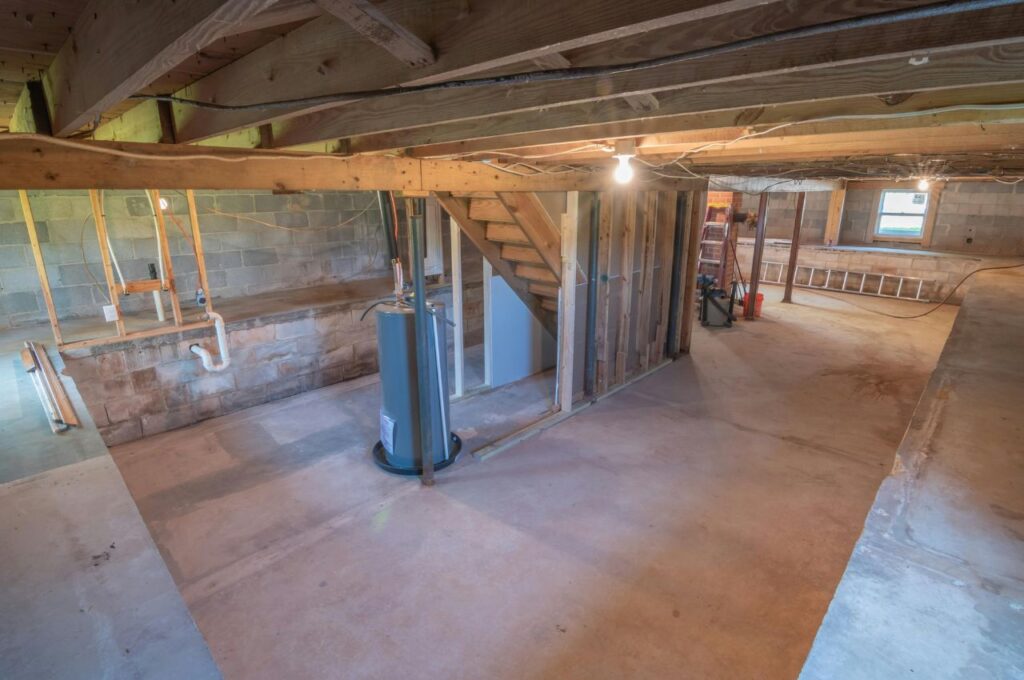
Unfinished or inaccessible basements are a missed opportunity in any floor plan. These spaces often go unused, adding square footage without adding real value. Today’s buyers expect basements to serve a purpose—whether as a media room, guest suite, or gym. Easy access via open staircases, finished walls, and proper lighting can transform a basement from a dark storage zone into a true living space.
This article was created with the assistance of AI but thoroughly edited by a human being.