

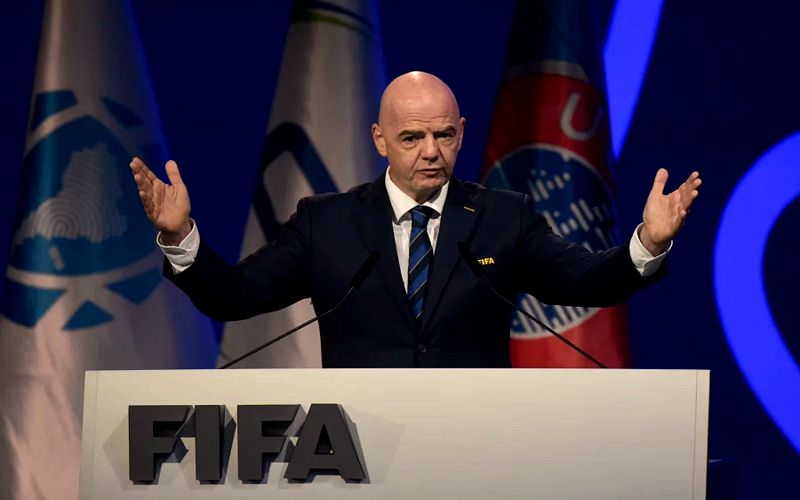
FIFA has launched a sweeping review of its long-standing regulations as it seeks legal advice on whether it can prohibit domestic league matches from being played abroad. The organization is reportedly eager to ban the growing trend of leagues staging games overseas but remains cautious over potential legal challenges. The move follows growing tension with UEFA after the body approved La Liga and Serie A fixtures in the United States and Australia.
Read: US Professor’s Flight to Spain Abruptly Cancelled After Antifa Remarks Spark Uproar
Redrafting the Global Rulebook
FIFA’s regulatory overhaul marks the first major review since 2014. A source involved in the process confirmed that FIFA aims to create a more “robust” rulebook, with new regulations expected early next year. The effort comes amid controversy surrounding UEFA’s decision to allow Villarreal vs. Barcelona to be played in Miami and Milan vs. Como in Perth. These approvals reportedly angered FIFA officials, who believe such decisions should fall under their jurisdiction.
Also read: Trump Accused of Weaponizing Justice Department After Letitia James Indictment Sparks Outrage
Tensions with UEFA Escalate
Uefa this week blamed the “relevant Fifa regulatory framework” for permitting the overseas matches, suggesting the current rules give confederations significant autonomy. Fifa insiders, however, are frustrated that their authority has been undermined. The disagreement has deepened the rift between the two governing bodies over control of international football operations, with both organizations interpreting existing regulations differently.
Also read: US Deploys 200 Troops to Israel Amid Ceasefire Mission
Outdated Rules Under Review
The current regulations, written in 2014, were drafted when the idea of domestic games being staged overseas seemed remote. The proposal for an “international round” was first floated in 2008 by then-Premier League chief executive Richard Scudamore but collapsed after intense backlash from fans. Since then, leagues have gradually revived the concept, spurred by commercial opportunities and global audience growth.
Also read: Letitia James Indicted as Trump Intensifies Campaign Against Political Rivals
Approval Process and Jurisdiction
Under FIFA’s existing rulebook, any “international match” requires authorization from the football associations of both participating clubs, the host territory, and the relevant confederations. In the cases of La Liga and Serie A, approvals were granted by the respective leagues before being referred to UEFA. The final decision now rests with the host federations – U.S. Soccer and Football Australia – and their governing confederations, Concacaf and the Asian Football Confederation.
Also read: GOP in Turmoil: Johnson Warns Republicans Could “Tear Each Other Limb From Limb”
U.S. Resistance to European Matches
While La Liga has already confirmed Villarreal vs. Barcelona at Inter Miami’s Hard Rock Stadium, the plan still faces uncertainty. U.S. Soccer’s approval is not assured, as there are concerns that Major League Soccer could suffer commercially if high-profile European or Mexican league fixtures are played on American soil. Similar resistance could also emerge from other domestic leagues seeking to protect their markets.
Also read: DHS Slams NBC Over False ICE ‘Bait’ Story: “Stop the Lies”
Legal Hurdles and Past Lawsuits
FIFA’s legal position remains uncertain due to past disputes. In 2019, U.S.-based promoter Relevent Sports filed an antitrust lawsuit against U.S. Soccer after its request to stage a Barcelona vs. Girona match in Miami was denied. FIFA was named as a co-defendant in that case, highlighting the legal complexities surrounding international match authorizations. These ongoing challenges have prompted FIFA to seek formal legal advice before finalizing any ban.
Also read: California Becomes First State to Ban Ultra-Processed Foods from School Meals
Infantino Warns of “Global Free-for-All”
FIFA President Gianni Infantino expressed concerns this week, warning that allowing unrestricted overseas league games would pose a “big risk” for the sport. While FIFA declined to issue an official statement, Infantino’s remarks underline the organization’s determination to preserve regulatory control amid growing commercial pressures from top European leagues seeking global expansion.