
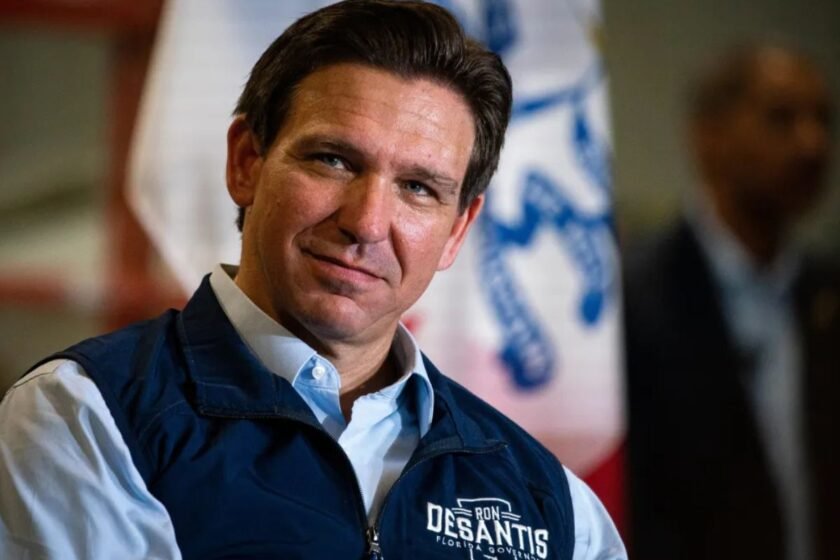

Florida Governor Ron DeSantis has introduced measures to expand local government audits and voiced strong criticism of current property tax policies. These moves are part of a broader fiscal strategy aimed at increasing transparency and accountability in state finances. As the housing market in Florida continues to grow, the state’s tax policies remain crucial for homeowners and local economies.
Critics and supporters alike are keenly observing how these changes might impact property values and municipal finances. The latest moves come at a time when Florida’s housing market remains robust, with median home prices consistently rising. Understanding these new policies is essential for both local governments and residents to navigate fiscal changes effectively.
DeSantis’ Fiscal Strategy
Governor DeSantis has emphasized transparency and accountability as central to his fiscal policy. The expanded audits are designed to bring more oversight to local government spending, ensuring funds are managed in a manner that benefits residents.
By targeting inefficiencies, DeSantis aims to optimize use of public funds, potentially curbing unnecessary expenses and redirecting savings into crucial areas like infrastructure. This strategy also seeks to address concerns about financial mismanagement that have plagued certain local governments in Florida.
DeSantis’ approach reflects a broader trend among states to scrutinize local government finances more closely, particularly as they navigate the economic challenges posed by the pandemic recovery. The move aligns with his commitment to taxpayer protection and economic responsibility.
Overview of Florida Audits
The expanded audits in Florida encompass a wide range of local government financial operations. By examining these financial records closely, the state aims to detect and eliminate potential waste, fraud, and mismanagement.
Previous audits have uncovered instances where funds were misused or not tracked effectively, leading to calls for stricter oversight. DeSantis’ initiative seeks to implement more rigorous auditing processes, which could potentially save millions in taxpayer money.
Key components of these audits include:
- Increased frequency and scope of financial inspections.-
- Implementation of advanced auditing technologies.
- Enhanced training for audit teams to ensure effectiveness.
Local Government Under Scrutiny
Local governments across Florida are preparing for increased scrutiny as the state’s expanded audit measures come into effect. Municipalities are now prompted to ensure their financial practices meet stringent state guidelines.
This heightened examination may prompt some local governments to reassess their budget priorities and enforce stricter financial controls. Such adjustments are critical to maintaining public trust and preventing financial irregularities.
While some officials welcome the increased oversight for its potential to improve fiscal health, others express concerns over the additional administrative burden it places on already stretched resources.
Property Taxes in the Spotlight
Governor DeSantis has also been vocal in his criticism of current property tax rates, calling for reforms that would alleviate the financial burden on Florida residents. Property taxes are a significant concern, especially in areas with escalating home prices and the cost of living.
Many homeowners feel the pinch of rising property taxes, which can lead to financial strain and affect housing affordability. DeSantis’s push for tax reform is seen as a step toward balancing the need for municipal revenue with fair taxation.
Proposed changes may include adjustments to tax assessment methods and potential caps on rate increases, aimed at stabilizing costs for homeowners while ensuring adequate funding for essential local services.
Impact on Florida Homeowners
Florida homeowners are facing new challenges following recent moves by Governor Ron DeSantis to expand audits on local governments and criticize property tax systems. The state’s real estate market, already under strain from national economic fluctuations, could feel additional pressure in response to these political shifts. Median home prices in Florida have steadily increased by about 15% year-over-year, compounding financial strain on residents concerned about rising property taxes.
The expanded audits aim to scrutinize local government expenditures, potentially uncovering mismanaged funds that could influence property tax rates. Homeowners fear that any discrepancies uncovered might result in increased taxes to cover budget shortfalls. Amid this uncertainty, property taxes remain a significant concern for many Floridians whose housing costs make up a large portion of their expenses.
A combination of existing issues like low housing inventory, high demand, and escalating interest rates makes the situation particularly acute. Key factors affecting homeowners include:
- Increasing property values are driving up taxes
- Higher mortgage rates are impacting affordability
- Limited housing supply intensifies competition
This heightened scrutiny of local budget practices is designed to align public spending more closely with community needs, potentially mitigating some of these pressures over time.
Government Accountability Measures
Governor DeSantis’s push for enhanced local government audits is a significant step toward increasing transparency in Florida’s public sector. The audits are designed to examine how taxpayer dollars are utilized, aiming to hold governments accountable for every expenditure. This move seeks to reassure homeowners that their taxes are being used effectively, potentially building trust in local authorities.
In recent years, complaints about mismanaged funds and inadequate public services have grown across Florida. The expanded audit measures are a response to these challenges, helping identify inefficiencies and areas where taxpayer money may not be optimally spent. By spotlighting these issues, the state aims to eliminate wasteful spending and apply funds where they are most needed.
For local governments, this scrutiny means adjusting their financial practices to ensure they meet state expectations. While this could lead to short-term administrative burdens, the long-term goal is a more efficient allocation of resources, reducing the potential need for property tax increases.
Overall, these accountability measures signify a commitment to fiscal responsibility, aiming to provide Floridians with assurance over how their contributions are shaping community development and infrastructure.