
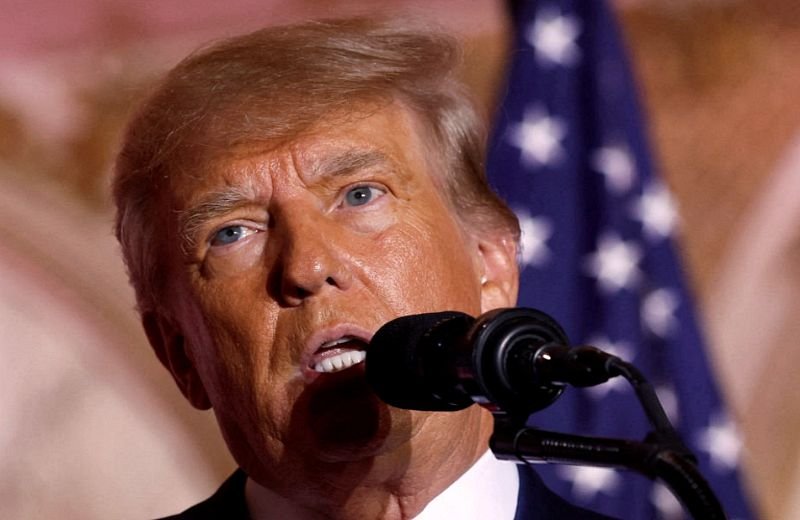
Global health agencies, including the World Health Organization and regulators from various countries, have swiftly rejected unscientific claims made by Donald Trump regarding the link between autism and everyday medications like paracetamol (Tylenol). In response to the controversy, the UK’s Health Secretary urged the public to disregard Trump’s statements about medicine, reinforcing the importance of relying on trusted medical professionals.
Trump’s Controversial Statements
On Monday, Donald Trump made a bold statement advising pregnant women to avoid acetaminophen (Tylenol) during pregnancy, suggesting that its use could lead to autism in children. He also encouraged parents to delay or avoid certain vaccines, urging them not to “pump your baby up with the largest pile of stuff you’ve ever seen in your life.” These comments raised alarms, as they contradicted well-established medical guidance on vaccine safety and the use of paracetamol.
Global Health Agencies Respond
The World Health Organization quickly responded to Trump’s remarks, calling his suggestions about vaccines and paracetamol “misguided.” WHO spokesperson Tarik Jašarević reaffirmed that there is no scientific evidence linking vaccines to autism. He emphasized that vaccines save countless lives and should not be questioned based on unproven theories.
Similarly, health authorities from the UK’s MHRA, the European Medicines Agency (EMA), and Australia’s Therapeutic Goods Administration all dismissed Trump’s claims. The UK’s MHRA clarified that there is no evidence linking paracetamol use during pregnancy to autism and warned that untreated pain or fever could harm the unborn child. The EMA and Australia’s TGA echoed this stance, affirming the safety of paracetamol during pregnancy.
UK Health Secretary’s Strong Rejection
UK Health Secretary Wes Streeting took a strong stance against Trump’s claims, telling ITV, “I trust doctors over President Trump, frankly. There is no evidence to link the use of paracetamol by pregnant women to autism in their children.” He urged the public to ignore Trump’s statements, advising them to follow the guidance of British doctors and scientists instead. Streeting emphasized the importance of listening to medical professionals rather than political figures when it comes to health matters.
Kennedy Jr.’s Role in the Controversy
Trump’s comments were made alongside Robert F. Kennedy Jr., the US health secretary, who has long been a proponent of discredited claims about vaccines and autism. Kennedy, known for his controversial views on vaccine safety, has previously promised to find the “cause” of autism, but his statements have been criticized for lacking scientific evidence. His involvement in the recent press conference seemed to bolster Trump’s unfounded claims.
Scientific Evidence Contradicts Trump’s Claims
Experts quickly pointed out that there is no credible scientific evidence to support Trump’s assertions. Research has shown that the rise in autism diagnoses is due to broader definitions of autism and an increased awareness among parents, rather than any link to vaccines or medication. A recent large-scale Swedish study, tracking over 2.4 million births, found no evidence connecting prenatal exposure to paracetamol with autism.
The White House, in making its case, cited a 2025 review of studies suggesting a potential link between prenatal paracetamol exposure and neurodevelopmental disorders. However, the review itself noted that these studies did not prove causality and recommended that pregnant women continue to use acetaminophen at the lowest possible dose and for the shortest time.
Growing Concerns About Autism Diagnoses
The rise in autism diagnoses in recent years has sparked ongoing debate. In 2022, the Centers for Disease Control and Prevention reported that one in 31 children in the US was diagnosed with autism spectrum disorder, a significant increase from one in 150 in 2000. Experts believe this increase is largely due to the expanded definition of autism and a greater willingness among parents to seek diagnoses, rather than any changes in environmental factors like vaccines or medication.
Evidence-Based Medicine
Health professionals across the world continue to emphasize the importance of evidence-based medicine in addressing complex issues like autism. While studies into the potential causes of autism continue, experts assert that claims like Trump’s, which lack scientific backing, only contribute to confusion and fear. The broader scientific community remains steadfast in rejecting such unproven theories, advocating for a continued reliance on proven medical practices.