

Homeowners’ Associations (HOAs) were designed to maintain order and aesthetics in neighborhoods, but many have gained reputations for overreaching authority. Across the United States, residents are now pushing back against excessive or outdated regulations. According to the Community Associations Institute, over 74 million Americans live in HOA-governed communities, and legal disputes between boards and homeowners have surged in the past decade. As property rights evolve and state laws tighten, many HOA rules no longer hold enforceable power. These nine examples show where homeowners are successfully reclaiming control from neighborhood micromanagement.
1. Restrictions on Political Signs
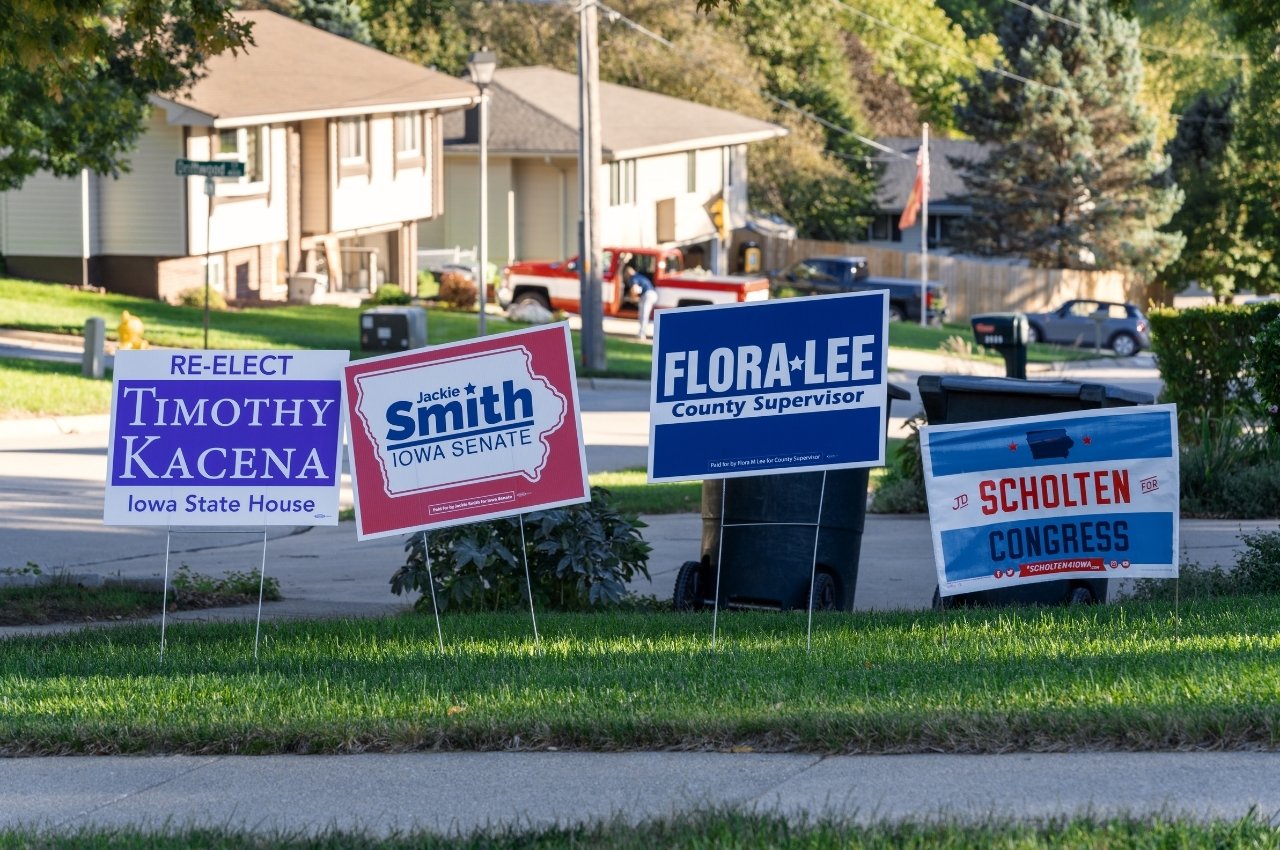
Many HOAs attempt to prohibit political signs, but such bans often violate free speech protections. According to the First Amendment Encyclopedia and state housing statutes, residents in most states can display campaign materials during election seasons. Courts have consistently ruled that HOAs cannot completely suppress political expression. While associations may regulate size or placement for safety, they cannot forbid them outright. Homeowners exercising this right are protected by federal and state laws ensuring political participation. Recent cases in Texas and Arizona highlight growing legal recognition that property ownership does not erase constitutional freedoms.
2. Bans on Solar Panels

Attempts to restrict solar panels for aesthetic reasons have faced strong legal opposition. According to the U.S. Department of Energy, more than 25 states have “solar rights” laws preventing HOAs from blocking panel installations. These laws encourage renewable energy and environmental responsibility. Homeowners in California, Florida, and Colorado have won lawsuits protecting their right to sustainable energy improvements. While HOAs can request discreet placement, they cannot deny access to clean energy. This shift reflects a broader national movement prioritizing sustainability over cosmetic conformity, empowering residents to make eco-conscious choices without fear of penalty.
3. Prohibition of Certain Landscaping Choices
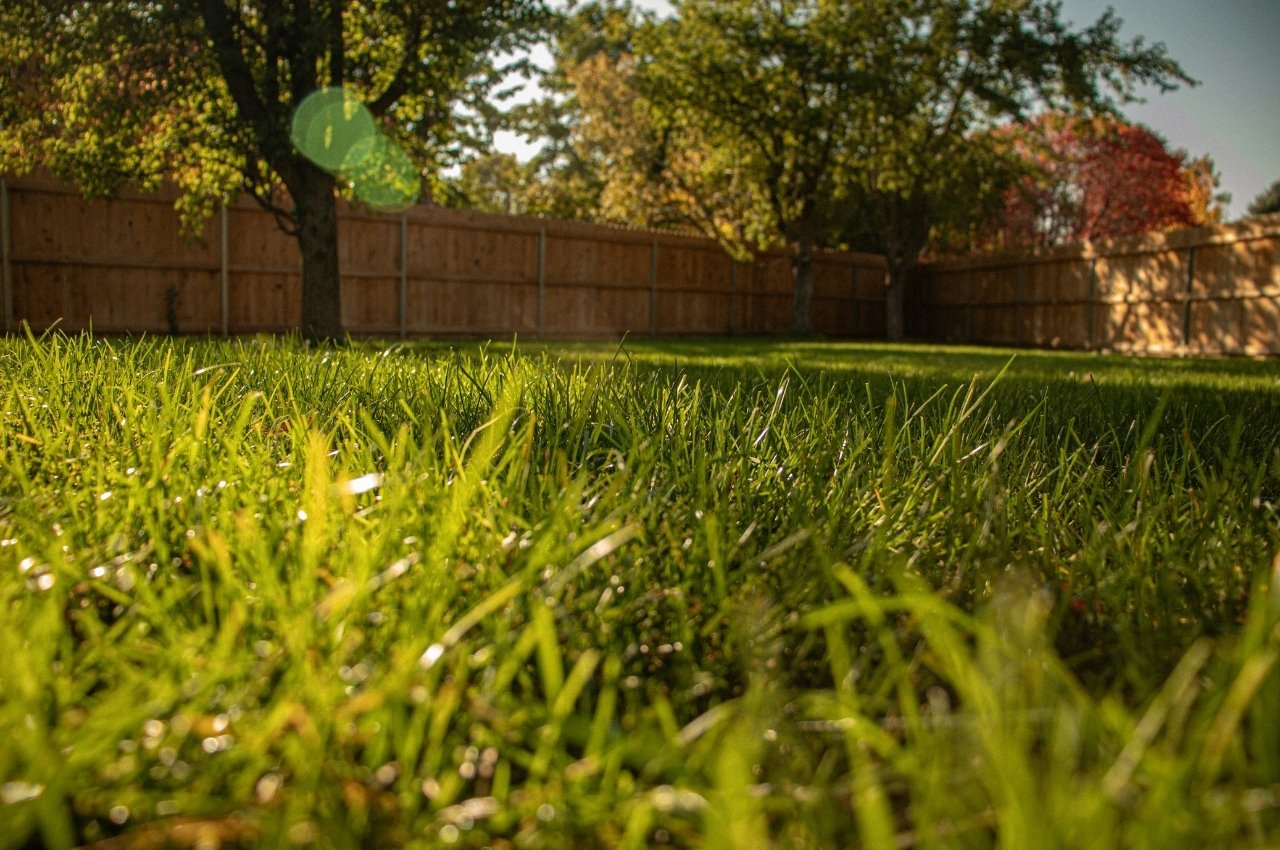
HOAs often enforce uniform lawns, but many states now protect drought-resistant and native landscaping. The Environmental Protection Agency reports that traditional lawns consume nearly one-third of U.S. residential water use. States such as Nevada and California have enacted “water-wise” laws preventing HOAs from penalizing residents who replace grass with xeriscaping or native plants. These measures reduce waste and support local ecosystems. Homeowners challenging outdated landscaping rules are backed by environmental science and legislation, proving sustainability can coexist with neighborhood aesthetics when guided by reason rather than strict conformity.
4. Restrictions on Working from Home

Some HOAs once banned home-based businesses, citing noise and traffic issues, but the growth of remote work changed these regulations. According to the Pew Research Center, over 35 percent of U.S. workers now operate from home regularly. Many states have updated housing laws to protect quiet, digital work that causes no neighborhood disruption. Courts have ruled that telecommuting does not constitute commercial use. As remote work becomes permanent, HOAs have little ground to challenge residents earning their livelihood online. This change reflects modern work realities, replacing rigid definitions of “home use” in residential communities.
5. Prohibition of Outdoor Holiday Decorations
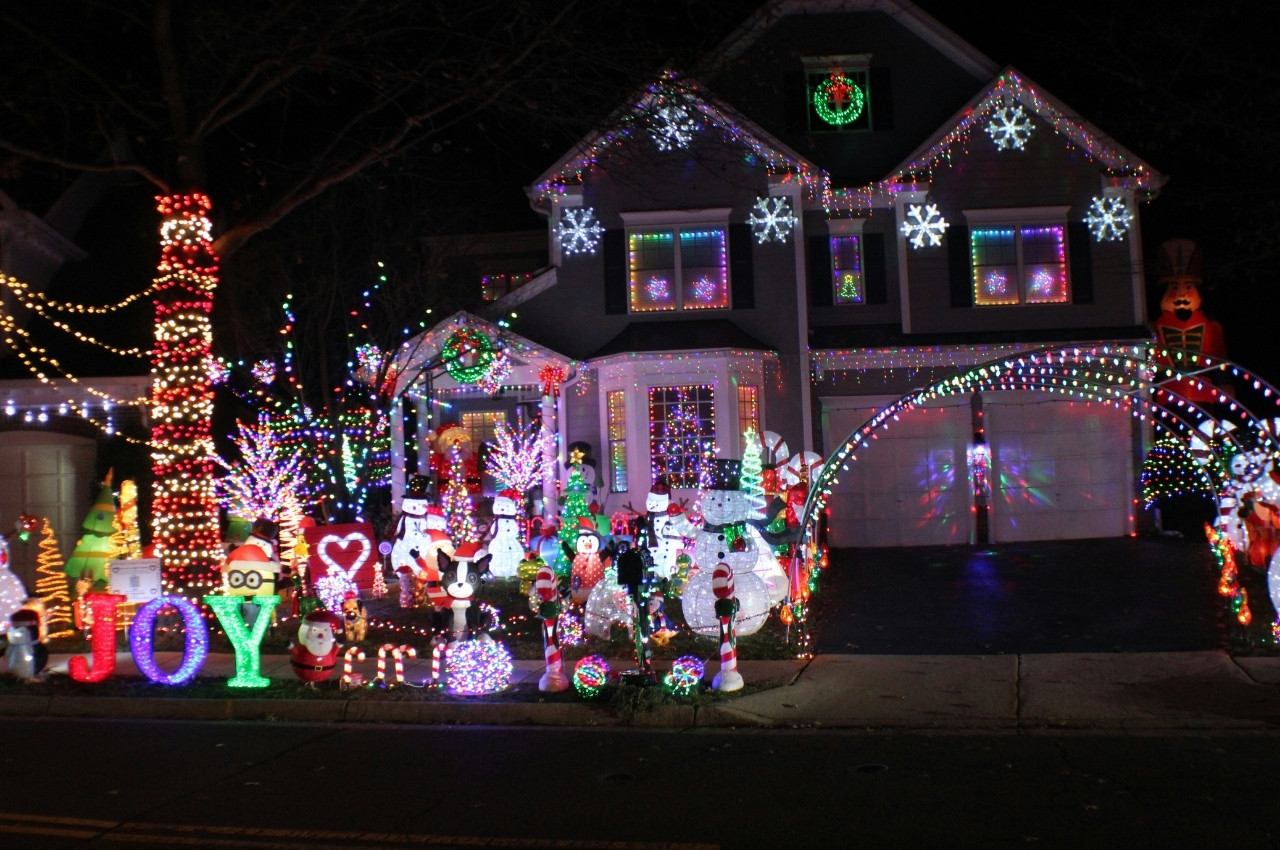
Some homeowner associations attempt to restrict the length of time or the brightness of holiday decorations that homeowners can display. However, courts have found that excessive restrictions can infringe on personal expression. According to FindLaw’s legal database, reasonable time limits are allowed, but outright bans rarely stand in court. Homeowners celebrating cultural or religious holidays are protected by the Fair Housing Act’s provisions on expression. These rulings affirm the right to celebrate traditions freely. As communities diversify, tolerance for individuality has increased, making seasonal decor disputes an outdated relic of overregulation rather than community harmony.
6. Pet Restrictions Without Legal Basis

Many HOAs attempt to enforce limits on pet breeds or sizes, yet such rules often lack enforceable authority. According to the American Kennel Club and local housing ordinances, associations cannot override state animal laws or disability protections. Emotional support and service animals are fully exempt from restrictions under the Fair Housing Act. Even breed-specific bans face increasing legal challenges due to a lack of evidence linking breeds to aggression. Homeowners who know their rights often prevail in disputes, demonstrating how understanding federal and state protections prevents associations from imposing arbitrary animal-related control.
7. Restrictions on Security Cameras
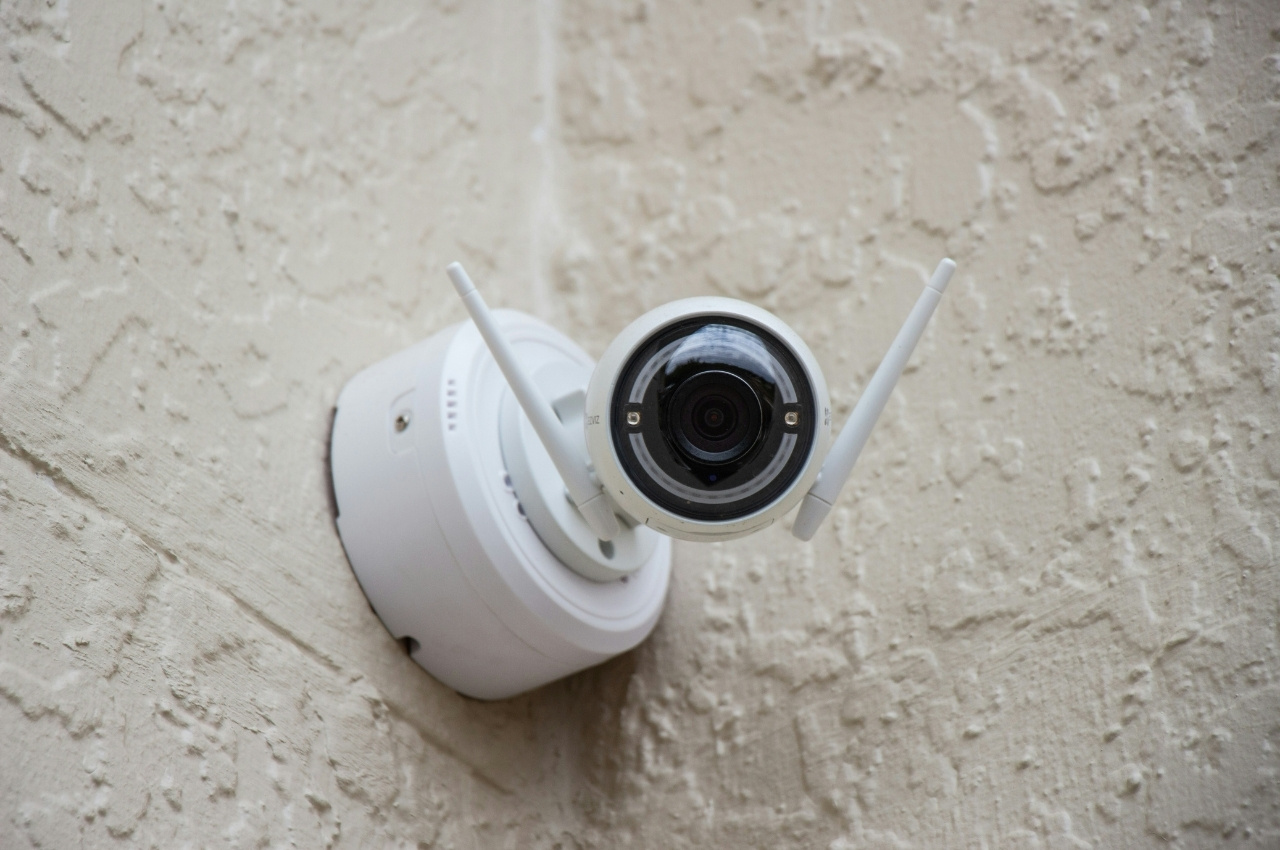
With safety concerns rising, HOAs sometimes prohibit visible security cameras, citing privacy issues. However, according to the National Crime Prevention Council, homeowners have the right to reasonable security measures that do not infringe on others’ privacy. Courts have upheld camera use on personal property, provided they do not capture areas beyond the owner’s boundary. Modern legal precedents emphasize personal safety over aesthetic objections. As home surveillance becomes common, associations restricting cameras face growing backlash from residents prioritizing protection of their families and property over neighborhood uniformity.
8. Limits on Outdoor Furniture and Grills

Some HOAs attempt to micromanage patio setups, limiting furniture styles or banning grills. State consumer protection agencies and Realtor.com claim that these limitations are frequently unenforceable unless they are expressly mentioned in community bylaws that have been approved by a majority vote. Homeowners who challenge arbitrary furniture or grill bans usually succeed when associations lack documented authority. Courts favor reasonable use of private outdoor spaces as long as safety standards are met. These rulings reflect changing expectations for personal enjoyment, highlighting that private property extends beyond walls to include everyday comfort and lifestyle expression.
9. Rules Against Parking in Driveways
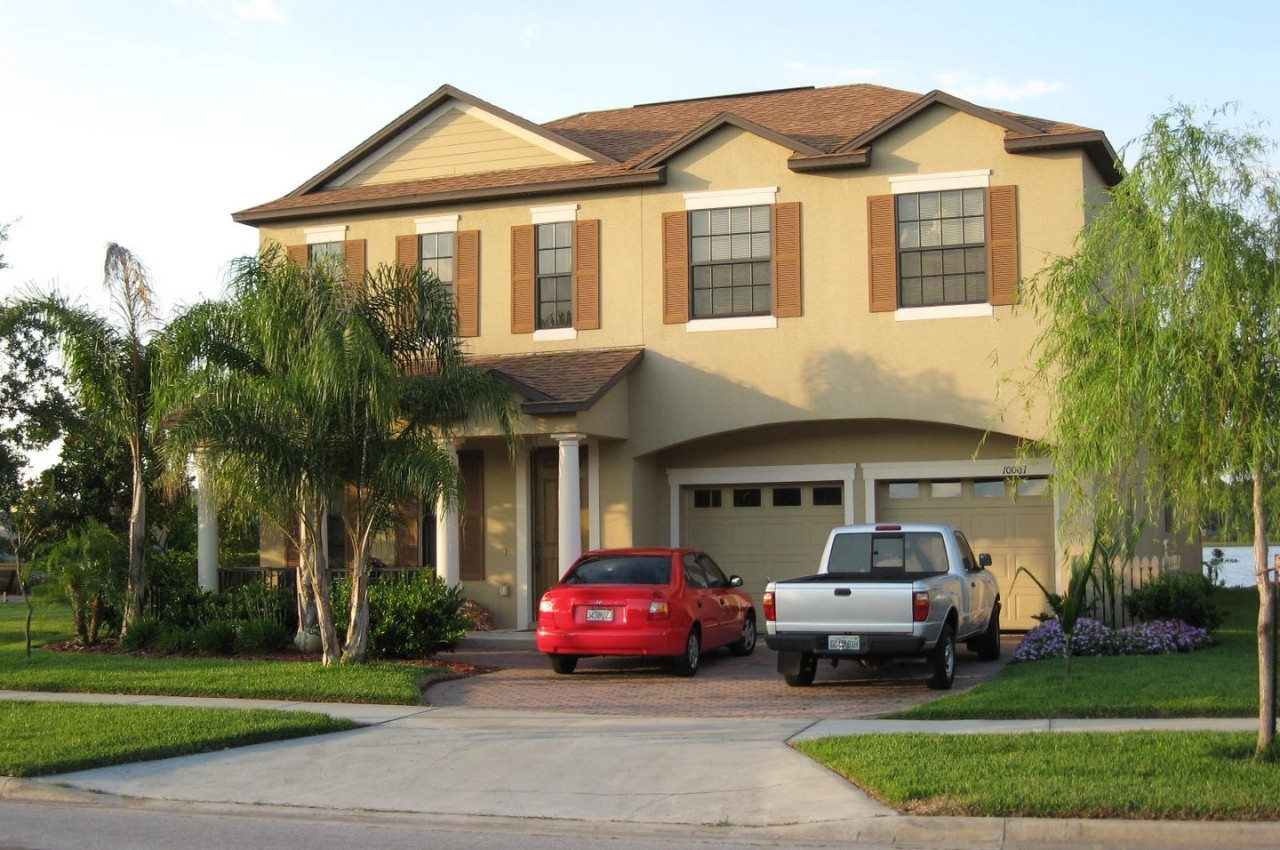
In several communities, HOAs have tried to ban residents from parking in their own driveways overnight. USA Today reports that several state courts have declared these prohibitions unjustifiable in cases where the vehicles are registered and operational. Homeowners have successfully argued that such restrictions overstep association authority. It is regarded as a fundamental right of ownership to park inside personal property lines. While HOAs can regulate street parking or unregistered vehicles, they cannot dictate legal driveway use. This growing resistance marks a broader movement reclaiming autonomy from outdated rules that ignore practical living needs.