
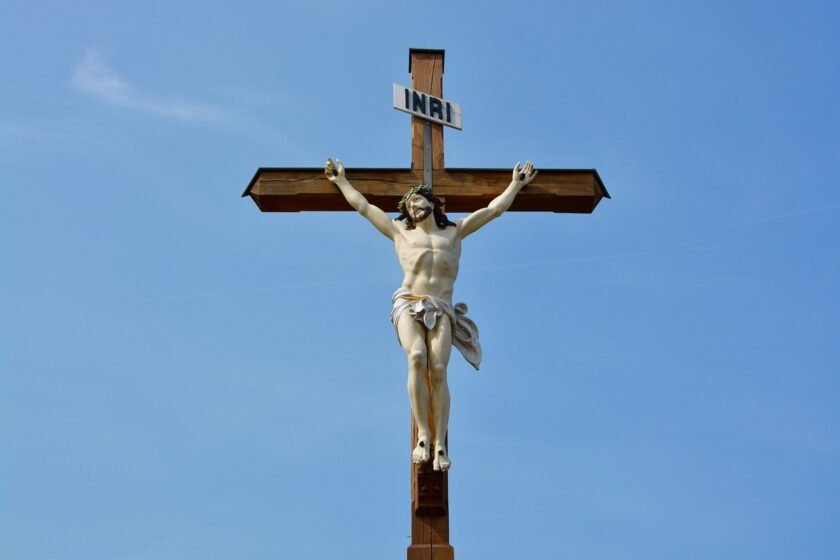
What began as a small, persecuted sect in the Middle East would one day become the most influential faith on Earth, uniting billions under a shared belief. The story of Christianity’s rise is one of endurance, courage, and transformation. From quiet gatherings in Roman homes to grand cathedrals across Europe, its growth was driven by compassion, conviction, and vision. Explore how this humble movement transcended borders and centuries to become the world’s largest religion.
1. A Universal and Inclusive Message

In a world defined by class and cultural barriers, Christianity’s early appeal came from its radical openness. Unlike many religions of its time, it welcomed anyone regardless of gender, ethnicity, or social rank. Its promise of salvation through faith rather than lineage or law resonated deeply with slaves, women, and foreigners. This sense of spiritual equality gave it immense reach, allowing the faith to transcend regional identities and take root across the vast Roman world.
2. Missionary Zeal and Grassroots Growth

Christianity’s rise was fueled by passionate individuals who carried its message far beyond Judea. Missionaries like Paul traveled across the Mediterranean, founding small communities in cities like Corinth, Ephesus, and Rome. These gatherings often met in homes, where ordinary people shared teachings and cared for one another. The combination of personal testimony, moral example, and genuine compassion made the faith spread person to person, creating a resilient network that expanded for centuries.
3. Political Support and the Power of Legitimacy
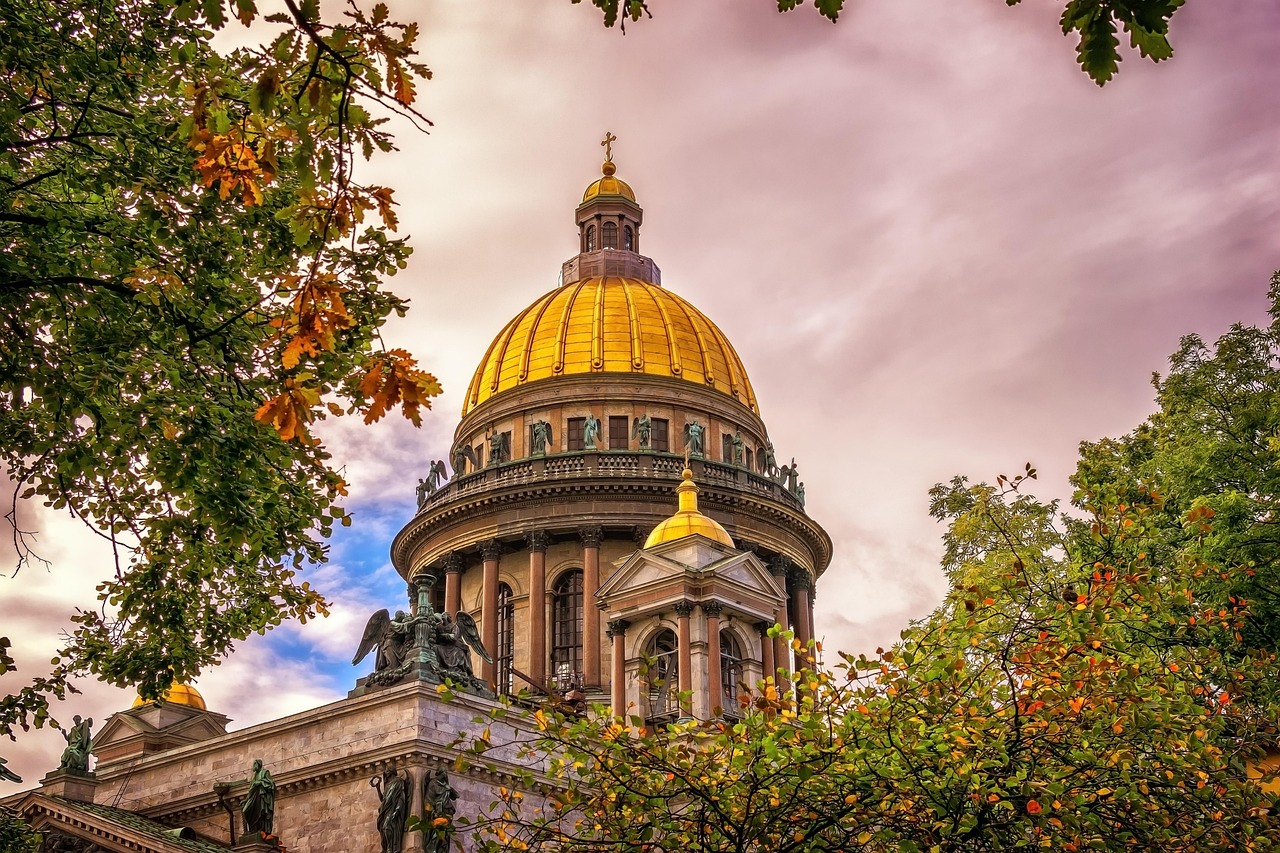
When Emperor Constantine converted to Christianity in the early 4th century, the faith’s trajectory changed forever. His Edict of Milan granted religious tolerance, ending centuries of persecution and opening doors to public worship. State sponsorship meant churches could be built openly and leaders could organize more effectively. What had once been a persecuted minority now gained imperial recognition, and with it, access to influence and resources that accelerated its spread across Europe and beyond.
4. Lowering Religious Barriers
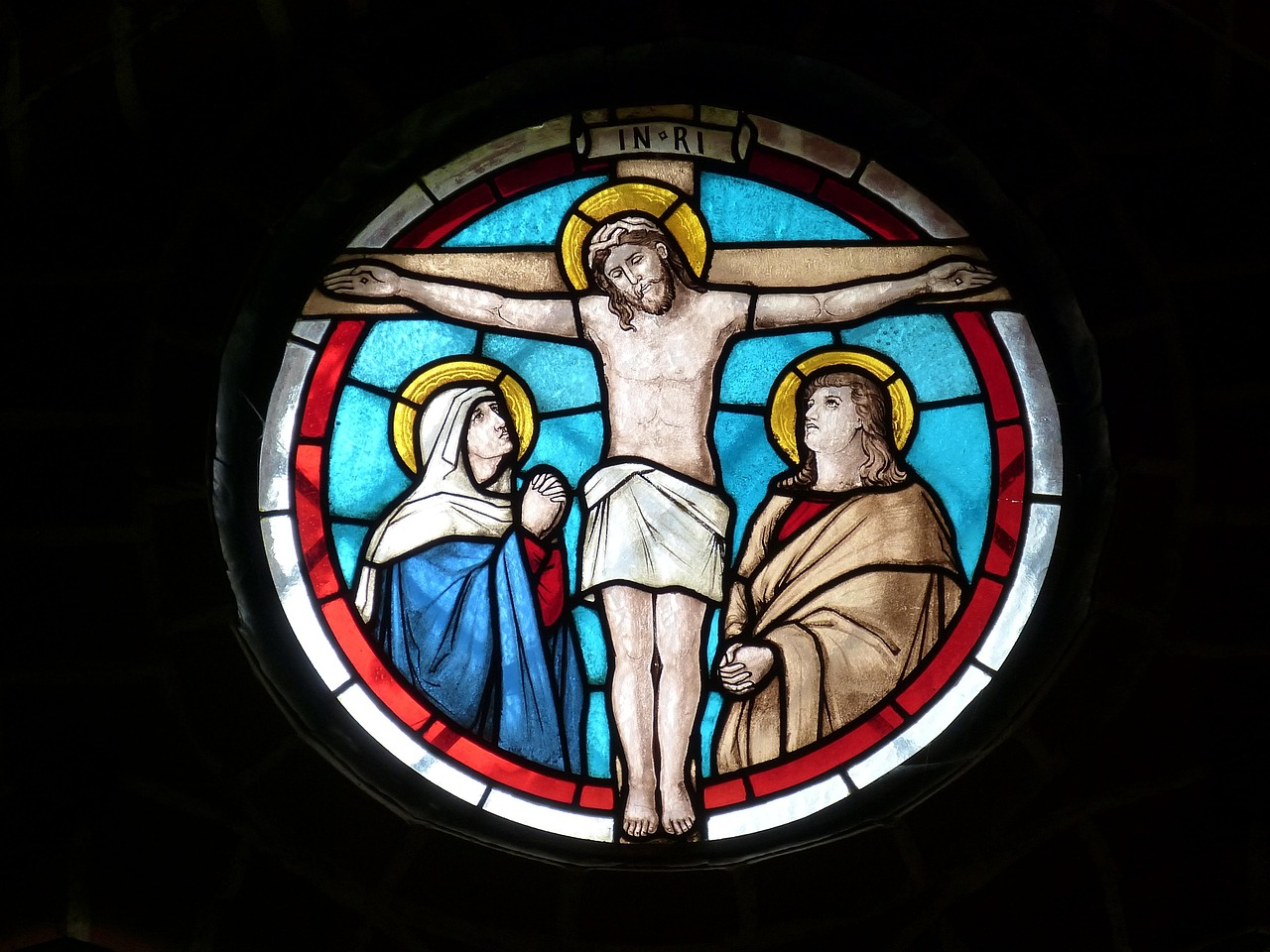
Early church leaders made a pivotal choice that shaped Christianity’s growth: they removed strict adherence to Jewish law for non-Jewish converts. This decision, made at the Council of Jerusalem around 50 CE, freed newcomers from practices like circumcision and dietary restrictions. It was a crucial turning point that allowed the faith to reach Gentiles without cultural barriers. By focusing on belief and moral transformation rather than ritual law, Christianity became accessible to anyone seeking hope and belonging.
5. Speaking the Language of the People

A key reason Christianity spread so efficiently was its use of Koine Greek, the common language of the eastern Mediterranean. This allowed the New Testament writings to be understood by traders, travelers, and common citizens across the Roman Empire. Preachers could communicate clearly, and letters circulated widely among distant communities. The choice of a universal tongue ensured the faith’s teachings weren’t confined to one culture but could resonate with people from every background.
5. The Roman Roads and Empire Networks

The Roman Empire unknowingly laid the groundwork for Christianity’s expansion. Its vast network of well-maintained roads, stable borders, and shared governance made travel safer and communication faster. Missionaries could move freely from one province to another, carrying letters, ideas, and teachings with unprecedented ease. The same system that unified the empire politically helped knit early Christian communities together, turning local gatherings into an interconnected movement stretching across continents.
6. Strength Through Persecution
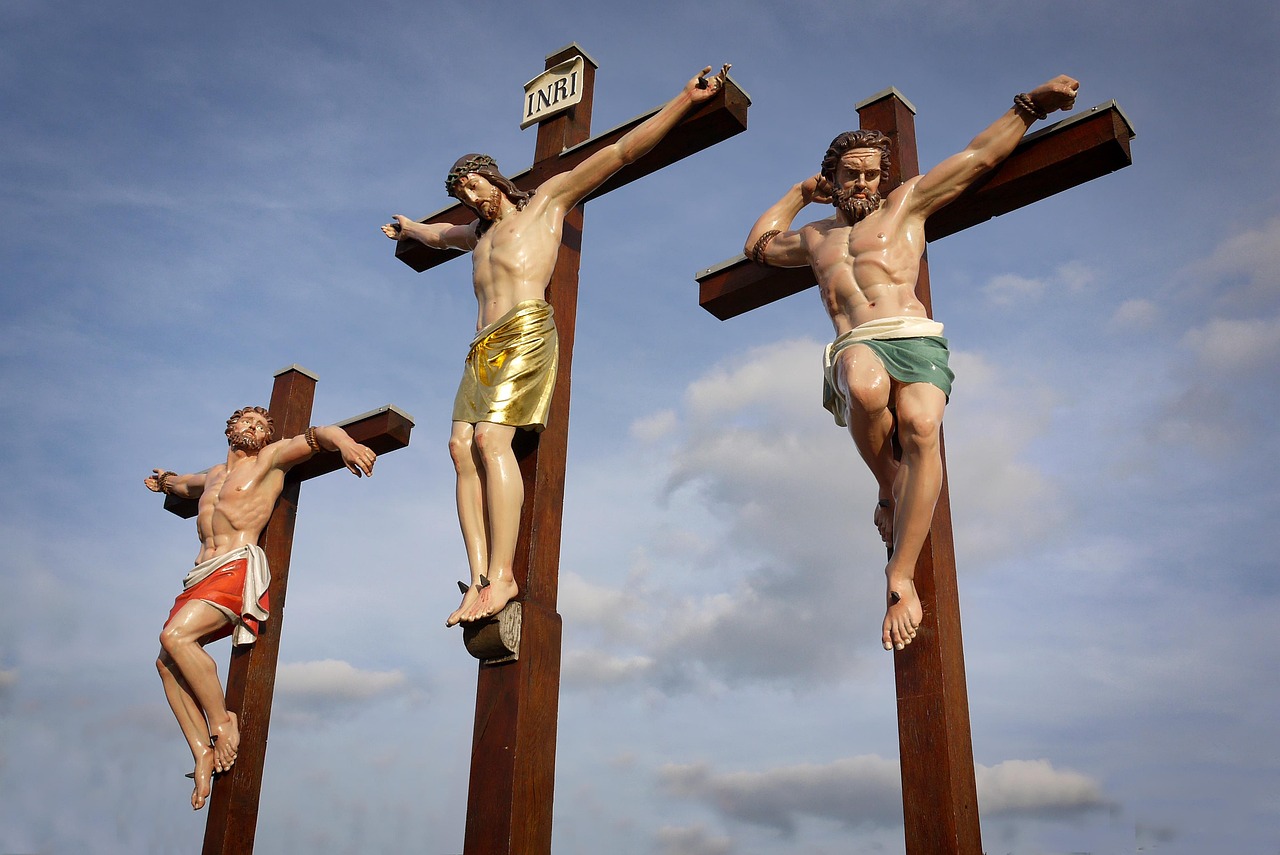
Rather than silencing believers, persecution often strengthened their resolve. The courage of early martyrs who faced execution rather than deny their faith inspired admiration among onlookers. Their stories spread through letters and oral accounts, becoming symbols of conviction and hope. The willingness to endure suffering for a higher cause gave Christianity a moral power few could ignore. What began as a tragedy often turned into testimony, converting hearts even in the face of brutal oppression.
7. Steady Growth Across Generations

Christianity’s expansion was not only about conversions but also about continuity. Families raised children in the faith, communities supported one another, and traditions solidified over time. Scholars estimate early growth at roughly three percent per year, slow but relentless. This steady increase, combined with active evangelism, turned small clusters of believers into thriving populations. The faith’s endurance through centuries of change shows how consistent, generational commitment can quietly reshape the world.