

Airline staffing shortages are reshaping flight availability across the global aviation industry. After the pandemic, airlines faced an uneven recovery where passenger demand returned faster than the workforce needed to support it. Pilots, flight attendants, ground handlers, and air traffic controllers are all essential to daily operations, yet shortages in any one group can disrupt entire schedules. Airlines that once offered multiple daily flights on popular routes are now consolidating services or removing them altogether. This situation affects not only leisure travelers but also business passengers, tourism economies, and cargo movement. Safety regulations require minimum staffing levels, so airlines cannot simply operate flights without sufficient crew. As a result, reliability has become as important as capacity. Understanding how staffing shortages influence flight availability helps passengers set realistic expectations and explains why disruptions continue despite strong travel demand.
Causes of Airline Staffing Shortages
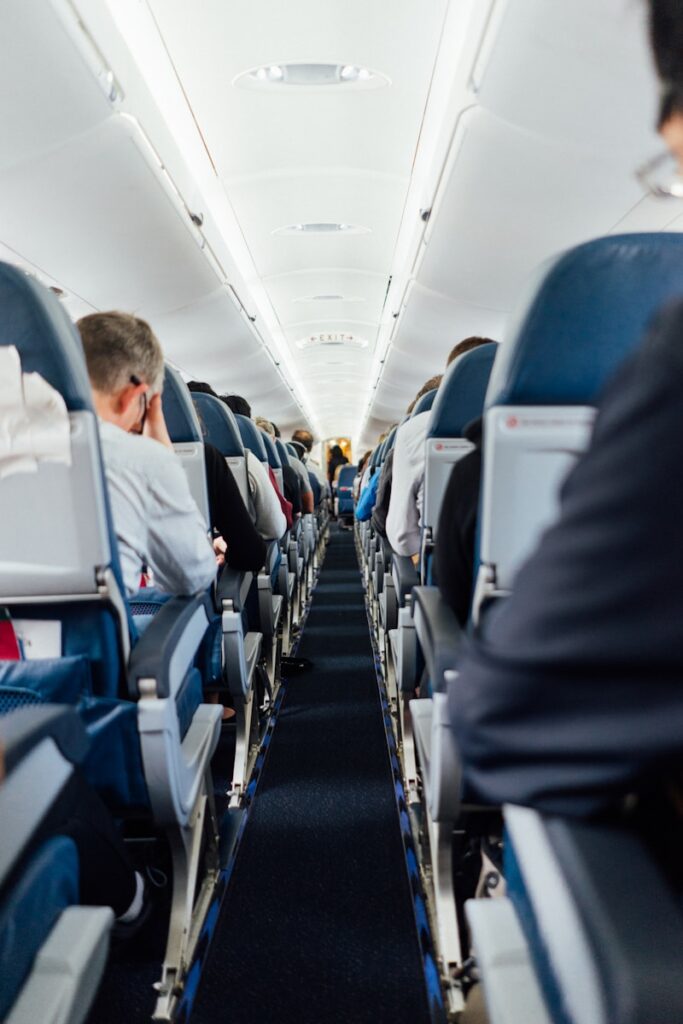
Airline staffing shortages are the result of several overlapping factors that developed over time. During the pandemic, many experienced workers accepted early retirement or left the industry due to uncertainty and financial pressure. Hiring and training programs were reduced, creating gaps that became visible when travel demand rebounded. Pilot and crew training takes years, so airlines cannot replace staff quickly. Stricter safety, duty time, and rest regulations also limit how much existing staff can work. In addition, rising training costs, certification requirements, and competition from other industries make recruitment more difficult. Geographic preferences for crew bases further complicate staffing. Together, these factors reduce operational flexibility and leave airlines vulnerable to disruptions.
Impact on Flight Schedules and Availability
Staffing shortages directly affect how many flights airlines can operate and how reliable those flights are. Carriers often reduce flight frequencies, suspend smaller routes, or limit seasonal services to concentrate staff on high-demand markets. When crews or air traffic controllers are unavailable, flights may be delayed or canceled at short notice. This creates crowded alternative flights and fewer rebooking options for passengers. Airports also feel the impact as delayed departures cause gate congestion and missed connections. Even when aircraft are available, flights cannot depart without fully qualified crews. As a result, the overall number of seats offered decreases, making tickets harder to find and sometimes more expensive.
How Airlines and Regulators Are Responding

Airlines and regulators are taking several steps to manage staffing shortages while maintaining safety standards. Many airlines proactively reduce their published schedules to create more recovery time between flights and avoid cascading delays. Others reassign aircraft, merge flights, or temporarily close less profitable routes. Regulators may impose flight caps at busy airports to reduce congestion and protect safety margins. To rebuild capacity, airlines are increasing recruitment, offering incentives, reopening training facilities, and investing in simulators. Some carriers are also adjusting crew bases and improving scheduling systems. These measures help stabilize operations, but long training timelines mean full recovery will take time.
What Passengers and Businesses Should Expect

Passengers and businesses should expect continued variability in flight availability while staffing shortages persist. Travelers may see fewer flight choices, tighter schedules, and a higher chance of last-minute changes. Booking early, choosing flexible fares, and allowing longer connection times can reduce stress. Businesses that depend on air travel or cargo should plan for delays and build extra time into schedules. Airlines will continue adjusting routes and frequencies based on staffing levels, not just demand. While conditions may gradually improve as hiring expands, the effects of current shortages will likely be felt for several years, making flexibility and preparation increasingly important.
Keep reading on The WiC Project Lifestyle Blog & Miriam’s Boutique: Home Goods, Beauty, & Fashion Store