
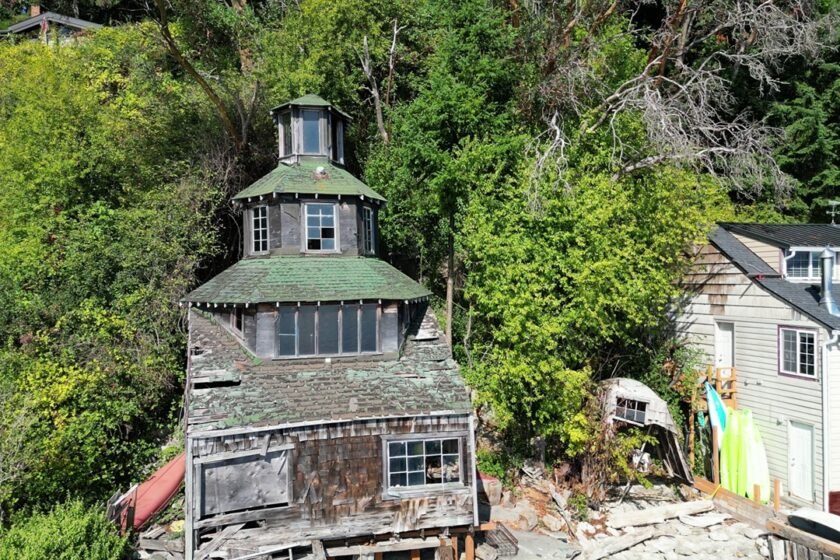
Coastal century homes were built not just for beauty but for resilience. Positioned along shorelines where hurricanes, strong winds, and salty air pose constant threats, these homes were designed with durable materials, elevated foundations, and storm-resistant features.
The craftsmanship of these homes reflects a deep understanding of coastal conditions, allowing them to stand for generations despite the elements.
Architectural Features Built for Storm Resistance

Elevated Foundations to Prevent Flooding
One of the most distinctive features of coastal century homes is their elevated foundations. Built on piers, pilings, or raised masonry platforms, these homes were lifted above potential flood levels, reducing the risk of water damage during hurricanes or high tides. This design was particularly common in Lowcountry homes, Creole cottages, and beachfront bungalows, where flooding was a frequent concern.
The open space beneath the house also helped to reduce wind resistance, allowing storm surges and high winds to pass underneath rather than push against solid walls. Some homes featured breakaway walls, which could detach during severe storms to prevent structural collapse.
Durable Materials That Resist Salt and Moisture
Coastal homes were often built with rot-resistant woods like cypress and cedar, which naturally withstand moisture and salt exposure. Brick, stone, and stucco were also widely used, as they held up better against humidity and coastal storms than traditional wooden siding.
For roofing, metal roofs became a common feature in coastal homes, as they were more durable against high winds than traditional shingles. Over time, materials such as terra cotta tiles and slate were also used, adding both aesthetic appeal and weather resistance.
Hurricane-Resistant Windows and Shutters
Early coastal homes lacked modern storm windows, so builders relied on wooden shutters and reinforced window frames to protect against flying debris and heavy winds. These shutters were more than decorative—they were functional storm barriers that could be closed tightly to shield the home during hurricanes.
In some regions, Bahama shutters and louvered shutters were popular, as they allowed for airflow while still providing protection. Later, as glass manufacturing improved, multi-pane windows with thick muntins were used to reduce the risk of breakage from high winds.
Wide Porches and Deep Overhangs for Cooling and Protection
Many coastal homes featured wraparound porches, deep overhangs, and elevated balconies, which served multiple purposes. These shaded outdoor spaces protected the home’s interior from direct sun exposure, helping to keep it cool in the summer months. They also acted as wind buffers, redirecting strong coastal breezes away from main living areas.
Homes in hurricane-prone areas often had reinforced porch columns and railings, ensuring they could withstand strong winds. Some homes even incorporated partially enclosed porches, offering protection from both wind-driven rain and salt spray.
Adapting to Coastal Living and Salt Air

Resistant Hardware and Fasteners
One of the biggest threats to coastal homes is salt corrosion, which can weaken nails, screws, and hinges over time. To combat this, builders used galvanized, brass, or stainless-steel fasteners, which were far less prone to rust and degradation. Even door handles, window latches, and locks were chosen for their ability to withstand salty air.
Ventilation and Airflow to Reduce Moisture
Coastal regions are known for high humidity, which can lead to mold, mildew, and wood rot. To combat this, century homes were designed with large windows, open floor plans, and elevated construction to encourage natural airflow. Many homes featured transom windows above doors and louvered vents, which allowed warm air to escape while drawing in cooler ocean breezes.
Wooden walls and ceilings were often treated with lime-based whitewash, which provided a natural mildew-resistant coating. Additionally, some homes had attic vents or cupolas, improving air circulation and preventing moisture buildup in upper levels.
Simple, Functional Floor Plans for Easy Repairs
Unlike ornate city mansions, many coastal homes were designed with practical layouts that made storm recovery and repairs easier. Walls were often built using interlocking wood paneling, allowing damaged sections to be replaced without major structural changes.
In some cases, homes included detachable awnings, lightweight roofing materials, and easily accessible crawl spaces, making post-storm repairs more manageable. This approach ensured that even after hurricanes, coastal homes could be quickly restored rather than completely rebuilt.
Final Thoughts
Century homes along the coast were built to endure harsh weather conditions while maintaining their charm and livability. Through elevated foundations, reinforced materials, storm-resistant windows, and strategic airflow, these homes have withstood generations of hurricanes and salt-laden winds. Their enduring design serves as a testament to the ingenuity of early builders who crafted homes to not only survive but thrive in coastal environments.