

The German army during World War II was fueled not just by strategy and weapons, but by the widespread use of stimulants. Historians and military records reveal that soldiers were regularly supplied with performance-enhancing drugs designed to fight fatigue and extend combat readiness. According to the German Historical Institute, millions of doses of methamphetamine were distributed under the brand name Pervitin, reshaping how the Wehrmacht fought prolonged battles. The use of drugs played a hidden but decisive role in sustaining operations, raising questions about ethics, human endurance, and the cost of such practices.
Pervitin and the Blitzkrieg Strategy
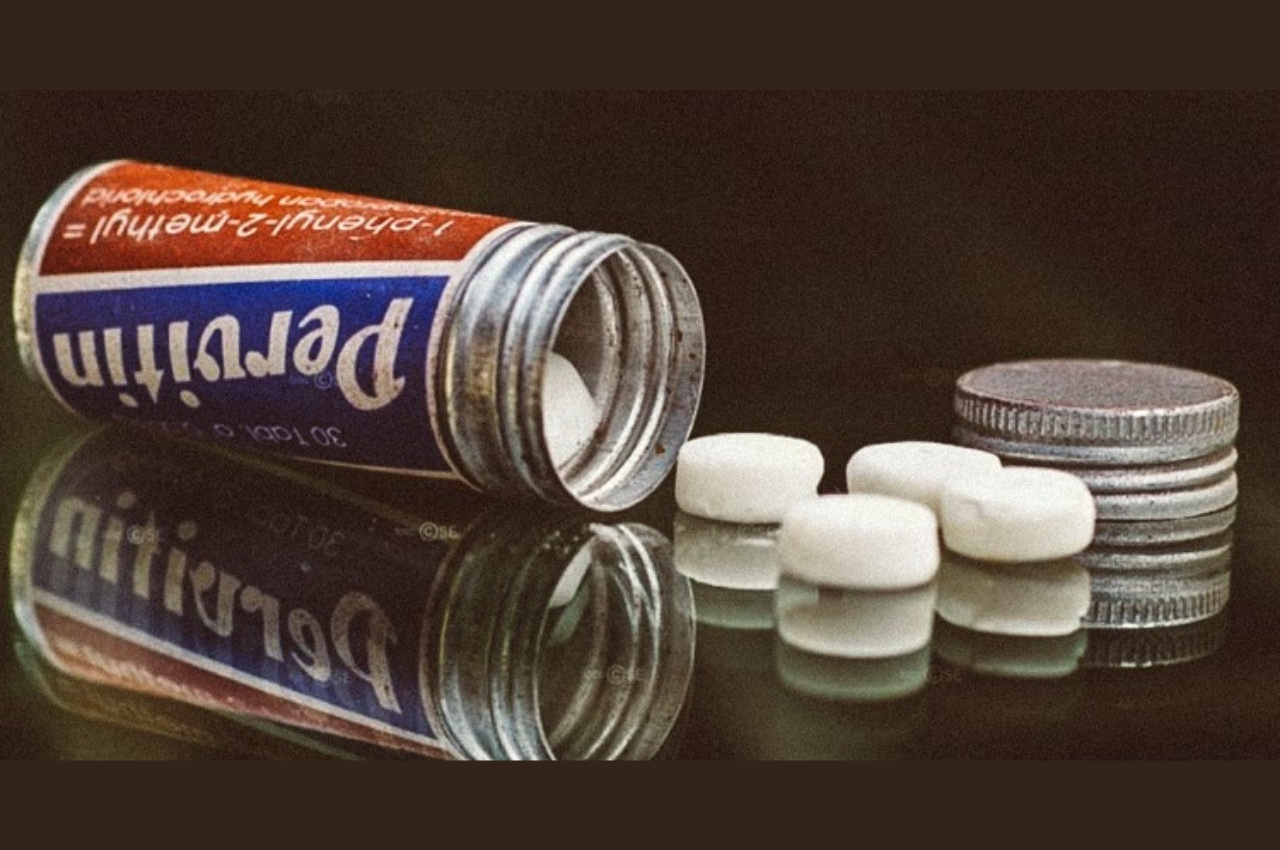
One of the most infamous drugs given to German soldiers was Pervitin, a methamphetamine tablet introduced in 1938. It was widely distributed to troops before and during invasions, particularly during the Blitzkrieg campaigns. According to research published in the Journal of Contemporary History, soldiers consumed Pervitin to stay awake for days, allowing rapid advances with minimal rest. Commanders praised its ability to sustain fighting spirit, but it also caused dependency and dangerous side effects. The drug became so embedded in military planning that it was considered as critical as ammunition in some campaigns.
Medicalization of Warfare
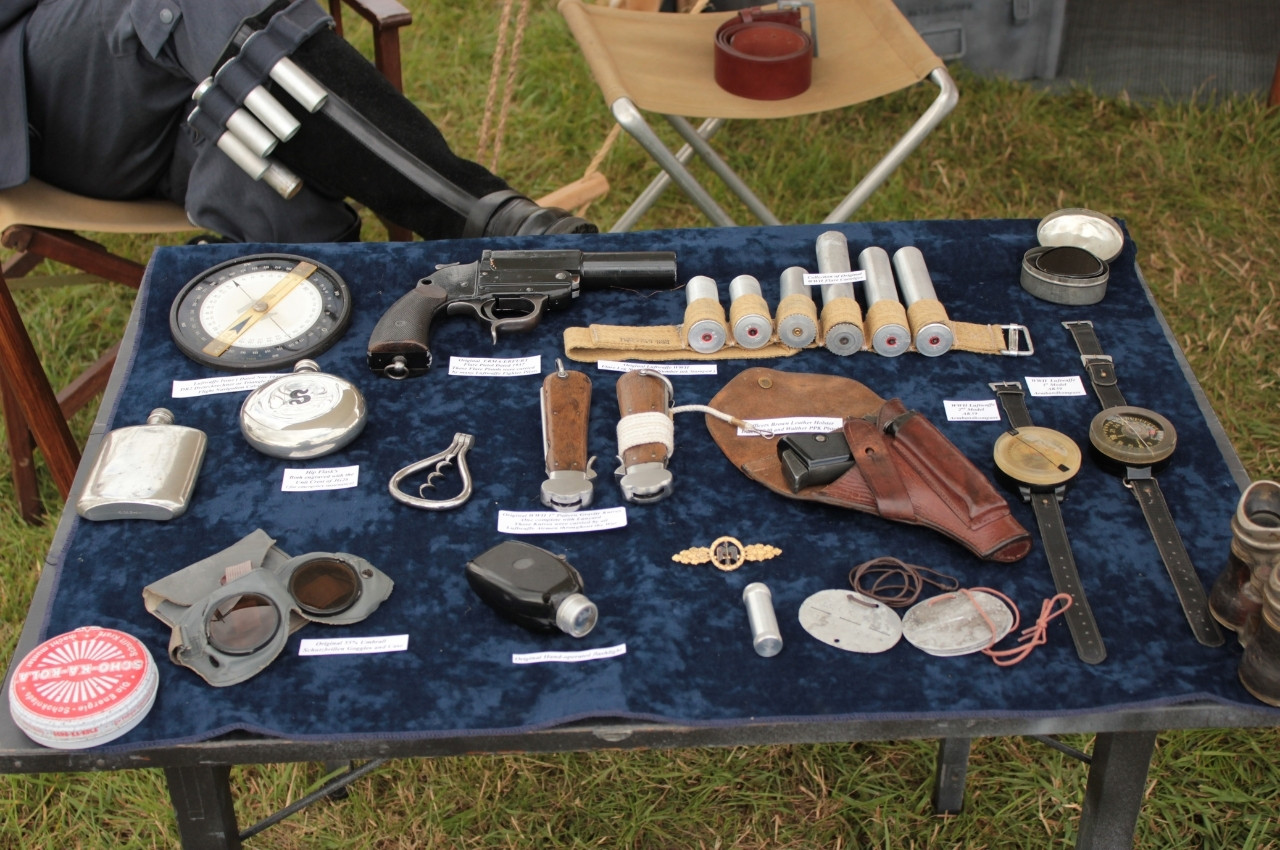
The use of drugs within the German military was not limited to Pervitin. Medical officers experimented with various stimulants and painkillers to maintain troop efficiency under extreme stress. According to the Bundesarchiv records, German doctors promoted drug use as a form of “medical support for modern war.” This approach blurred the lines between treatment and enhancement, normalizing chemical dependence among soldiers. By medicalizing endurance and alertness, the Wehrmacht institutionalized drug reliance, making it a cornerstone of strategy rather than an occasional remedy. Such practices left lasting health consequences for thousands of veterans after the war.
Impact on Soldier Performance
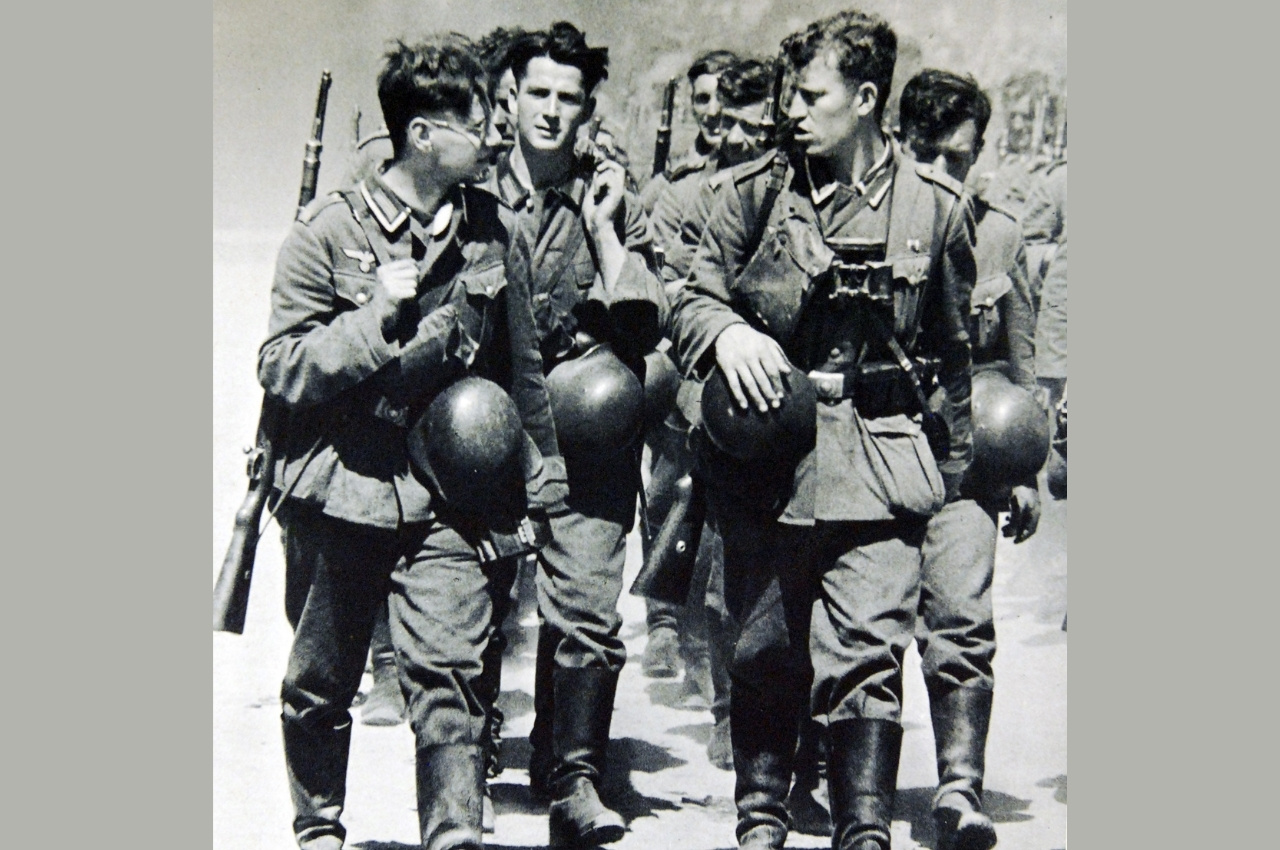
The immediate impact of stimulant use was undeniable. Soldiers reported feeling invincible, alert, and able to push through exhaustion in ways that defied natural limits. According to historian Wolf Kemper, some divisions covered distances in days that normally required weeks. However, this came at a cost: paranoia, hallucinations, and erratic behavior were common after prolonged use. Accounts in German military archives describe cases of soldiers collapsing after withdrawal or committing reckless acts in combat. While drugs temporarily enhanced fighting capacity, they also increased unpredictability on the battlefield, with devastating consequences.
Endorsement by Nazi Leadership
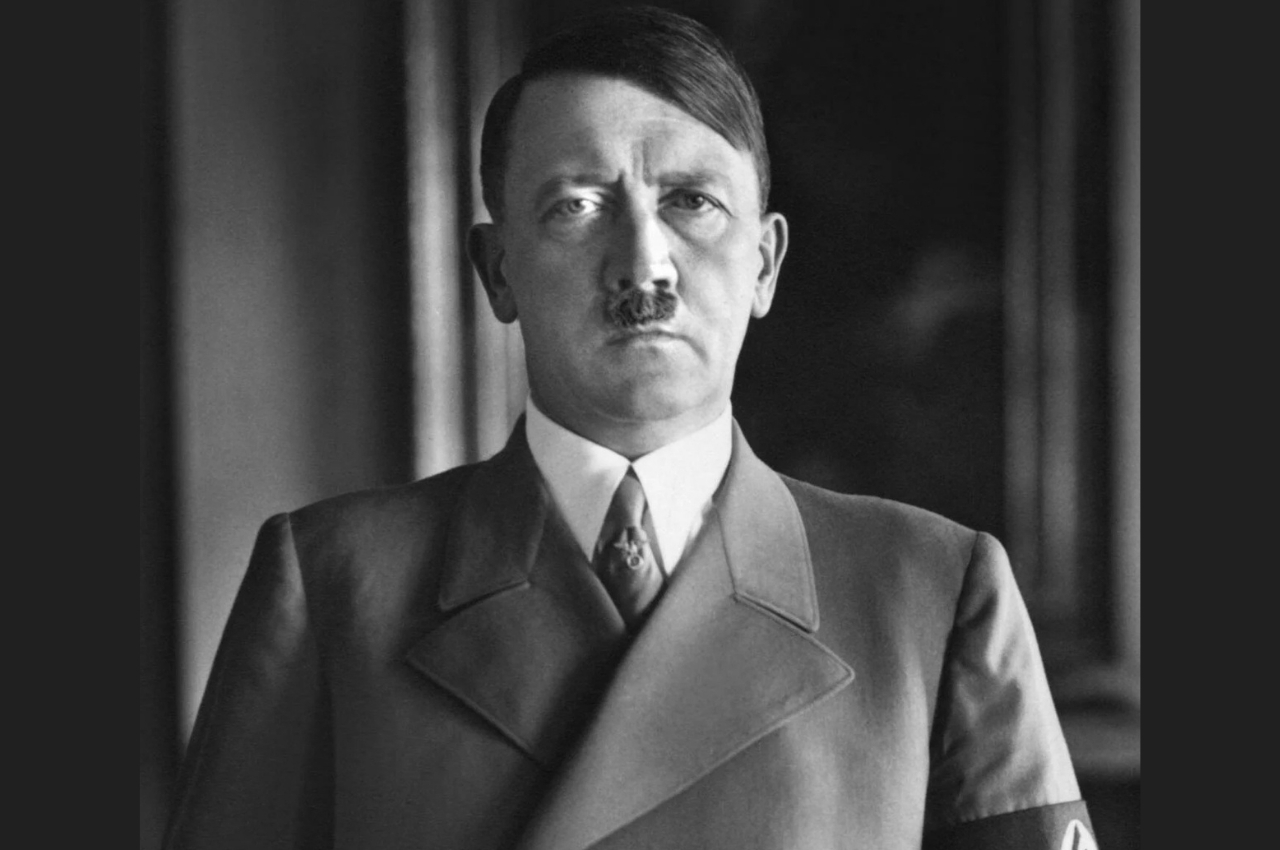
Nazi leadership not only approved drug use but also encouraged its widespread application across the Wehrmacht. Adolf Hitler himself reportedly relied on a cocktail of injections from his personal physician, Theodor Morell, which included amphetamines and opioids. According to the book Der totale Rausch by Norman Ohler, the regime saw chemical enhancement as a tool of ideology, reflecting the obsession with superhuman strength. Military high command distributed Pervitin in enormous quantities, viewing it as essential to sustaining the illusion of unstoppable momentum. Leadership endorsement normalized the practice, embedding it into wartime culture.
Civilian Use and Home Front Impact
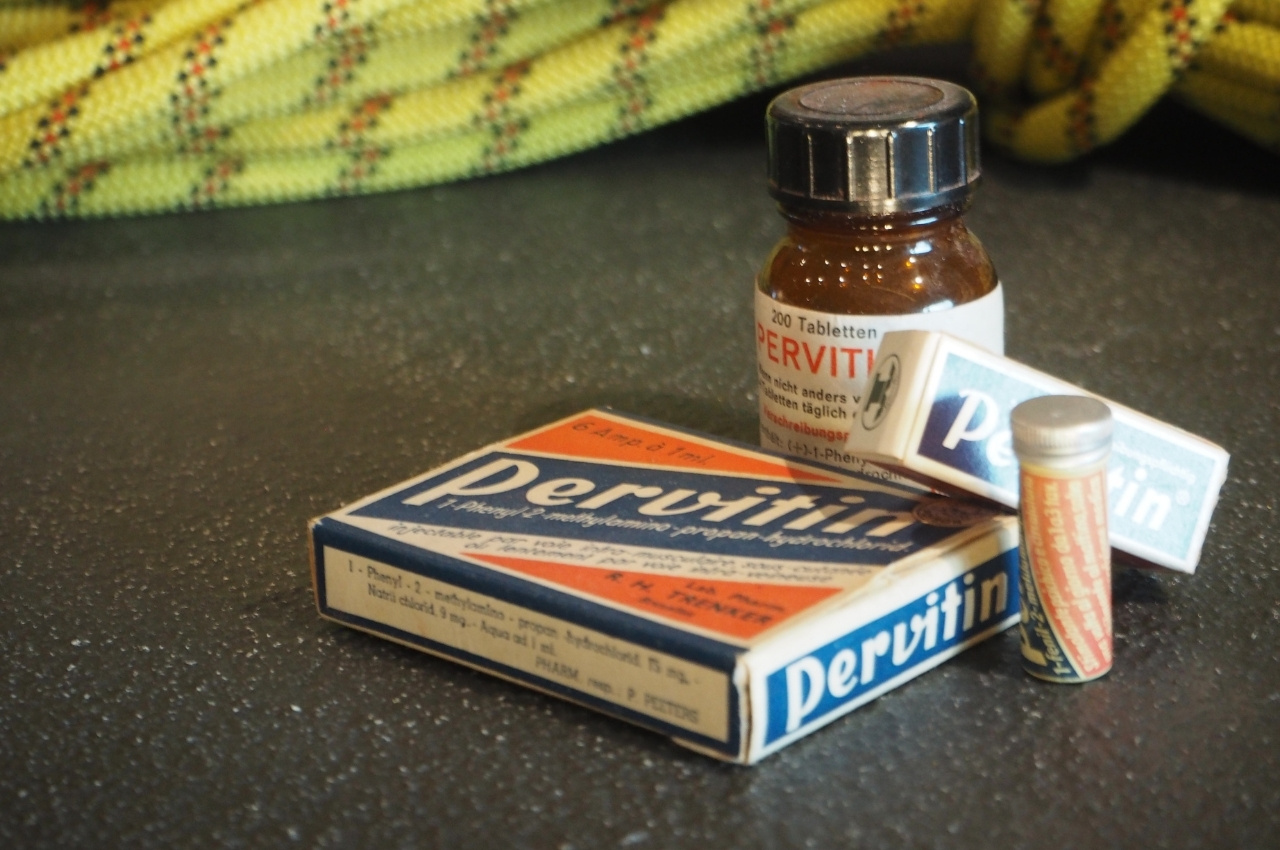
Drug use extended beyond the front lines, as Pervitin was also marketed to German civilians as an everyday pick-me-up. Advertisements promoted it as a remedy for housewives, truck drivers, and factory workers who needed energy for long hours. According to German pharmaceutical records, millions of tablets circulated on the civilian market before authorities restricted access. The widespread civilian reliance mirrored the military’s dependence, turning methamphetamine into a normalized part of German life. This overlap between military and civilian consumption blurred boundaries, revealing how deeply stimulants permeated Nazi society during the war.
Long-Term Consequences
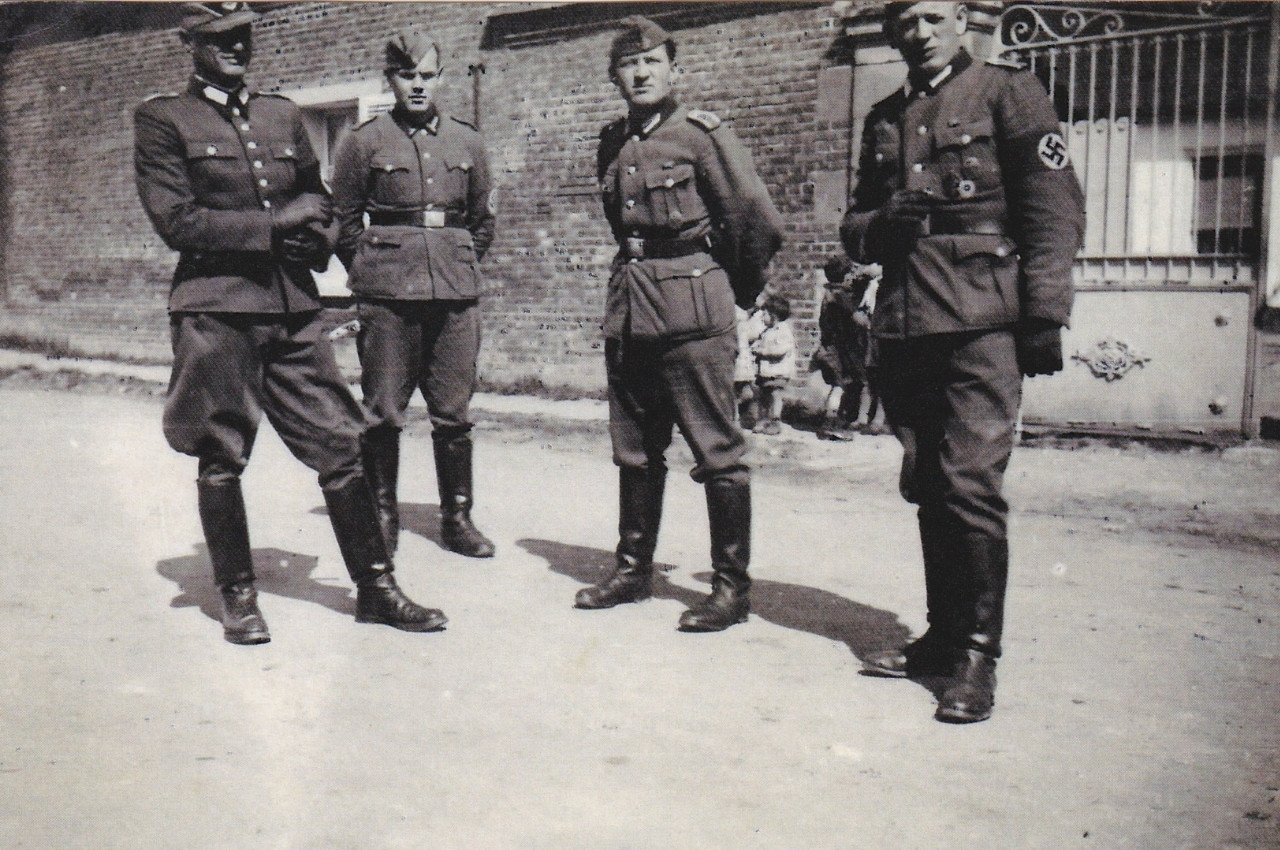
While stimulants helped sustain military campaigns in the short term, the long-term damage was severe. Veterans often returned with lasting addictions, physical damage, and psychological trauma. According to postwar medical studies in Germany, former soldiers struggled with withdrawal, depression, and cardiovascular problems linked to drug use. The reliance on stimulants also distorted strategic decision-making, as leaders assumed soldiers could endure conditions beyond human limits. This short-sighted approach underestimated the toll on manpower, contributing to exhaustion and collapse in later stages of the war. The human cost of chemical warfare outlived the conflict itself.
Legacy of Chemical Warfare
The German military’s reliance on stimulants highlighted a darker legacy of modern warfare: the integration of drugs into combat operations. According to the German Historical Institute, Pervitin’s use influenced postwar debates on performance-enhancing substances in both civilian and military contexts. Allied intelligence documented the practice, prompting research into chemical endurance aids during the Cold War. While the Nazis lost the war, the precedent they set continued shaping military medicine and ethical debates. The story of drug use in the Wehrmacht remains a cautionary tale about the dangerous intersection of science, warfare, and ideology.