


Music streaming has altered family life in subtle but meaningful ways. Unlike earlier eras shaped by radio schedules or physical albums, streaming platforms give constant access to personalized sound. This shift has changed how families discover music, share preferences, and experience listening together. Background music now follows daily routines rather than special moments. Children and adults encounter vastly different musical worlds under the same roof. These changes are quiet, gradual, and rarely discussed, yet they are reshaping how music fits into modern family culture.
Families No Longer Listen to the Same Music by Default

Streaming platforms have made it easy for each family member to live inside a personalized music bubble. Parents and children no longer rely on the same radio stations or shared albums. Headphones and individual accounts allow constant separation of taste. This reduces friction but also reduces shared discovery. Music becomes private rather than communal. Families are noticing fewer moments where everyone recognizes the same song. The shared soundtrack that once defined households is slowly fragmenting.
Background Music Has Replaced Intentional Listening

Streaming encourages music to exist constantly in the background. Playlists follow cooking, studying, cleaning, and relaxing without demanding attention. While this adds comfort, it changes how families engage with music emotionally. Songs are consumed passively rather than intentionally. Fewer moments are set aside to sit and listen together. Music becomes atmosphere instead of focus. This shift alters how families remember music, attaching it to routines rather than moments.
Children Discover Music Without Adult Mediation

Streaming platforms allow children to explore music independently at younger ages. Algorithms introduce songs without parental filtering or explanation. This accelerates exposure but removes context. Parents may not know what their children are listening to or why they like it. Discovery happens privately rather than through family sharing. This changes how musical taste is formed and discussed. Music becomes less of a teaching moment and more of a personal identity marker.
Playlists Have Replaced Old Albums
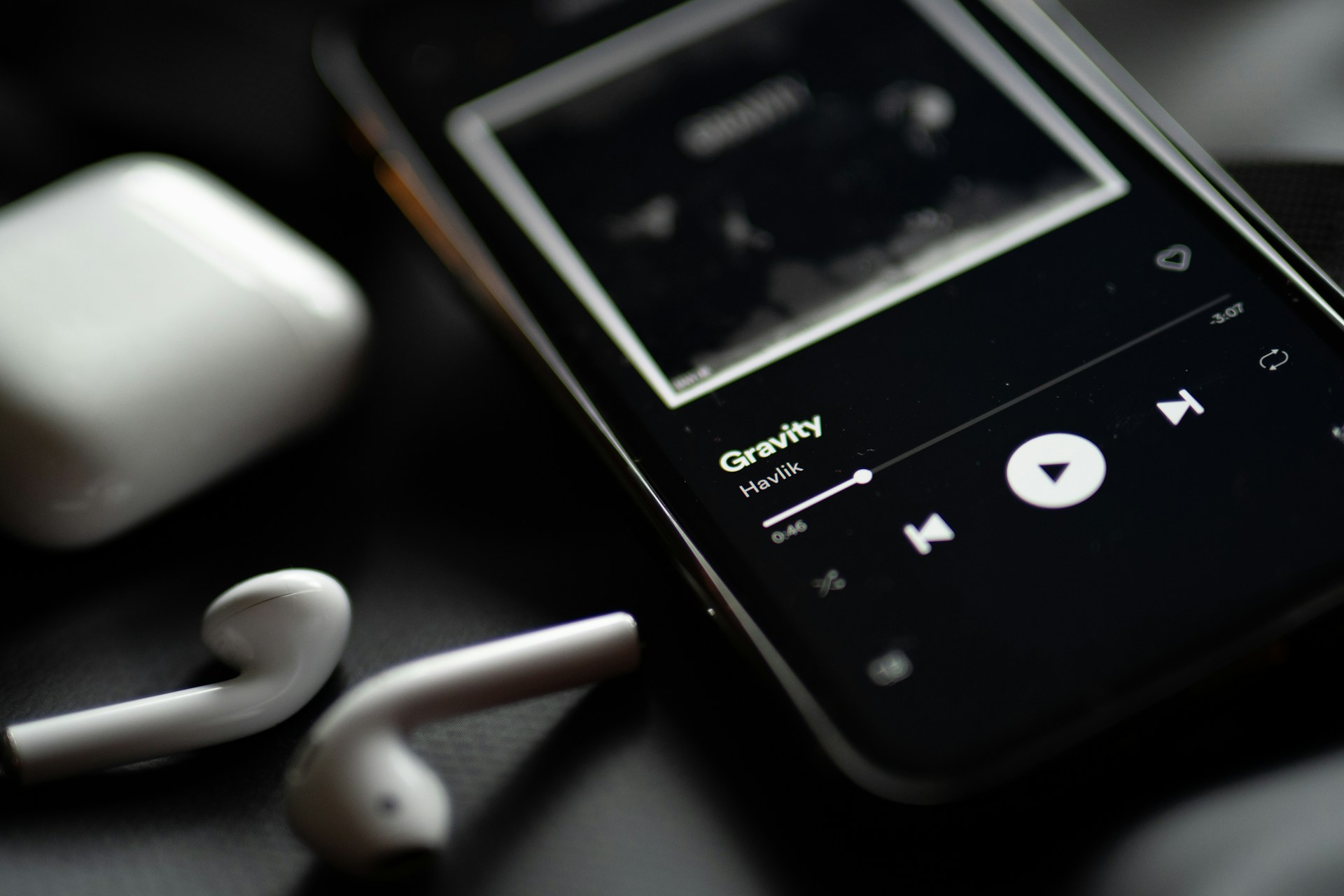
Albums once structured listening experiences, giving families a shared beginning and end. Streaming favors playlists that shuffle songs endlessly. Families recognize moods rather than artists or albums. This changes how music is remembered and discussed. Children may know individual songs without knowing where they came from. The concept of listening together from start to finish is fading. Music becomes modular rather than narrative within the family setting.
Car Rides No Longer Guarantee Shared Listening

Car rides were once one of the last shared listening spaces for families. Streaming has changed that dynamic. Individual devices and Bluetooth switching allow different preferences to take turns rather than blend. Families move between personal playlists instead of settling on a common station. While this reduces conflict, it also limits shared musical memory. The car becomes a rotating jukebox rather than a collective experience. Over time, families lose a subtle but meaningful space where music once created connection through repetition and familiarity.
Algorithms Shape Nostalgia Across Generations
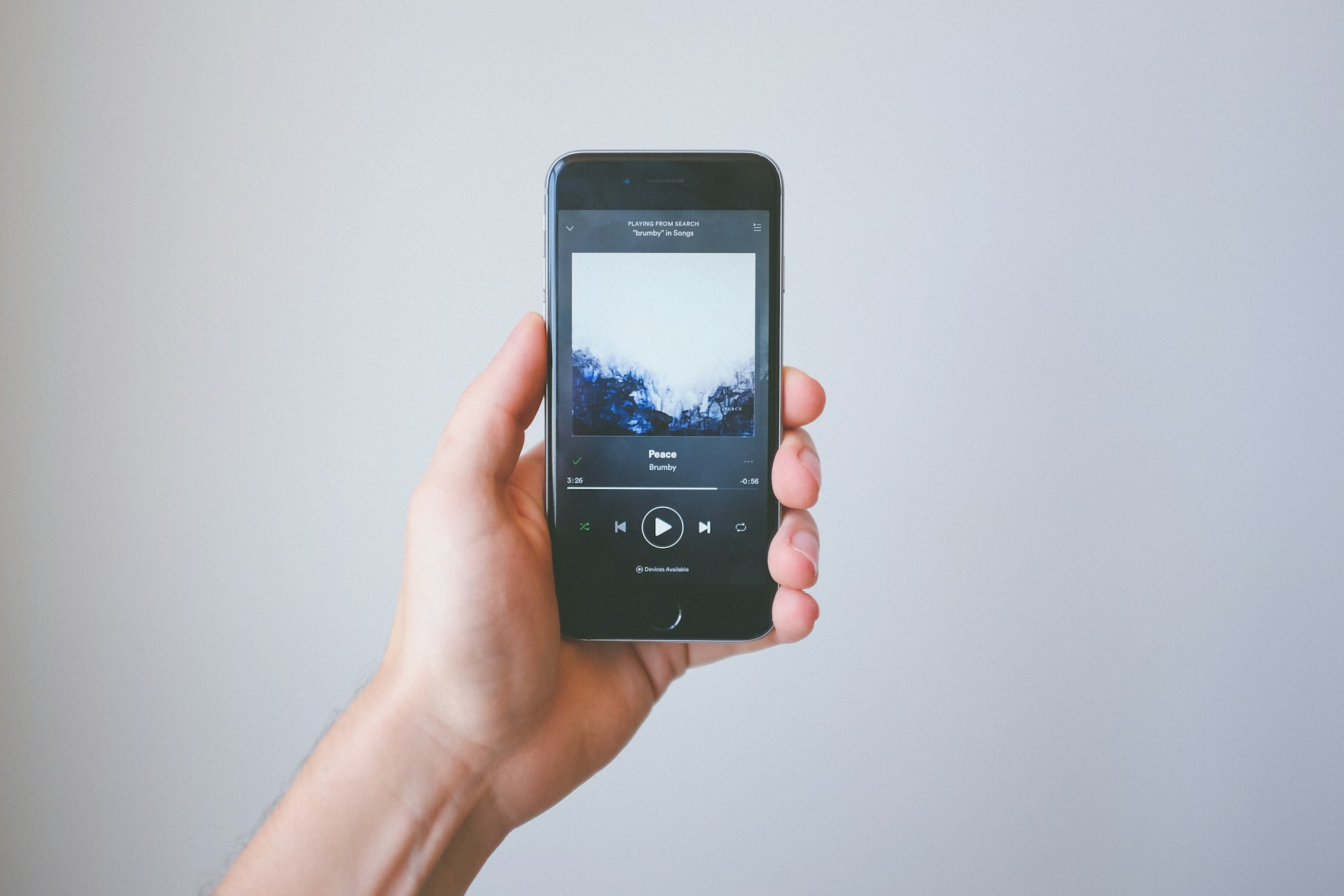
Streaming algorithms surface familiar songs based on listening history, quietly shaping nostalgia. Parents hear music from their youth reintroduced through playlists, while children form nostalgia earlier through repeated exposure. This creates parallel emotional timelines rather than shared ones. Families feel comforted by familiar sounds but rarely discuss them together. Nostalgia becomes individualized rather than collective. The emotional role music once played in bridging generations now operates quietly and separately within the same household.
Encourages Individual Branding of Music Taste

Music once helped define a family’s shared identity through favorite artists, concerts, or albums. Streaming encourages individual branding of taste instead. Family members are less likely to associate music with the household as a whole. Instead, playlists reflect personal mood and identity. While this supports self expression, it weakens shared cultural reference points. Music still matters deeply, but its role in shaping family identity is becoming more fragmented and individualized.
Music streaming has not removed music from family life. It has redistributed it. Listening has become constant, personalized, and less communal. Families gain convenience and choice, but lose some shared moments without noticing. These changes unfold quietly, shaping memory, identity, and connection over time. Understanding this shift allows families to be more intentional if they want music to remain a shared experience rather than just a background presence.