
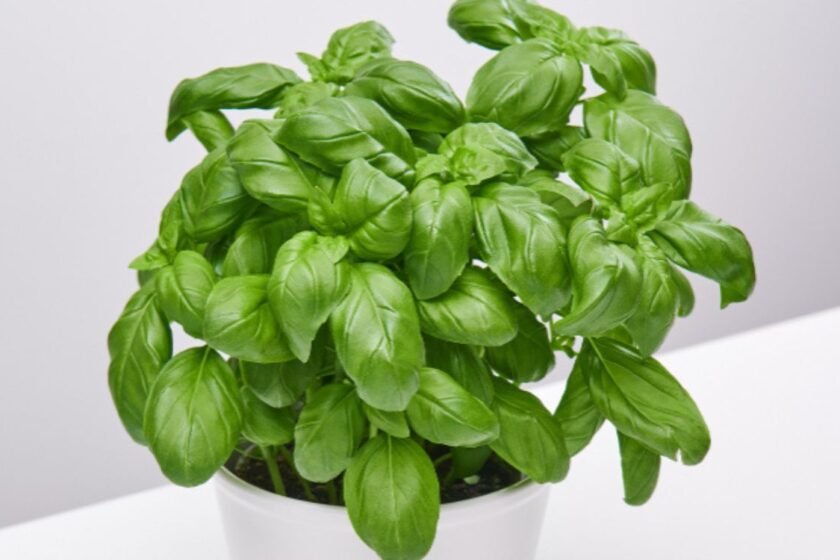
Vertical high-angle photo of a charming plant in a white vase resting on a white surface.
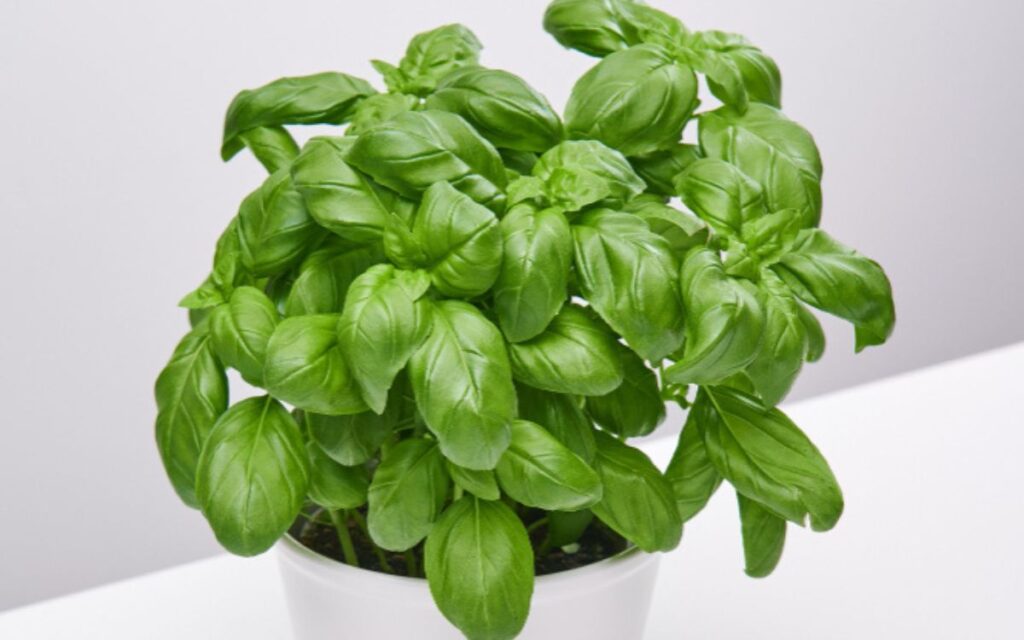
Fresh basil introduces bright flavor to meals, yet it wilts and loses aroma quickly if not stored correctly. Using proper methods, you can keep it vibrant, fragrant, and flavorful for up to a week. Whether you keep stems in water like a bouquet on the counter or wrap washed leaves for refrigeration, these simple tips help you savor every leaf, cut waste, and maximize the value of each basil bunch.
Room Temperature Jar Method
Fresh basil plants growing in glass jars
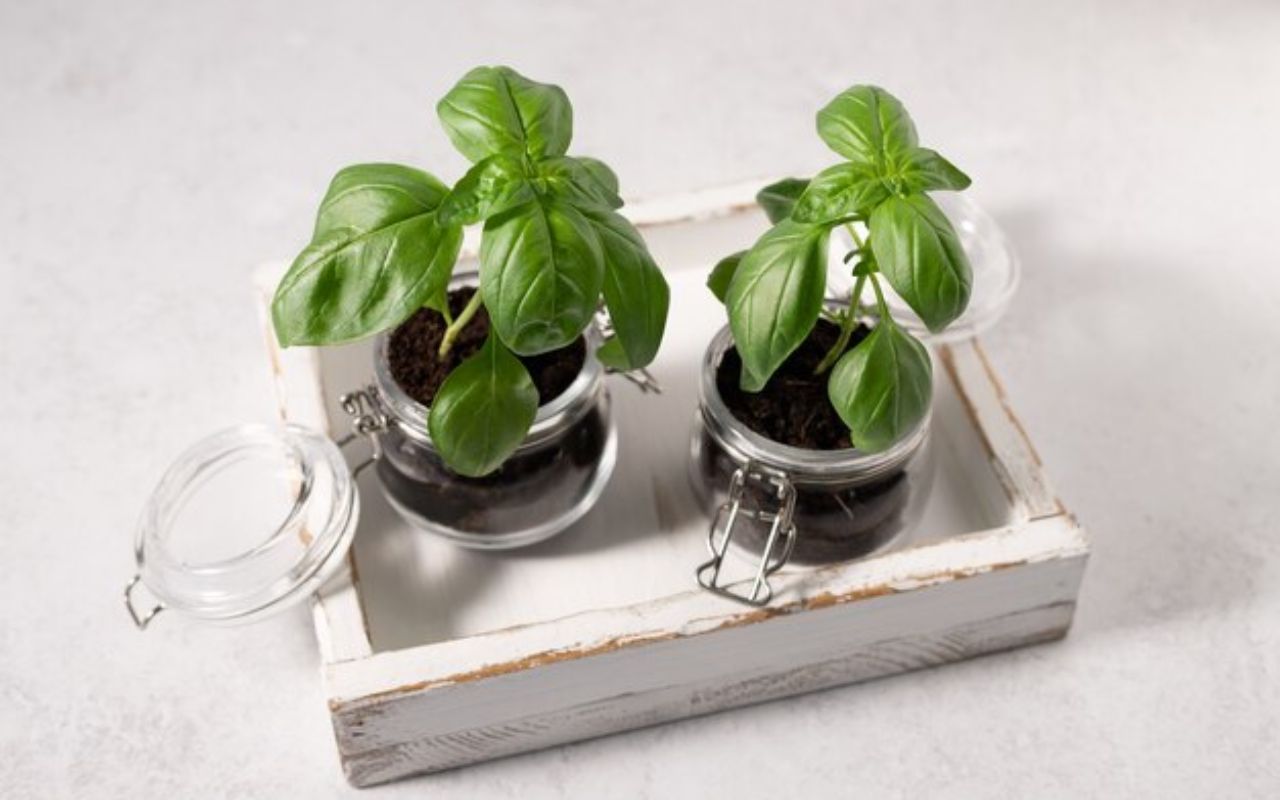
Handle basil like fresh-cut flowers. Trim a bit off the stem ends and set them in a jar with 1–2 inches of clean water. If desired, loosely cover with a plastic bag and keep away from direct sunlight on the counter. Change the water and re-trim the stems every few days to keep the basil looking lively, smelling fragrant, and tasting freshly picked for up to a week.
Fridge-Ready Basil Leaves
Fresh basil leaves on a wooden cutting board
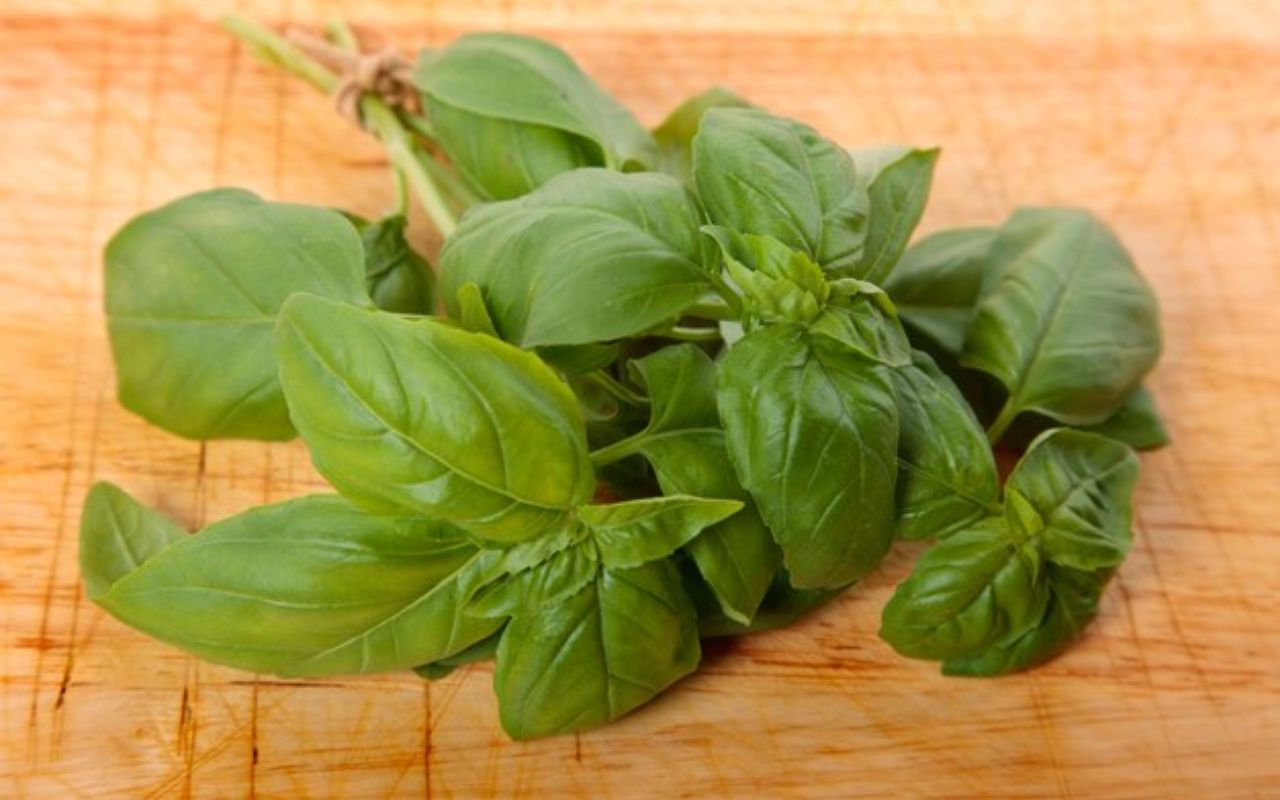
When storing only basil leaves, rinse gently and dry completely. Lay them on a paper towel, roll to absorb any remaining moisture, then place the roll inside a partially closed bag or airtight container and refrigerate. Replace the towel every few days to reduce sliminess, and plan to use within about a week; note that basil is prone to chilling injury in the cold, so quality may decline faster than sturdier herbs.
Avoid Long Refrigeration
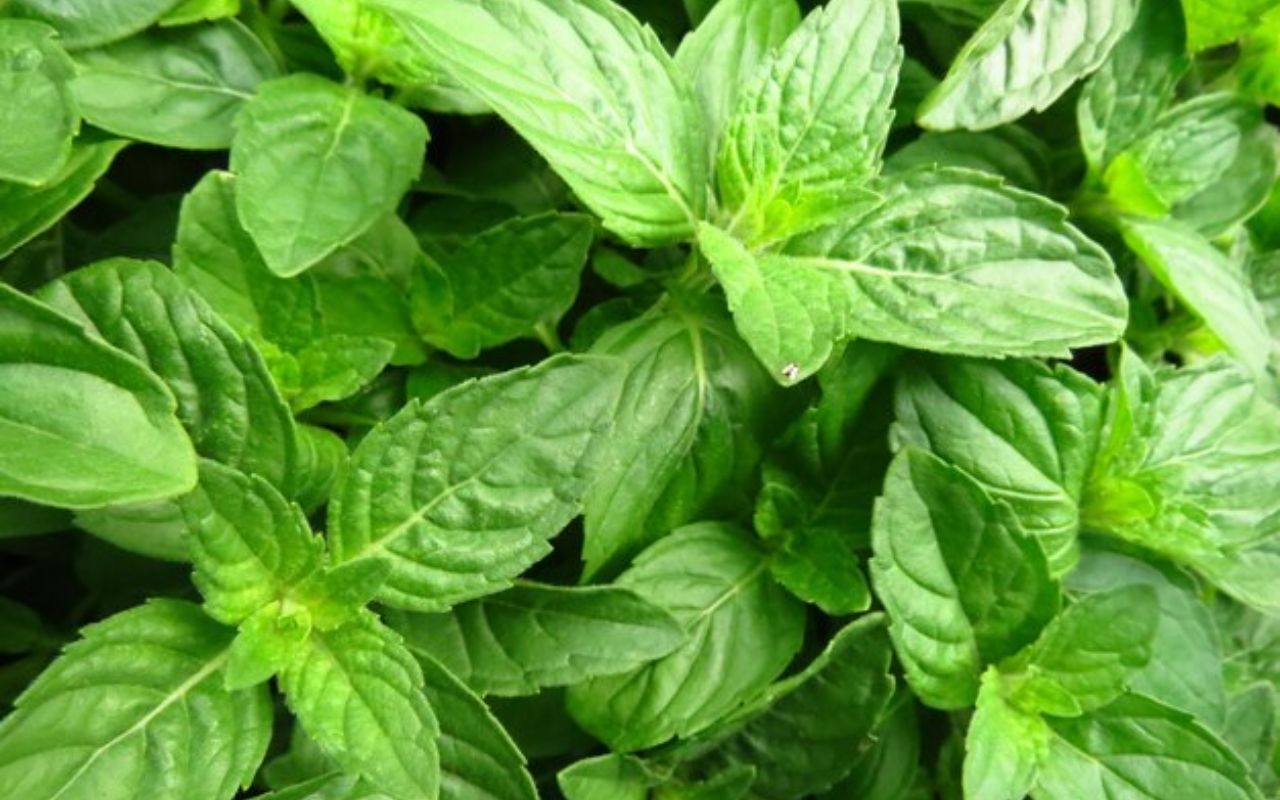
Fresh green mint leaves close-up
Basil doesn’t tolerate the cold well. Prolonged time in the fridge can lead to browning, blackening, or limp leaves due to chilling injury. If you must refrigerate, use well-dried leaves with the paper-towel method and aim to use them within a week. For whole stems, room-temperature storage in water is usually the better option to preserve color, aroma, and sweet flavor until you’re ready to use.
Check for Spoilage
Fresh basil leaves with slight discoloration
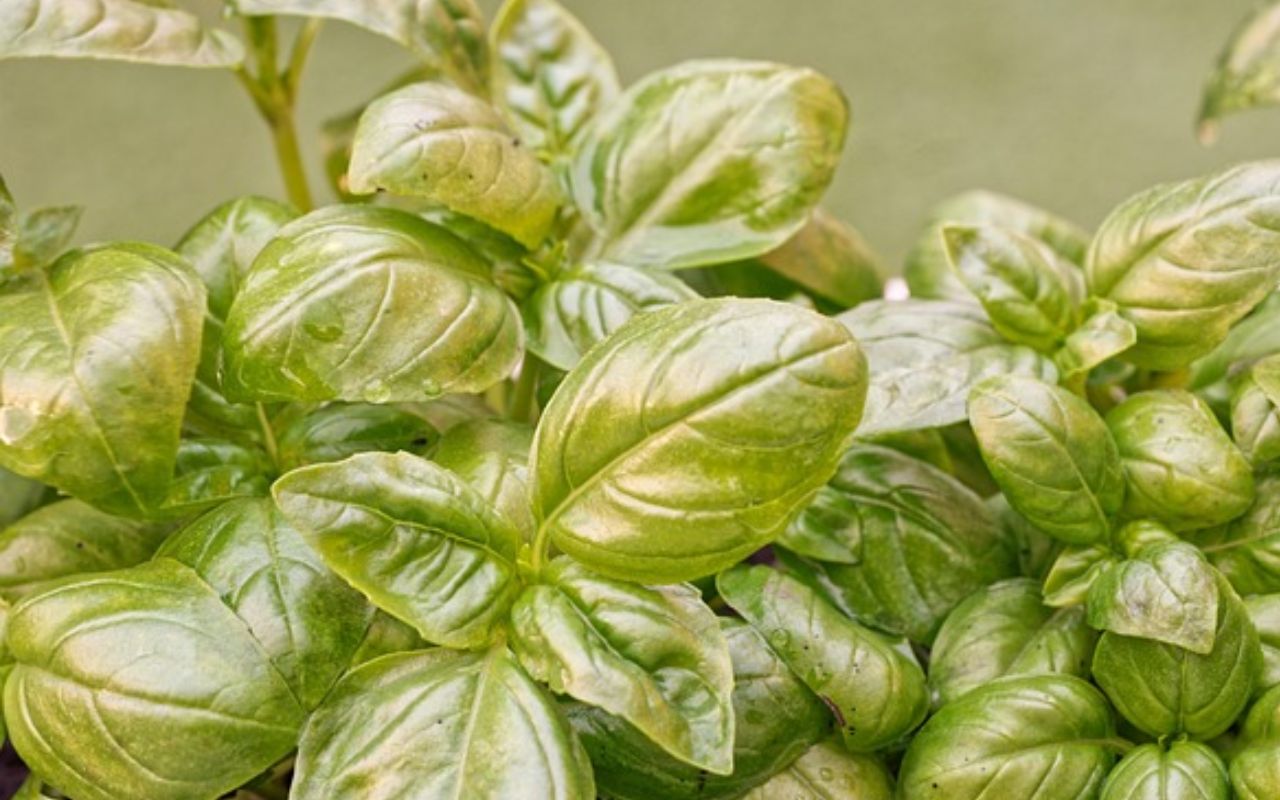
No matter how you store it, basil should be checked regularly. Remove leaves that feel slimy, show dark spots, mold, or off smells immediately, since keeping spoiled leaves with healthy ones speeds decay. A quick check every couple of days helps the rest stay fresher longer and preserves that bright, garden-fresh flavor throughout the week.
Freeze for Long-Term Use
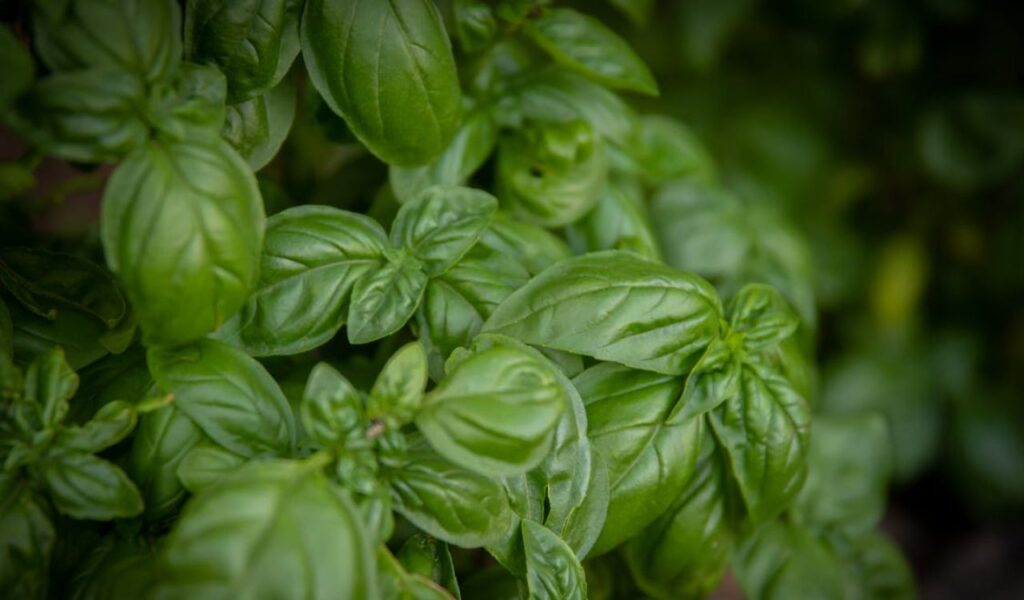
Basil leaves
If there’s more basil than you can use in a week, freezing is a smart option. Briefly blanch the leaves to inactivate enzymes and help preserve vibrant color and flavor, then freeze in small, ready-to-use portions. Frozen basil works well in soups, stews, sauces, and pesto, delivering fresh flavor months later while reducing waste.