

In the smoke-filled skies of World War II, two German pilots changed how battles were fought above the clouds. They were not merely aces; they were innovators who transformed air tactics through courage, precision, and intellect. While others followed orders, they reshaped them, creating methods that would echo in aviation strategy for decades.
Their story isn’t one of glorified heroism but of ingenuity under fire. Together, they took the Luftwaffe from chaotic engagements to coordinated, deadly precision. Their mark on aerial warfare remains one of the most significant tactical revolutions in military history.
Early Life and Training of the Aviators
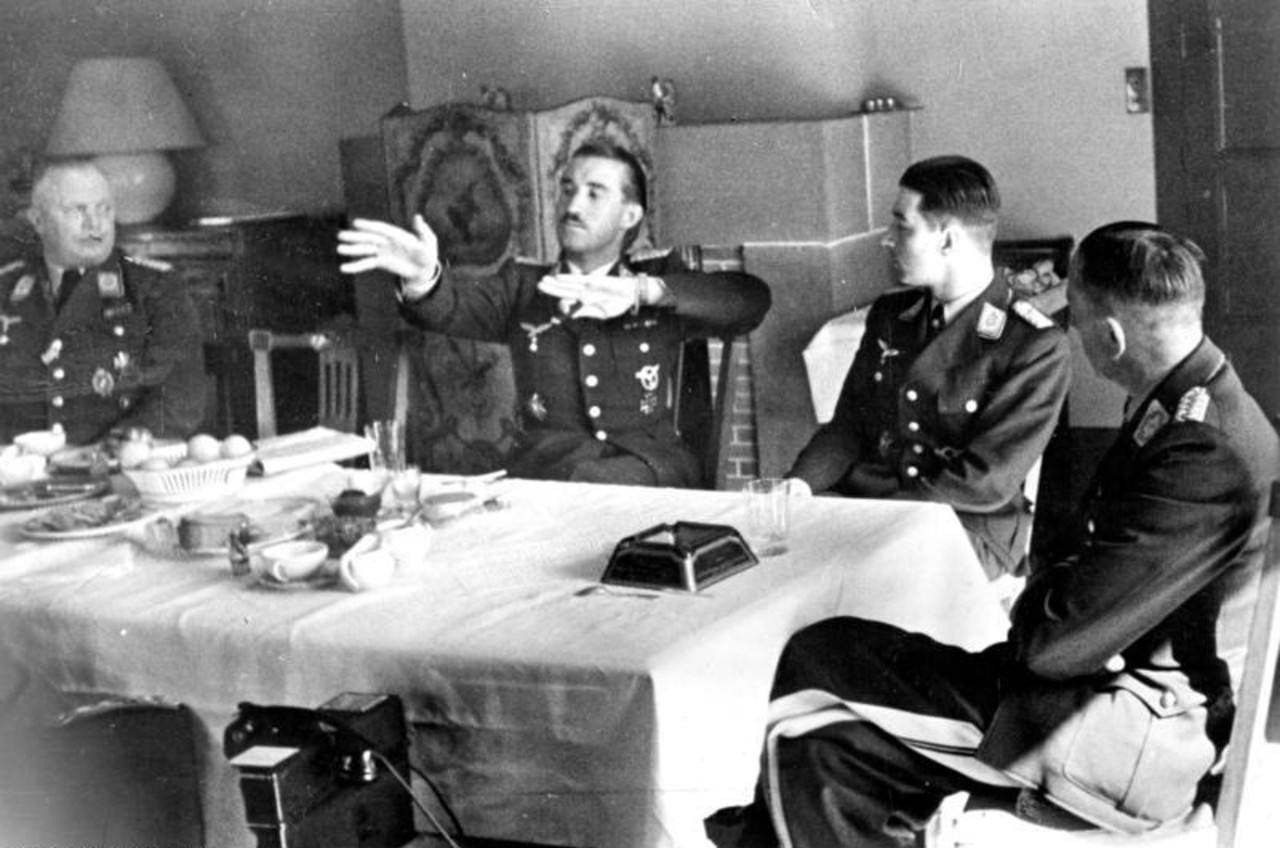
Werner Mölders and Adolf Galland shared a common obsession with flight long before the war began. Both came of age during Germany’s aviation renaissance of the 1930s, when glider schools and flying clubs offered a path to the skies. Mölders was known for his technical discipline and methodical flying, while Galland, more daring and outspoken, exuded the charisma of a natural leader.
Their early Luftwaffe training honed complementary strengths. Mölders brought precision and strategic foresight; Galland radiated boldness and improvisation. Together, their temperaments would fuse science and instinct, setting the stage for a tactical evolution that transcended personal rivalry.
Strategic Shift in Luftwaffe Fighter Tactics
Mölders was the architect of a seismic shift in aerial combat. Rejecting rigid formation flying, he introduced the “finger-four” formation, a diamond-like pattern that gave pilots greater visibility, flexibility, and mutual support. It allowed small teams to hunt more effectively while minimizing exposure to enemy fire.
Galland adopted and perfected these ideas in combat, applying them to real battle conditions with stunning success. His ability to interpret Mölders’ theories in live combat proved the system’s worth, influencing the entire Luftwaffe’s fighter doctrine. Their collaboration made air combat more fluid, tactical, and survivable than ever before.
Technological Advances and Aircraft Performance
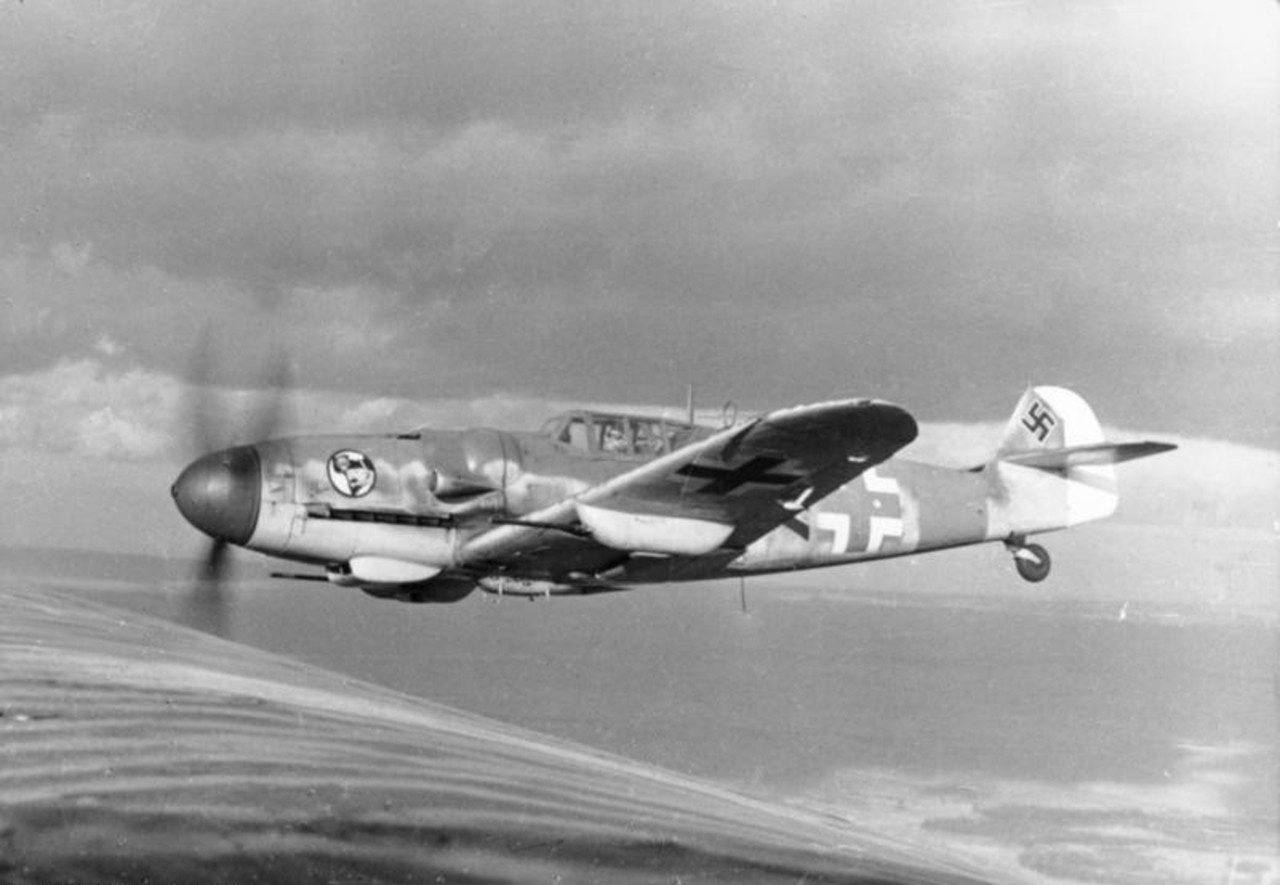
Flying the Messerschmitt Bf 109, both pilots learned to use every ounce of its speed, altitude, and agility. Mölders treated the aircraft like a mathematical problem, calculating climb rates and firing angles, while Galland treated it like a dueling blade, fast, decisive, and personal.
Their understanding of the aircraft’s strengths led to subtle but effective innovations. They advised engineers on cockpit adjustments, weapon loadouts, and engine optimization, ensuring that the machine fit the man. This partnership between pilot and plane symbolized a new era of thinking in air warfare where technology served instinct.
Notable Combat Missions That Altered Air War Dynamics
Mölders’ campaigns over France and Britain became case studies in tactical mastery. He scored victory after victory by ambushing Allied formations with surgical precision, often striking before opponents realized they were being hunted. His calm control under pressure made him the Luftwaffe’s first pilot to surpass one hundred kills.
Galland’s fame grew during the Battle of Britain, where his command decisions shaped entire engagements. Leading from the front, cigar clenched between his teeth, he inspired both fear and admiration. His tactical brilliance turned ordinary sorties into defining moments that forced the Allies to rethink air strategy altogether.
Impact on Allied Air Strategy and Response
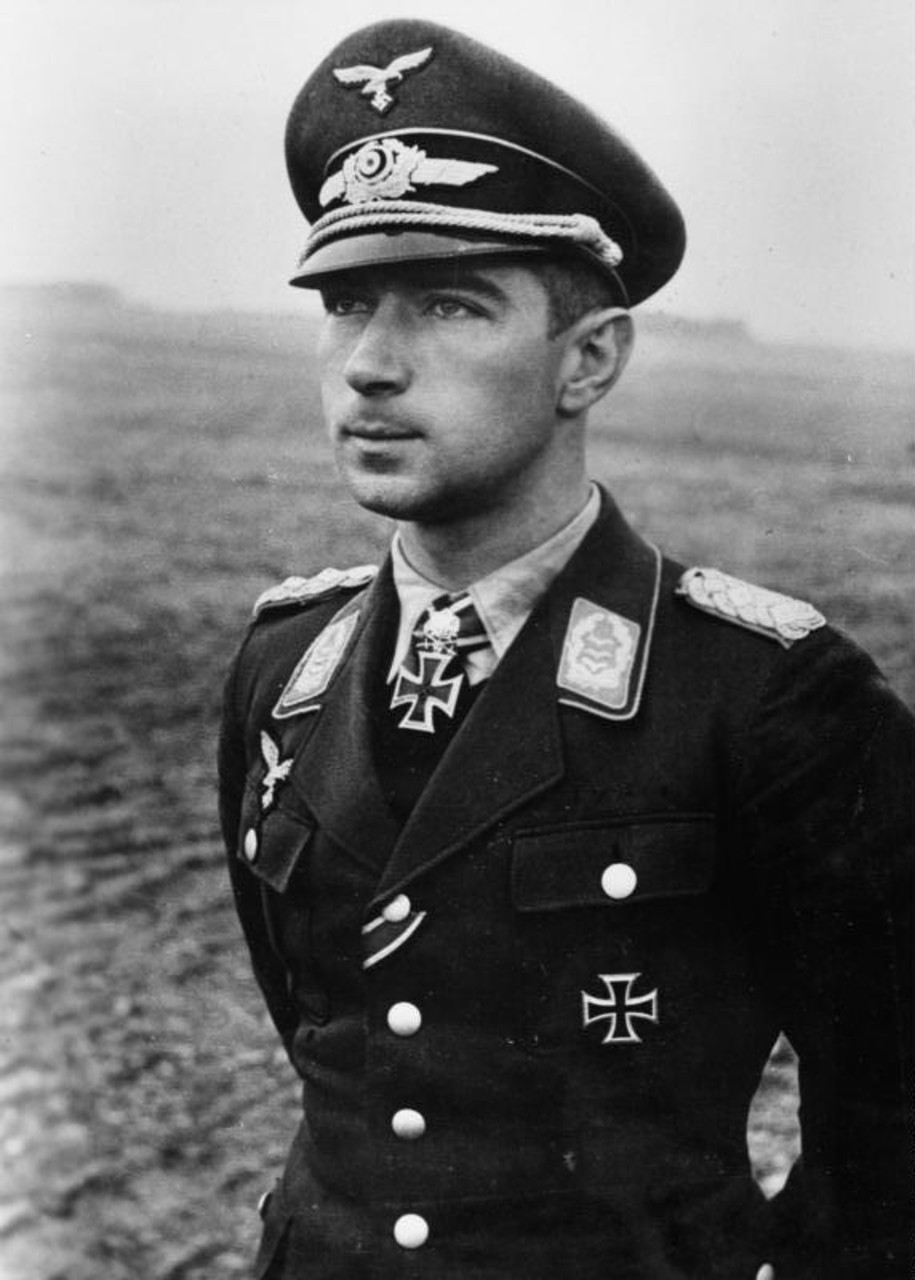
The Allies soon learned that facing Mölders or Galland meant confronting an entirely new kind of warfare. Traditional close formations and static maneuvers were no match for their flexible tactics. In response, Allied pilots refined their own formations, communication, and radar coordination to match the Germans’ precision.
This back-and-forth evolution raised the overall sophistication of air combat. What began as two pilots’ innovations rippled outward, forcing both sides to modernize and adapt, pushing aviation strategy toward the fast, analytical style that defines modern dogfighting today.
Leadership and Doctrinal Influence Inside the Luftwaffe
As Mölders and Galland rose through the ranks, their influence expanded from cockpit to command center. Mölders became Inspector of Fighters, formalizing his tactical principles into Luftwaffe doctrine. Galland succeeded him after his death, continuing to advocate for autonomy, realism, and pilot welfare in training and deployment.
Their leadership fostered a new generation of disciplined yet independent pilots. Galland’s open clashes with higher command showed his commitment to effectiveness over ideology, a rare stance in wartime Germany. Their legacies as leaders endure as examples of innovation guided by conviction.
Ethical and Human Dimensions of Aerial Combat
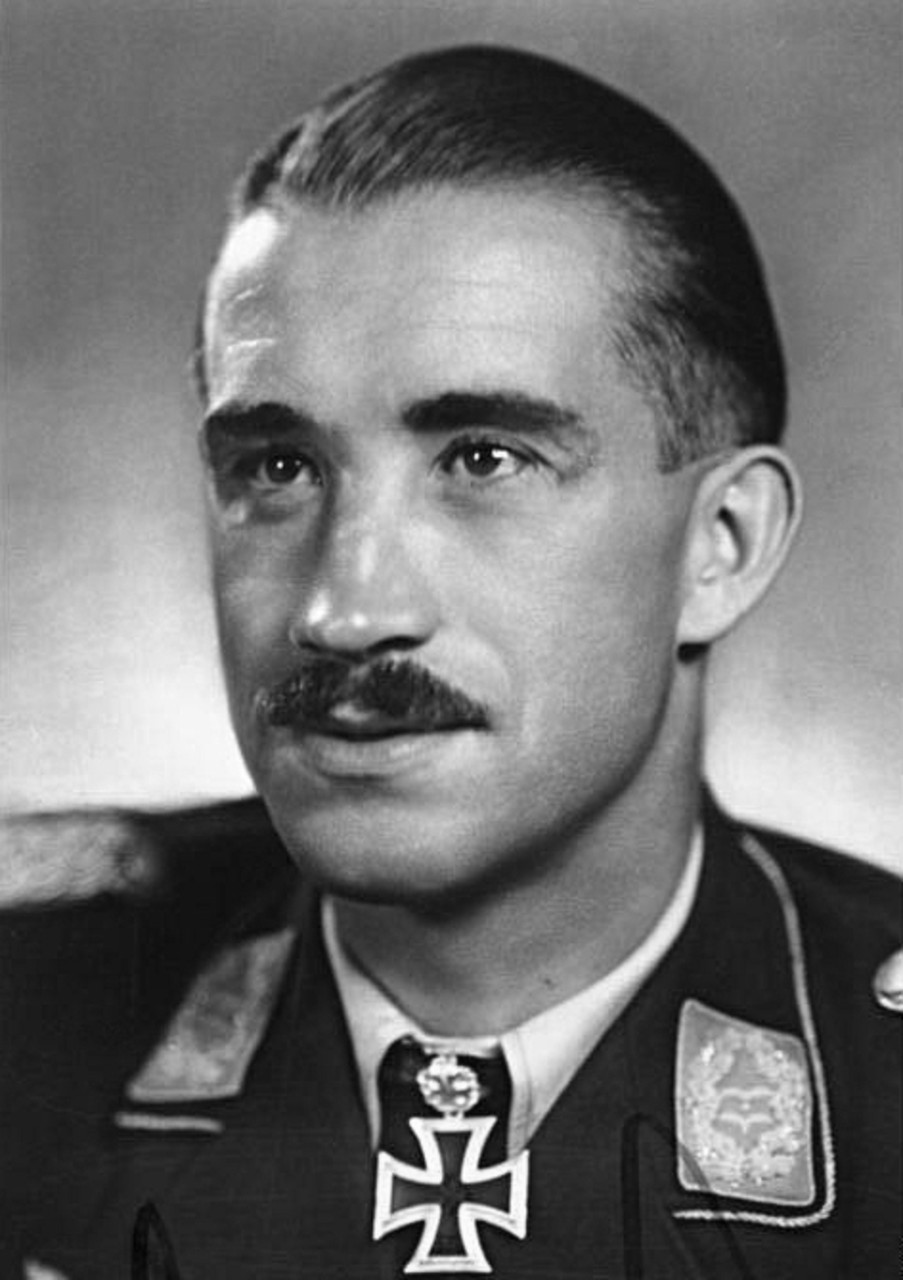
Behind their legend lay human complexity. Mölders, deeply religious and introspective, often struggled with the human cost of war. Galland, confident and outspoken, viewed air combat as a professional craft rather than a moral exercise. Yet both shared respect for their adversaries and valued skill over propaganda.
Their humanity made them respected even among opponents. They embodied the paradox of the fighter pilot, both artist and soldier, shaping history while grappling with its consequences. Their internal conflicts remind us that even innovation born from war carries an emotional price.
Legacy of Their Innovations Post-War
Though Mölders died in a 1941 plane crash, his influence endured in training manuals and post-war air forces. Galland, who survived the war, later advised on jet fighter development and air strategy, bridging the gap between piston-engine dogfights and the jet age.
Their tactics became foundational in NATO and Allied air doctrines. Concepts like fluid formations, coordinated attacks, and pilot autonomy trace their lineage directly to Mölders and Galland. They proved that genius in warfare isn’t about destruction, it’s about understanding, adaptation, and vision.
Conclusion
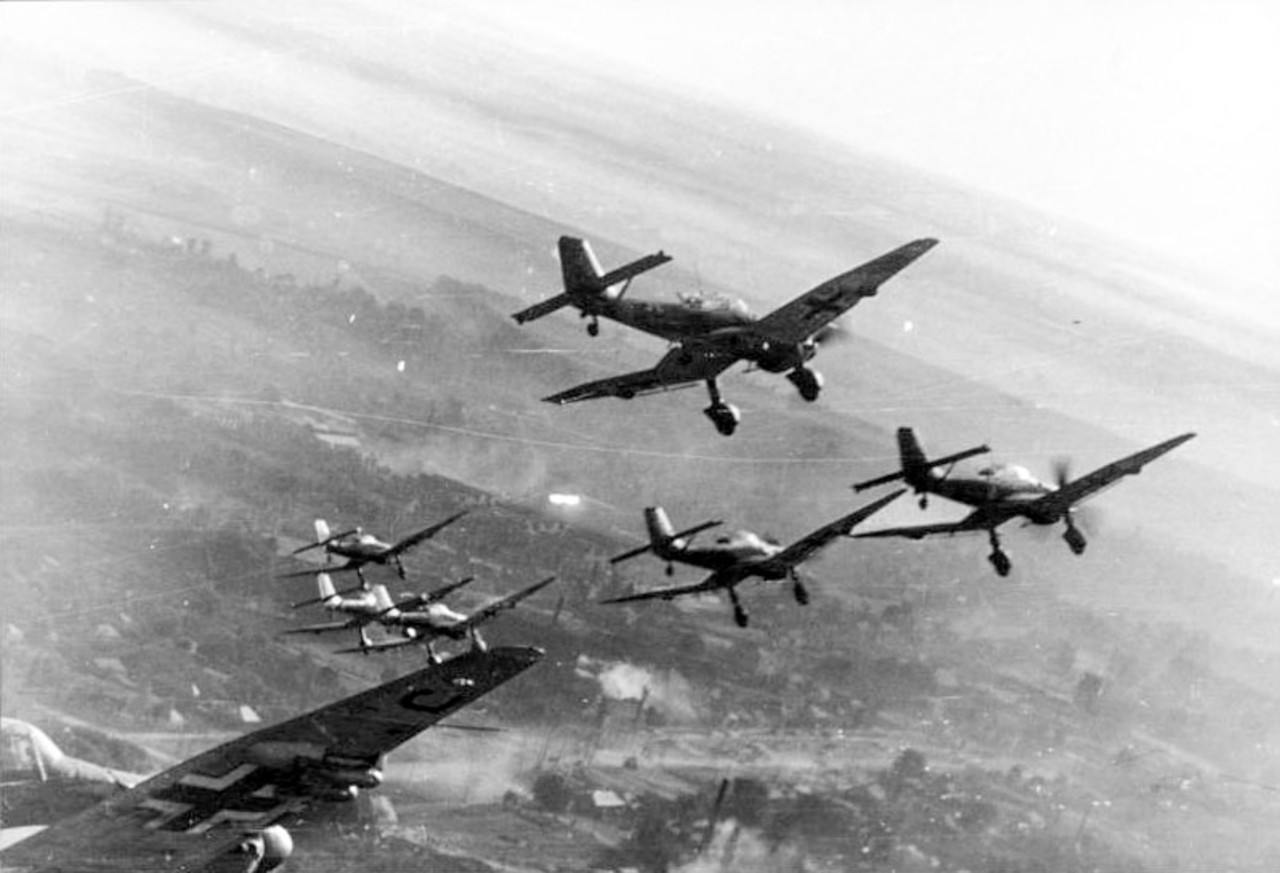
The story of Werner Mölders and Adolf Galland is one of intellect meeting instinct, of men who looked at chaos and found order in the clouds. They changed air combat not through brute force, but through thought and precision.
Their impact endures in every pilot who scans the horizon, calculating angles and timing before pulling the trigger. In teaching the world to fight smarter, they forever changed the rhythm of war in the sky.
Reference
- The story of Werner Mölders, the Luftwaffe fighter pilot who conceived the Finger-Four Formation – theaviationgeekclub.com
- German Fighter Ace Adolf Galland – warfarehistorynetwork.com
- Interview: Adolf Galland / WWII Luftwaffe General and Ace Pilot – historynet.com