
In the wake of the remote work boom, small Midwestern towns are offering surprising incentives to attract new residents. From $10,000 relocation grants to free coworking memberships and discounted housing, these communities are betting big on digital workers craving more space and a lower cost of living. While the bonuses grab headlines, the real story lies in what it’s like to uproot your life and move to a place you’ve likely never visited. The Midwest may just be the new frontier for flexible careers and affordable living, but it’s not for everyone.
Big Bonuses Are Just the Beginning

Cities like Tulsa, Oklahoma and Topeka, Kansas, pioneered the model, but Midwestern towns across Indiana, Michigan, and Illinois have jumped in. Places like Muncie, Indiana and Greensburg, Indiana now offer $5,000 to $10,000 for qualified remote workers, along with perks like gym memberships or community networking events. These bonuses are typically spread out over a year and come with requirements to rent or buy a home locally and participate in civic life. While helpful, the cash is often a sweetener, not the reason people stay.
Cost of Living Is Where the Midwest Shines

What makes these offers compelling is the affordability that follows you long after the bonus is gone. In towns like Newton, Iowa or Benton Harbor, Michigan, the average home price hovers between $100,000 and $150,000. Groceries, utilities, and taxes tend to be significantly lower than in coastal metro areas. For remote workers burned out by $3,000 rent or traffic-clogged commutes, moving to a place where you can own a home and still have savings is a game-changer. The Midwest may not have palm trees, but it offers breathing room.
Small-Town Life Isn’t Always Picture Perfect

Moving to a small Midwestern town comes with lifestyle trade-offs. While some people find community and peace, others report culture shock, limited amenities, or slower social circles. Public transportation is rare, and your favorite international cuisine might not be on the corner. Some new residents also find it hard to plug into the local scene if they’re not from the area. Programs now try to bridge that gap with welcome committees, volunteer events, and even neighborhood “buddy systems,” but expectations still need to be managed.
Coworking Spaces and Community Perks Help Seal the Deal

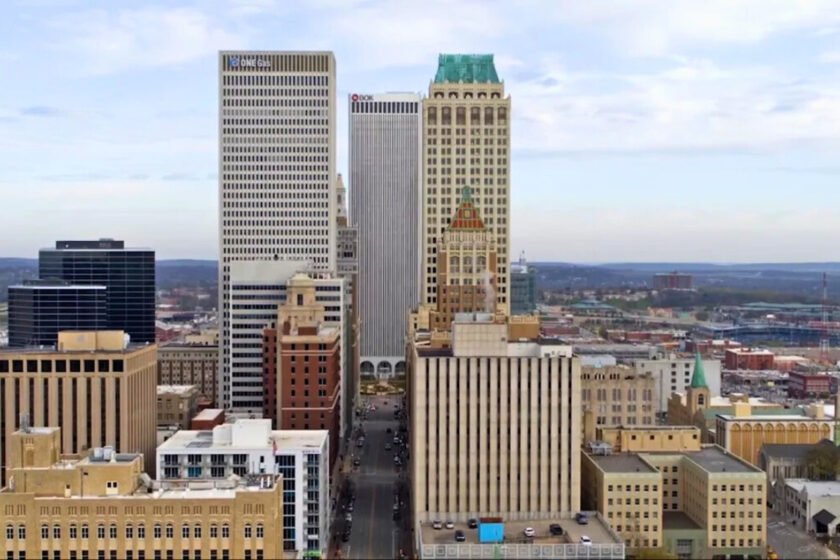
To make these towns more attractive, many include coworking spaces or small-business support programs in their offers. In Tulsa, participants in the Tulsa Remote program get access to free shared workspaces, networking events, and a built-in community of fellow newcomers. In places like Bloomington, Illinois and Marion, Ohio, cities are renovating historic downtown buildings into tech hubs and creative centers. For remote workers used to urban energy, these spaces help soften the transition while promoting local entrepreneurship.
The Real Value Is in Starting Fresh

Beyond the dollar amount, many remote workers say the true benefit of relocating is the chance to slow down, reset, and build a life with intention. Small towns make it easier to find basic pleasures like walking to a nearby park, buying a home, and getting to know your neighbors. With more employers offering flexible schedules, the dream of living affordably without sacrificing your career is more realistic than ever. The $10,000 is a welcome bonus, but for many, it’s just the start of something bigger.