

Healthy eating was once viewed as a matter of habit, culture, and basic access to seasonal foods. Over time, however, the idea of eating well has become tied to specialized products, premium labels, and lifestyle choices that often carry higher costs. As food systems industrialized in the late nineteenth and early twentieth centuries, convenience and shelf life were prioritized over nutrition. By the 1970s and 1980s, heavily processed foods became cheaper and more widely available than fresh ingredients in many regions. Today, nutrition advice encourages whole foods, organic produce, and minimally processed diets, yet these recommendations often clash with rising grocery prices and stagnant incomes. This article explores whether eating healthy has quietly shifted from being a universal goal to an economic privilege shaped by income, geography, and time.
The Historical Shift from Necessity to Choice
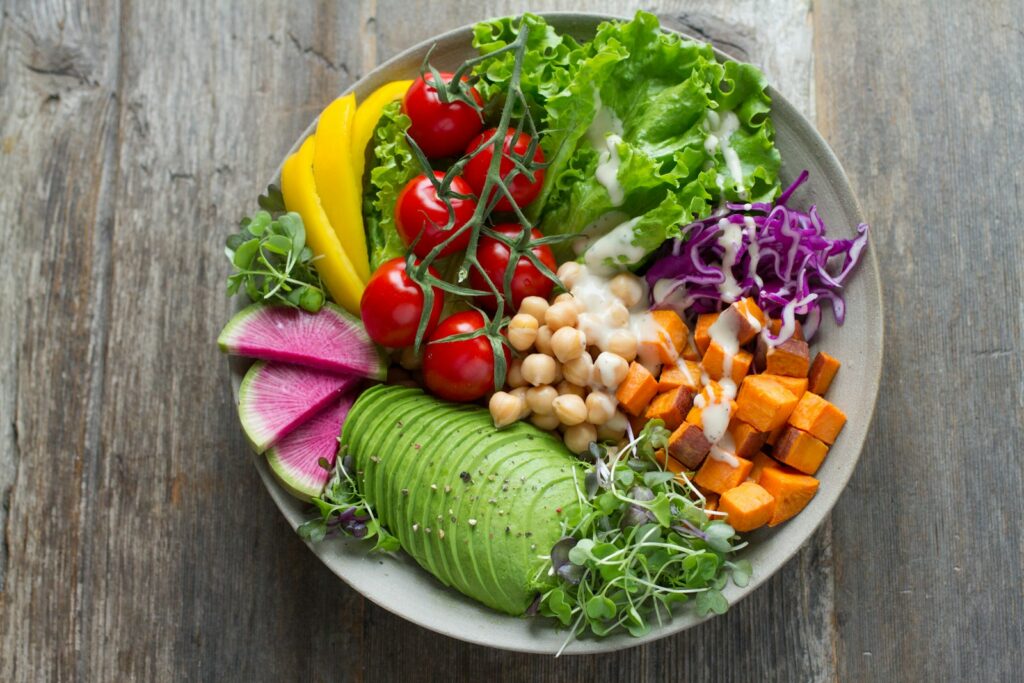
For most of human history, healthy eating was not marketed or branded; it was simply how people survived. Before the twentieth century, diets were built around locally grown grains, vegetables, and seasonal produce because alternatives did not exist. Industrial food production expanded rapidly after World War II, particularly in the 1950s, when refrigeration, preservatives, and mass farming reduced costs and extended shelf life. These innovations made calories cheaper and more abundant, but nutritional quality often declined. By the 1990s, scientific research began linking ultra-processed foods to obesity and chronic illness, prompting a renewed focus on “clean” and “whole” eating. Ironically, foods once considered basic, such as fresh fruits or unrefined grains, started costing more than packaged meals. What was once a default way of eating gradually became an intentional, and often expensive, lifestyle choice.
Price Gaps Between Healthy and Processed Foods
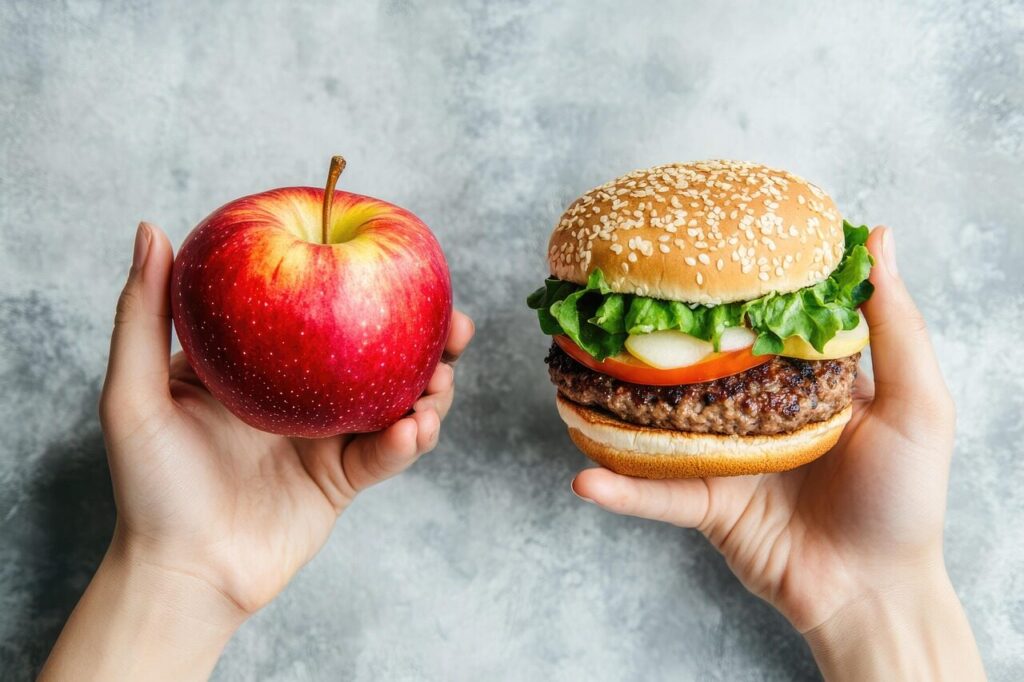
One of the strongest arguments that healthy eating is becoming an economic privilege lies in price comparisons. Studies conducted since the early 2000s consistently show that calorie-dense processed foods cost less per serving than fresh, nutrient-rich options. A frozen pizza or instant noodles can provide hundreds of calories for a fraction of the cost of fresh vegetables, lean proteins, and fruits. Rising inflation after 2020 further widened this gap, with fresh produce and cooking oils experiencing sharper price increases than packaged snacks. For families managing tight budgets, affordability often outweighs nutrition. While healthy food is technically available, its higher price makes it less accessible. Over time, this cost imbalance reinforces the idea that eating well is something only those with financial flexibility can realistically maintain.
Geographic Inequality and Food Access
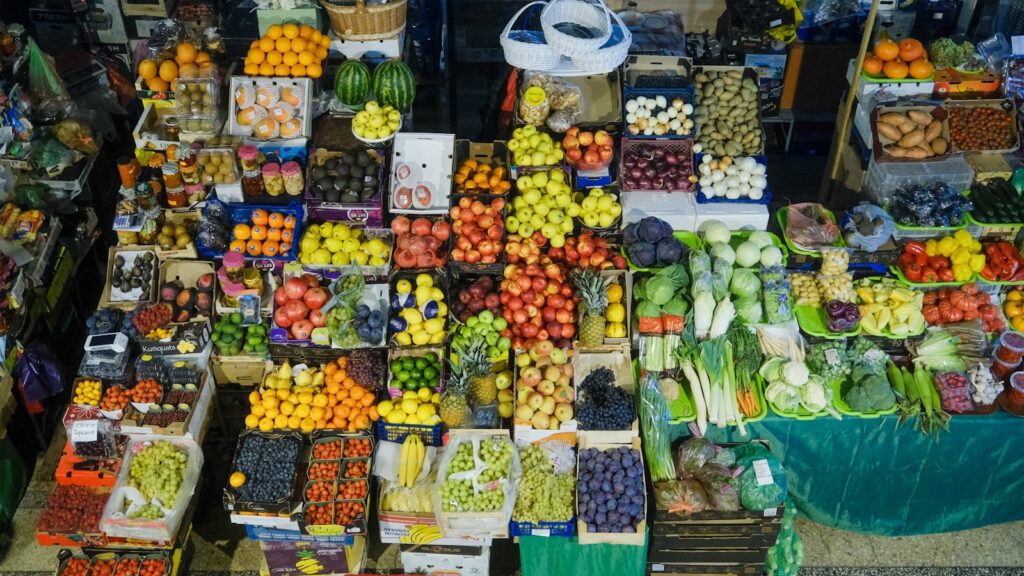
Economic privilege in healthy eating is not only about income but also about location. The concept of “food deserts” emerged in the 1990s to describe neighborhoods where residents lack easy access to fresh and affordable food. These areas are often urban low-income zones or remote rural communities where supermarkets are scarce. Instead, convenience stores and fast-food outlets dominate, offering cheap, highly processed options with long shelf lives. Even when people want to eat better, transportation costs and time constraints limit their choices. In contrast, wealthier neighborhoods typically have farmers’ markets, organic stores, and delivery services that make healthy food convenient. This geographic divide means that two households with similar intentions but different addresses experience entirely different food realities. Over time, place becomes as powerful as income in determining who can realistically follow healthy eating guidelines.
Time as a Hidden Economic Cost
Healthy eating often requires time, an overlooked but critical economic resource. Preparing balanced meals from fresh ingredients involves planning, shopping, cooking, and cleaning, activities that demand hours many working individuals do not have. Since the late twentieth century, longer work hours and dual-income households have reduced time available for home cooking. Processed foods gained popularity precisely because they saved time, not because they were healthier. For people juggling multiple jobs or caregiving responsibilities, convenience becomes essential. Healthy shortcuts like pre-cut vegetables or ready-made salads exist, but they are usually priced higher. This creates a situation where time-poor individuals must either spend more money or sacrifice nutrition. As a result, time scarcity quietly turns healthy eating into a privilege reserved for those with flexible schedules or financial means.
Marketing, Labels, and the Cost of “Health”
The way healthy food is marketed has significantly influenced its price. Beginning in the late 1980s, food companies started using labels such as “organic,” “low-fat,” and “natural” to appeal to health-conscious consumers. While these labels often reflect genuine production standards, they also allow brands to charge premium prices. Organic certification, formalized in many countries by the early 2000s, increased transparency but also added compliance costs that are passed on to consumers. As a result, two similar products can differ greatly in price based on labeling alone. This marketing-driven pricing creates the impression that health itself is a luxury feature. For lower-income shoppers, these shelves can feel exclusionary, reinforcing the idea that eating well requires buying into a costly lifestyle rather than simply choosing nutritious foods.
Income, Education, and Nutrition Knowledge
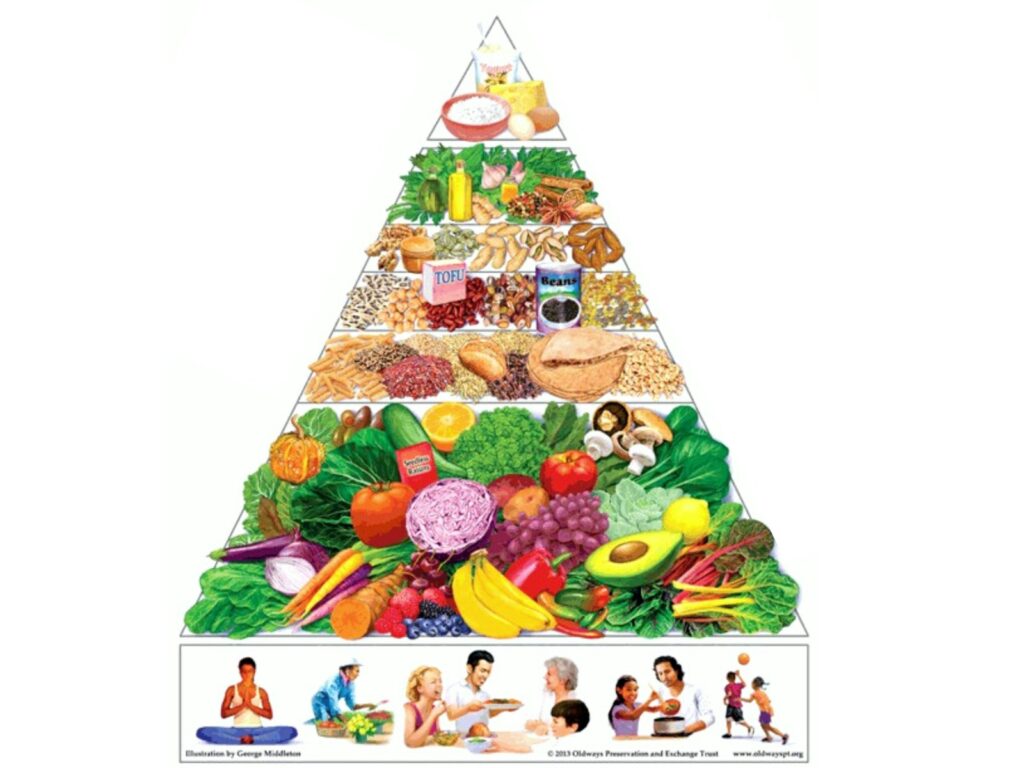
Healthy eating is influenced not just by money but by education and exposure. Nutrition science became more mainstream in the late twentieth century, yet access to accurate information remains uneven. Higher-income households are more likely to receive dietary education through schools, healthcare providers, or digital platforms. They also tend to have the flexibility to experiment with recipes and new foods. Meanwhile, communities facing financial stress often prioritize satiety and familiarity over nutritional optimization. This is not due to lack of care but practical necessity. When income is uncertain, risk-taking with food choices feels unsafe. Over time, this creates a feedback loop where healthier habits cluster among those with resources and knowledge, while others are unfairly labeled as making “poor choices,” ignoring the structural limits shaping those decisions.
Healthcare Costs and the Long-Term Impact of Diet
The economic divide in healthy eating becomes even clearer when viewed through healthcare outcomes. Research linking poor diet to chronic illnesses such as diabetes and heart disease gained strong attention in the 1970s and 1980s. While healthier diets can reduce long-term medical expenses, the upfront cost often falls on individuals least able to afford it. Preventive nutrition requires consistent access to quality food, something that many households lack. Ironically, those who rely on cheaper, processed foods face higher healthcare costs later in life. This creates a cycle where financial limitations increase health risks, which then deepen economic strain through medical bills. Healthy eating thus functions like an investment with delayed returns, one that is easier for wealthier individuals to make and far harder for those living paycheck to paycheck.
Cultural Shifts and the Moralization of Food Choices
In recent decades, eating habits have taken on moral meaning. By the early 2000s, social media and wellness culture began framing food choices as reflections of personal discipline and values. Terms like “clean eating” or “guilt-free food” subtly imply that unhealthy eating is a moral failure rather than an economic constraint. This narrative disproportionately affects lower-income groups, who may already feel pressure from limited choices. Cultural expectations now reward those who can afford specialty ingredients, supplements, and time-consuming meal prep. What once was a private, practical decision has become a public identity marker. This moral framing ignores structural barriers and reinforces stigma, further distancing healthy eating from its original purpose of nourishment and turning it into a status symbol linked to economic privilege.
Government Policy, Subsidies, and Food Pricing
Government policy has played a quiet but powerful role in shaping what people can afford to eat. Since the mid-twentieth century, agricultural subsidies in many countries have favored large-scale production of corn, wheat, and soy. These crops became the foundation of cheap sweeteners, refined flours, and cooking oils used in processed foods. Meanwhile, fruits, vegetables, and legumes received far less financial support, making them comparatively expensive. Nutrition guidelines encouraging healthier diets often fail to align with these pricing structures. Even assistance programs designed to reduce hunger frequently prioritize calorie quantity over nutritional quality. This mismatch between public health messaging and economic incentives places the burden on individuals rather than systems. As long as policy makes unhealthy options cheaper, healthy eating will remain easier for those who can absorb higher food costs.
Is Healthy Eating Truly a Privilege or a Policy Failure?
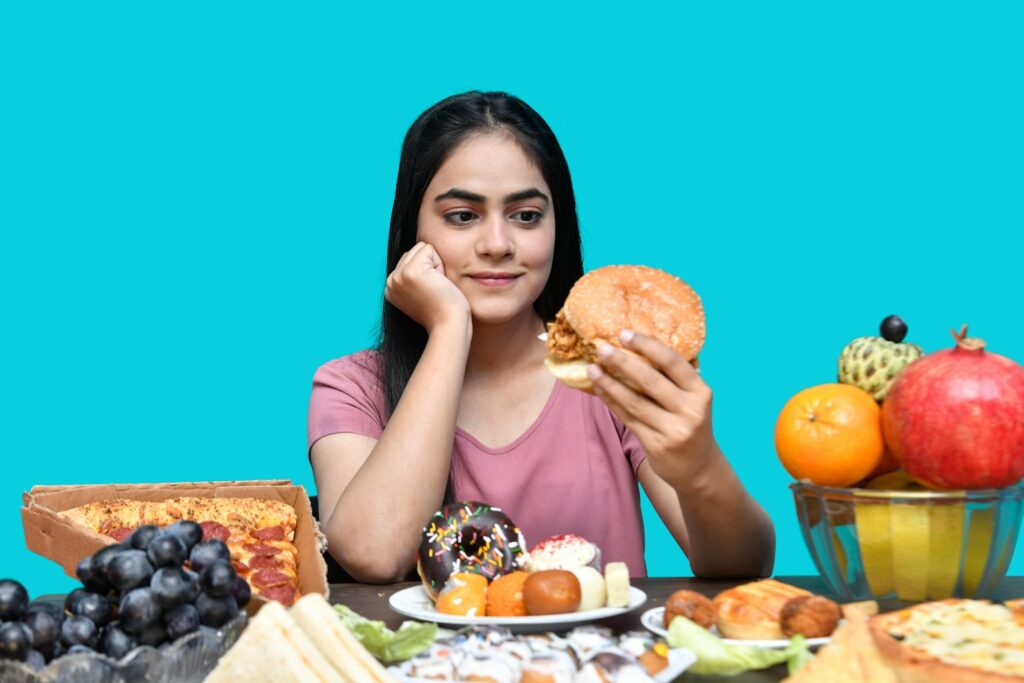
The question of whether healthy eating is an economic privilege ultimately points to deeper systemic issues. While personal responsibility matters, it cannot outweigh structural barriers related to income, time, location, and policy. The modern food system, shaped over decades, rewards convenience and volume over nutrition. Healthy eating becomes more accessible when people have stable incomes, flexible schedules, and supportive environments. Without these, even the best intentions struggle to survive. Framing the issue solely as individual choice oversimplifies a complex reality. If healthy food were consistently affordable, accessible, and supported by policy, it would not feel exclusive. The growing perception of healthy eating as a privilege reflects collective failures in planning and priorities rather than a lack of public interest in nutrition.
Keep reading on The WiC Project Lifestyle Blog & Miriam’s Boutique: Home Goods, Beauty, & Fashion Store