
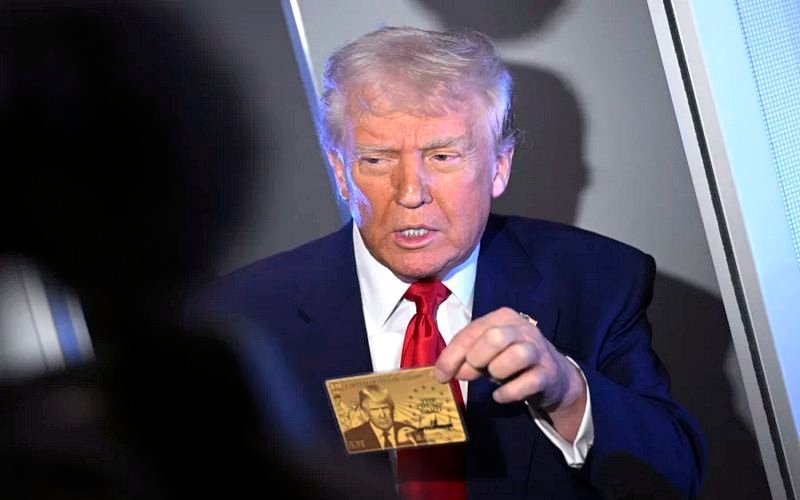
President Donald Trump has introduced significant changes to the U.S. immigration system, including a $100,000 annual fee for H-1B skilled worker visas and a new “gold card” visa priced at $1 million for wealthy individuals seeking a path to U.S. citizenship. These measures, which face potential legal challenges, are designed to reshape the landscape of foreign worker immigration and attract high-net-worth individuals.
Read: Resolution to Honor Charlie Kirk Divides U.S. House Amid Political Backlash
New H-1B Visa Fee: A Major Increase
In a move that has raised eyebrows across the tech industry and beyond, President Trump has signed an executive order imposing a $100,000 annual fee on companies applying for H-1B visas, which are typically issued to skilled foreign workers. This represents a massive increase from the previous fee of about $215. The change aims to discourage companies from hiring foreign workers at lower wages, though it has drawn criticism for potentially hindering U.S. competitiveness, especially in the tech sector.
Also read: Chicago Launches Secret Text Alert System to Warn Immigrants Against ICE Raids
The $1 Million “Gold Card” Visa
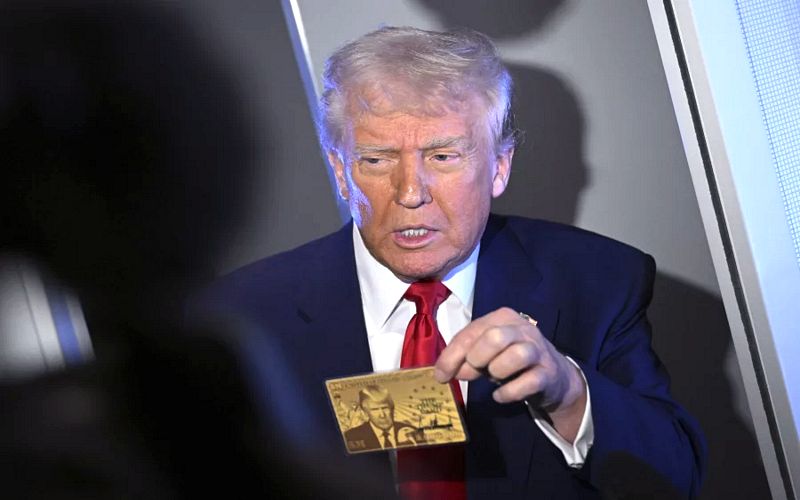
Trump also introduced a new “gold card” visa, priced at $1 million, which offers a pathway to U.S. citizenship for wealthy individuals. This visa is expected to attract foreign investors and entrepreneurs willing to contribute financially to the U.S. economy. Companies can sponsor employees for the gold card at a cost of $2 million. Additionally, a new “Trump Platinum Card” has been introduced for $5 million, offering the ability to stay in the U.S. for up to 270 days without being subject to U.S. taxes on foreign income.
Also read: U.S. to Deny Visas to Those Celebrating Charlie Kirk’s Death, Says Rubio
Critics Slam Proposed Fee Increases
The proposed fee increases have sparked backlash, with critics calling the changes “lawless” and questioning the fairness of the measures. Doug Rand, a former senior official at U.S. Citizenship and Immigration Services, criticized the move as pandering to immigration restrictionists. He argued that it is more about generating headlines than creating legitimate immigration policy. Advocates for immigrants have also expressed concern that these measures will disproportionately impact small businesses and limit opportunities for foreign talent.
Also read: Millions More Women Are Childless as Women are Skipping Motherhood
Potential Impact on Tech Companies
Tech giants like Amazon, Microsoft, Google, and Meta, which rely heavily on H-1B visas to fill skilled positions, have not yet commented on the new changes. However, Commerce Secretary Howard Lutnick has suggested that the $100,000 fee will make the H-1B visa program less economically viable for many companies, reducing the number of foreign workers who can afford to participate. This could lead to fewer H-1B visas being issued, potentially causing a labor shortage in certain industries.
Also read: Gavin Newsom Surges in 2028 Polls Despite Homelessness Crisis in California
The “Gold Card” Visa: A New Approach for Wealthy Immigrants
The introduction of the “gold card” visa is part of Trump’s broader strategy to attract high-net-worth individuals to the U.S. The visa will allow wealthy individuals to gain a faster track to citizenship, a move that has been praised by some for encouraging investment in the U.S. economy. However, it has also been criticized as catering to the wealthy elite, leaving out middle- and lower-income immigrants who rely on programs like the H-1B visa to work in the U.S.
Also read: Trump Slams Newsom for Pushing Housing Project in Wealthy Los Angeles Neighborhood
Legal Challenges and Congressional Approval
These moves are expected to face significant legal challenges. Some elements, such as the platinum card for individuals, will require congressional approval before they can be implemented. While Trump has framed these changes as a way to improve the U.S. economy, critics argue that they could exacerbate income inequality and create further barriers for non-wealthy immigrants seeking a path to citizenship.
Also read: White House Denies Trump’s Involvement in Epstein Letter Amid Scrutiny
The Future of the H-1B Visa Program
Historically, the H-1B visa program has faced criticism for allowing companies to bypass American workers by hiring cheaper foreign labor. Critics argue that the program has been abused by companies to fill lower-level jobs, despite its intention to provide highly-skilled foreign workers for difficult-to-fill positions. Trump’s proposed fee hikes are part of a broader effort to address these concerns, though many believe more reforms are necessary to ensure the program benefits U.S. workers while still attracting top global talent.