
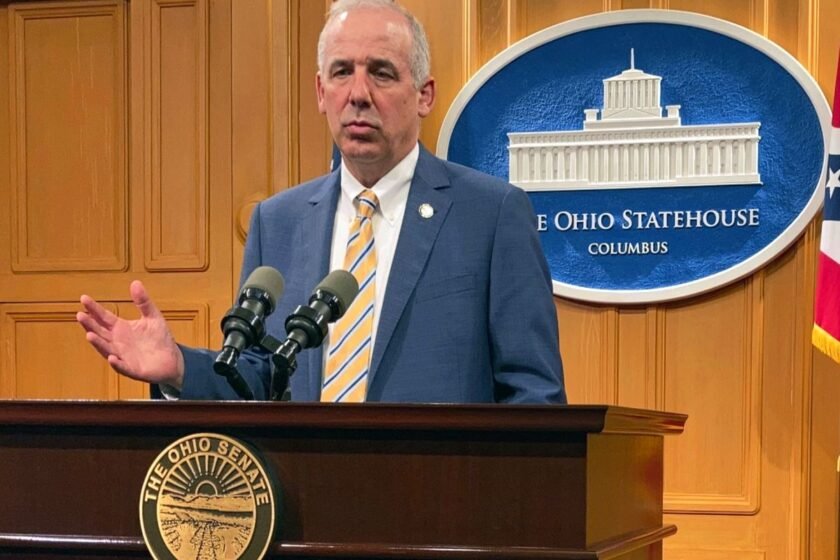

The Ohio House will return to the Statehouse on July 21 for a rare summer session to attempt overriding Governor Mike DeWine’s vetoes on a slate of property tax reforms. DeWine rejected nearly every property tax provision included in the state’s new two-year budget, drawing swift pushback from legislative leaders. House Speaker Matt Huffman confirmed the override effort, setting up a high-stakes clash over tax relief and local government funding.
Read: Maryland Attorneys Oppose Trump’s Admin Proposal to Roll Back Fair Housing Regulations
DeWine’s Vetoes on Property Tax Relief

Governor DeWine vetoed several property tax provisions from Ohio’s new budget that aimed to ease burdens on homeowners by reducing rates and increasing oversight of local taxing entities. He rejected proposals allowing county budget commissions to lower voter-approved levies and capped school districts’ cash reserves at 40%, warning these could destabilize local services and school funding. Lawmakers argued the measures would offer relief to property owners, but DeWine insisted tax policy changes must be carefully balanced to protect essential public services. A legislative override session is expected later this month.
Also read: Zohran Mamdani’s Affordable Housing, Rent Freeze Proposal Faces Mixed Reactions in NYC Poll
Controversial Tax Provisions Rejected

DeWine vetoed the proposal that would have capped school district reserves at 40% of their budget. Lawmakers argued that the cap would free up funds to reduce property taxes, but DeWine warned that it could lead to more tax levies and increased taxes for Ohioans.
Also read: California Lawmakers Reject Two-Week Grace Period for Rent Payments
Schools Respond to Vetoed Plan

School districts expressed concerns over the vetoed proposal, emphasizing that reserve funds are vital for covering emergencies, maintaining bond ratings, and handling state funding cuts. They viewed the plan as a shortsighted move that could harm their financial stability.
Also read: President Trump Proposes Drastic Cuts to Historic Preservation Fund
GOP Senators Criticize DeWine’s Decision

Senate President Rob McColley and Senate Finance Chairman Jerry Cirino, both Republicans, criticized the vetoes, arguing that they would have helped control property tax growth and ensured greater transparency. In a joint statement, they said, “We appreciate the governor’s support of our significant income tax reform… yet it is puzzling that at a time when Ohioans are demanding a reduction in their property tax burden, the governor vetoed all of the General Assembly’s reforms.”
Also read: Florida Governor DeSantis Vetoes Study on Property Tax Reforms
Veto on Local Tax Cuts

DeWine also vetoed a provision that would have allowed county commissions to reduce school district levies that voters had approved. This would have given local governments more flexibility to adjust tax rates to help relieve property tax burdens for residents.
Also read: Lawmakers Raise SALT Cap to Provide Relief to Homeowners in High-Tax States
DeWine’s Stance on Financial Stability

The governor defended his vetoes by stressing that the proposed property tax changes could threaten the financial stability of Ohio’s school districts. He argued that limiting school reserve funds and allowing cuts to voter-approved levies would undermine districts’ ability to manage funding gaps and emergencies. DeWine maintained that these provisions risked creating serious fiscal challenges for schools statewide.
Next up:
New Hampshire Bill May Allow Landlords to End Leases Without Cause
Small Businesses Stand to Benefit from Mamdani’s Rent Stabilization