

Pearl Harbor is often remembered for the devastating Japanese attack on December 7, 1941, which pulled the United States into World War II. Images of burning battleships and the loss of more than 2,400 lives dominate history books and classroom lessons. Yet beyond the familiar accounts are stories that remain less told, revealing the complexity of that day and its aftermath. Recent research and archival discoveries have shed light on previously forgotten details, overlooked heroes, and tragic mistakes, thereby broadening our understanding of what really happened in and around Pearl Harbor.
The First Shots Fired Before the Air Assault
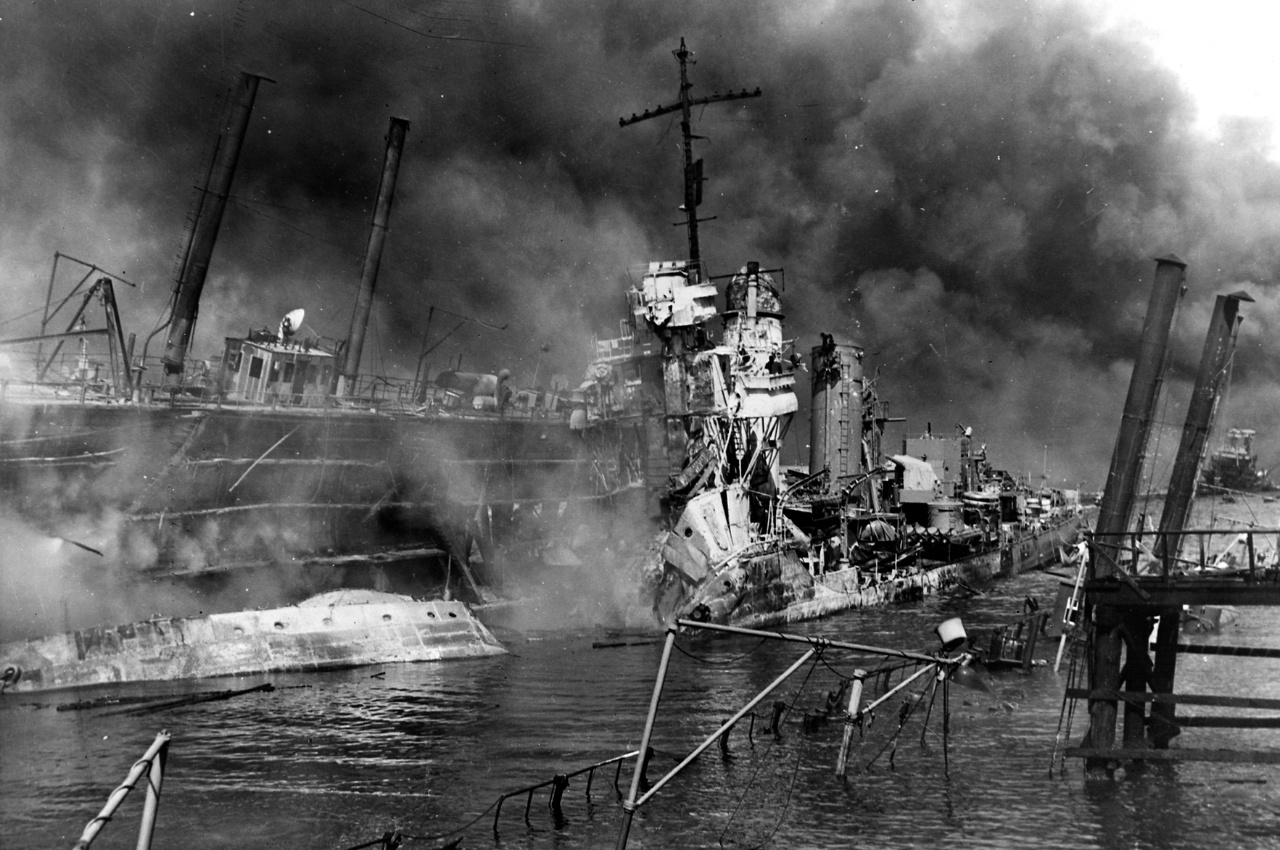
While many assume the Japanese aerial assault marked the start of hostilities, U.S. forces had already engaged the enemy earlier that morning. At approximately 6:45 a.m., the destroyer USS Ward spotted and fired upon a Japanese midget submarine attempting to infiltrate the harbor. The submarine was sunk, marking the first American shots of the war. Naval records confirm the incident, and historians, including Gordon Prange in his definitive work At Dawn We Slept, note that this engagement demonstrated early vigilance, even though higher commands did not act quickly enough on the warning before the planes arrived.
Nurses and Medical Staff Who Faced Chaos
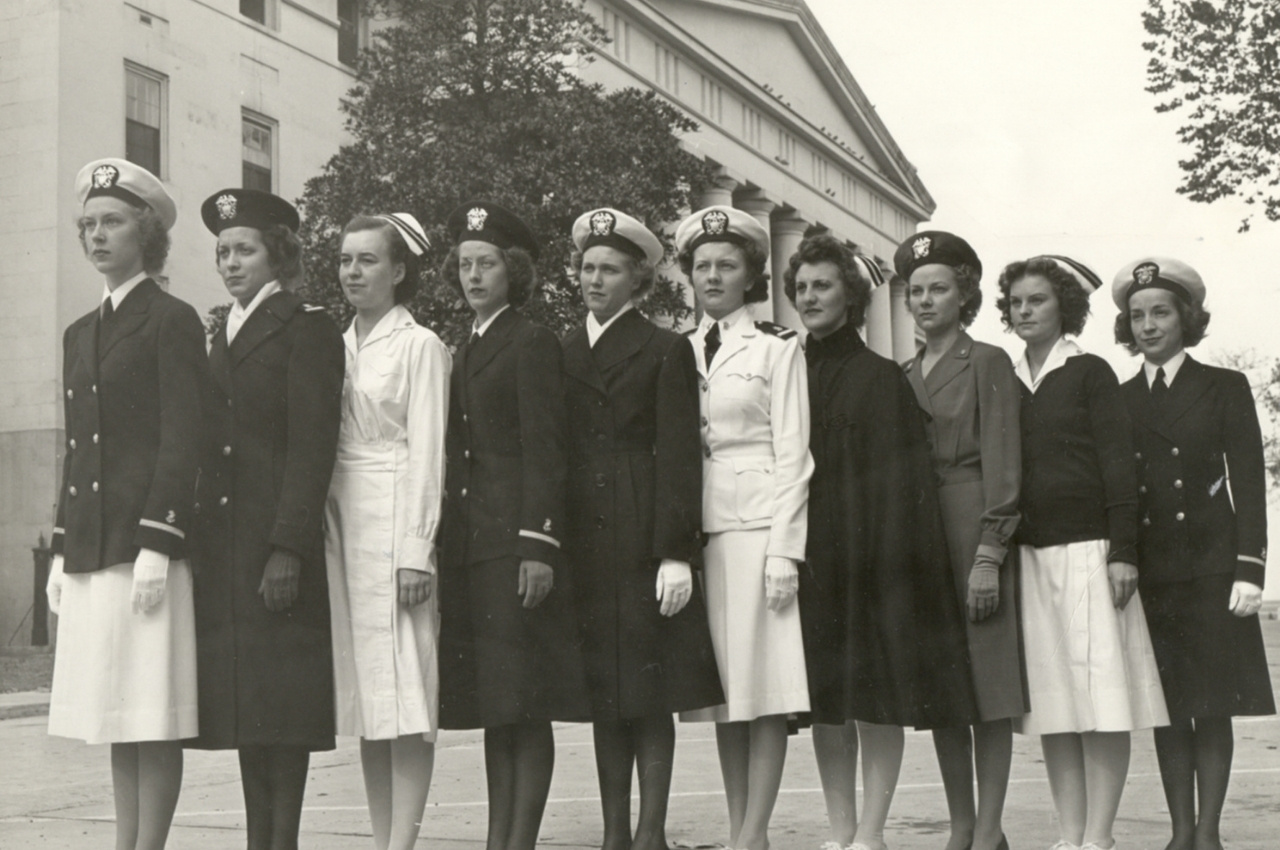
While the heroism of sailors and soldiers is often highlighted, the contributions of nurses and medical staff are less frequently acknowledged. The unarmed hospital ship USS Solace played a vital role, treating more than 130 wounded servicemen under terrifying conditions. Nurses, many only in their twenties, worked through smoke, chaos, and explosions to save lives. According to the Naval History and Heritage Command, their actions prevented even greater loss of life. This rarely told story emphasizes how noncombat personnel displayed courage and resilience equal to that of combatants, showing another dimension of sacrifice during the attack.
Silenced Voices of Civilian Witnesses
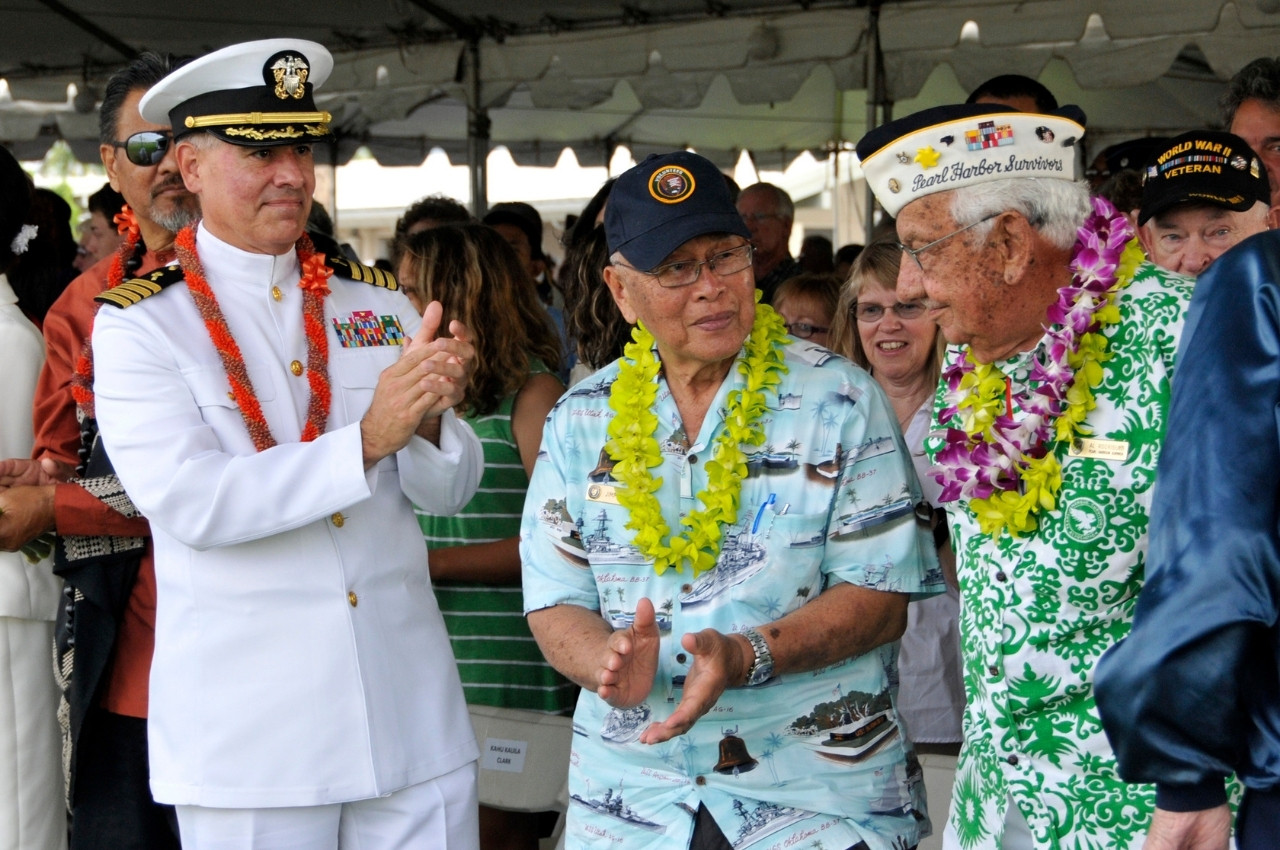
Civilians also witnessed the attack firsthand, yet their stories often went unheard. Elizabeth McIntosh, a young reporter for the Honolulu Star-Bulletin, wrote a harrowing article describing scenes of devastation, fear, and confusion. However, editors censored her account, considering it too graphic for publication at the time. Her piece only surfaced decades later, revealing the civilian perspective that was largely absent from early narratives. According to the Library of Congress, her suppressed account captures the emotional shock experienced by residents of Hawaii, underscoring that Pearl Harbor was not just a military tragedy but also a civilian one.
The Rediscovered Logbook of Pearl Harbor
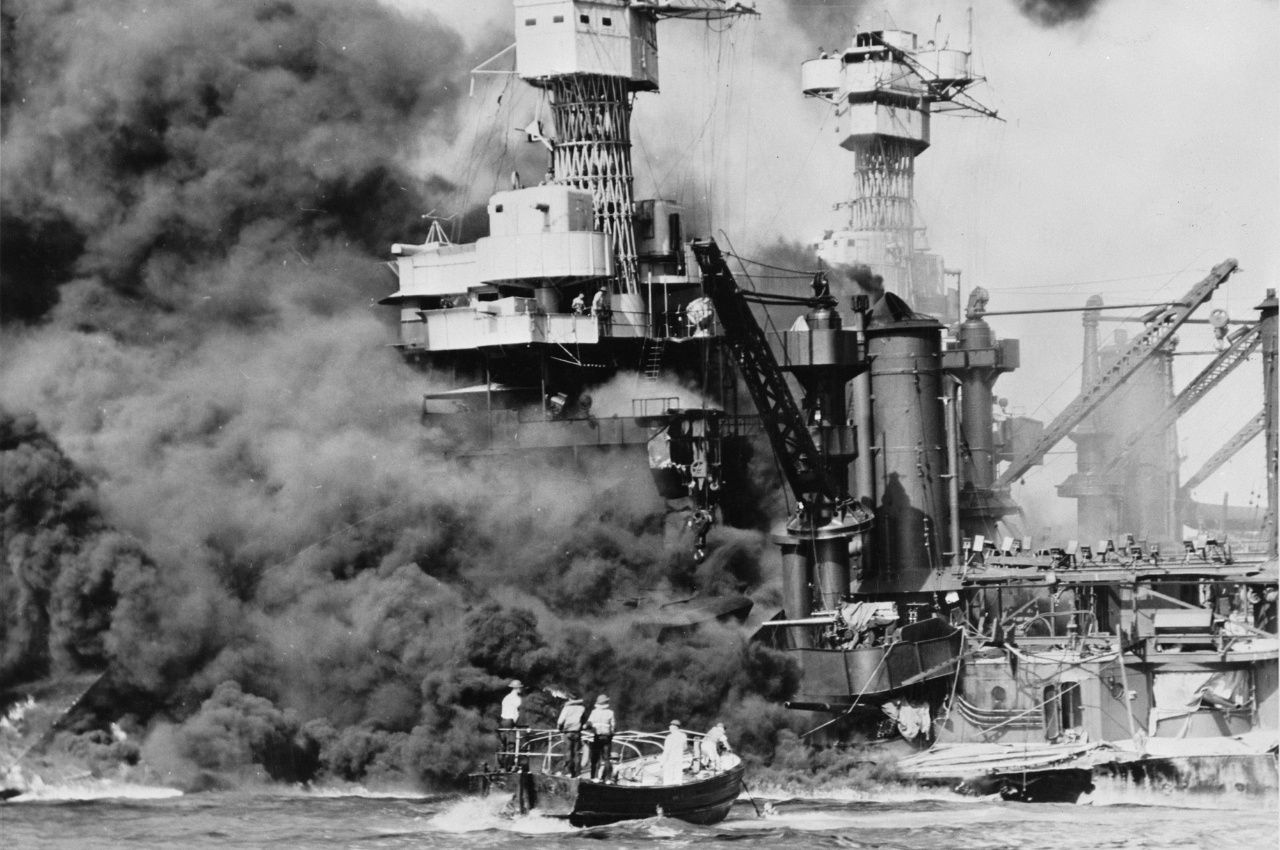
Archival work has also unearthed forgotten documents that add depth to Pearl Harbor’s history. A naval logbook covering March 1941 through June 1942 was discovered discarded and later preserved by chance. The National Archives confirmed its authenticity, noting entries that reveal operational details before and after the attack, including references to a Japanese air raid on March 4, 1942, that many Americans have never heard about. The rediscovered log highlights how key records can vanish and resurface decades later, providing historians with new insights into the ongoing Japanese threat beyond the infamous December assault.
The Niʻihau Incident After the Attack
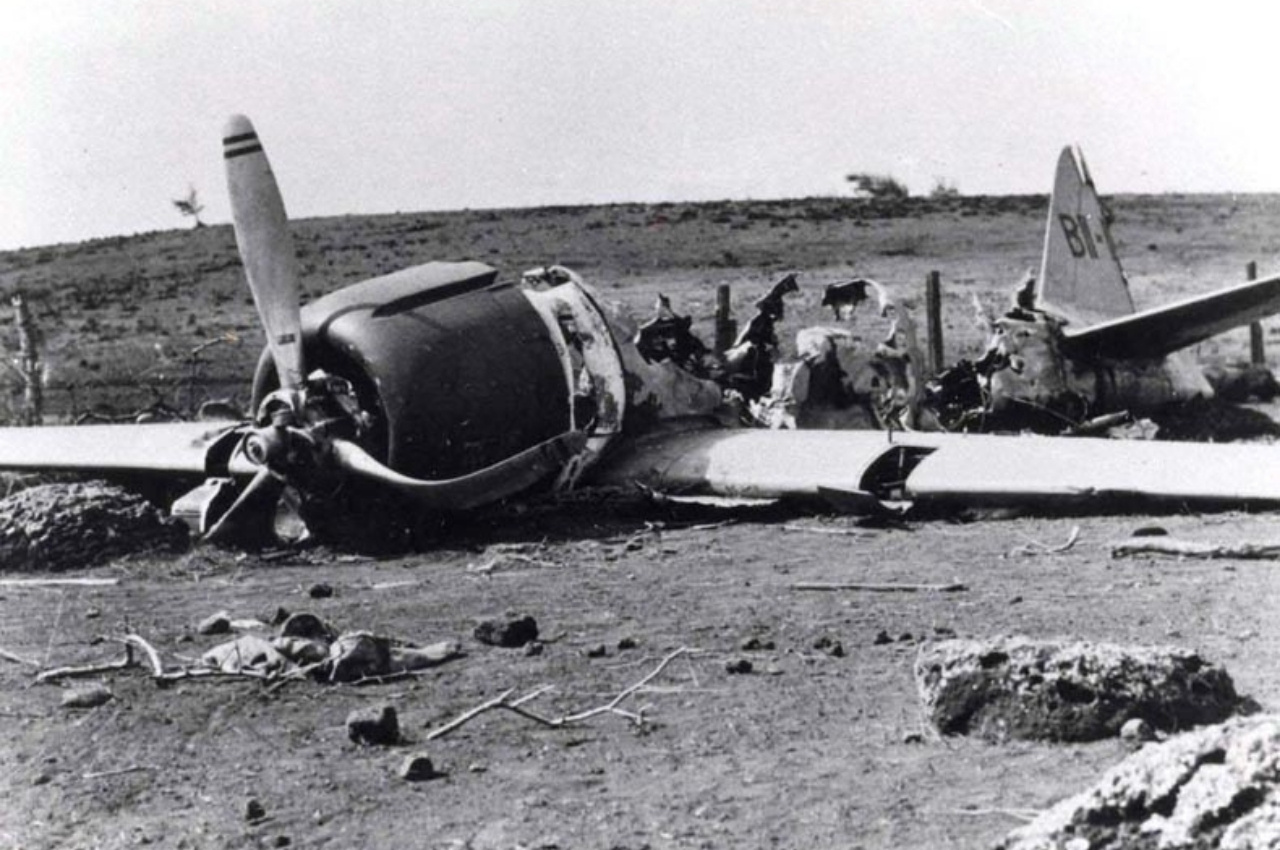
Few Americans learn about what happened on Niʻihau, a small Hawaiian island, in the immediate aftermath of the attack. A Japanese pilot crash-landed there after his aircraft was damaged during the raid. At first, locals welcomed him, unaware of the larger events. When his identity became clear, tensions erupted, leading to violence. Native Hawaiians eventually subdued and killed the pilot, with some island residents who sympathized with him being punished afterwards. According to historian Gordon Prange, this episode revealed both the courage of civilians and the dangers of divided loyalties, adding complexity to the human impact of Pearl Harbor.
Civilian Casualties from Friendly Fire
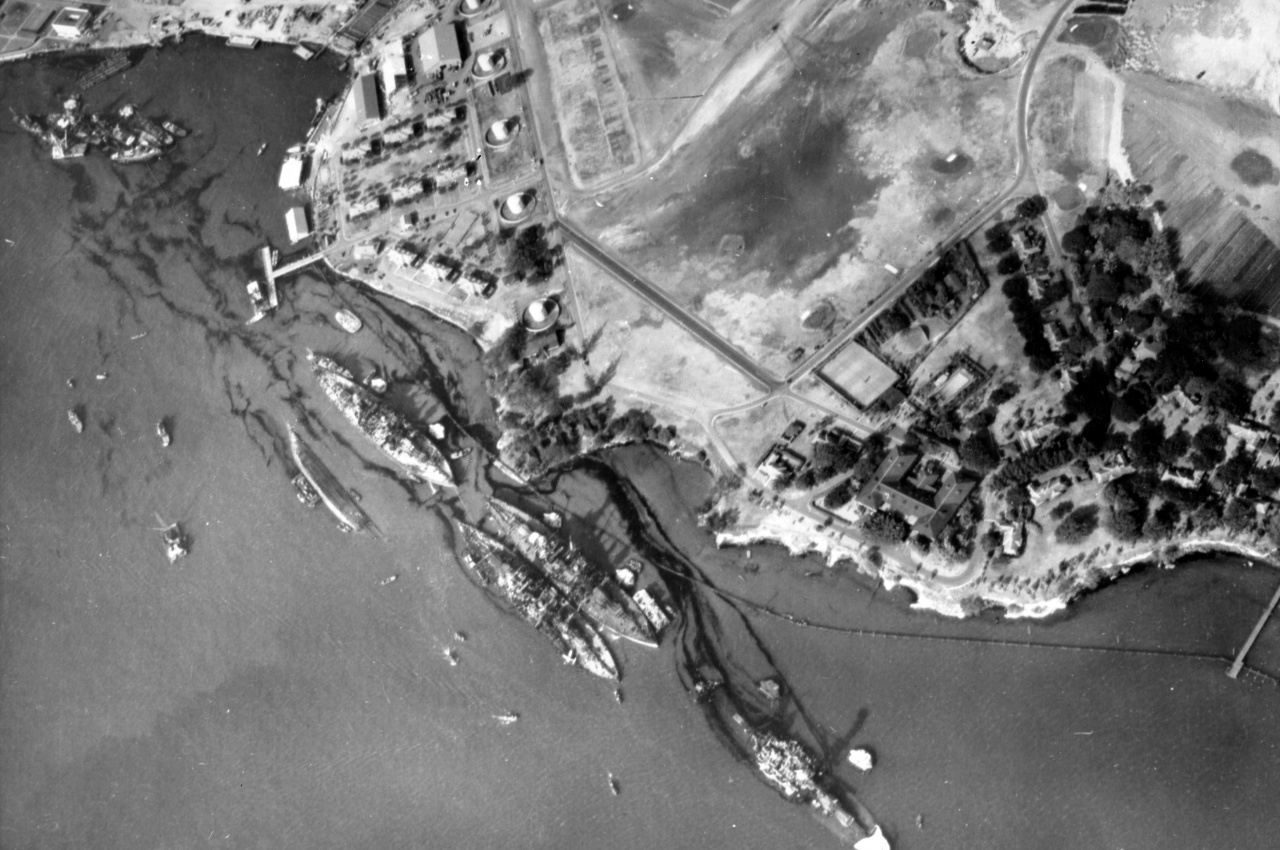
The confusion that followed the attack produced tragedies of its own, including civilian casualties from American forces. On December 8, 1941, the day after Pearl Harbor, the U.S. Army Air Forces mistakenly strafed fishing boats off Barber’s Point in Hawaii, believing them to be enemy vessels. According to historical records preserved in the Naval History and Heritage Command, six fishermen were killed and seven were wounded in the incident. This tragic episode illustrates the fog of war and how heightened fear and miscommunication can turn defensive actions into deadly mistakes, further complicating the narrative of Pearl Harbor’s aftermath.
The West Loch Disaster Years Later
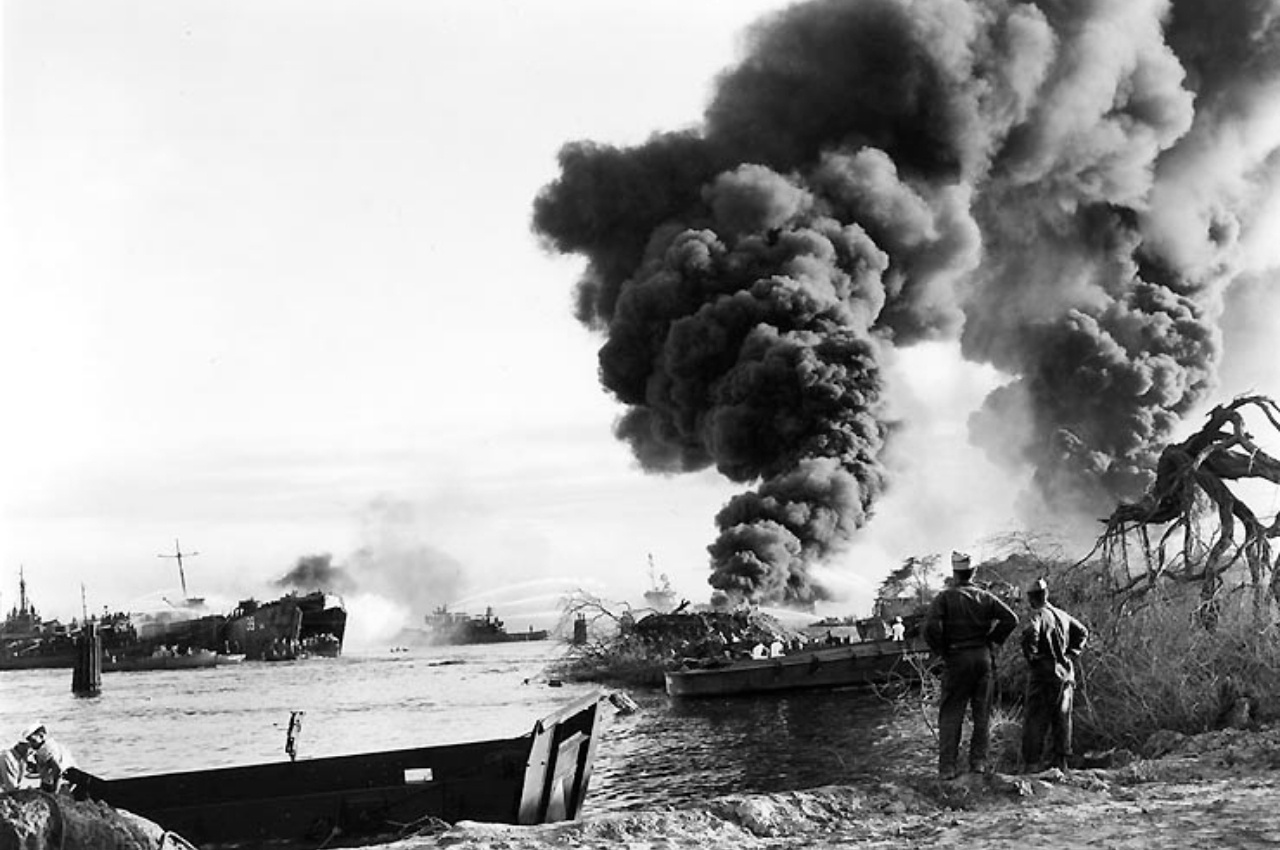
Pearl Harbor’s tragic history did not end in 1941. In May 1944, the West Loch Disaster claimed the lives of at least 163 naval personnel when a chain reaction of explosions tore through landing ships being prepared for the invasion of Saipan. Hundreds were wounded, and the incident was kept classified until 1960. According to the Naval History and Heritage Command, the disaster was caused by the accidental detonation of ammunition during loading operations. Often overshadowed by the December 7 attack, West Loch remains one of the least remembered yet deadliest naval accidents in American history.
Conclusion
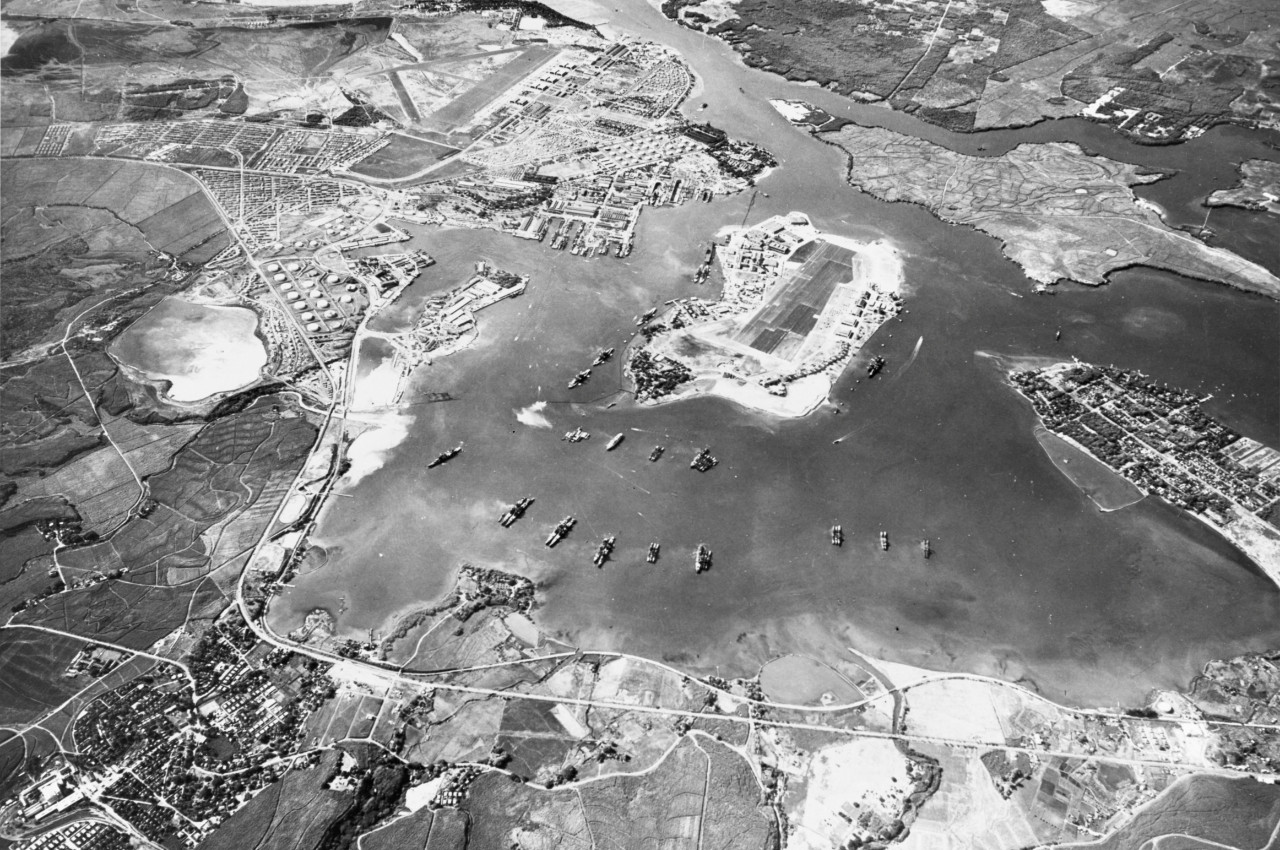
Pearl Harbor’s story extends far beyond the burning ships and the dramatic surprise attack. The forgotten submarine engagement, the bravery of nurses, censored civilian voices, rediscovered naval records, and tragedies such as friendly fire and West Loch all add richness to our understanding. Each of these accounts reveals the broader human and historical dimensions of Pearl Harbor, showing that the event was not a single moment in time but part of a complex sequence of struggles and sacrifices. Remembering these lesser-known stories ensures we honor the full spectrum of experiences from one of America’s most defining moments.