
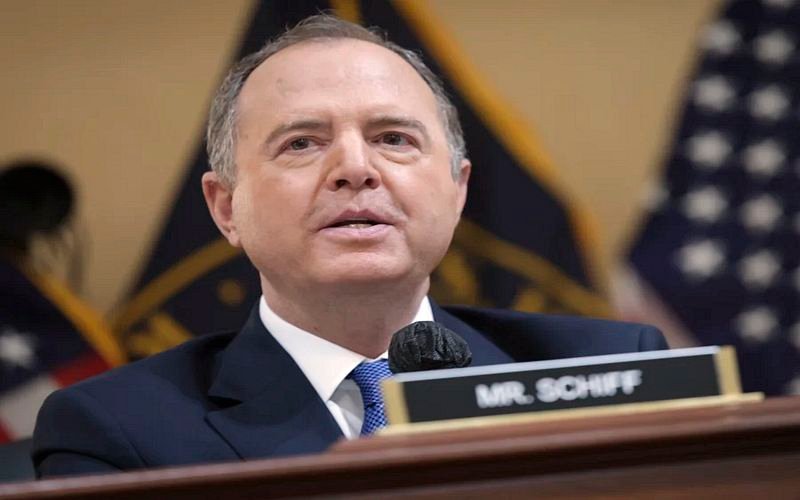
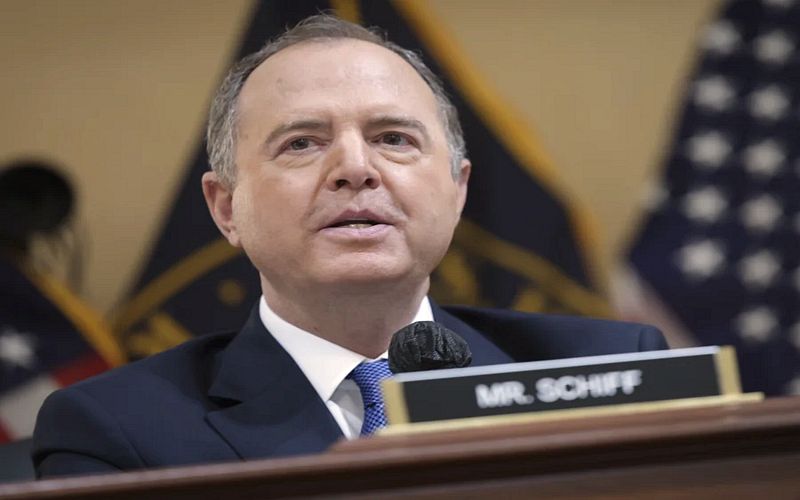
California’s Democratic Senators Alex Padilla and Adam Schiff have declared their opposition to a newly proposed Senate plan to reopen the federal government. The bill, which aims to extend funding through January 30, fails to immediately restore health care premium subsidies introduced during the pandemic. Both senators argue that ending the shutdown without protecting these subsidies would deepen the ongoing “Republican-made health care crisis.”
Read: Trump Now Blames Foreign-Companies for Rising Grocery Prices
Senators Stand Firm on Health Care
Senator Alex Padilla voiced sharp criticism of the proposal, stating it “does nothing to stop the Republican-made health care crisis.” He warned that without these subsidies, millions could face skyrocketing costs. “It does nothing to stop premiums from doubling for millions of Americans,” Padilla said. He made it clear he would not back down, adding, “We can’t end this fight now. I will be voting no.”
Also read: ICE Plans to Launch Call Center to Target Immigrant Children in Nashville
Schiff Echoes Opposition
Senator Adam Schiff mirrored his colleague’s stance, citing concerns from Californians fearful of losing access to affordable coverage. “I have heard from countless Californians who are at risk of losing their health insurance,” Schiff said. “My position has been clear from the beginning: I would not support a government funding bill that did not fund health care tax credits.” Schiff emphasized that “the current Republican funding bill leaves this crisis unaddressed,” reinforcing his adamant opposition.
Also read: Newsom Mocks Trump With Viral New Nickname After President Spotted Dozing Off
Background of the Shutdown
The federal government has been in a partial shutdown since October 1, after Democrats refused to pass a funding bill that did not include an extension of health care premium subsidies. The subsidies, originally enacted in 2021 to cushion Americans from the economic fallout of the Covid-19 pandemic, have become a political flashpoint. Without renewal, health insurance costs in states like California are expected to surge.
Also read: World’s Longest-Married Couple Reveal Secret to 83 Years of Love
The Senate’s Temporary Fix
Under the latest Senate proposal, government operations would resume by January 30. In exchange, Democrats would secure a promise for a vote next month on extending the health care subsidies. However, this timeline has drawn criticism from Democrats like Padilla and Schiff, who argue that delaying action could leave families financially exposed during the holiday and winter season.
Also read: Maine Principal Forced to Apologise After Dressing as ICE Agent in Viral Halloween Photo
What’s at Stake for Californians
Experts estimate that without the federal subsidies, California consumers could see their health insurance premiums double, with some plans costing even more. The loss of these benefits could force many families to drop coverage entirely. The state, one of the largest beneficiaries of the subsidies, faces significant pressure to safeguard its residents’ access to affordable health care.
Also read: Senator Faces Backlash for Lying About Weekend Work With Trump
Divided Congress and Next Steps
The reopening plan, crafted by Senate Republicans with the support of several centrist Democrats, still faces hurdles in the GOP-controlled House. Even if the Senate passes the measure, House Republicans have shown little willingness to prioritize health care subsidies. Meanwhile, key Democratic leaders continue to insist that no deal is acceptable without immediate funding for the tax credits.
Also read: Illinois Woman Livestreams Moment She Kills Pedestrian in Viral TikTok Video
Limited Agency Funding Included
The Senate’s agreement also includes a stopgap measure to keep select federal agencies operating through the new fiscal year beginning October 1. These include the Department of Agriculture, the Department of Veterans Affairs, military construction projects, and congressional operations. However, broader funding disputes remain unresolved, and the government’s full reopening depends on bipartisan compromise.